



Polychrome Ceramic Floor Vase
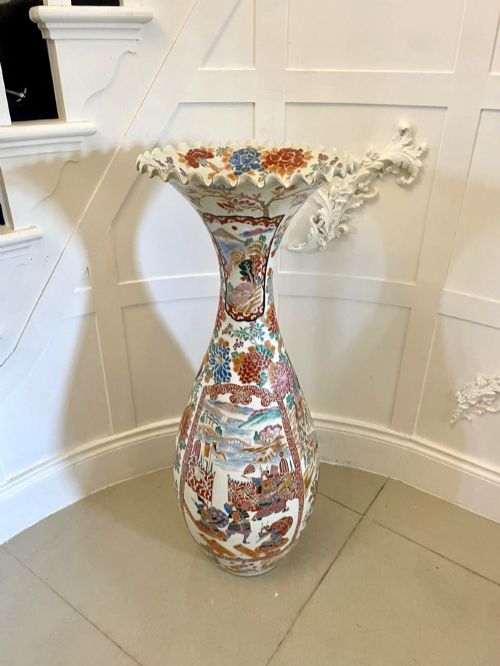
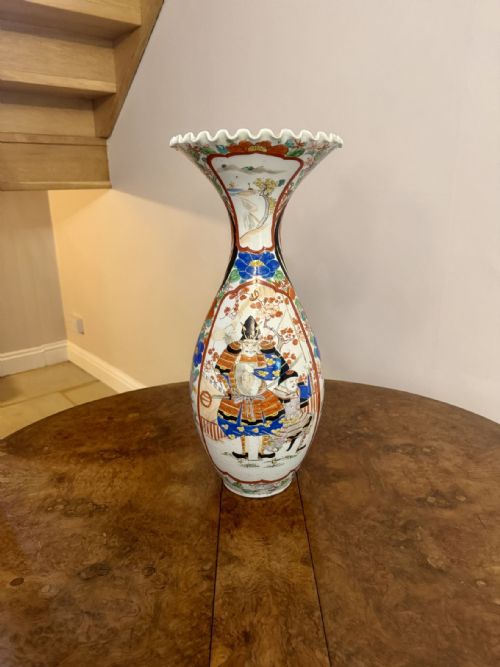
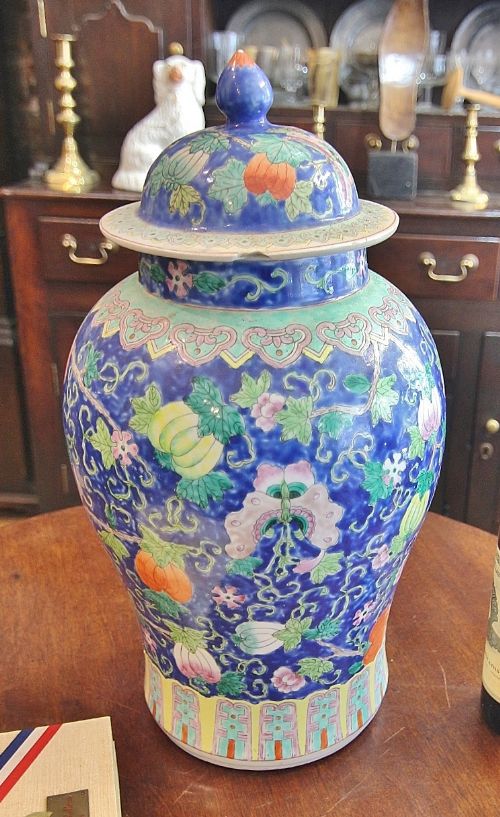
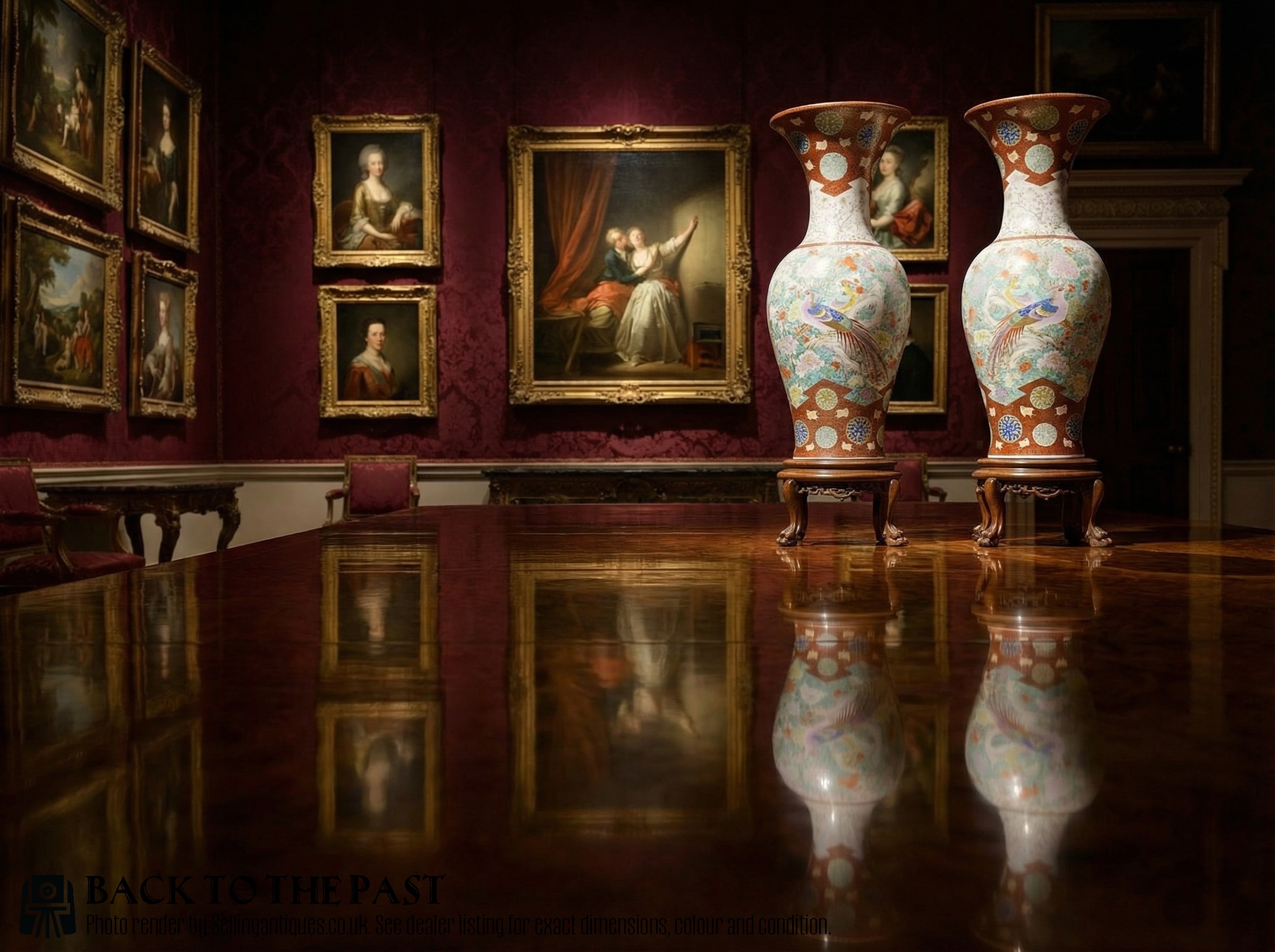
A polychrome ceramic floor vase stands as a commanding decorative statement, bringing vibrant hand-painted colour and substantial scale to major interiors.
Polychrome Ceramic Floor Vase
A polychrome ceramic floor vase is a large-scale vessel designed for prominent placement on the floor rather than on furniture, appearing frequently in nineteenth-century styles.
The selections span significant origins from Chinese Qing Dynasty workshops and Japanese Meiji period kilns, encompassing distinct traditions such as Imari, Satsuma, Canton, and Famille Rose.
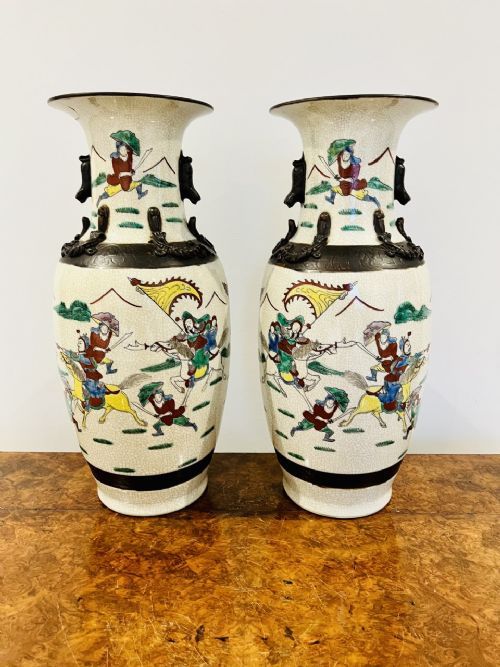
These grand vessels include monumental pairs and single standing pieces, often featuring baluster profiles, flared necks, and intricate hand-painted enamel decoration.
Materials and construction
Potters shaped dense bodies from earthenware and porcelain, utilising crackle glaze and smooth white grounds to receive complex surface pigment.
Artisans applied polychrome enamel, overglaze enamel, and gold leaf by hand, building rich pictorial narratives and repeating geometric borders across the ceramic surface.
Listings span nineteenth-century production, incorporating Qing Dynasty Chinese porcelain and Japanese Meiji period earthenware.
Distinctions in quality
Quality rests upon the precision and density of the hand-painted enamel work, where superior examples display refined brushwork and harmonious colour palettes.
The ambition of the form elevates certain pieces, distinguishing standard large vessels from monumental pairs decorated with extensive figural or floral scenes.
The Polychrome Ceramic Floor Vase Glossary
- Polychrome enamel
- Glass-based pigment applied in multiple colours over a fired ceramic glaze. This technique allows for vibrant, lasting decoration across large vessel surfaces.
- Imari
- A traditional Japanese ware style characterised by rich blue underglaze and red and gold overglaze painting. These designs often feature dense floral and panelled motifs.
- Famille rose
- A palette of opaque pink or rose enamel introduced during the Qing Dynasty. It expanded the ceramic decorator's range to include delicate pastel tonal gradations.
- Satsuma
- Earthenware originating from Japan, typically finished with a fine ivory crackle glaze and heavily decorated with polychrome enamel and raised gold leaf.
- Baluster
- A vase form with a rounded body that tapers toward the base and swells outward before rising to a narrower neck. This profile provides stability for monumental display.
Polychrome Ceramic Floor Vase: Frequently Asked Questions
Where should a floor vase sit?
These large vessels command attention in entrance halls, substantial reception rooms, or wide corridors where their height and colour can be appreciated without obstruction.
They function best as freestanding architectural accents rather than tucked into tight corners.
How are Japanese and Chinese vases told apart?
Japanese Meiji pieces often employ crackle-glazed earthenware with raised gold work, visible in Satsuma and Kutani styles.
Chinese Qing examples frequently utilise hard porcelain bodies decorated in Famille Rose or Cantonese palettes with narrative figural scenes.
What is a Rose Medallion vase?
Rose Medallion is a distinct Cantonese style featuring segmented panels filled with birds, flowers, and court figures. These panels surround a central medallion.
The entire surface is typically covered in dense green and pink enamel patterns.
Can these vases hold water?
Large antique floor vessels are primarily decorative works of art rather than functional containers for fresh flora. Placing water directly inside unglazed or historic ceramic bodies can risk damaging the interior glaze and historic material.