

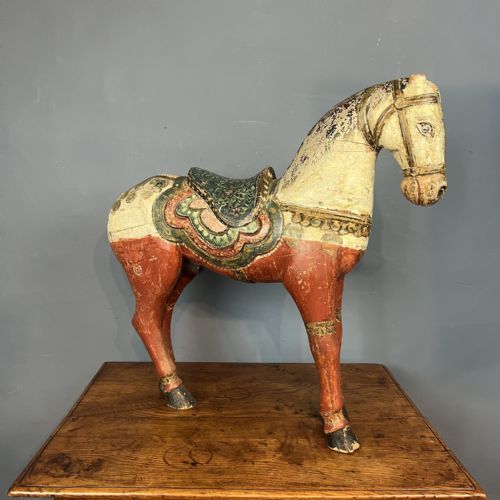
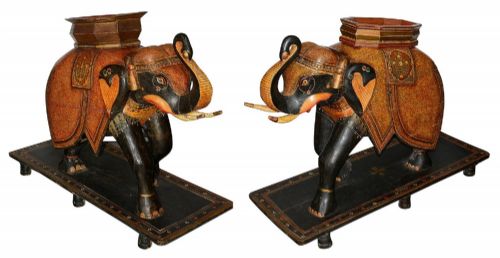
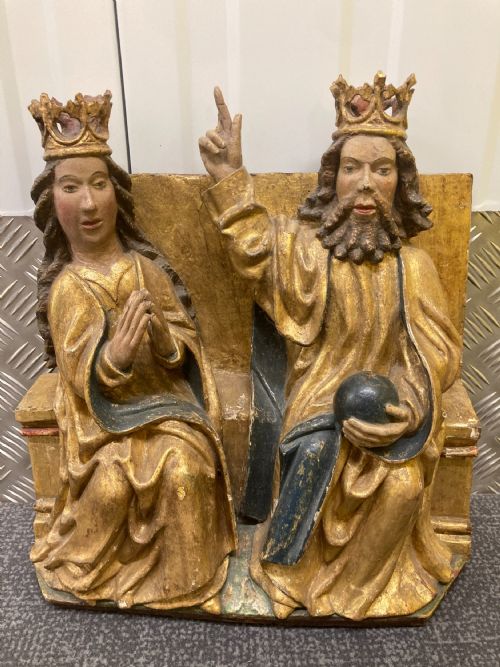
Polychrome Carved Wood Statue
When you search for a polychrome carved wood statue, you encounter centuries of religious figures, deities, and decorative carvings shaped by diverse hands.
Polychrome Carved Wood Statue
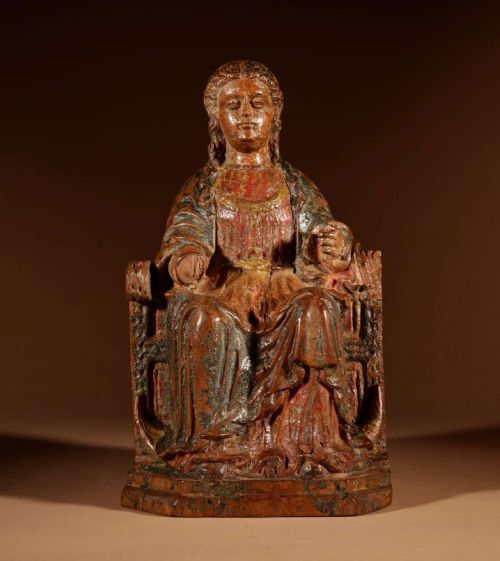
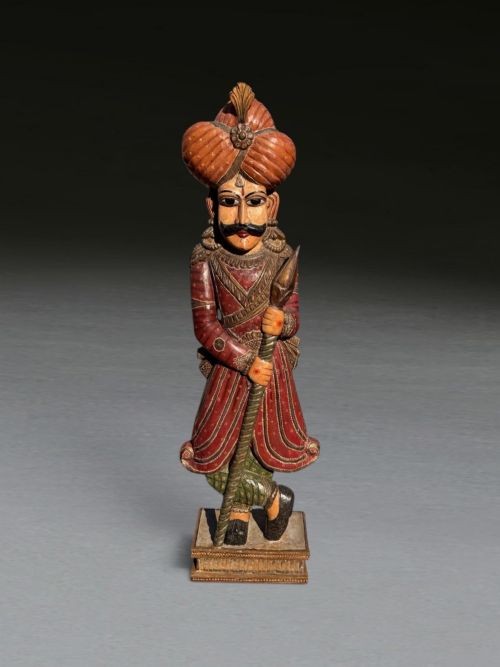
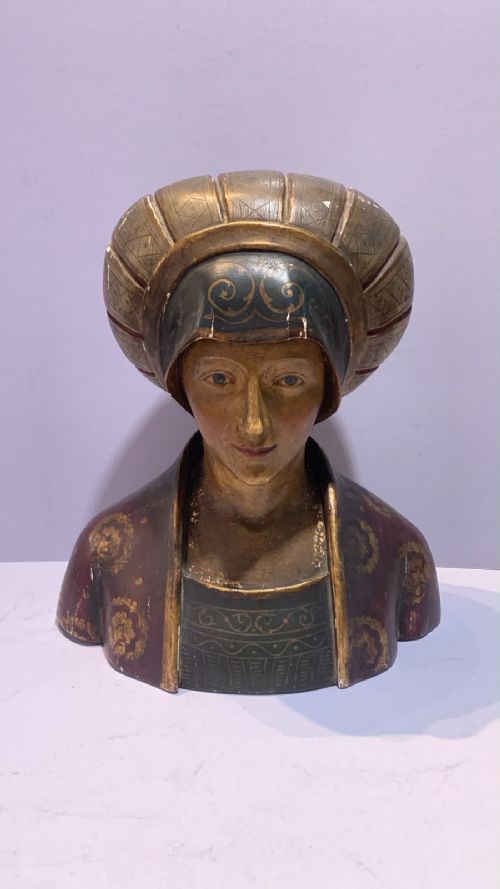
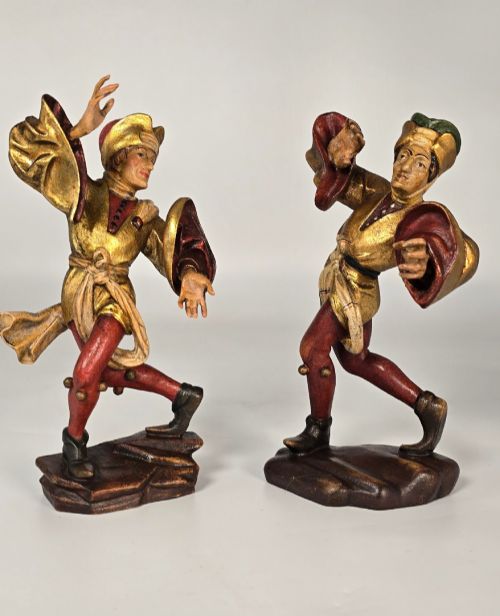
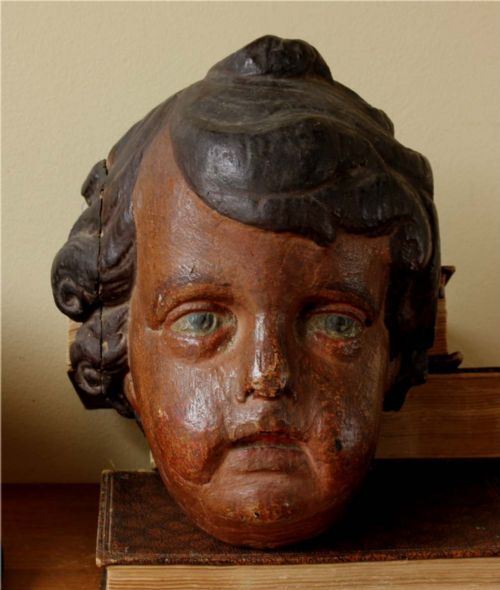
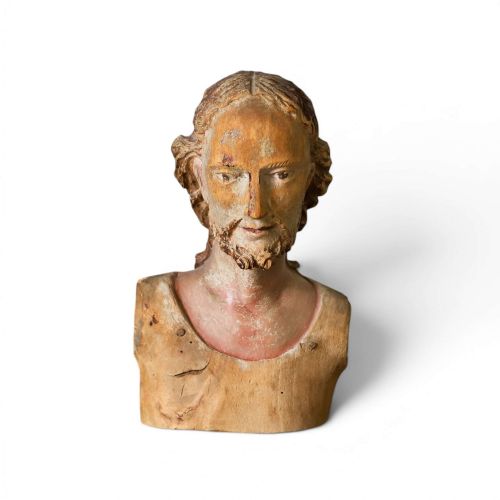
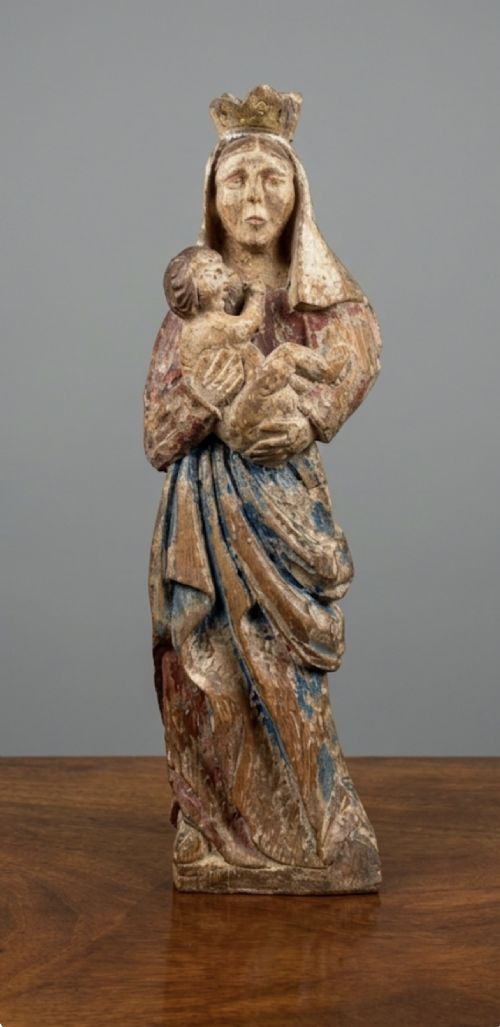
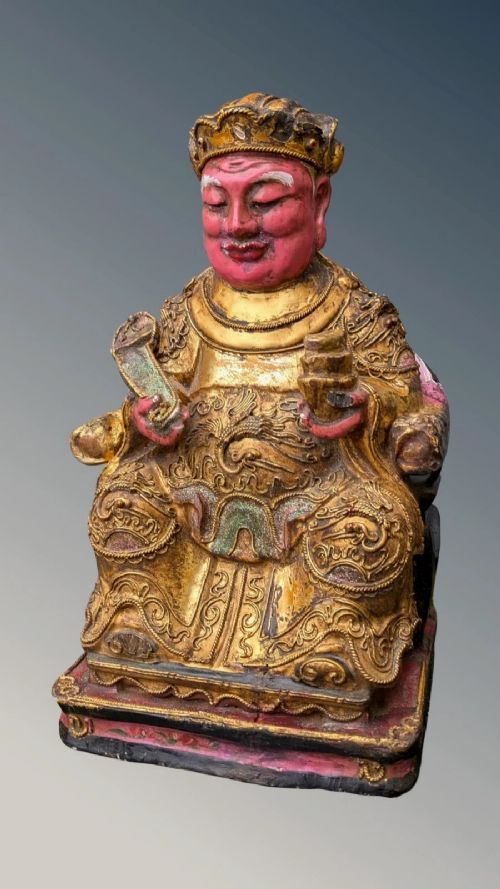
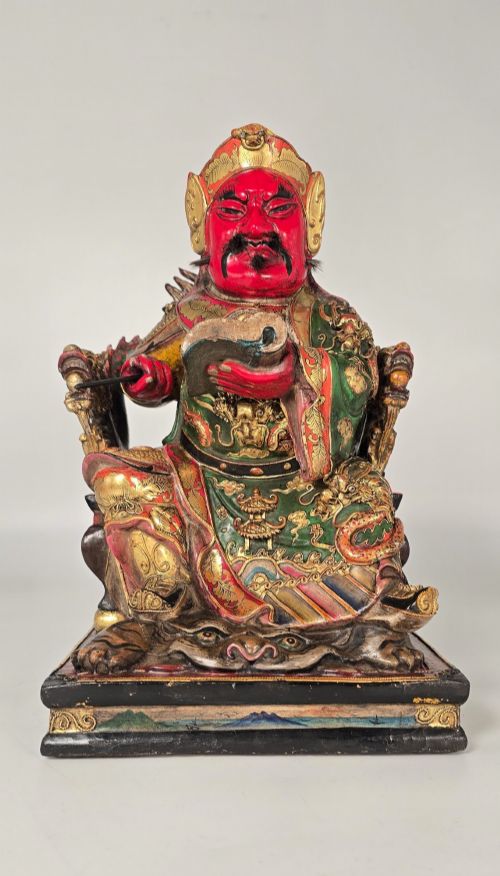
A polychrome carved wood statue encompasses sacred and secular forms spanning from the sixteenth century to the early twentieth century. You will encounter figures of saints, madonnas, angels, and deities originating from European workshops, Chinese temples, and regional folk traditions.
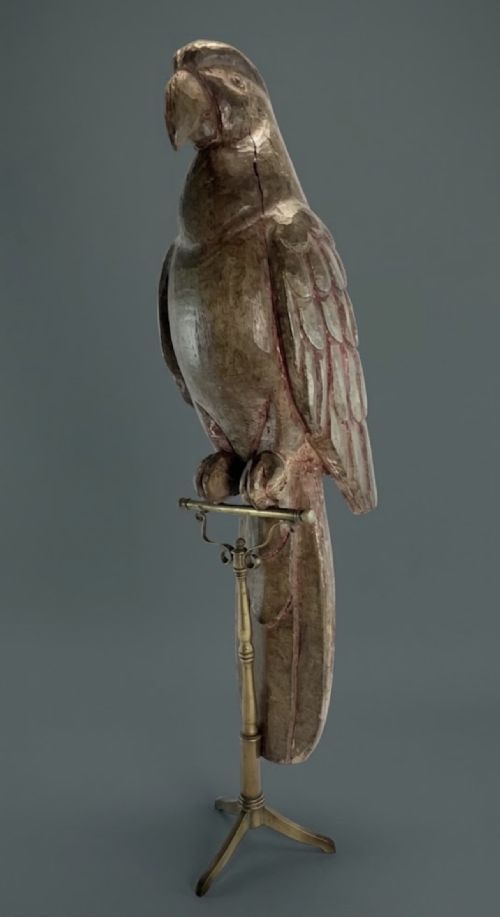
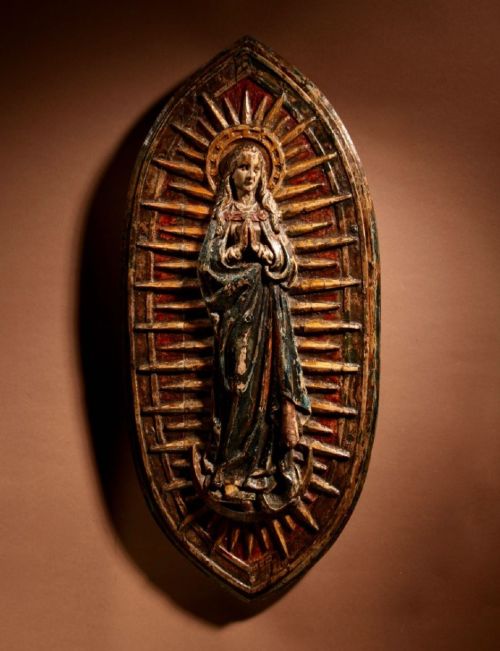
Religious figures dominate the selection, including altarpiece panels, processional statues, and home altars. Alongside these sacred works appear decorative pieces such as parrots, soldiers, noblewomen, and trade signs.
The most common versions met on this page are eighteenth and nineteenth-century devotional sculptures and Chinese temple figures. These pieces reflect distinct cultural practices, from Spanish capipote figures to Qing dynasty deities.
Materials and construction
Carvers shaped these statues from woods such as oak, walnut, limewood, olive wood, and pine. Artisans then applied gesso as a smooth base layer to prepare the wooden surface for subsequent decoration.
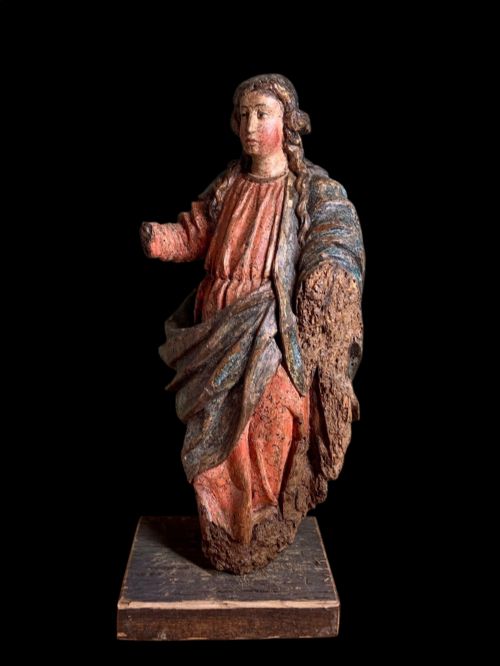
Makers finished the surfaces using polychrome paint, lacquer, and gold leaf. These combined mediums provided rich colour and gilded highlights that defined robes, faces, and decorative attributes.
A wooden parrot on a brass stand keeps permanent watch from a perch.
Differentiating craftsmanship
The preservation and handling of the original surface finish dictate the character of each piece. Intact layers of early paint, gesso, and gold leaf contribute significantly to the visual integrity of the sculpture.
The Polychrome Carved Wood Statue Glossary
- Polychrome
- Decorated in multiple colours. This term describes statues finished with various painted pigments.
- Gesso
- A plaster mix applied to wood. Artisans use this mixture to create a smooth surface before painting or gilding.
- Gold Leaf
- Hammered gold beaten into thin sheets. Craftsmen apply this material to highlight specific areas of a sculpture.
- Capipote
- A Spanish processional figure with a wooden head and hands attached to a framework. These statues wear real fabric garments.
- Foo Dog
- A mythical Chinese lion guardian. These carved figures traditionally protect sacred spaces.
Polychrome Carved Wood Statue: Frequently Asked Questions
How should I display a wooden statue?
Place your statue away from direct sunlight and steady heat sources to protect the wood and painted surface.
Keep the environment stable to prevent the wood from expanding or contracting over time.
How do I clean polychrome paint?
Dust the surface gently with a soft, dry brush to remove particles without disturbing the pigment.
Avoid using water, liquid cleaners, or solvents on antique painted wood.
Are these statues intended for outdoor use?
These pieces were created for interior settings such as churches, temples, homes, and shops.
Exposure to outdoor weather will damage the wood, gesso, and painted layers.
How can I tell the period?
Examine the tool marks, wood type, style of carving, and the composition of the gesso and paint layers.
Comparing regional characteristics helps narrow down the origin and likely date of manufacture.