




Antique Church Figure
These antique church figure pieces bring centuries of devotion, carved wood, and painted detail into modern spaces.
Antique Church Figure
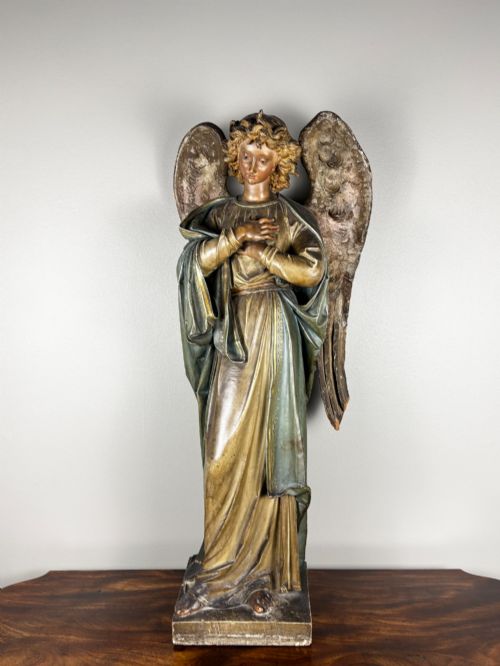
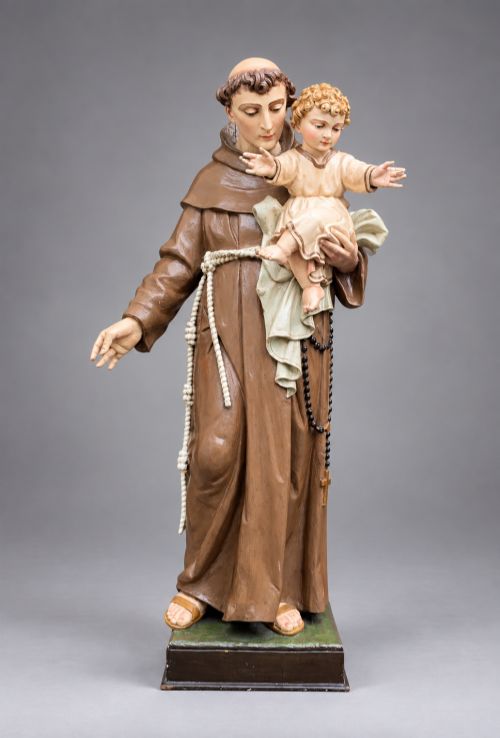
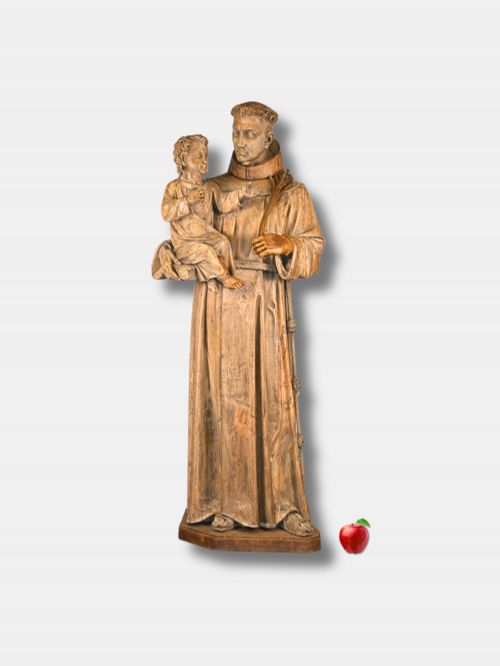
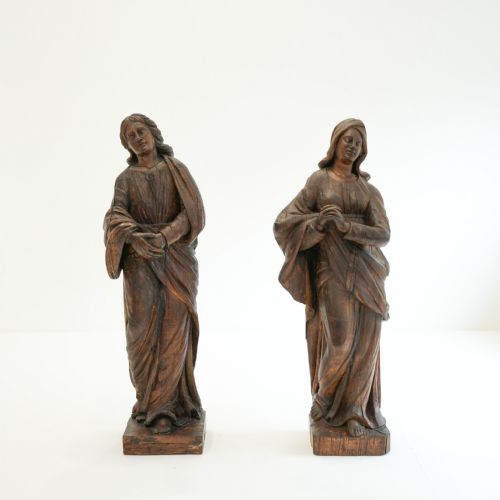
An antique church figure represents religious subjects such as saints, angels, and the Virgin Mary, originating from sacred spaces and domestic shrines. When searching for this phrase, buyers encounter carved wooden sculptures spanning multiple centuries, from medieval Gothic works to later Continental examples.
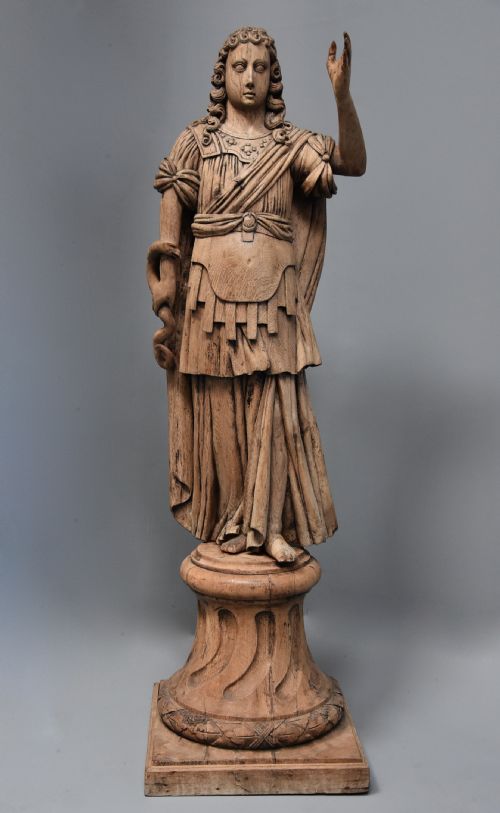
The pieces on this page appear in various forms, including life-size statues, processional figures, wall reliefs, and altar companions. Oak, limewood, and pine serve as the primary timber bases for these sculptures, often shaped to depict specific saints with their traditional attributes.
Continental origins dominate the selection, with specimens hailing from France, Italy, Spain, Germany, and the Czech lands. Dating ranges from pre-sixteenth century medieval carvings up to early twentieth-century plaster and terracotta interpretations.
Materials and construction
Carvers typically worked in solid timber, selecting dense woods like oak, limewood, and pine that allowed for deep, expressive drapery and facial detail. Artisans shaped these blocks using traditional chisels and gouges, leaving tool marks that reveal the hand of the maker.
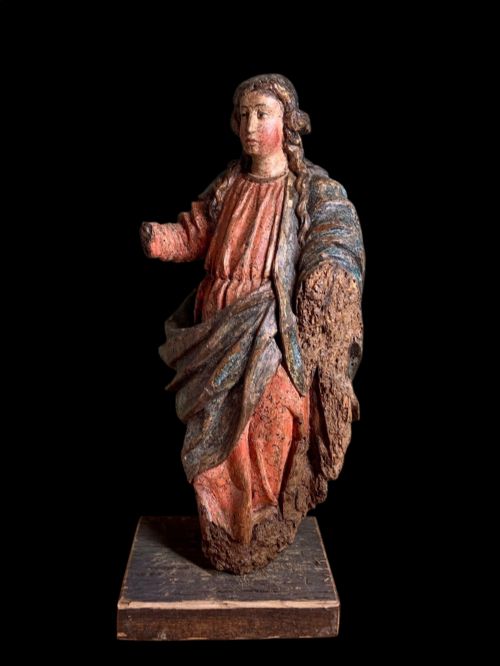
Many surfaces received a preparation layer of gesso before painters applied polychrome pigments, gold leaf, or silver leaf to simulate rich vestments. Over centuries, these layered finishes have settled into natural crackle and wear that define the current visual character of each sculpture.
The listings on this page span from pre-sixteenth century Gothic works to twentieth-century terracotta and plaster examples.
Distinctions in quality
The survival of original polychrome paint and gilding alters the historical weight of a piece significantly. Retained traces of early pigment under later layers or undisturbed original gesso indicate a higher degree of preservation than stripped or heavily repainted surfaces.
Rouillard Angers
The Antique Church Figure Glossary
- Polychrome
- Painted in several colours. This finish was commonly applied over wood or gesso to give ecclesiastical sculptures a lifelike appearance.
- Gesso
- A plaster mixture used as a smooth base for paint or gold leaf on wooden carvings. It helps the outer decorative layers adhere to the timber.
- Giltwood
- Wood that has been coated with a thin layer of gold leaf. This technique highlighted important figures and details in dim church interiors.
- Pieta
- A subject depicting the Virgin Mary supporting the dead body of Christ. It appears frequently in medieval and Continental religious sculpture.
- Capipote
- A Spanish style of devotional figure featuring a carved head and hands attached to a framework dressed in real fabric garments. These hollow forms were utilised in religious processions.
Antique Church Figure: Frequently Asked Questions
How were antique church figures originally used?
These figures stood in churches, cathedrals, and private chapels to aid prayer and mark religious festivals. Some served as altar centerpieces, while others were carried through streets during annual processions.
Over time, many migrated from sacred settings into private collections and domestic interiors, retaining their meditative presence.
How do I identify the age of a wooden figure?
Dating relies on the style of the carving, the choice of wood, and the construction methods visible on the reverse or base. Medieval and Gothic pieces often feature heavy oak and deep, angular drapery folds.
Later Victorian and Continental examples display softer contours, different pigment layers, and machine-cut timber elements that signal nineteenth or twentieth-century production.
Where were most of these religious figures made?
The recorded pieces originate primarily from European workshops across France, Italy, Spain, Germany, and Central Europe. Regional traditions dictated the choice of local timber, such as limewood in German regions and oak in Northern Europe.
Local aesthetic preferences also influenced whether a sculpture received a detailed polychrome finish or remained as exposed carved wood.
How should I display a heavy carved statue?
Large sculptures require sturdy support, ideally anchored to a wall bracket or placed on a secure, low plinth that bears the full weight safely. Position the piece away from direct heat sources and strong sunlight to protect aged wood and delicate paint layers.
Allowing adequate clearance around the sculpture ensures the carved details remain visible from multiple angles in a room.