


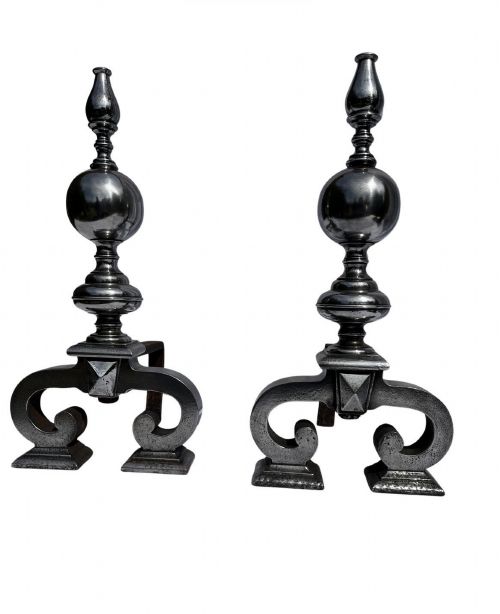

Polished Fireplace Irons
Polished fireplace irons are heavy metal tools for the hearth, combining bright brass and steel to tend fires while catching the eye.
Polished Fireplace Irons
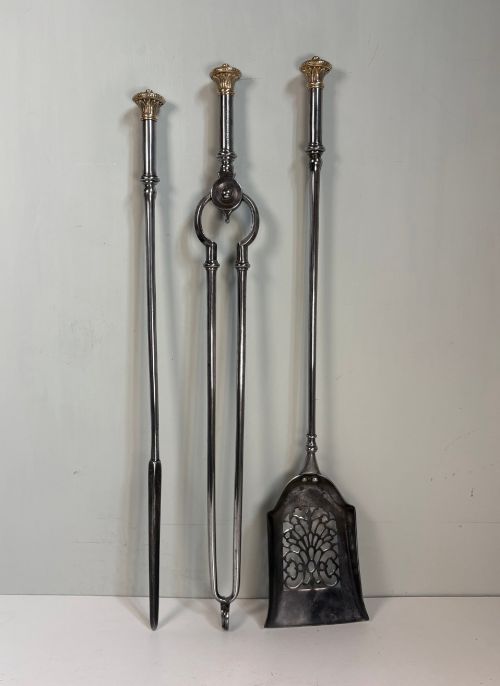
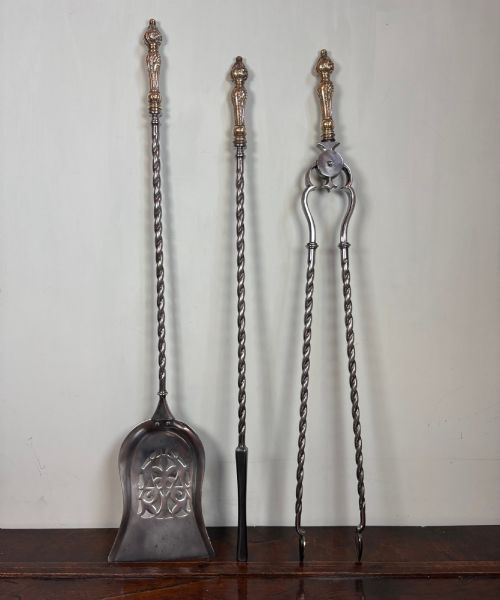
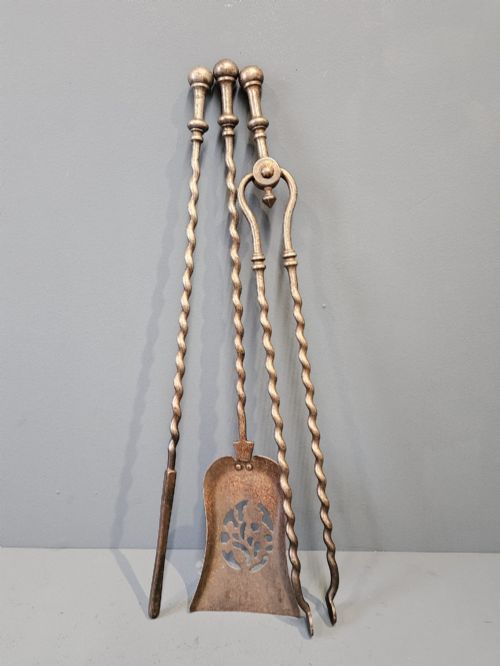
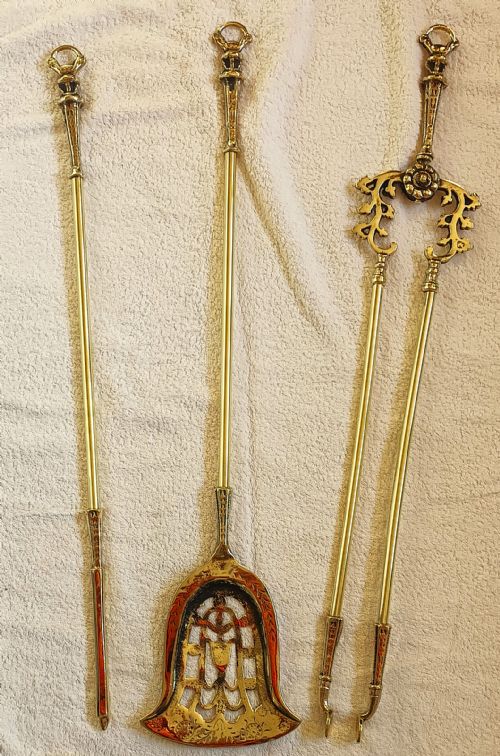
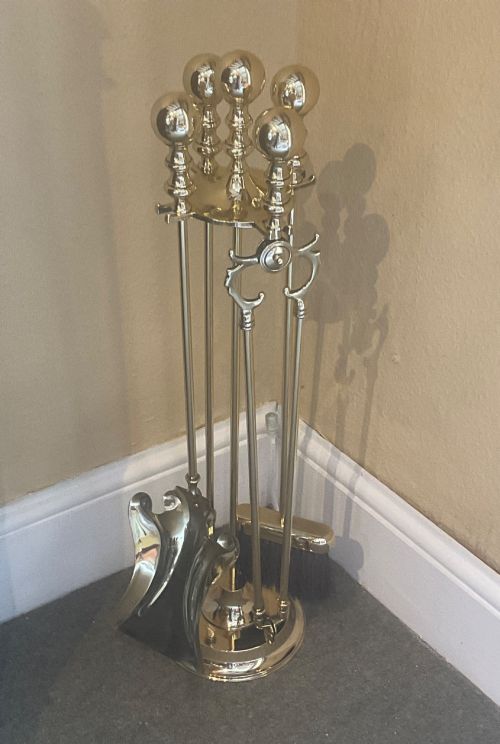
Polished fireplace irons include complete companion sets and individual sets of three tools like pokers, shovels, and tongs designed for coal or wood fires. These pieces span the Georgian, Regency, and Victorian periods, with nineteenth-century examples appearing frequently alongside earlier eighteenth-century designs.
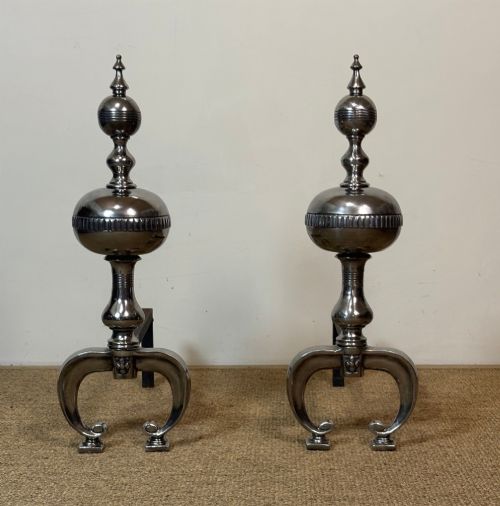
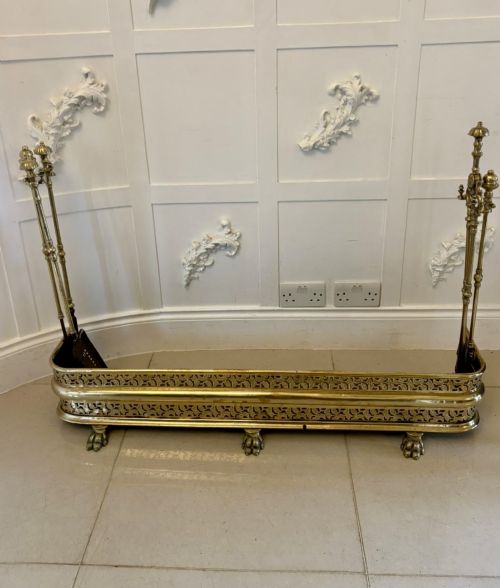
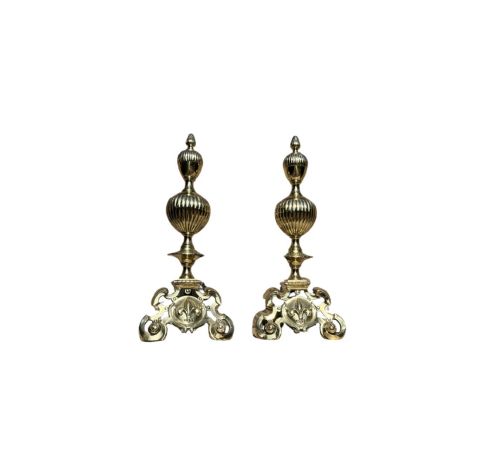
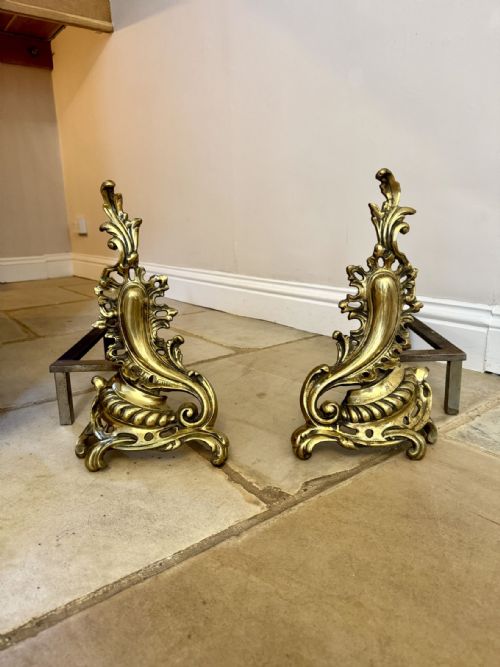
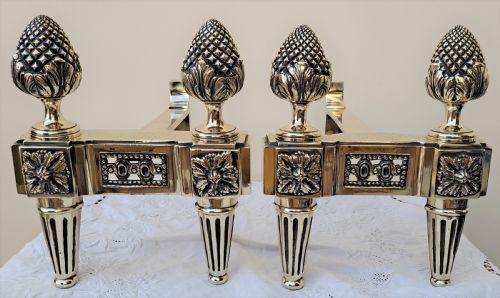
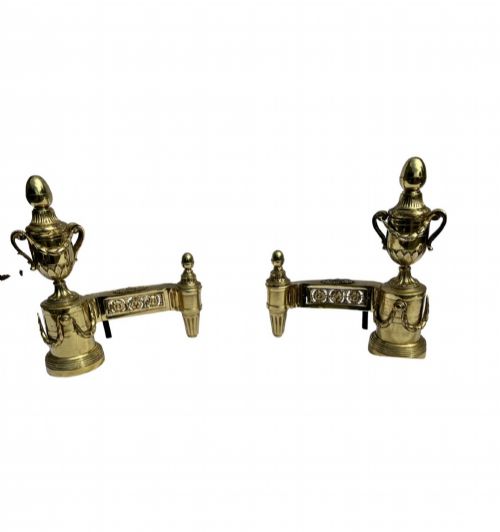
Buyers encounter these accessories in robust steel and bright cast or polished brass, often accompanied by matching fire dogs, andirons, or fenders. The selection ranges from plain utilitarian hearth tools to ornate sets featuring rope twist handles and elaborate rococo styling.
How they were made
Makers shaped these hearth accessories primarily from iron and steel for strength, finishing them with bright brass components or full-surface polishing to achieve a reflective shine. Wrought iron and cast brass elements were hand-finished and joined to withstand daily use near open flames.
Traditional metalworking techniques produced distinct functional forms, utilising forged steel for pokers and shovels alongside decorative brass casting for handles and companion stands.
Listings feature brass, steel, and wrought iron across Georgian, Regency, and Victorian periods.
What varies in quality
Quality rests in the crispness of the casting and the weight of the metal, distinguishing solid brass and substantial steel from lighter alternatives. Superior sets maintain matching components and balanced proportions across all included tools.
Detailing on handles and companion pieces separates standard utility tools from finer examples, with careful shaping and decorative rope twists showing the maker's hand.
James Cartland and Sons
The Polished Fireplace Irons Glossary
- Andirons
- Supports for logs in an open fireplace, often used alongside matching tools and fenders.
- Companion set
- A coordinated group of fireside tools usually held on a shared stand or resting near the hearth.
- Fender
- A low metal guard placed in front of the fireplace to contain sparks and ash.
- Fire dogs
- Heavy metal supports placed inside the hearth to hold burning wood, frequently paired with matching fire irons.
- Rope twist
- A spiral decorative pattern carved or cast into metal handles or shafts.
Polished Fireplace Irons: Frequently Asked Questions
What tools come in a set?
Standard sets typically include three main pieces: a poker, a coal shovel, and tongs. These are designed for managing the fuel and clearing ash from an open hearth.
Many configurations also include matching fire dogs or a companion stand to keep the implements orderly when not in use.
How do I polish steel and brass?
Maintenance involves using appropriate metal polishes suitable for brass and steel surfaces to maintain their reflective shine. Regular care prevents tarnishing caused by soot and open fire heat.
Harsh abrasives should be avoided to protect any fine casting details or traditional surface finishes.
Are these tools meant for daily fires?
These pieces were originally built for heavy daily use in nineteenth-century and earlier hearths. Their solid steel and brass construction handles regular fires effectively.
Careful handling ensures the polished surfaces and decorative joints remain intact over time.
How do I date a set of irons?
Dating relies on stylistic clues such as the ornate curves of French rococo designs, the restrained lines of Regency forms, or the hand-forged nature of earlier Georgian pieces. Material choices like wrought iron versus polished steel also point to specific periods of manufacture.
Matching andirons and fender styles often provide further context for the age of the tools.