

Antique Iron Andirons
These antique iron andirons support hearth logs and bring enduring utility and period character to open fireplaces.
Antique Iron Andirons
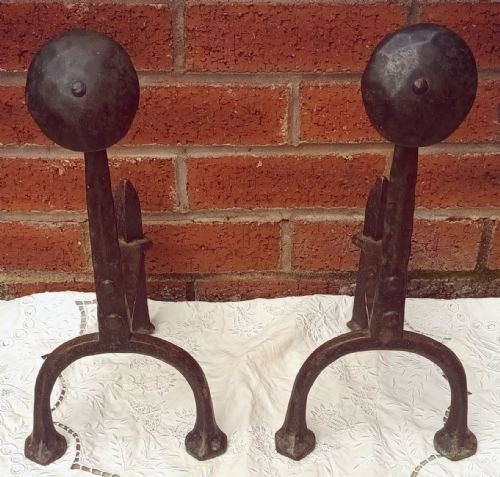
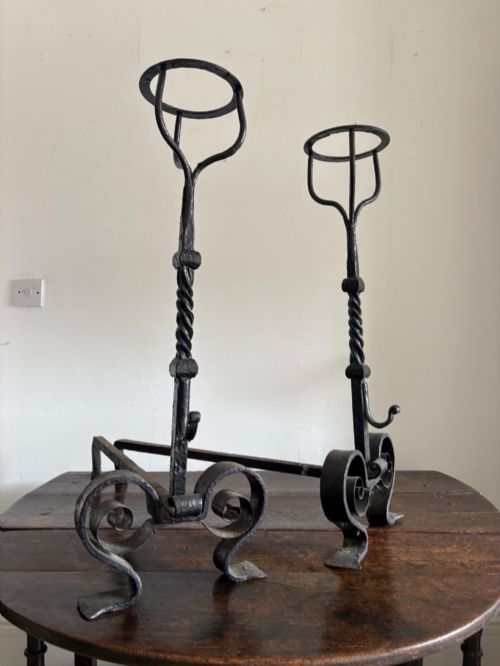
Antique iron andirons, also known as fire dogs, support firewood within an open hearth to allow air circulation beneath the burning logs. They frequently appear alongside fire baskets, grates, and companion sets from the Victorian and Edwardian eras.
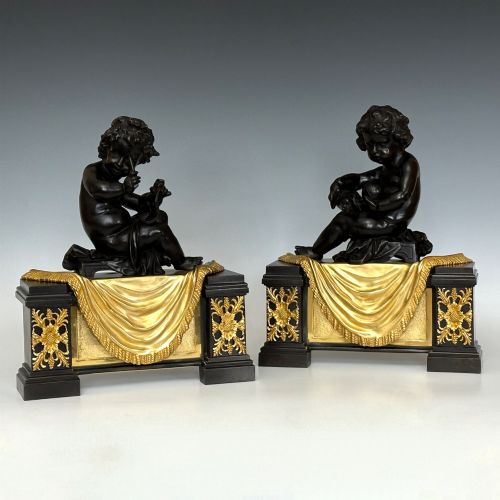
The selections span utilitarian forged pieces from the nineteenth century alongside decorative continental examples incorporating bronze, brass, and ormolu. Domestic hearths across England and France utilised these supports for practical heating and decorative presence.
Materials and Construction
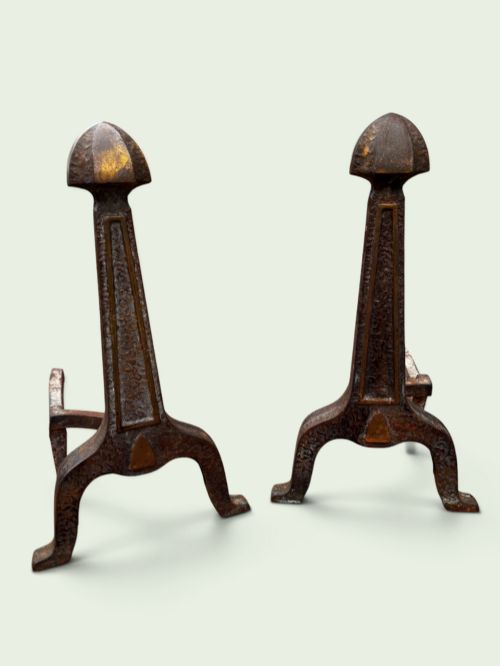
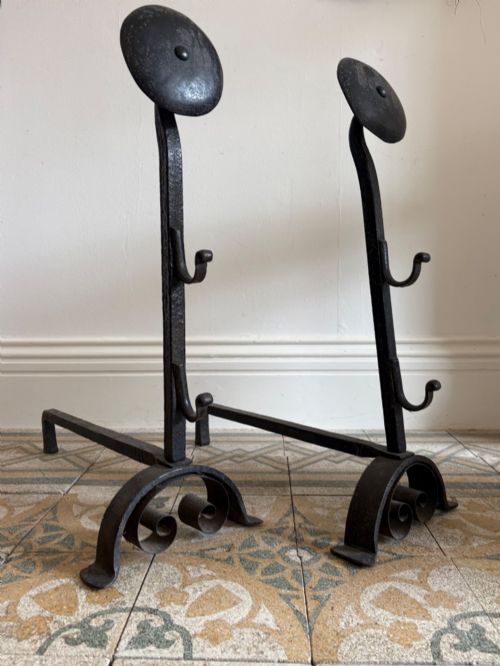
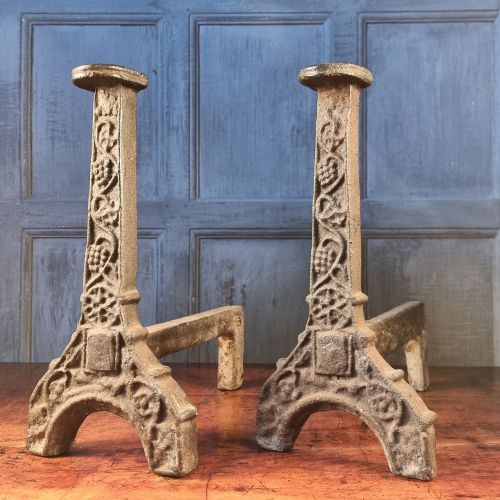
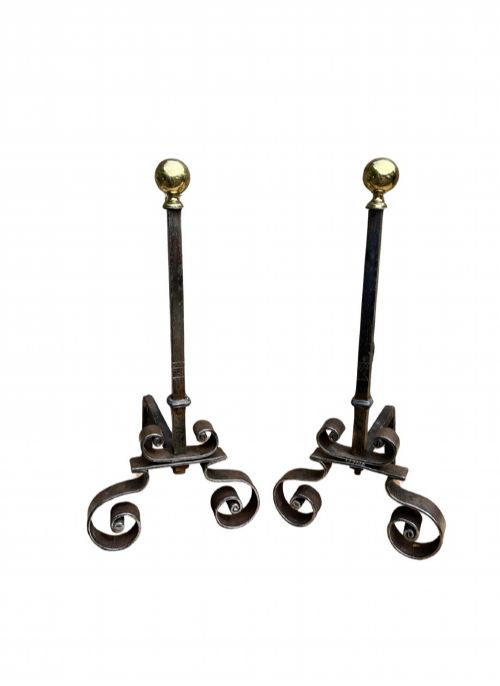
Blacksmiths shaped wrought iron by hand through heating and hammering, producing robust pairs designed for heavy daily use. Cast iron examples emerged from moulds, allowing for intricate surface decoration including animal motifs and gothic tracery.
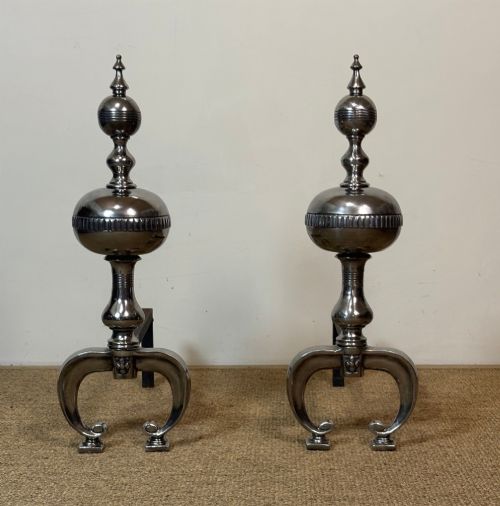
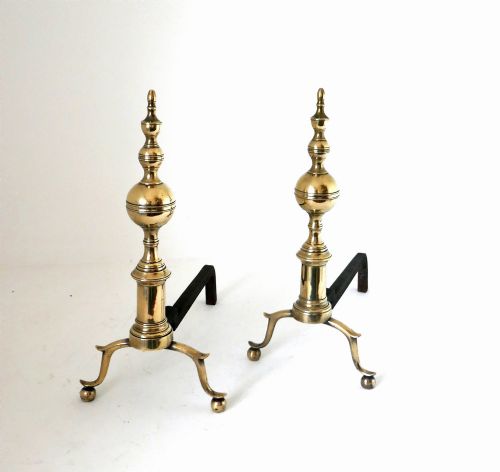
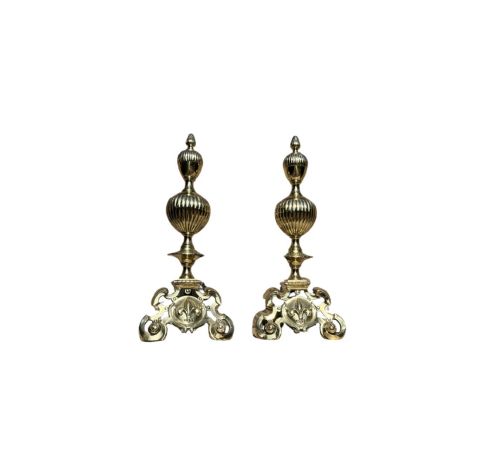
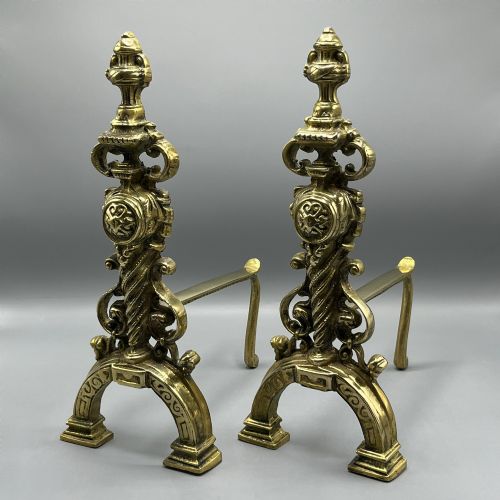
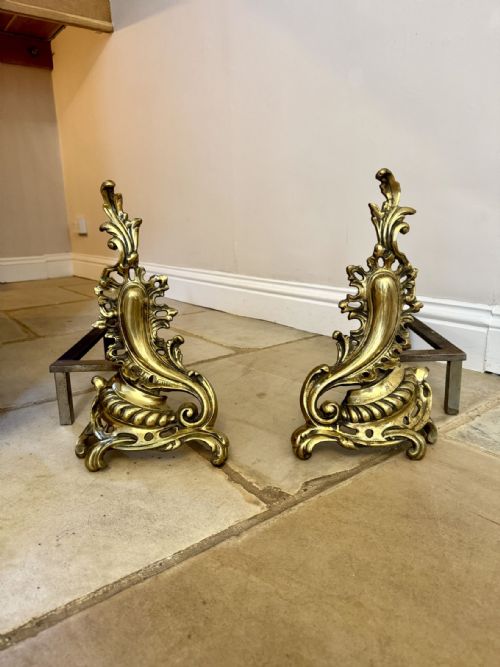
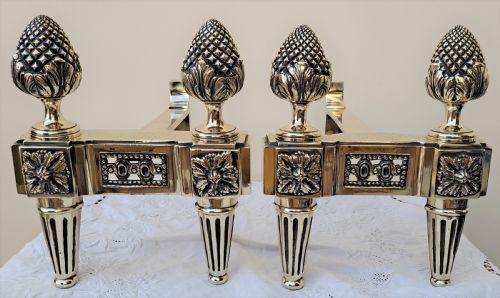
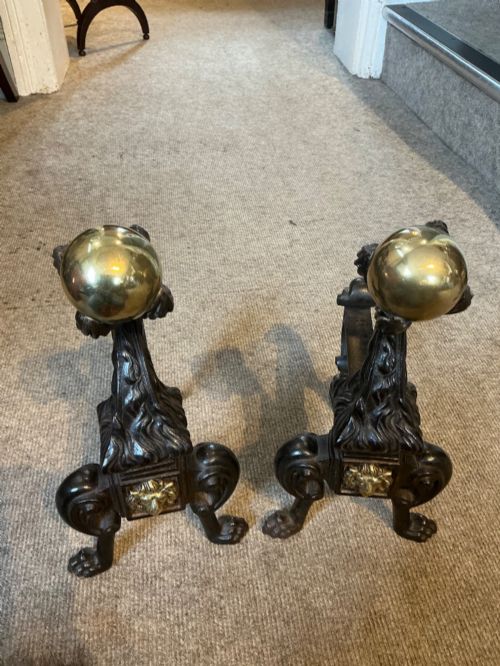
Many items combine iron frames with cast brass or bronze finials, whilst French chenets often integrate ormolu and parcel-gilt details. Hand-forged elements display distinctive tool marks and individual variations stemming from traditional foundry techniques.
Listings feature wrought iron, cast iron, brass, and bronze materials spanning the eighteenth to early twentieth centuries.
Judging Quality and Proportion
Substantial weight and gauge of metal indicate superior manufacturing quality, as heavy bars resist warping under intense hearth heat. Fine examples demonstrate crisp casting definition or skilful hand-forged joining at stress points rather than hasty assembly.
Proportion and stability dictate overall desirability, ensuring upright shafts stand square and support horizontal billet bars securely. Finer pairs retain matching components, original fixings, and harmonious decorative details across both fire dogs.
The Antique Iron Andirons Glossary
- Andiron
- A horizontal metal support raised on legs, used in pairs to hold logs in an open fireplace. They often feature an ornate vertical front standard.
- Chenet
- The French term for an andiron, frequently associated with decorative bronze, brass, or ormolu ornament from the nineteenth century.
- Fire Basket
- A metal container for coal or wood that sits upon or incorporates andirons within the hearth recess.
- Firedog
- An alternative name for an andiron, historically referencing the animal motifs often cast into the vertical uprights.
- Billet Bar
- The horizontal iron bar extending backward from the front standard to support the burning logs.
Antique Iron Andirons: Frequently Asked Questions
How do I use antique andirons?
Place the pair of andirons firmly inside the hearth with the horizontal bars pointing backward into the fireplace recess. Lay your logs across these bars to elevate the wood and allow proper airflow underneath for combustion.
Ensure the heavy uprights face forward into the room to keep the burning fuel securely contained within the hearth area. They function independently or support a matching fire basket between them.
What is the difference between andirons and fire dogs?
The terms are generally interchangeable for the same hearth support object, though regional and period preferences often apply. Historically, fire dogs sometimes specifically described designs featuring animal heads or figures on the upright.
Catalogues and makers use both words to denote heavy metal supports designed to hold firewood. Neither term implies a difference in function or fundamental construction.
Can I use old iron andirons in a modern fireplace?
Many sturdy wrought iron and cast iron examples remain entirely functional for burning wood in open hearths. Verify the dimensions and weight capacity match your specific fireplace opening before lighting any fires.
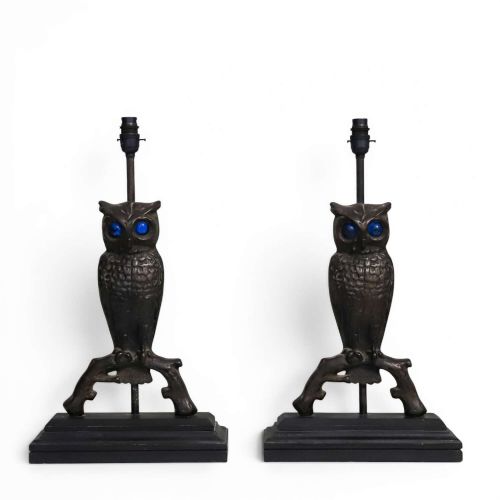
Some lighter decorative pairs or those converted into lamps suit static display rather than active hearth use. Assess the structural integrity of the metal to ensure safe burning conditions.
How do I clean iron and brass components?
Remove surface soot and ash from iron elements using a soft dry brush and apply a light coat of protective grate polish. Avoid harsh chemical cleaners that strip the historic patina accumulated over decades of use.
Polish brass or bronze finials separately with a gentle cloth, taking care not to stain adjacent iron surfaces. Regular dusting preserves the aged metal finish without diminishing its character.