




Polished Brass Planter
These polished brass planter selections offer Victorian and Edwardian metalwork designed to hold greenery.

Polished Brass Planter
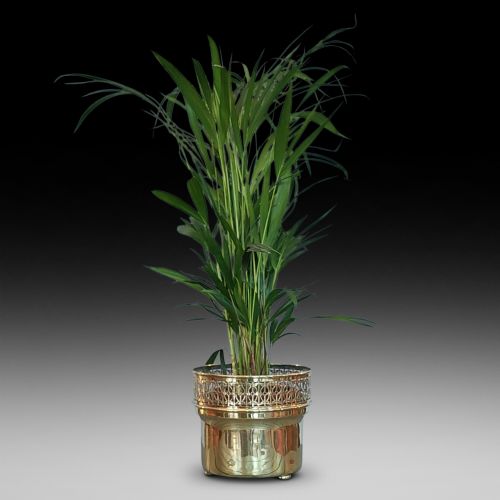
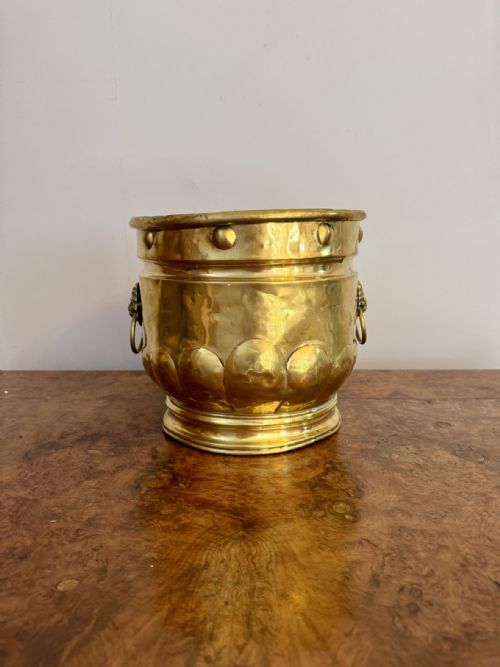
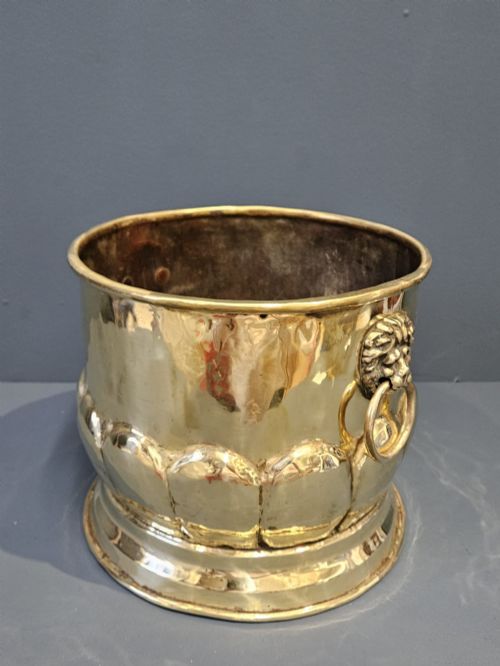
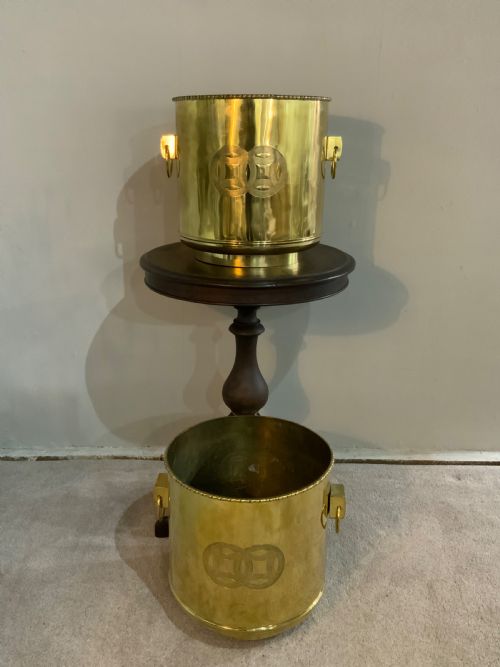
A polished brass planter functions as a decorative vessel for plants, commonly found in Victorian and Edwardian forms. These items appear in various shapes, including cylindrical containers, square plant stands, and large jardiniere bodies.
The objects stem from nineteenth and early twentieth century production, spanning the Victorian and Edwardian eras alongside periods like 1880, 1900, and 1910. Makers utilised copper, iron, tin, bronze, and polished brass to build these vessels.
How they were made
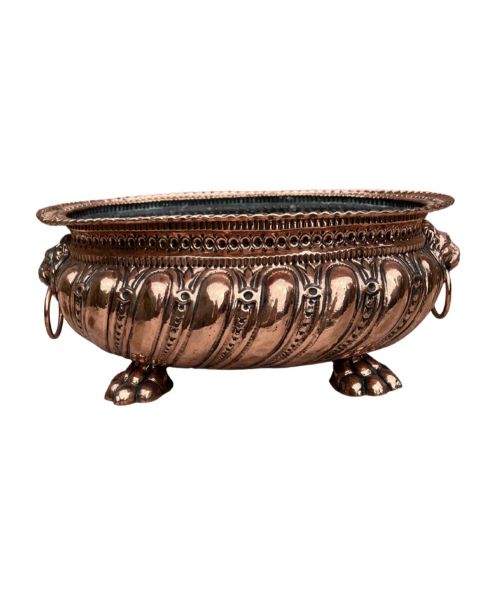
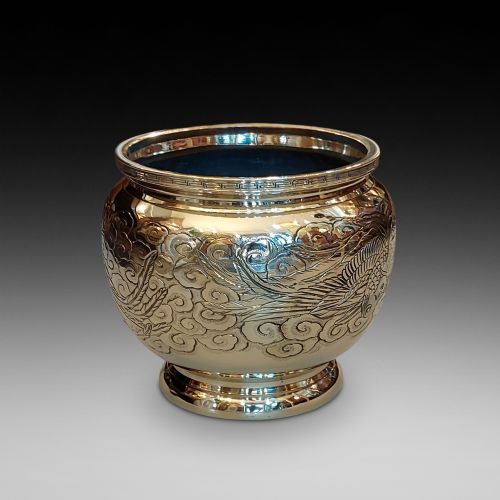
Makers shaped metal through casting, pressing, and embossing techniques to create patterned surfaces on brass and copper. Dinanderie work appears frequently, demonstrating detailed surface decoration across the body of the vessel.
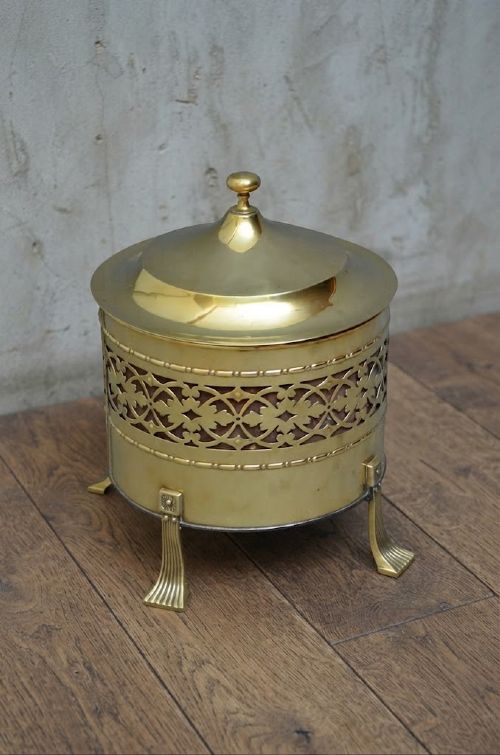
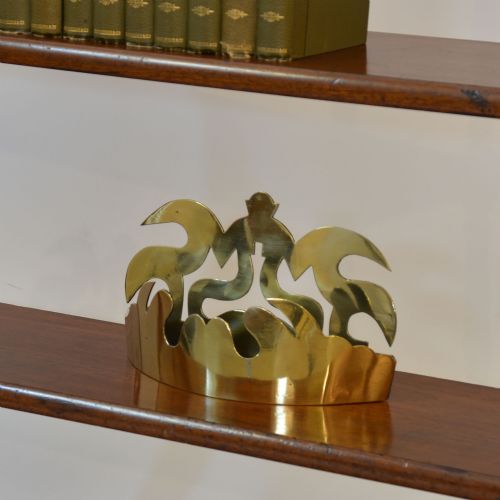
Workshops employed piercing and fretwork methods to produce openwork designs along the rims and walls of planters. Riveted construction joins sheet metal sections together on sturdy buckets intended for logs or coal.
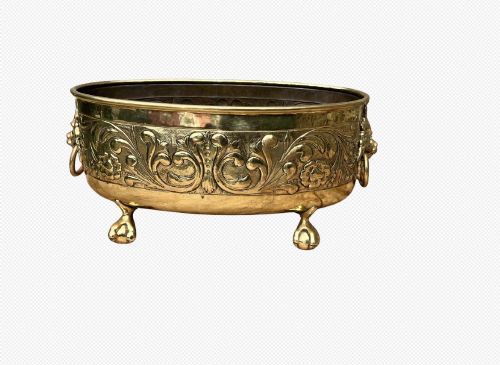
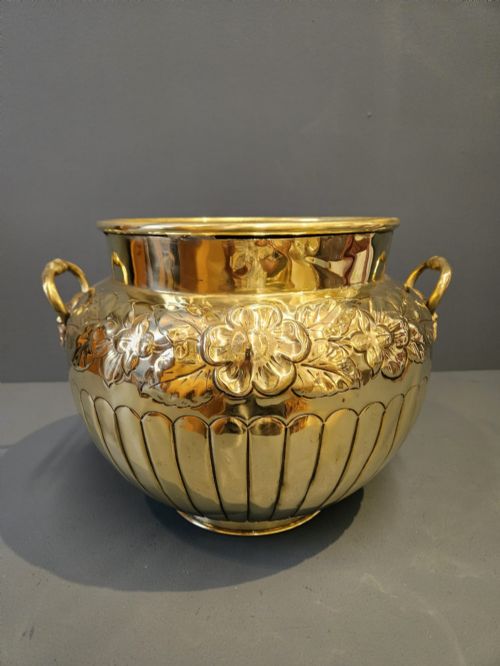
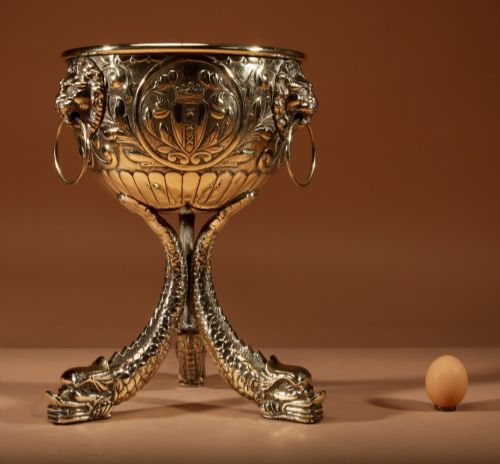
Artisans applied repoussé work to push designs outward from the reverse, producing animal heads, crests, and floral motifs in relief. Original liners of different metal types sometimes accompany the main brass housing.
Polished Brass Planter Retail Price Guide 2026
Typical asking prices for polished brass planter among the pieces listed under this phrase on Sellingantiques today, from the lower quarter to the upper quarter. They describe what is for sale here now, not the wider market.
Materials recorded across the inventory include brass, copper, iron, tin, bronze, and polished brass.
What varies in quality
Thickness and weight of the metal indicate the underlying standard of construction, with heavier gauge brass and copper offering greater structural durability. Solid brass bodies hold their shape more securely than thin pressed alternatives over decades of use.
The crispness of repoussé detailing and hand-finished chasing define the artistic merit of individual pieces. Well-defined animal heads, sharp crests, and intricate fretwork show superior workshop execution compared to softer, worn stampings.
Completeness alters the character of surviving items, particularly the presence of matching original stands, inner liners, or paired formats. Matching pairs and items retaining their original structural components hold distinct appeal for collectors.
J Sankey and Sons
The Polished Brass Planter Glossary
- Jardiniere
- A decorative pot or stand designed to hold growing plants or flowers. These vessels often feature handles or rest upon dedicated bases.
- Dinanderie
- An old term for objects made of brass, copper, or bronze, particularly those featuring engraved or embossed surface decoration. This craft tradition originates from the Belgian town of Dinant.
- Repoussé
- A metalworking technique where the artisan hammers the design from the reverse side to form a raised pattern in relief. This method creates decorative panels on the exterior of planters.
- Cachepot
- An ornamental pot used to conceal an ordinary flowerpot without a drainage hole. These items sit on interior surfaces to protect furniture from moisture.
- Fretwork
- Ornamental work consisting of interlaced or perforated patterns cut into sheet metal. This technique creates openwork borders around the rim of a vessel.
Polished Brass Planter: Frequently Asked Questions
What is a polished brass planter used for?
These vessels serve as decorative holders for potted plants and foliage within domestic interiors. Historical examples also function as cachepots or coal buckets near hearths.
Their robust metal construction allows them to hold heavy plants or fuel safely. Many pieces include watertight properties or inner liners to protect furniture surfaces.
What materials are used besides brass?
Makers frequently utilised copper, iron, tin, and bronze alongside polished brass. Some items combine multiple metals, such as copper bodies with brass rims and handles.
Inner liners often consist of alternative metals to prevent corrosion from wet soil. Iron components typically appear in structural stands or heavy bucket frames.
Are these planters waterproof?
Many examples feature solid metal construction or fitted liners designed to contain moisture from plant watering. Riveted or cast seams generally provide secure containment for everyday botanical use.
Older items require inspection of the base and seams to verify liquid retention. Using an inner pot remains a safe practice for pieces with pierced fretwork or aged seals.
How do I care for polished brass?
Gentle cleaning with a soft cloth preserves the existing surface finish and patina developed over decades. Harsh chemical abrasives should be avoided to protect hand-hammered details.
Keeping the metal dry prevents water spotting on polished surfaces. Natural ageing adds character to copper and brass vessels used in daily settings.