



Polished Brass Cachepot
A polished brass cachepot brings a bright, reflective metallic warmth to a room while holding your favourite plants.
Polished Brass Cachepot
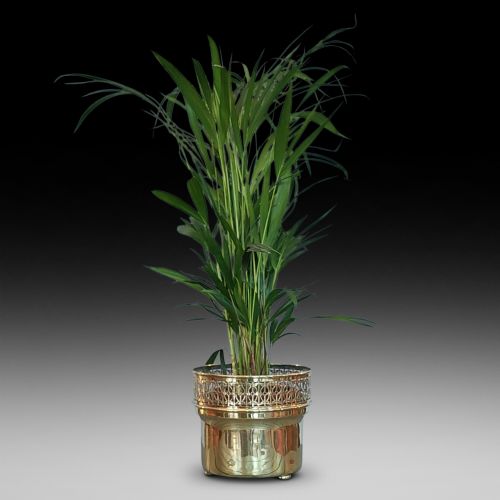
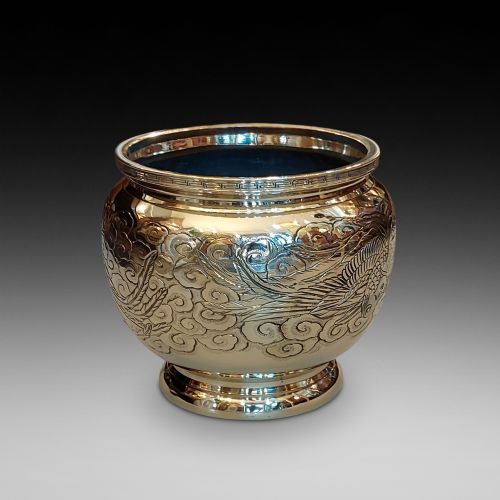
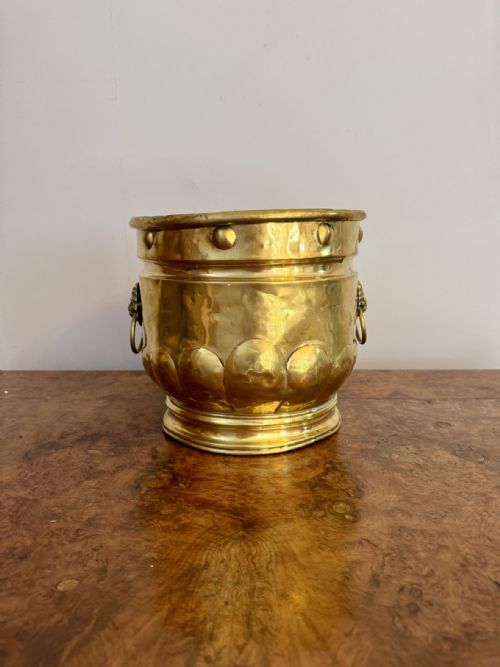
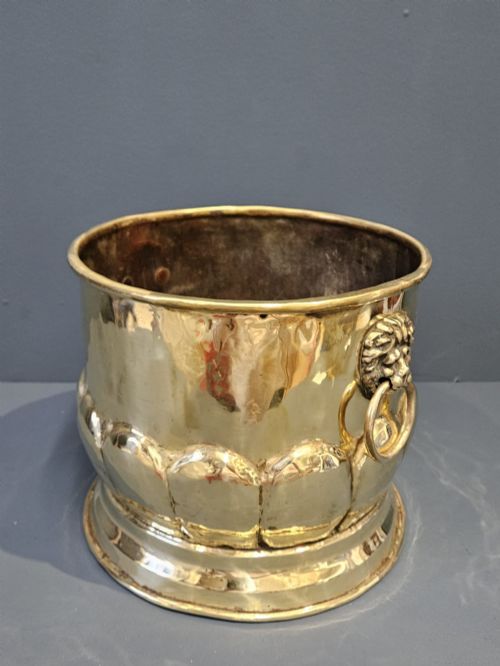
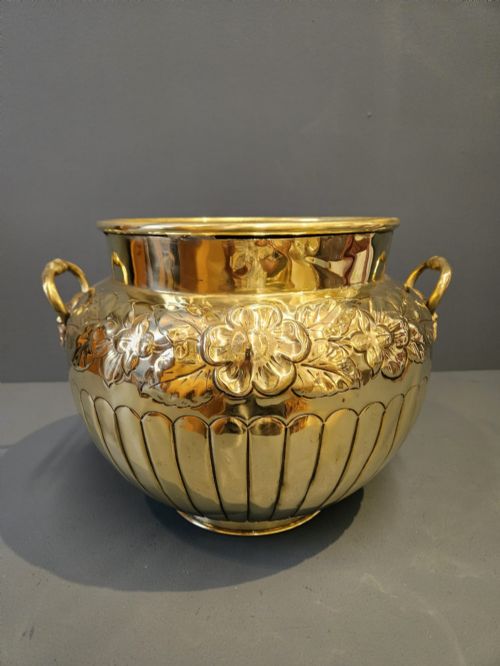
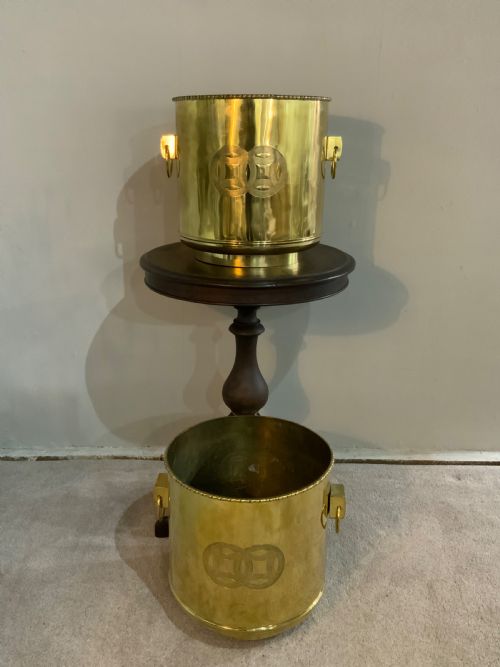
A polished brass cachepot is a decorative vessel designed to hold plant pots, appearing in forms such as jardiniere, cylindrical planter, plant stand, and square form planter. These pieces serve as functional plant holders that elevate household greenery with a finished metallic sheen.
The selections available here span the Victorian, Edwardian, and early twentieth century periods, alongside styles like the Aesthetic Movement. Buyers frequently encounter nineteenth century and nineteen-ten pieces that showcase traditional shapes and generous proportions.
The objects listed take various geometric forms, including cylindrical vessels and square plant stands. Many items feature embellishments such as a crest to the front, pierced metalwork, or fluted body details.
Materials and construction methods
Construction relies upon brass and polished brass, utilising solid metal sheet and cast components to build sturdy plant containers. Makers shaped the metal through techniques such as rolling, piercing, and fluting to create decorative textures.
Surface finishing involves polishing the brass to achieve a bright, reflective appearance across cylindrical bodies and square forms. Details like cast crests and pierced decorative bands are integrated directly into the metalwork structure.
Polished Brass Cachepot Retail Price Guide 2026
Typical asking prices for polished brass cachepot among the pieces listed under this phrase on Sellingantiques today, from the lower quarter to the upper quarter. They describe what is for sale here now, not the wider market.
Materials represented across the inventory are strictly brass and polished brass, formed into jardiniere and planter shapes.
Distinguishing quality in brass vessels
Quality separates through the weight of the metal and the crispness of decorative elements like fluting or pierced patterns. Solid brass construction and substantial wall thickness distinguish superior containers from lighter items.
Design complexity also influences standard, with pieces featuring applied crests or considered French Aesthetic styling sitting at the higher end. The precision of the surface polish and the integrity of the joins complete the distinction between ordinary and finer examples.
The Polished Brass Cachepot Glossary
- Cachepot
- An ornamental pot used to hold a flowerpot and catch water drainage. This French term translates literally to hide pot.
- Pierced brass
- Metalwork decorated by cutting or piercing patterns through the sheet. This technique creates intricate openwork designs across the body of the planter.
- Aesthetic Movement
- A late nineteenth century design movement emphasising visual beauty over narrative or moral themes. Pieces from this style often display refined artistic detailing.
- Fluted
- Decorated with parallel shallow grooves running vertically along the surface. This technique adds texture and structural rigidity to cylindrical metal vessels.
Polished Brass Cachepot: Frequently Asked Questions
What is a polished brass cachepot?
A polished brass cachepot is a decorative metal container designed to hold a potted plant and catch excess water. These vessels conceal ordinary flowerpots while adding a reflective metallic element to interior spaces.
Items in this category range from cylindrical planters to square plant stands, often featuring decorative surface treatments like fluting or pierced patterns.
How were these planters used historically?
Historically, these vessels held indoor potted plants and ferns to bring natural greenery into Victorian and Edwardian parlours and drawing rooms. They protected fine furniture surfaces from moisture while displaying botanical specimens.
Larger versions often stood directly on the floor or on dedicated plant stands, while smaller examples decorated tables and mantelpieces.
How do I identify a Victorian planter?
Victorian planters often display distinct stylistic markers such as cast crests, heavy brass construction, and traditional forms like square plant stands or cylindrical bodies. Aesthetic Movement examples from the late nineteenth century introduce specific artistic detailing influenced by contemporary design philosophies.
Examining the construction methods, such as hand-pierced patterns or heavy gauge sheet brass, helps distinguish nineteenth century manufacturing techniques from later twentieth century production.