



Pink Wool Area Rug
A pink wool area rug brings warmth and traditional pattern to a floor through centuries-old weaving traditions.
Pink Wool Area Rug
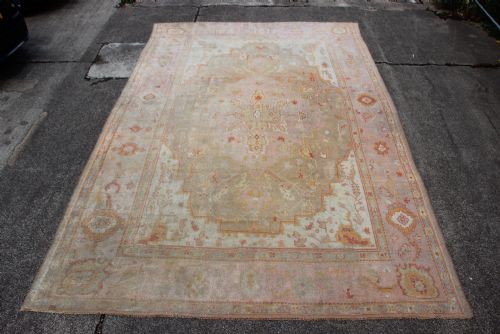
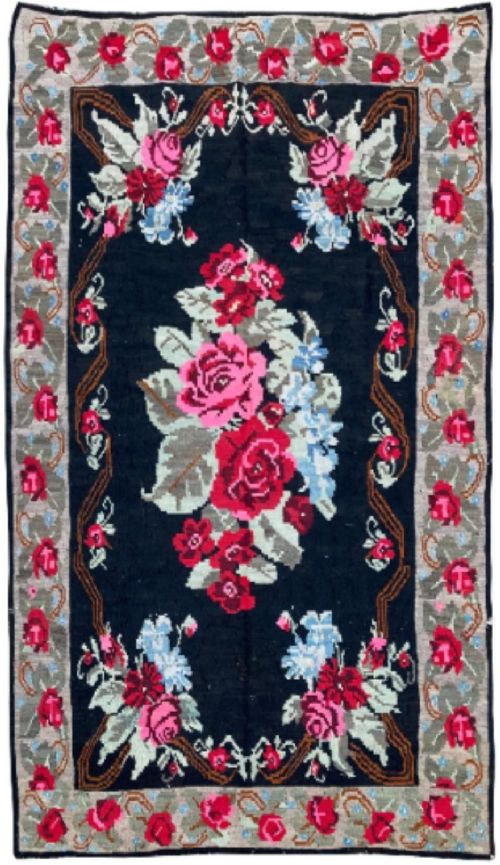
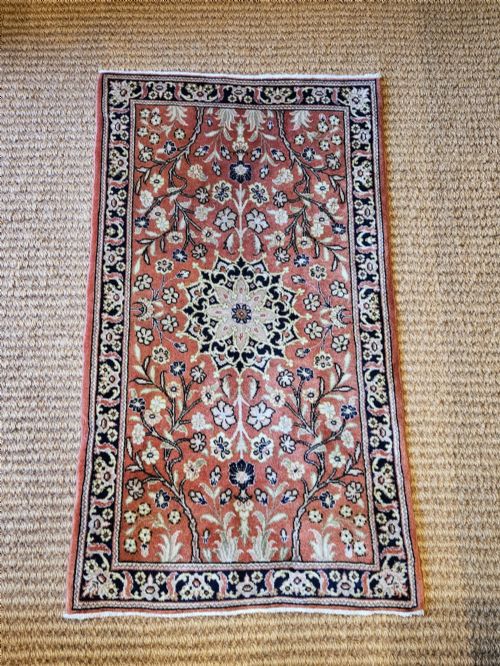
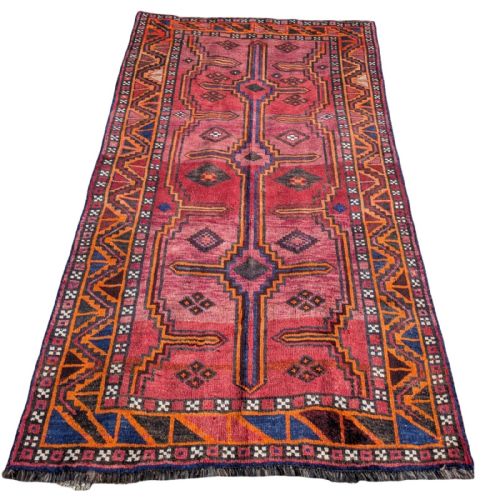
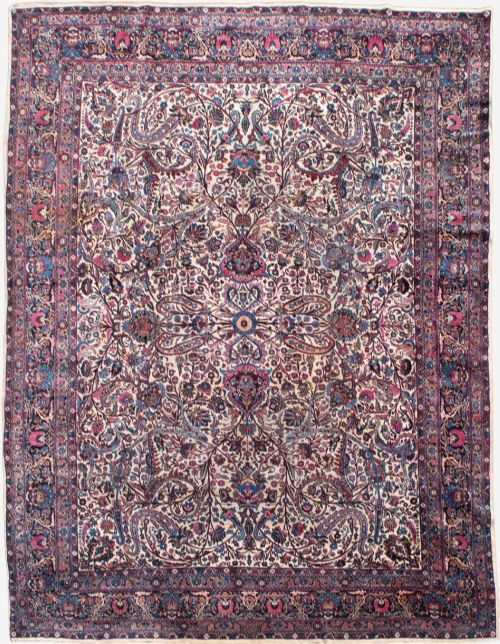
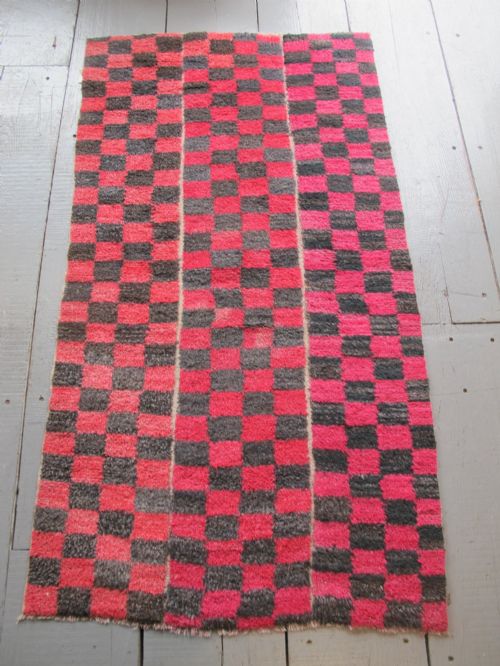
When you search for a pink wool area rug, you encounter hand-knotted and flatwoven floor coverings spanning the nineteenth and twentieth centuries. These pieces originate from Persian, Turkish, Caucasian, and European workshops, featuring traditional regional designs in softer faded tones.
The selection here includes large carpets suitable for principal rooms alongside smaller hearth-sized rugs and meditation pieces. You will find examples ranging from grand Oushak and Kirman carpets to tribal Kurdish and Hamadan runners.
Many of these floor coverings display aged patinas developed over generations of use. The pink ground colours appear in various shades, from pale rose to deeper madder hues, often combined with complementary blues and ivories in the traditional motifs.
Materials and Construction Techniques
The pieces listed here utilise natural wool and cotton fibres, often hand-spun and hand-woven on vertical or horizontal looms. Wool serves as the primary pile material for its resilience and ability to absorb traditional natural and early synthetic dyes.
Foundation structures typically combine wool and cotton warps and wefts to provide stability to the dense pile knots. Certain regional pieces employ specialised flatweave techniques or needlepoint construction methods to achieve their specific textures.
Pink Wool Area Rug Retail Price Guide 2026
Typical asking prices for pink wool area rug among the pieces listed under this phrase on Sellingantiques today, from the lower quarter to the upper quarter. They describe what is for sale here now, not the wider market.
Several rugs retain dates written in the Islamic calendar, reminding us they were stepped on long before television existed.
Assessing Quality and Execution
Quality in these woven pieces rests on knot density, the precision of the design execution, and the quality of the wool used in the pile. Finer examples display intricate drawing and tightly packed knots that ensure durability across decades of foot traffic.
The depth and complexity of the colour palette also distinguish superior examples. Pieces with well-balanced natural dye variations and harmonious fading demonstrate a higher grade of craftsmanship than simpler commercial productions.
The Pink Wool Area Rug Glossary
- Kilim
- A flatwoven carpet or rug produced without a pile by tightly interweaving warp and weft strands. These pieces lie flat on the floor and display sharp geometric patterns.
- Pile
- The upright yarn loops or cut ends that form the soft surface of a rug. This dense upper layer protects the foundational weave underneath.
- Warp
- The stationary vertical threads stretched tightly on a loom before weaving begins. Weft threads pass horizontally through these warp threads to secure the structure.
- Patina
- The surface sheen and softening of colour acquired by wool through age, light exposure, and natural wear. This gradual change indicates long-term history.
- Medallion
- A large central ornamental design motif placed in the middle of a carpet field. Weavers often surround this focal point with intricate floral or geometric borders.
Pink Wool Area Rug: Frequently Asked Questions
How do I clean an antique wool rug?
Antique wool textiles require gentle care to preserve their natural lanolin and historic dyes. Professional cleaning by a specialist familiar with vintage woven carpets remains the safest method.
Regular light vacuuming without a rotating brush helps remove embedded dust without pulling at the hand-knotted pile or fragile cotton foundations.
Can I place these rugs in high traffic areas?
Wool possesses natural elasticity and durability that allows these floor coverings to withstand regular movement. Placing a quality underlay beneath the piece prevents slipping and reduces fibre friction against hard floors.
Larger carpets from traditional weaving centres often served in busy formal rooms, while delicate meditation rugs suit quieter spaces.
How do I identify different regional rug styles?
Regional styles reveal themselves through distinct border arrangements, knotting techniques, and specific motifs like geometric Caucasian patterns or curvilinear Persian florals. Palettes also vary by origin, reflecting local dye availability.
Examining the back of the rug often shows the structural tightness and weave characteristics unique to specific workshops or tribal groups.
What causes the faded pink colours in these rugs?
Decades of gentle exposure to light and natural cleaning gradually soften the initial dyed tones of the wool. This fading creates a harmonious, muted patina valued by collectors.
Madder root and other traditional dye sources age gracefully over time, causing vibrant pink and red fields to mellow into gentle rose shades.