



Pine Cabinet with Drawers
Pine cabinet with drawers pieces bring sturdy utility and warm grain to domestic spaces through centuries of British cabinet-making.
Pine Cabinet with Drawers
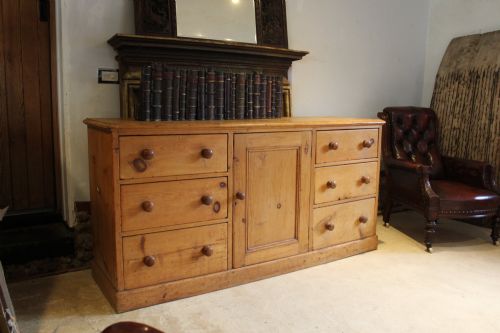
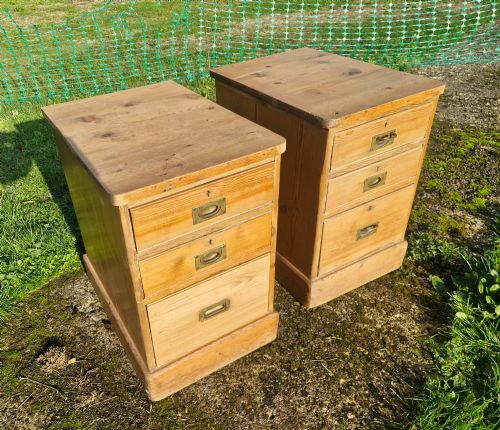
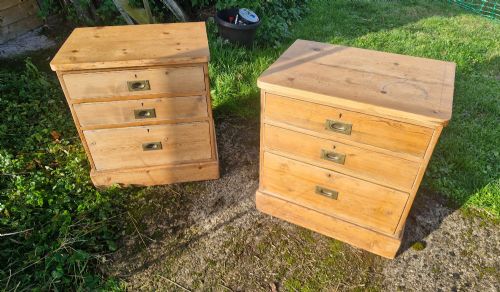
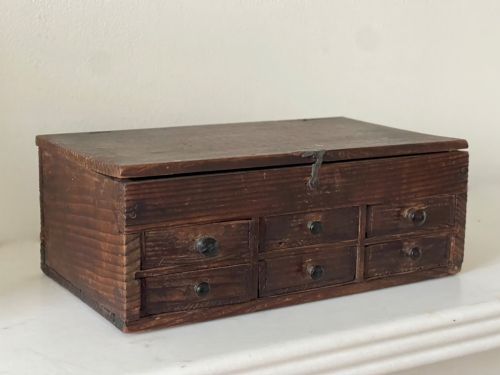
When you examine a pine cabinet with drawers, you encounter practical domestic storage pieces spanning the Georgian, Victorian, and Edwardian eras. The selection on this page ranges from kitchen dresser bases and chiffoniers to bedside cabinets, cupboards, and specialised apothecary or watchmaker banks.
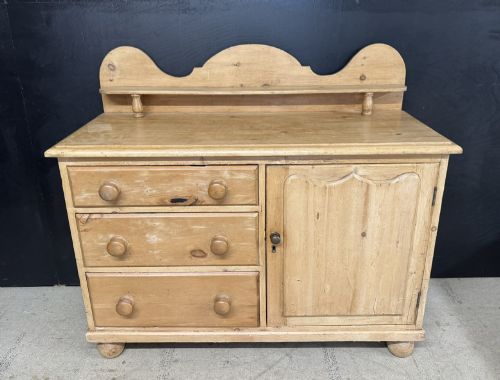
The most common forms you will meet are Victorian and nineteenth-century kitchen dresser bases, alongside wardrobes featuring bottom drawers and compact bedside units. Regional variations such as Cornish, Scottish, and West Country examples appear frequently, reflecting local joinery traditions in solid pine.
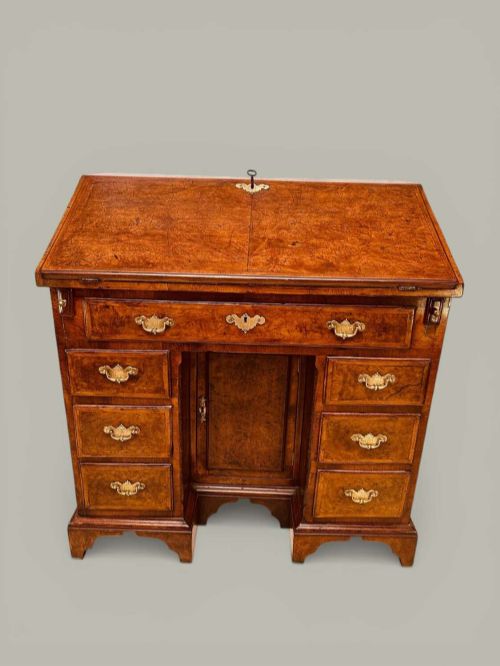
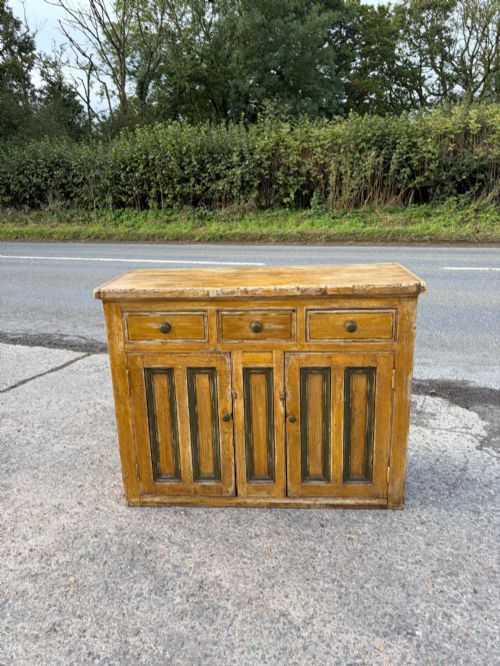
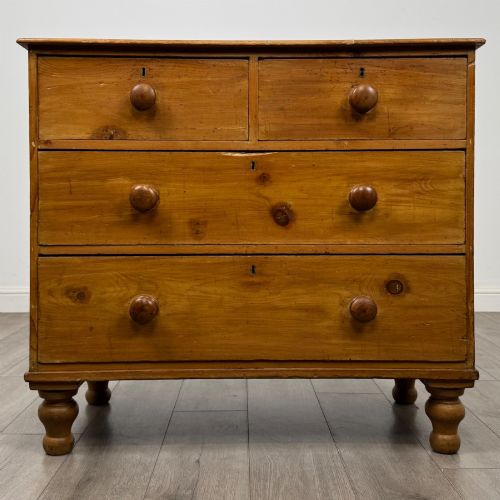
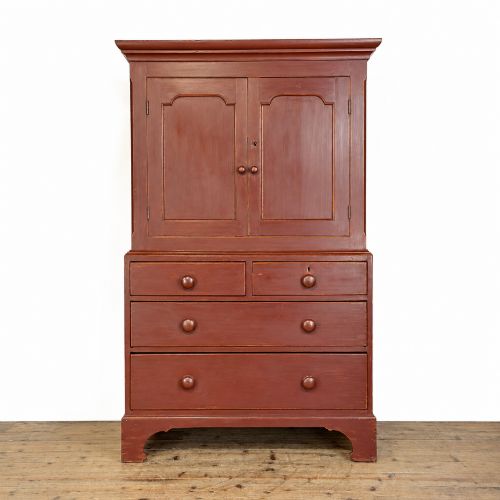
Pieces range from rustic unpainted farmhouse variants intended for waxing or painting to finished items with painted interiors, lead-light panels, or glazed upper sections. Some items combine display shelving with lower drawer space, while others serve as dedicated chests or secretaire desks with writing slopes.
Materials and construction methods
Cabinet-makers relied primarily on solid pine and pitch pine for carcases, drawer linings, and shelving, occasionally utilising oak for specific regional builds like Welsh dressers. Surfaces were left natural and waxed, painted in traditional pigments, or treated with ebonised moulding.
Hardware played a functional role, utilising brass handles, glass panels, iron components, and lead-light framing to secure doors and drawers. Construction methods varied from knockdown wardrobe frames to fitted one-piece storage cupboards and dovetailed drawer boxes.
Pine Cabinet with Drawers Retail Price Guide 2026
Typical asking prices for pine cabinet with drawers among the pieces listed under this phrase on Sellingantiques today, from the lower quarter to the upper quarter. They describe what is for sale here now, not the wider market.
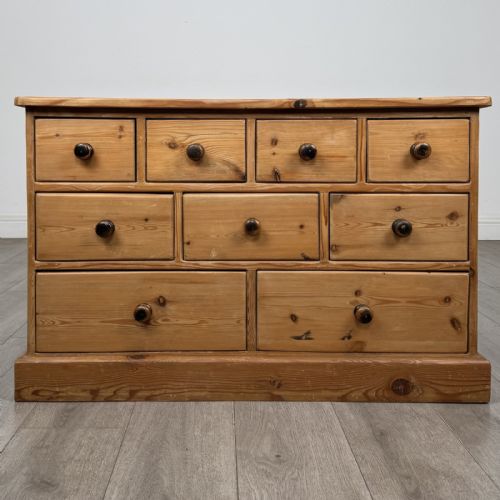
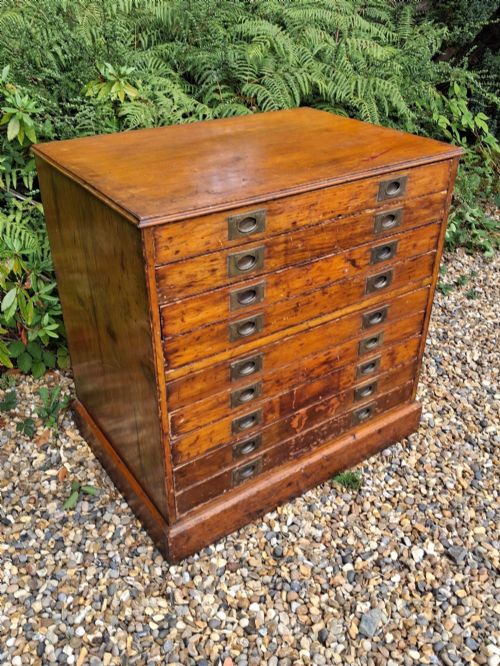
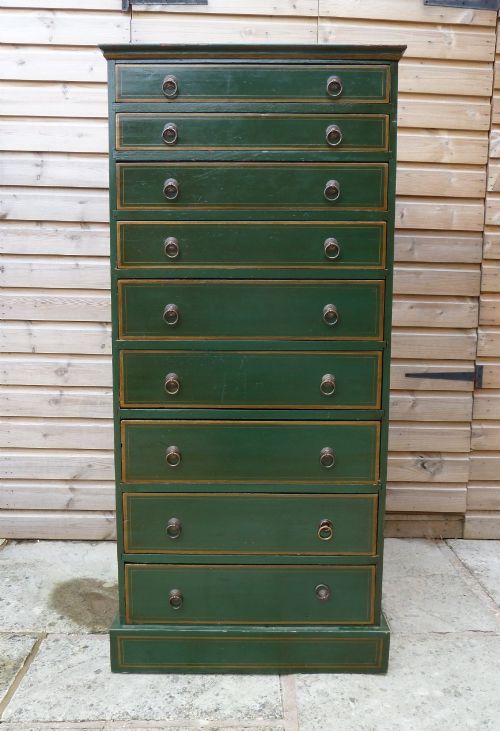
A watchmaker's tall bank of nine drawers survives here, ready to house tiny gears instead of linen.
The spectrum of quality
Quality rests upon the integrity of the original timber and the restraint of subsequent restoration, distinguishing honest domestic utility from over-restored surfaces. Pieces retaining original brass handles, painted finishes, and unaltered drawer configurations hold higher distinction.
Joinery execution sets apart standard workshop output from finer production, visible in the precision of drawer construction, the fit of two-door cupboards, and the subtlety of mouldings. Regional variations also influence desirability, particularly where vernacular details remain intact.
Maple & Co
The Pine Cabinet with Drawers Glossary
- Dresser base
- The lower section of a kitchen dresser, typically comprising cupboards and drawers beneath a flat top surface.
- Chiffonier
- A compact sideboard or low cabinet, often featuring small drawers above enclosed cupboard doors.
- Secretaire
- A cabinet or desk incorporating a pull-down writing slope that conceals internal pigeonholes and secret drawers.
- Lead-light
- Glazing held together by narrow leads, commonly seen in cabinet doors to support coloured or plain glass panels.
- Bread slide
- A pull-out wooden shelf integrated into dresser bases, historically used for cooling bread.
Pine Cabinet with Drawers: Frequently Asked Questions
How do I date an antique pine cabinet?
Examine construction traits, drawer dovetailing methods, and timber characteristics. Eighteenth and early nineteenth-century pieces often display hand-cut joinery and vernacular proportions.
Later Victorian and Edwardian examples incorporate machine-sawn elements, standardised hardware, and different handle styles. Comparing hardware and secondary woods helps confirm the period.
Should I wax or paint my pine cabinet?
Consider the existing finish and historical state of the timber. Many pieces were originally intended to be waxed or painted, and listings frequently note whether a surface is stripped or retains old paint.
If the piece has retained historic paint, preserving it maintains character. Unfinished or stripped pine responds well to traditional beeswax to nourish the wood.
What is the difference between a dresser base and a sideboard?
A dresser base originates from kitchen environments, traditionally offering deep proportions, robust drawers, and sturdy timber construction suited for culinary storage. Sideboards generally emerge from dining rooms, often featuring more formal decorative styling and refined proportions.
Both incorporate drawer and cupboard combinations, but dresser bases usually reflect a more utilitarian country origin.
Are knockdown wardrobes difficult to assemble?
Knockdown wardrobes were engineered for transport between rooms or properties using pegged joints, bolts, or slot-together panels. Assembly requires care to align original timbers correctly without forcing components.
Marking internal parts during dismantling ensures the structure fits back together true and square.