




Pierced Back Chair
A pierced back chair offers a defined silhouette, combining structural timber with a shaped splat that rewards close inspection.
Pierced Back Chair
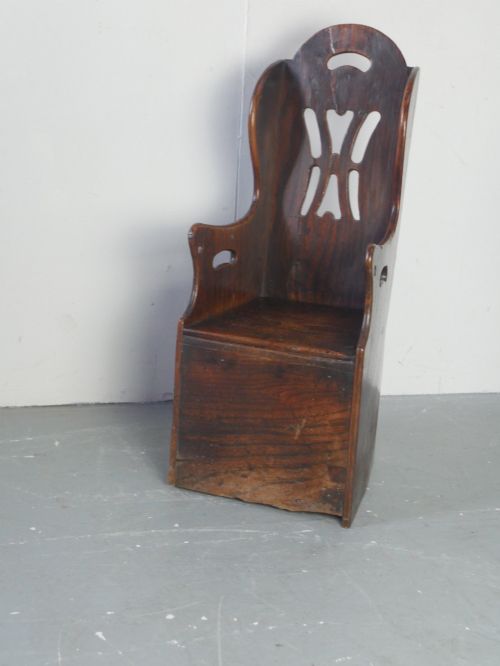
A pierced back chair is a seating form defined by an openwork wooden splat or lattice set into the centre of the backrest. The style spans formal dining seats and rustic kitchen chairs alike.
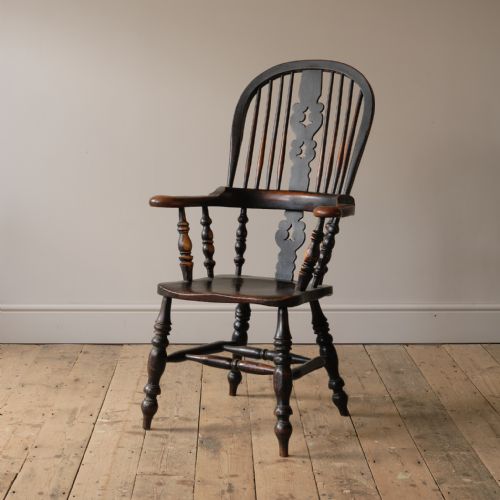
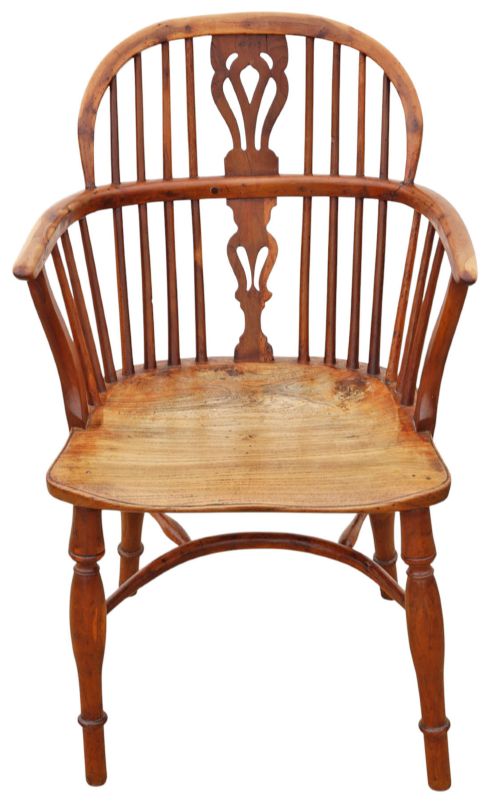
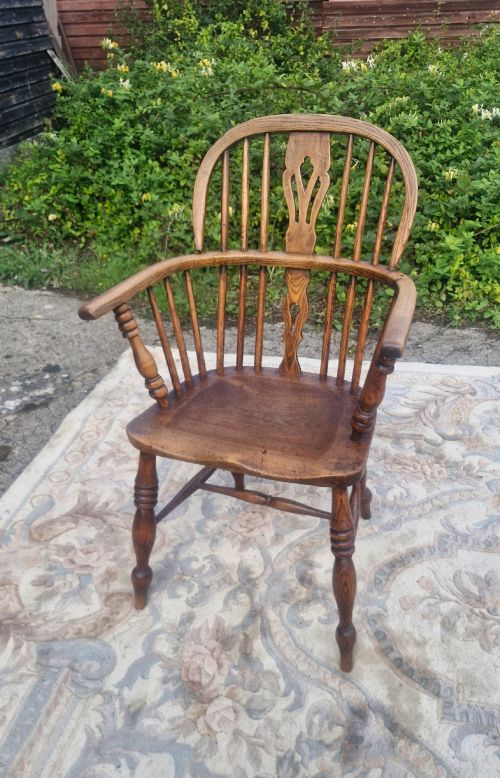
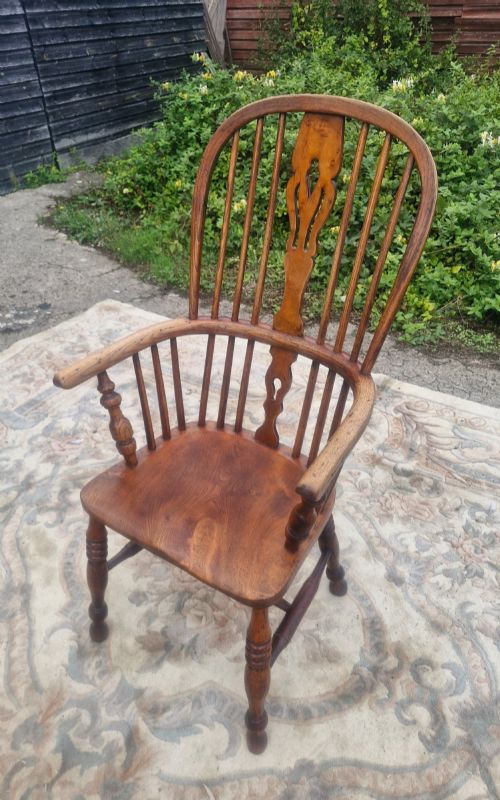
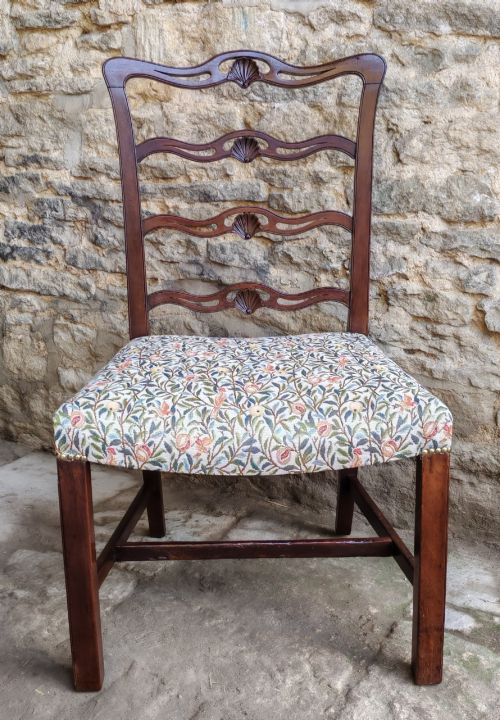
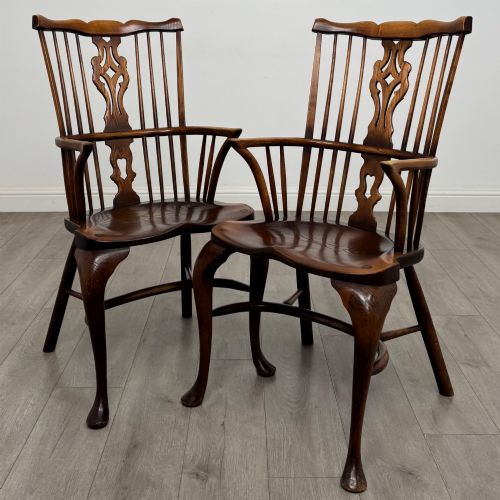
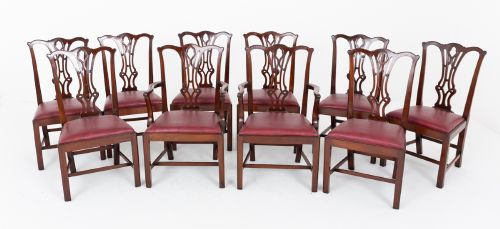
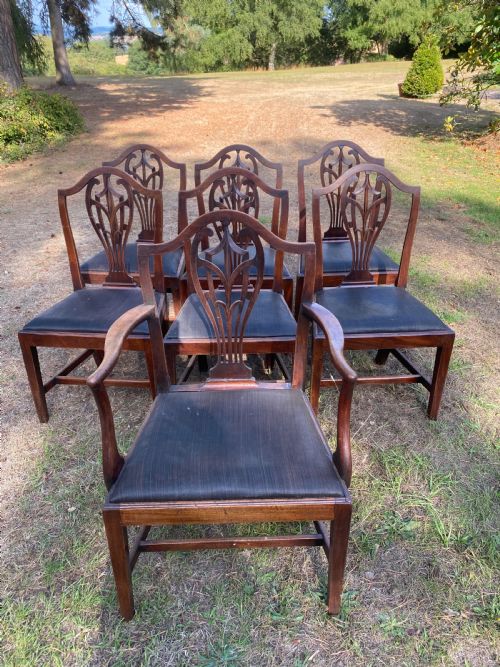
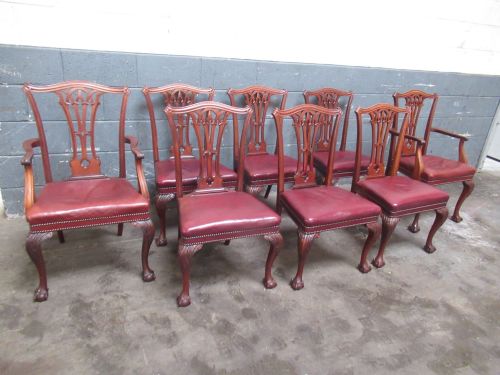
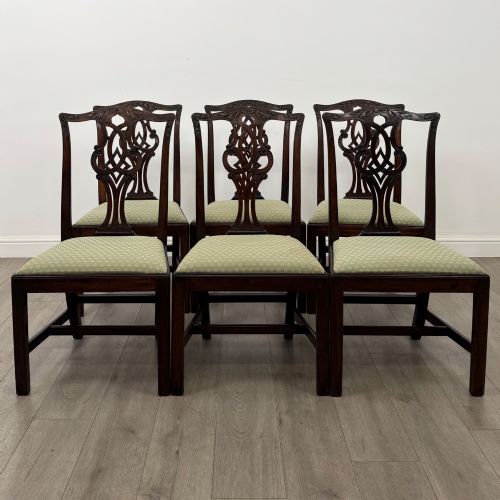
The version most commonly met on this page is the regional Windsor chair, often constructed with a comb or hoop back in elm, ash, and yew wood. Formal mahogany dining and side chairs featuring carved splats also appear across the periods.
Makers produced these chairs for various domestic settings, from country cottages to formal morning rooms and halls. The overarching characteristic remains the pierced element in the backrest, which lightens the visual weight of the timber.
How they were made
Makers utilised native hardwoods such as elm, ash, and yew wood for regional Windsor chairs, often combining steam-bent hoops with turned spindles. Solid mahogany and oak served for formal dining and hall seats, shaped with hand tools and joinery.
The central splat required careful sawing and carving to achieve the characteristic pierced design without compromising the structural integrity of the backrest. Drop-in seats upholstered in fabric or needlework provided comfort in formal varieties.
Object types recorded across the site include armchairs, dining chairs, side chairs, children's chairs, and hall chairs.
What varies in quality
The distinction in quality rests on the crispness of the carving within the splat and the harmonious selection of timber grains, particularly in mixed-wood pieces combining yew and elm. Subtlety in the turning of spindles and the proportion of the arms indicates superior craftsmanship.
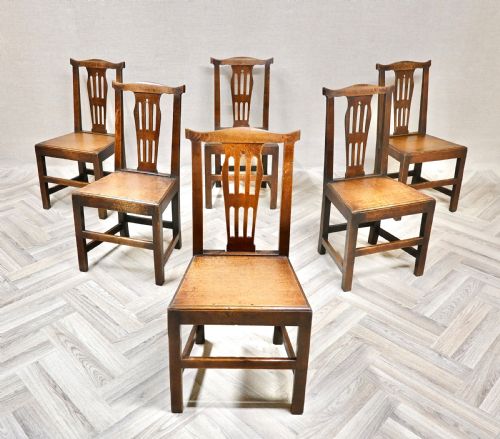
Well-proportioned Windsor arms and deeply shaped seats demonstrate the maker's proficiency. Uniformity across matched sets of dining chairs elevates the standing of the pieces.
The Pierced Back Chair Glossary
- Splat
- The vertical central strip of wood in the back of a chair. It is often shaped, carved, or pierced.
- Windsor
- A traditional wooden chair constructed with a solid elm seat into which the legs, back spindles, and bow are separately fitted. This form developed strong regional variations across the countryside.
- Comb Back
- A Windsor chair variation where the top of the back resembles the teeth of a comb, with vertical spindles rising through a horizontal crest rail.
- Carver
- An armchair, typically designed en suite with a set of smaller dining chairs. The term often denotes an elbow chair with a wide seat.
Pierced Back Chair: Frequently Asked Questions
What is a pierced back chair?
A pierced back chair is a seating design featuring an openwork wooden splat or lattice within the backrest. This construction lightens the visual mass and allows decorative carving to take centre stage.
Examples range from formal mahogany dining seats influenced by Chippendale to rustic country Windsor chairs with shaped wooden slats.
How do I tell a Windsor chair apart?
Windsor chairs are built around a thick wooden seat, usually elm, into which the undercarriage legs and upper spindles are dowelled directly. They lack the standard frame-and-panel construction of formal dining seats.
Look for variations like comb backs, hoop backs, or broad arms to identify regional English types from the eighteenth and nineteenth centuries.
How were these chairs used historically?
These seats served multiple domestic functions depending on their build, appearing around dining tables, in halls, and beside desks. Formal mahogany versions furnished Georgian and Victorian dining rooms.
Sturdier ash and elm variants stood in farmhouse kitchens and vernacular settings for daily domestic tasks.
Can I mix these chairs around a table?
Mixing individual side chairs and carvers from similar periods is a traditional way to assemble a dining set. Matching timber tones and shared vernacular styles help unify eclectic seating arrangements.
Sets of dining chairs also appear intact for those preferring a uniform look around the table.