


1920s Side Chair
A 1920s side chair brings compact period character to a room, offering versatile seating rooted in early twentieth-century design.
1920s Side Chair
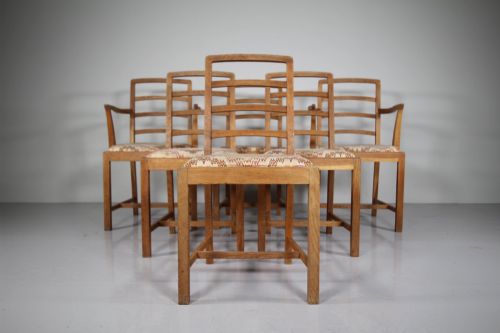
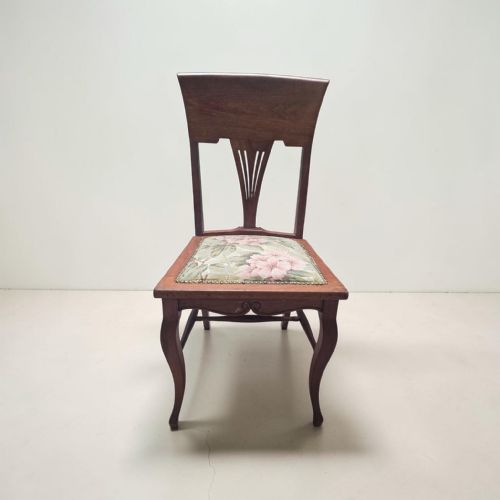
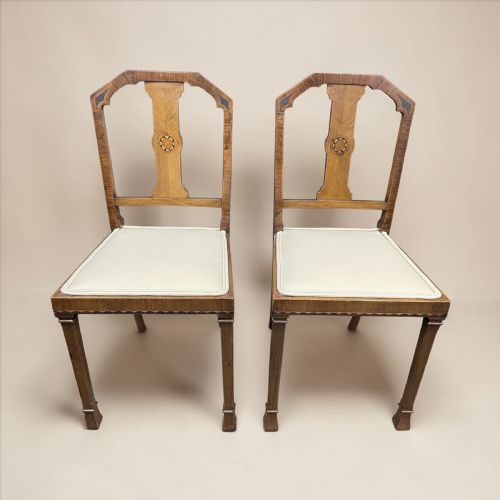
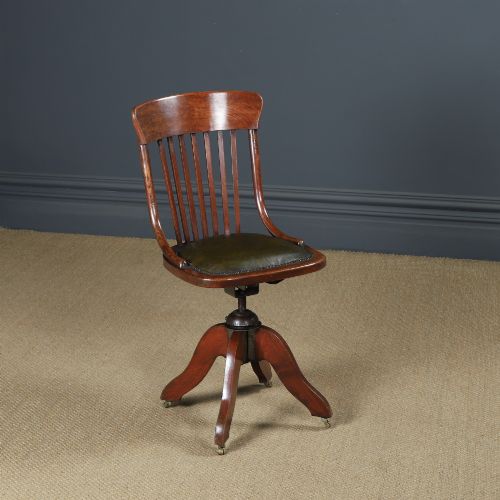
A 1920s side chair encompasses various seating forms from the early twentieth century, including dining chairs, bedroom chairs, and desk chairs. These pieces appear in single items, pairs, and larger sets across the listings.
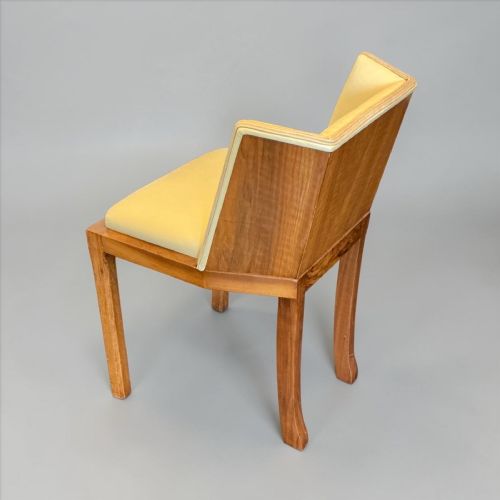
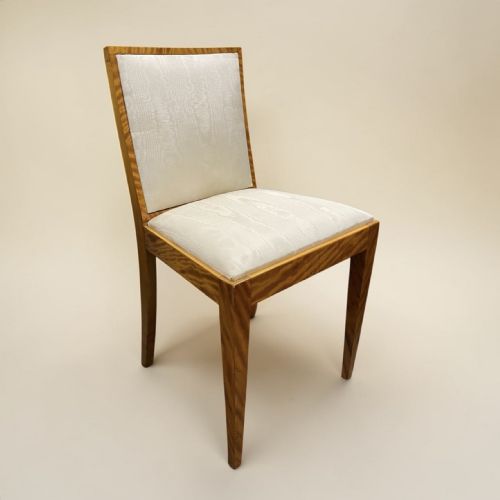
The selection spans distinct stylistic revivals alongside modern movements, showing how cabinet makers reinterpreted earlier aesthetics. Pieces range from straightforward oak dining chairs to elaborate Art Deco forms.
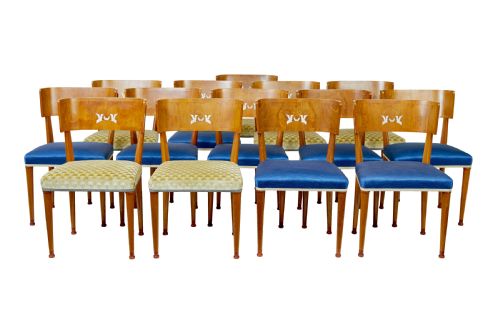
Origins vary across English, French, American, and Swedish workshops, demonstrating distinct regional approaches to domestic seating during this era.
Materials and construction
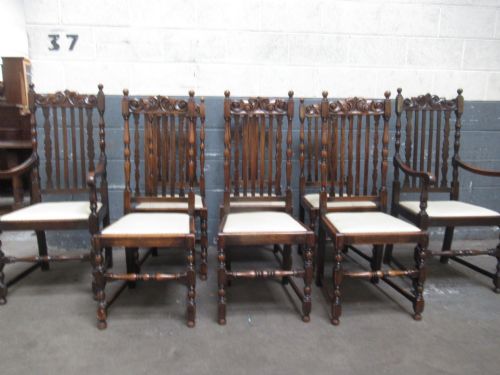
Construction relies heavily on traditional hardwoods such as oak, mahogany, walnut, and elm, often paired with decorative veneer surfaces. Many frames incorporate turned elements, ladder backs, or curved components shaped through steam bending.
Upholstery methods utilise leather, fabric, cane, and rush seating inserts, secured to the wooden frames with careful hand-finishing. Brass details occasionally appear as structural or decorative accents on specific office and lounge variations.
Styles recorded across the current inventory include Art Deco, Art Nouveau, Swedish Grace, George V, and multiple historical revival movements.
Judging quality in period seating
The standard of timber selection and joinery execution largely separates robust examples from simpler workshop production. Grain alignment in veneered surfaces and the tightness of frame joints indicate the level of craftsmanship involved.
Cohesion of style and authenticity of period materials dictate the desirability of revival pieces. Makers who adhered strictly to historical proportions or advanced modernist lines achieved greater visual harmony.
Bath Cabinet Makers
The 1920s Side Chair Glossary
- Side chair
- A chair without arms, traditionally used at the dining table or placed against a wall.
- Art Deco
- A design style of the 1920s and 1930s characterised by sleek geometric lines and stylised motifs.
- Klismos
- An ancient Greek chair form with curved legs and a concave backrest, reinterpreted in twentieth-century modernism.
- Barley twist
- A spiral turning technique used on wooden table and chair legs, popular in revival furniture.
- Rush seat
- A traditional woven seating surface made from dried marsh grasses fitted tightly across a chair frame.
1920s Side Chair: Frequently Asked Questions
What is a 1920s side chair?
A 1920s side chair is an armless seat produced during the early twentieth century, serving multiple domestic functions from dining to desk work.
These chairs reflect a transition period bridging traditional revival styles and emerging modern aesthetics like Art Deco.
How do I identify Art Deco chairs?
Art Deco chairs typically feature geometric silhouettes, streamlined forms, and distinctive materials such as exotic veneers and elm.
They break away from heavy historical ornamentation in favour of clean lines and modernist elegance.
Were these chairs made in sets?
Many dining chairs from this era were produced in sets of four, six, or eight for domestic households.
Single chairs and pairs more commonly served as bedroom chairs, desk seats, or occasional furniture.
What woods were commonly used?
Cabinet makers utilised a range of timbers including oak, mahogany, walnut, elm, and beech for structural stability.
Veneers were frequently applied to create decorative surface patterns on prominent backrests and frames.