


Antique Hardwood Accent Chair
An antique hardwood accent chair brings sculptural form and rich timber grain to a room, offering both seating and a distinct decorative presence.
Antique Hardwood Accent Chair
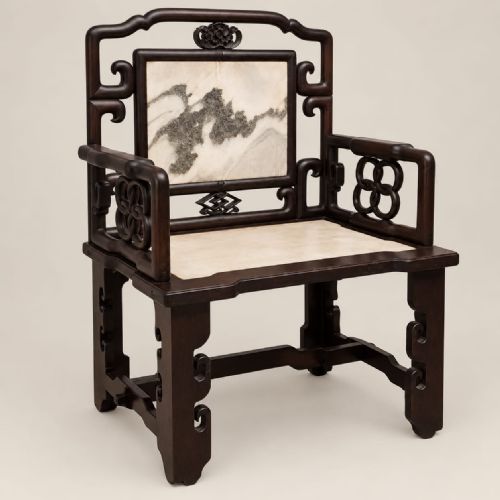
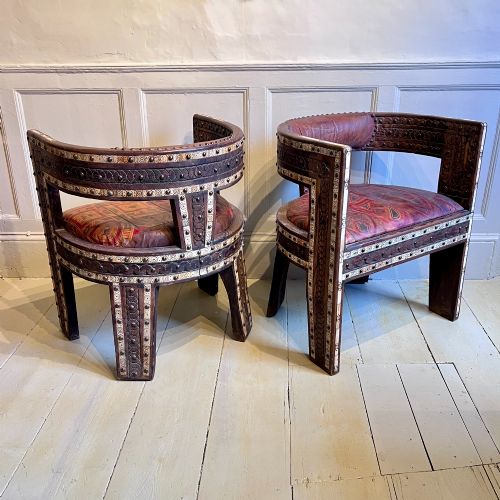
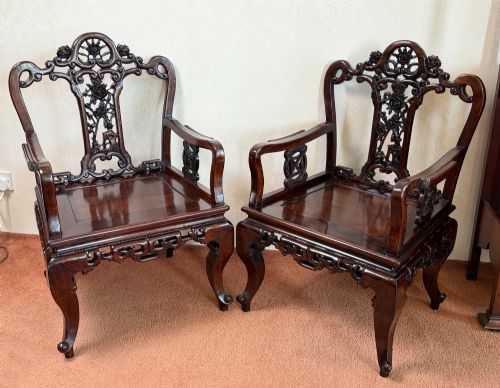
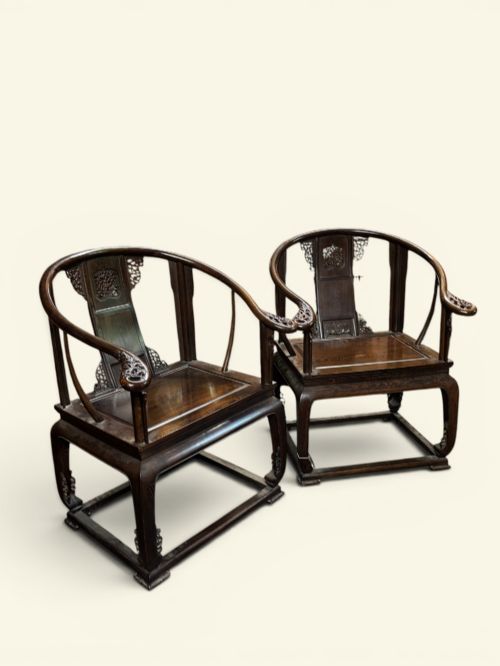
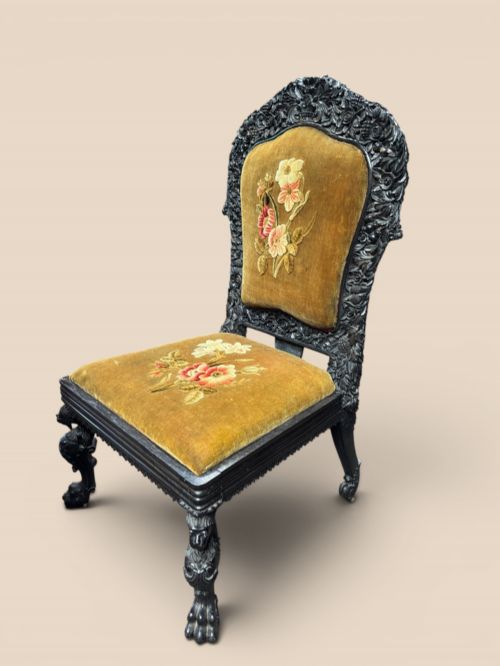
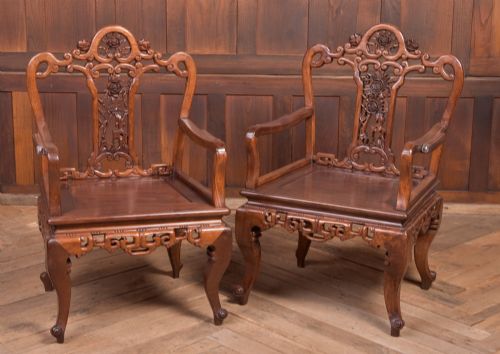
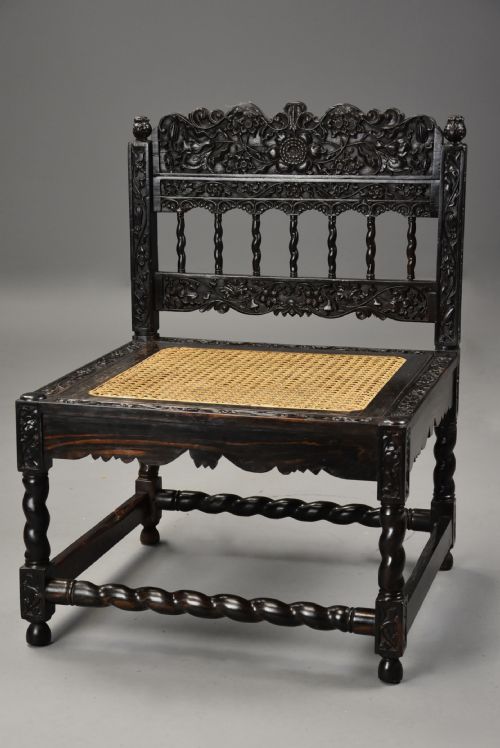
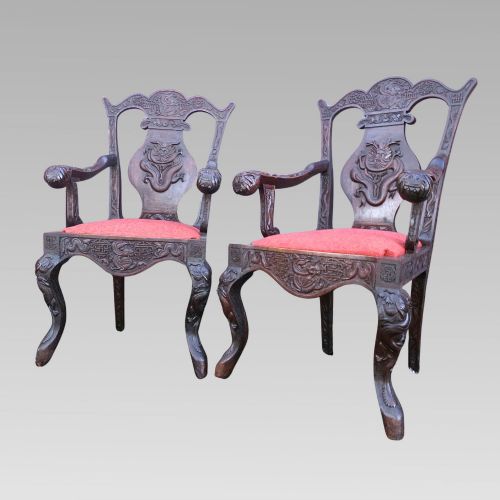
The predominant pieces on this page originate from Chinese workshops, including Qing dynasty designs, along with substantial contributions from Indian, Burmese, and African makers. Forms vary widely from horseshoe-back armchairs and folding chairs to elaborate throne chairs and brass-inlaid Savonarola styles. These seating options function effectively as striking accent pieces due to their sculptural silhouettes and dark timber finishes.
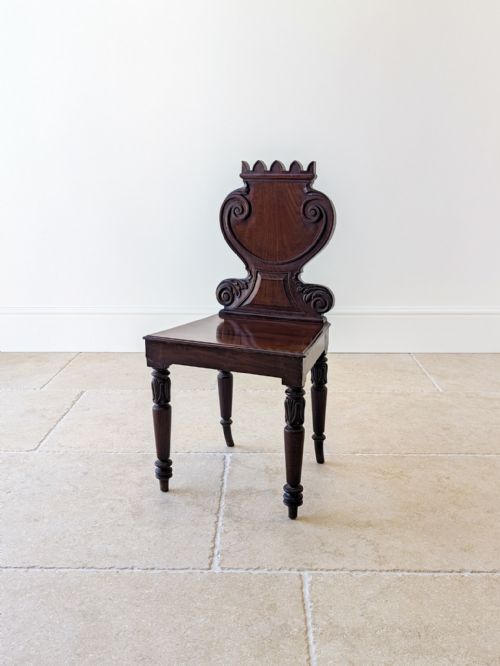
Makers utilised dense native and exotic woods such as rosewood, teak, elm, padouk, and ebony to construct these durable seats. Stylistic influences incorporate Chinese export traditions, Anglo-Indian carvings, Indo-Portuguese craftsmanship, and Cape Dutch forms. Each piece reflects the specific aesthetic and structural demands of its period of origin, from William IV elegance to Art Nouveau French experimentation.
Materials and construction techniques
Carpenters constructed these chairs using heavy tropical hardwoods and traditional dense timbers such as rosewood, teak, elm, and ebony. These robust materials provided the structural integrity necessary for intricate carving and joinery without the need for excessive reinforcement. Artisans frequently integrated contrasting elements like brass inlay and woven cane to accent the polished wood surfaces.
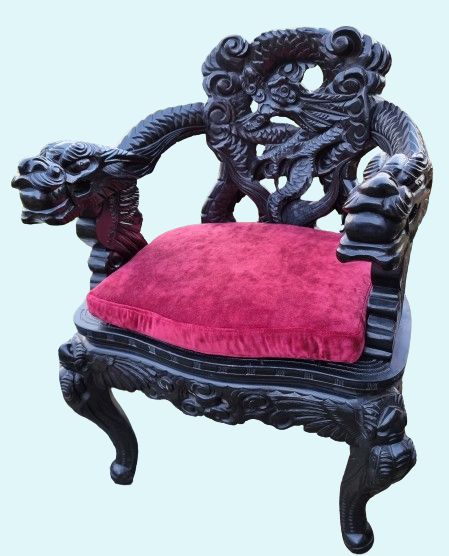
Carving and joinery form the core techniques visible across the inventory, with craftsmen executing deep relief work depicting dragons, floral motifs, and geometric patterns. Regional methods dictate the assembly, from the folding mechanisms of portable armchairs to the rigid frames of throne and hall chairs. Surface finishing relies on natural lacquers and hand-polishing to highlight the natural grain and deep colour of the dark hardwoods.
Listings feature hardwood seating from the 17th century up to the 1930s, utilising rosewood, teak, elm, brass, and cane.
Judging the quality of these chairs
The distinction between standard examples and superior pieces rests primarily on the depth and precision of the hand carving. Finer chairs exhibit crisp, deeply undercut details in the timber, whereas lesser examples display shallow, mechanised, or indistinct ornamentation. The complexity of the design, such as elaborate dragon motifs or intricate brass inlay, also elevates the stature of an individual piece.
The Antique Hardwood Accent Chair Glossary
- Horseshoe-back armchair
- A seating form featuring a continuous curved crestrail that sweeps down to form the armrests. This style originates predominantly from classical Chinese furniture design.
- Savonarola style
- A folding chair constructed from multiple intersecting curved wooden slats forming an X-shape frame. It often incorporates elaborate brass inlay or decorative carving.
- Hongmu
- A traditional Chinese term denoting dense, dark hardwoods often translated as red wood. It includes several heavy, durable timber species prized for fine furniture.
- Throne chair
- An imposing, high-backed seating form designed for ceremonial use or status display. These pieces usually feature extensive carving and heavy timber construction.
Antique Hardwood Accent Chair: Frequently Asked Questions
Where should I place an accent chair?
These chairs function effectively in hallways, studies, or corners where a sculptural silhouette adds visual weight. Their strong timber grains and carved details allow them to stand independently as focal points in a neutral room.
Because many examples feature ornate backs or brass inlay, positioning them where the profile remains visible yields the best aesthetic result. Avoid placing delicate cane seats in areas of direct, harsh sunlight to preserve the organic materials.
How do I care for antique hardwood?
Maintain the finish by applying natural beeswax sparingly and buffing gently with a soft cloth to nourish the dry timber. Keep the furniture away from direct heat sources and sudden temperature shifts to prevent wood splitting.
Dust intricate carvings regularly using a soft-bristled brush to prevent debris accumulation in the recessed details. For cane elements, a light wipe with a damp sponge helps maintain moisture and prevents snapping.
Are these chairs comfortable for daily use?
Many historical forms prioritize upright posture and formal presentation over modern lounge comfort. Low chairs, throne chairs, and rigid hall seats suit brief periods of sitting rather than extended lounging.
Armchairs with broader proportions and horseshoe backs offer a more supportive sit for regular use. Adding a subtle, period-appropriate cushion can enhance comfort without obscuring the timber frame.
How do I identify Chinese export pieces?
Chinese export furniture often combines traditional Qing dynasty forms with decorative motifs tailored for Western tastes. Look for dense hardwoods like teak and rosewood shaped into recognizable silhouettes such as horseshoe-back armchairs.
Construction methods typically rely on traditional mortise and tenon joinery without metal fasteners. The presence of brass inlay or specific regional carving styles helps distinguish these pieces from domestic European equivalents.