






Hardwood Dining Chairs
These hardwood dining chairs bring global craftsmanship and rich timber tones straight to the table.
Hardwood Dining Chairs
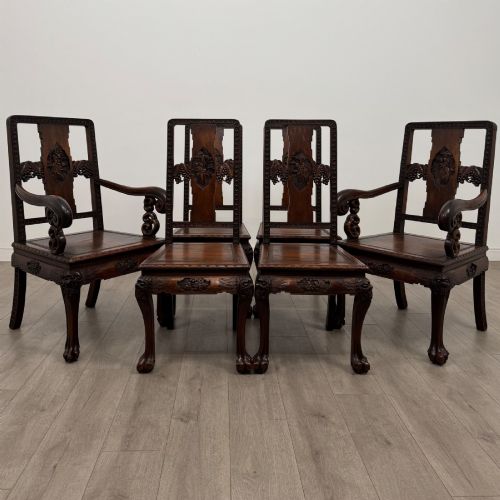
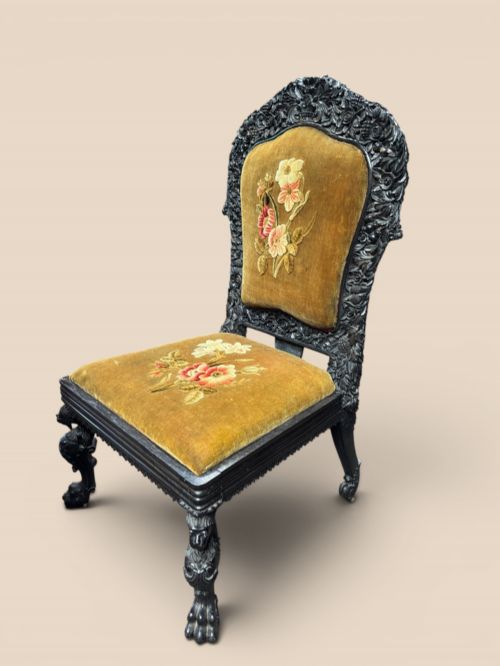
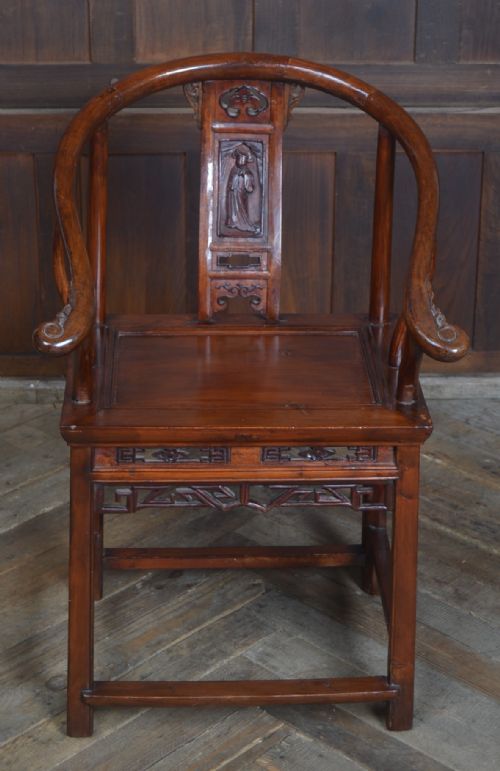
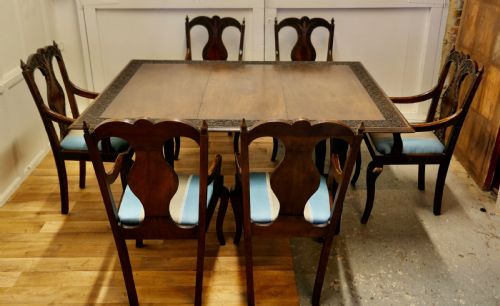
When you search for hardwood dining chairs, you encounter a remarkably diverse selection spanning Chinese export designs, Anglo-Indian craftsmanship, and Cape Dutch forms. These pieces range from substantial armchairs and hall chairs to matched dining sets intended for formal seating.
The versions most commonly met on this page originate from the eighteenth and nineteenth centuries, reflecting distinct regional styles like Qing Dynasty aesthetics and English country traditions. They frequently appear as pairs or larger sets, making them practical for modern interiors whilst retaining historical character.
Materials and construction
The construction relies heavily on dense timbers such as ebony, padouk, rosewood, and huanghuali, chosen for their durability and striking grain. Artisans employed traditional joinery alongside intricate hand-carving to ornament the frames with elaborate motifs.
Selected examples incorporate contrasting elements like woven cane seating, fabric upholstery, velvet, and delicate lacquered finishes. These textured additions complement the heavy structural woodwork and provide varied seating surfaces.
The inventory records distinct regional movements including Anglo-Indian, Cape Dutch, and Qing Dynasty styles across various armchairs and side chairs.
Assessing quality and craftsmanship
The standard of carving distinguishes exceptional pieces from simpler utilitarian seating, with finer examples displaying deep, crisp relief work across the backrests and legs. The choice of dense exotic timbers also dictates the overall weight and structural integrity of the frame.
Preservation of original surface treatments, such as rich polish and intact cane or upholstery, elevates a chair's standing. Consistency within matched sets further separates high-grade dining suites from assembled groups.
The Hardwood Dining Chairs Glossary
- Padouk
- A heavy tropical hardwood prized for its deep reddish-brown tone and robust durability. It takes a fine carved finish and appears frequently in nineteenth-century Burmese and colonial pieces.
- Side chair
- An upright chair without arms designed primarily for use at a dining table. These forms prioritise a compact footprint and supportive back.
- Cane
- Woven rattan material used to form breathable seat panels and back inserts. This technique lightens heavy timber frames and provides flexible support.
Hardwood Dining Chairs: Frequently Asked Questions
How do I clean hardwood dining chairs?
Dust the timber regularly with a soft, dry cloth to prevent grit accumulation on the carved surfaces. Avoid harsh chemical sprays that might damage historical polishes and delicate lacquered finishes.
Condition the wood periodically using a quality furniture wax suited to dense tropical timbers. Keep upholstered or cane sections clean by gentle brushing according to their specific material needs.
Are these chairs suitable for daily use?
Many of these historical pieces were built from dense hardwoods designed for enduring functionality. Their robust joinery typically handles regular seating when treated with reasonable care.
Consider the delicate nature of intricate carvings or aged cane inserts before placing them in heavy traffic areas. Protective pads on chair legs help prevent unnecessary wear on historical frames.
How do I identify Chinese export styles?
Chinese export furniture often combines traditional domestic joinery methods with decorative motifs tailored for Western markets. Look for distinct regional woods such as huanghuali alongside characteristic structural proportions.
Examine the integration of carving styles that bridge Eastern craftsmanship and European dining room requirements. These pieces frequently date from the eighteenth and nineteenth centuries.
Can I mix different regional styles?
Combining pieces from varied origins such as Anglo-Indian and traditional Chinese creates a layered, collected interior. Focus on matching timber tones or scale to maintain visual harmony around the dining table.
Pairing armchairs at the table heads with simpler side chairs along the sides offers a traditional arrangement. Diverse historical styles often complement each other through shared qualities of dense hardwood construction.