
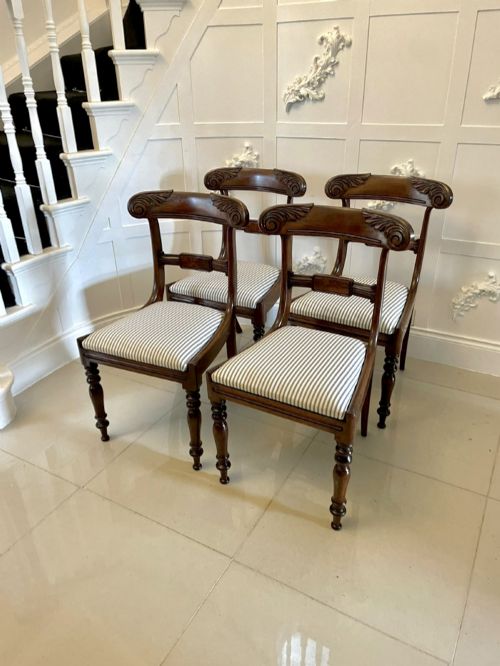
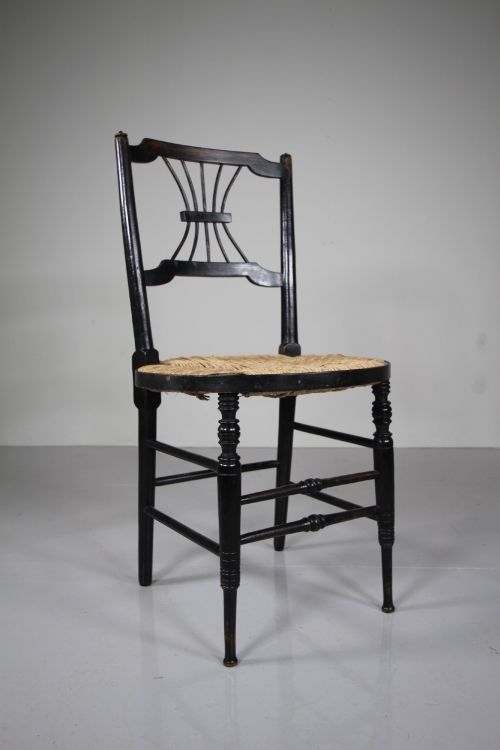


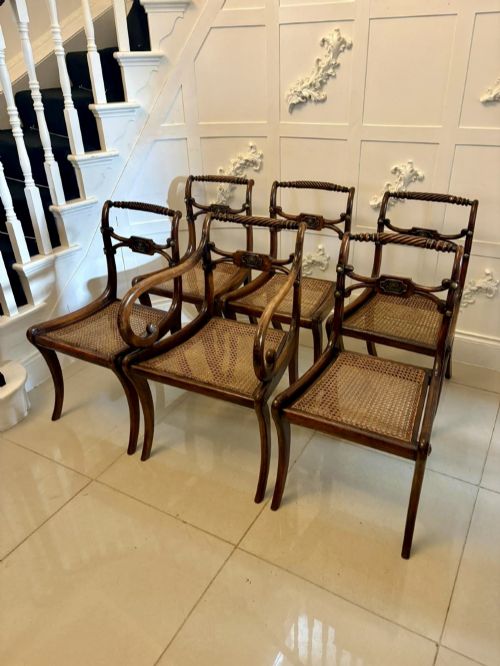
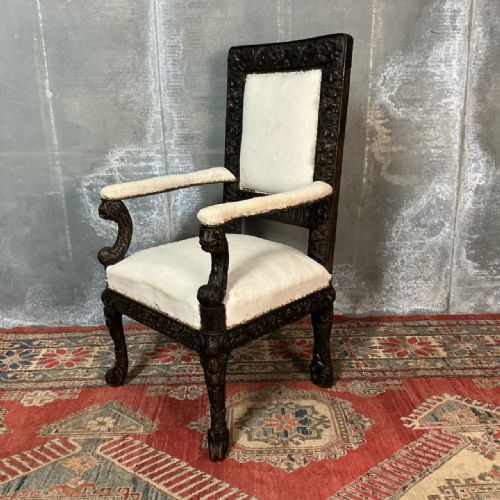
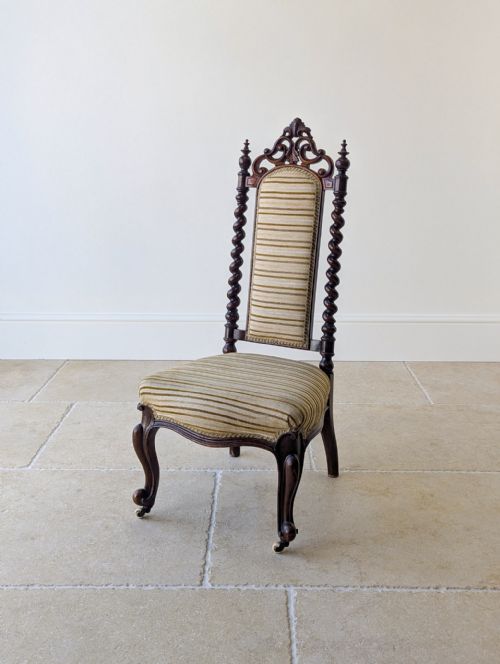
Nineteenth Century Side Chairs
Nineteenth century side chairs bring practical seating and period character into a room, offering sturdy wood frames and classic upholstery.
What nineteenth century side chairs are
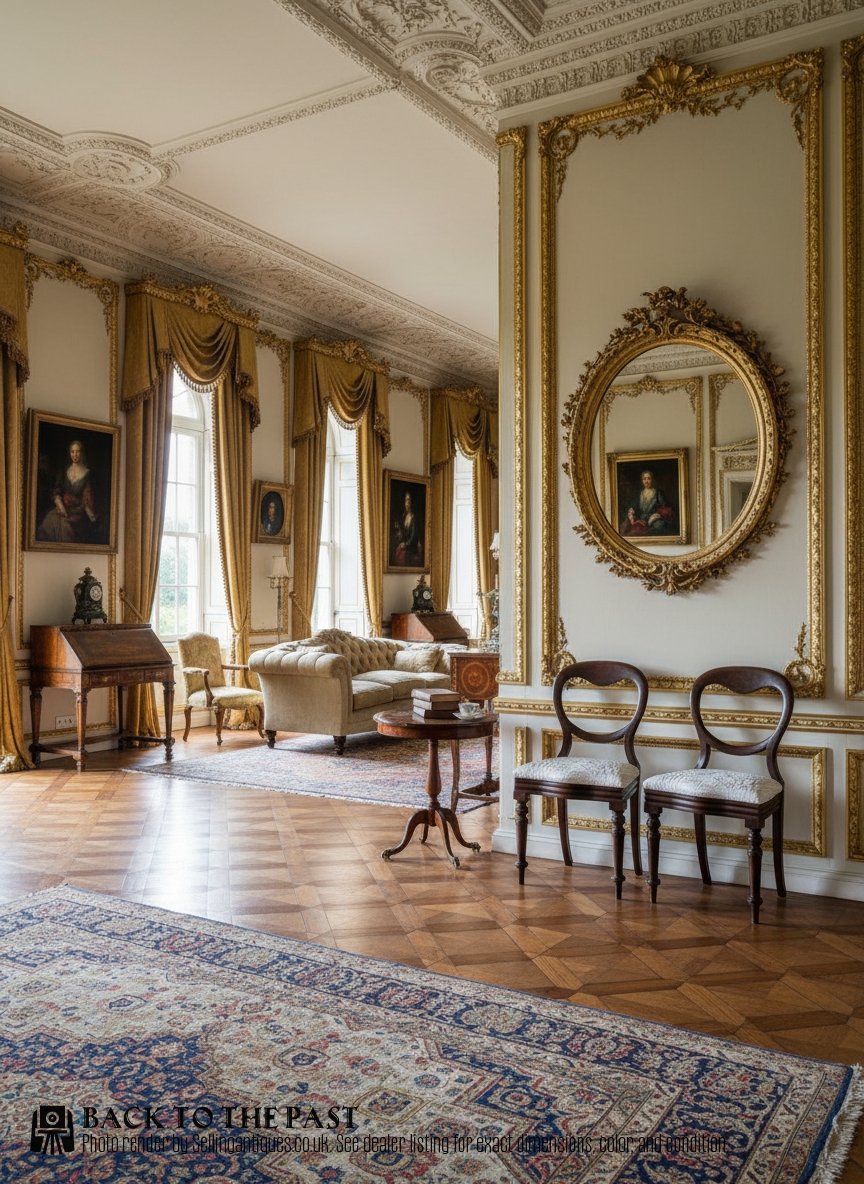
Nineteenth century side chairs comprise dining and occasional seating from the Victorian and Regency eras. These pieces appear almost exclusively in pairs throughout the current selection.
The recorded examples span the middle and latter parts of the century, specifically featuring pieces dated around eighteen fifty and eighteen sixty alongside broader nineteenth century datings.
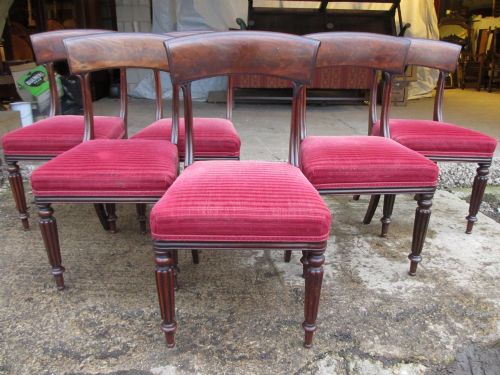
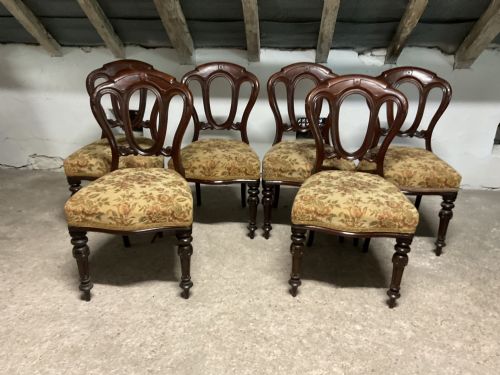
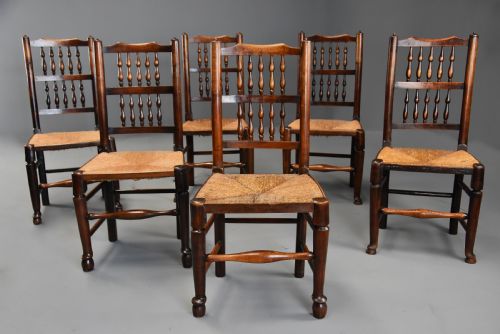
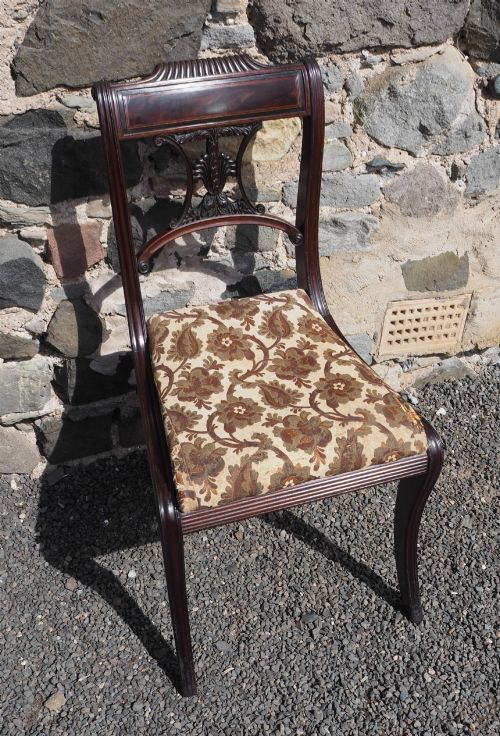
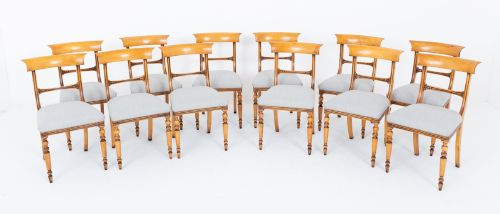
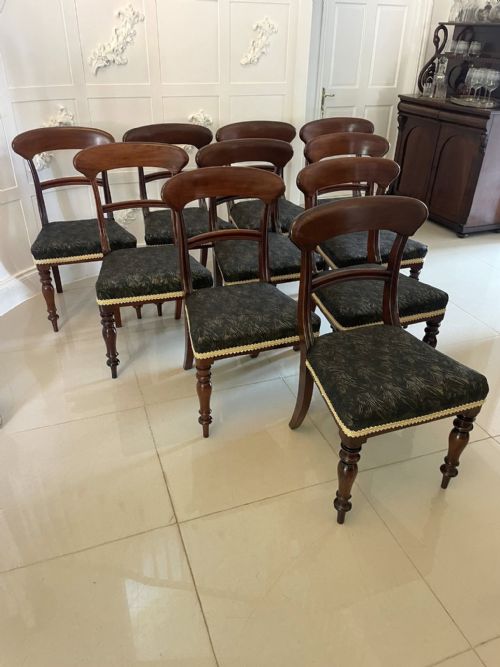
Forms include balloon back profiles and traditional side chair shapes designed to sit against a wall or around a dining table when not in use.
How they were made
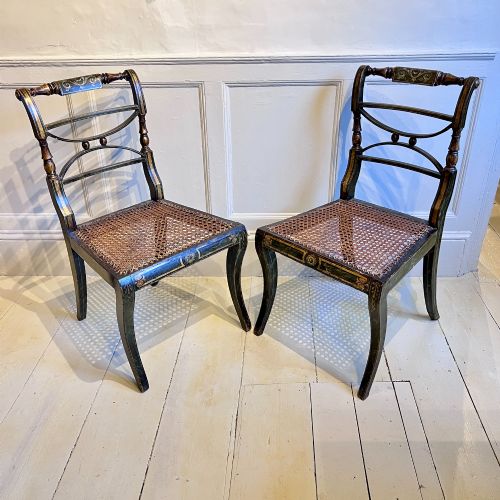
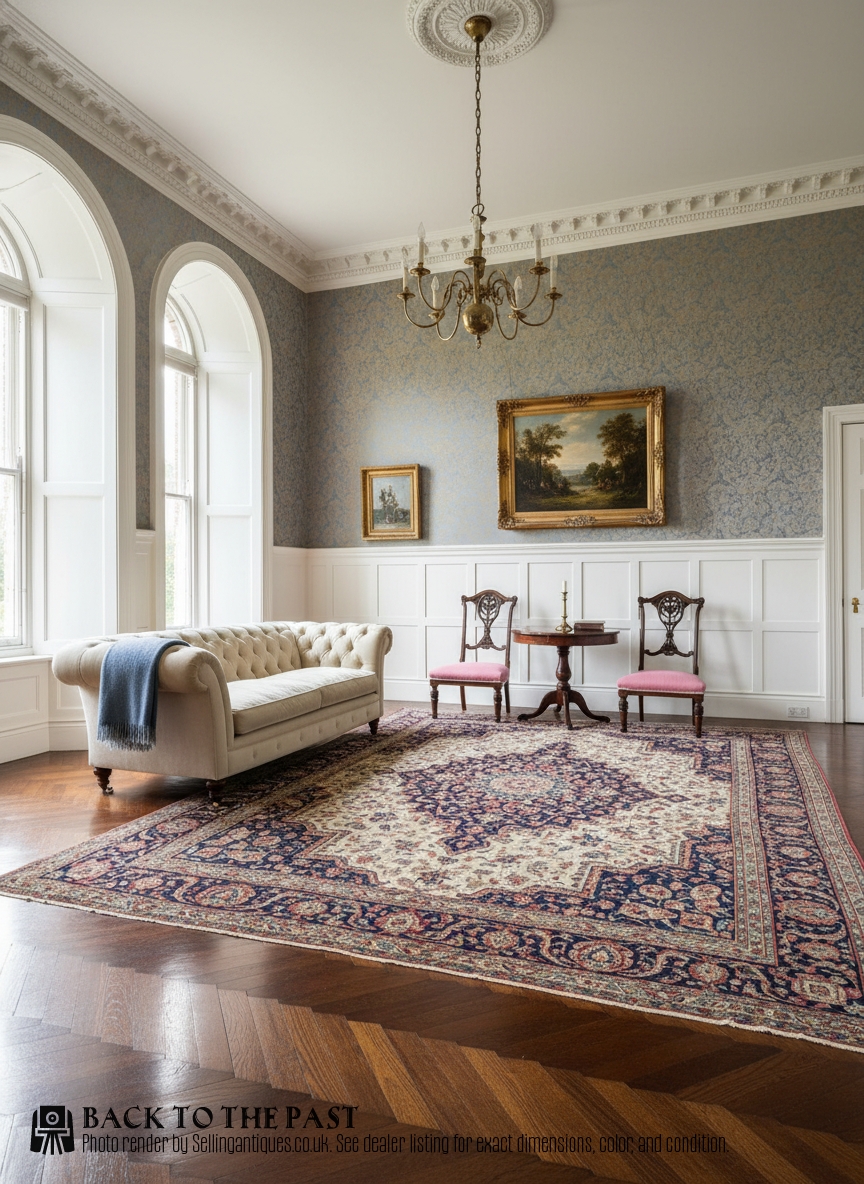
Frames rely on solid timbers including mahogany and rosewood, shaped through traditional carpentry and joinery techniques. Wood surfaces sometimes receive decorative paint treatments such as scumble glaze.
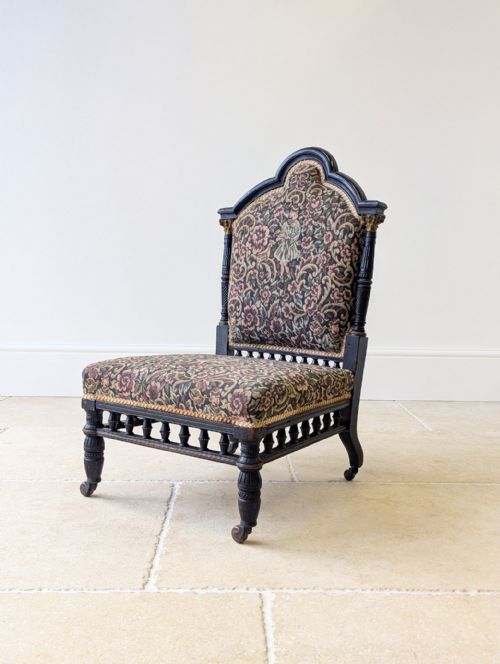
Upholstery relies on traditional textiles recorded as fabric, velvet, and tapestry fabric. These materials are fitted to support the seated frame while adding texture and colour to the design.
Retail Price Guide 2026
Typical UK retail prices for nineteenth century side chairs, calculated from the Sellingantiques database of over a million retail prices indexed since 2003. This retail price guide relies exclusively on Sellingantiques data; no external sources or auction records are used, so the figures do not describe the wider market.
Every single chair listed here arrives with a companion, as all current examples are offered strictly in pairs.
What varies in quality
Quality reveals itself in the choice of cabinet timber and the crispness of carved details on the frame. Dense hardwoods like rosewood and finely figured mahogany represent the upper end of the range.
The integration of the upholstery with the timber structure dictates the refinement of the piece. Superior examples demonstrate careful alignment between the textile finish and the wooden architecture of the chair.
The Nineteenth Century Side Chairs Glossary
- Side chair
- A chair without arms, originally designed for dining or occasional placement around a room. These pieces tuck easily against walls or tables.
- Balloon back
- A chair back shaped like a rounded balloon or oval, popular during the Victorian era. This curved profile provides ergonomic support.
- Scumble glaze
- A decorative paint technique applied over a base coat to simulate the grain of more expensive woods. Artisans manipulate the translucent glaze with tools to create patterned effects.
- Mahogany
- A durable, reddish-brown tropical hardwood favoured for nineteenth century cabinet making. Its stability makes it ideal for intricate framing.
Frequently Asked Questions
How do I use these chairs today?
These nineteenth century side chairs work well as occasional seating in a living room, hallway, or bedroom. Their compact, armless design allows them to fit neatly into smaller spaces.
They also serve effectively around a dining table when paired with compatible tables. The sturdy wood construction ensures they remain functional for daily use.
Are these chairs sold individually?
The current selection consists entirely of pairs rather than single items. Buying in pairs helps maintain symmetry and balance when furnishing a room.
Matching sets of two provide a cohesive look for flanking a fireplace, console table, or window. This pairing is typical for nineteenth century dining and parlour seating.
What woods were used for these?
Framing timbers in this selection include mahogany and rosewood, alongside general wood construction. These dense hardwoods were chosen for their strength and rich grain patterns.
Some pieces also feature surface treatments like scumble glaze over the base wood. Each timber type contributes to the overall weight and durability of the chair.
How do I identify the period?
Dating relies on stylistic markers such as Regency elegance or Victorian balloon back forms. Specific pieces carry documented dates around eighteen fifty and eighteen sixty.
Construction methods and timber choices also point to nineteenth century workshops. Examining the wood and upholstery styles helps confirm the era.