




Pink Velvet Side Chair
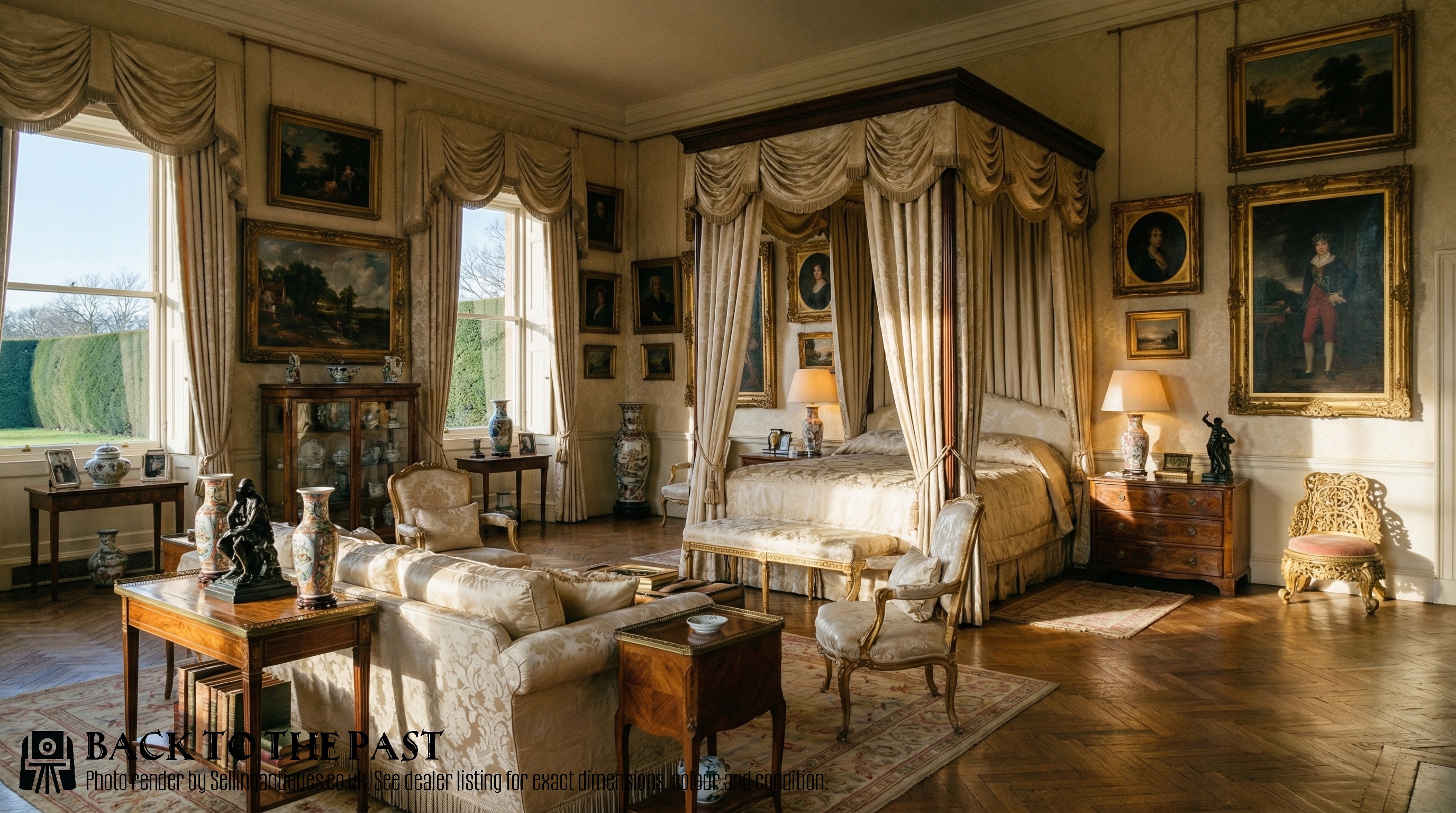
A pink velvet side chair brings rich texture and nineteenth-century character directly into a modern room.
Pink Velvet Side Chair
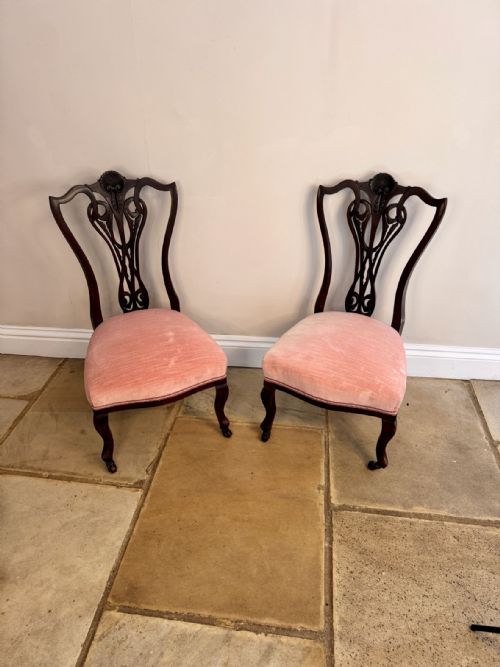
A pink velvet side chair brings together nineteenth-century seating forms and soft textile upholstery. These pieces span the Victorian and Edwardian eras, emerging in walnut, mahogany, rosewood, and giltwood.
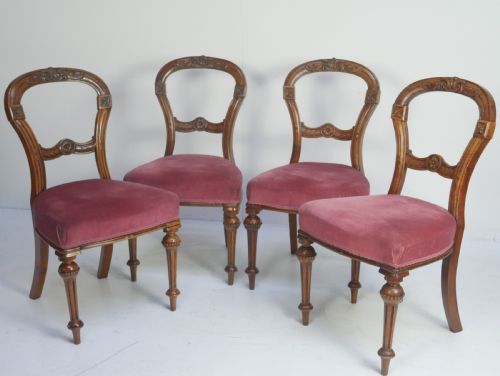
The most common forms on this page include balloon-back side chairs, nursing chairs, and dining chairs originating from nineteenth-century workshops. They combine dark timber frames with plush fabric surfaces.
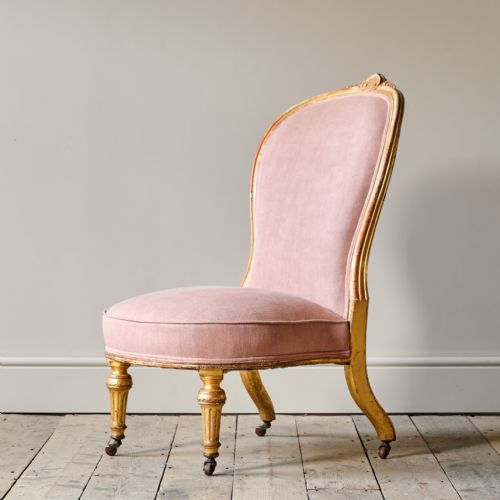
Makers of the period adapted classic shapes such as Louis XVI Revival and Anglo-Indian styles, creating compact chairs intended for salons, bedrooms, and dressing rooms.
Construction and materials
Frames rely on dense hardwoods like walnut, mahogany, and rosewood, often shaped with carved details or barley twist turnings. Giltwood examples display layered gold leaf over carved wooden bases.
Upholstery techniques involve buttoning and tensioned textile work, securing pink velvet across sprung or padded seats and curved backs. Brass elements occasionally appear in structural hardware or castors.
Listings feature nineteenth-century woods including walnut, mahogany, rosewood, and giltwood paired with velvet textiles.
Assessing quality
Quality rests on the crispness of the timber carving and the structural integrity of the frame joints. Denser hardwoods and deeply carved balloon backs indicate superior cabinetmaking.
The standard of upholstery work and the weight of the velvet fabric determine the finish of the piece. Hand-carved giltwood and nuanced woodwork separate standard seating from finer examples.
Lamb of Manchester
The Pink Velvet Side Chair Glossary
- Balloon-back
- A chair back shaped in a continuous oval curve resembling a balloon. This design gained immense popularity during the Victorian era.
- Giltwood
- Timber coated with a thin layer of gold leaf or powder. It provides a bright metallic finish seen on formal revival pieces.
- Barley twist
- A type of turning carved to resemble a twisted rope or stalk. It frequently appears on nineteenth-century chair legs and supports.
- Nursing chair
- A low-seated upholstered chair designed for comfort near the nursery fire. These pieces often feature sprung seats and shorter legs.
- Louis XVI Revival
- A nineteenth-century design movement inspired by French neoclassical furniture. It employs straight tapered legs and classical motifs.
Pink Velvet Side Chair: Frequently Asked Questions
What periods do these chairs come from?
The selections span the nineteenth century, covering Victorian and Edwardian eras. Dates range from eighteen-fifty through to the early twentieth century.
Craftsmen built these using traditional hardwood framing methods characteristic of the period.
Where were these chairs used originally?
Original placements included formal drawing rooms, bedrooms, and dressing areas. Compact side chairs also served around dining tables.
Their varied sizes accommodated different domestic spaces within nineteenth-century homes.
How do I distinguish Victorian from Edwardian pieces?
Victorian examples frequently showcase dark walnut or rosewood with heavy carving and buttoned balloon backs. Edwardian pieces tend toward lighter framing and simplified proportions.
Timber choice and decorative carving offer clear visual indicators of date.
Are the velvet covers original?
Upholstery on antique seating is frequently renewed to maintain usability and visual appeal. Velvet textile covers are often modern replacements fitted to period frames.
The underlying wooden structure remains the primary historical component.
How do I style a pink velvet side chair?
These chairs function well as accent pieces in modern living rooms, bedrooms, or hallways. Their rich fabric adds texture against neutral walls.
They pair easily with both contemporary minimalist decor and traditional interiors.