

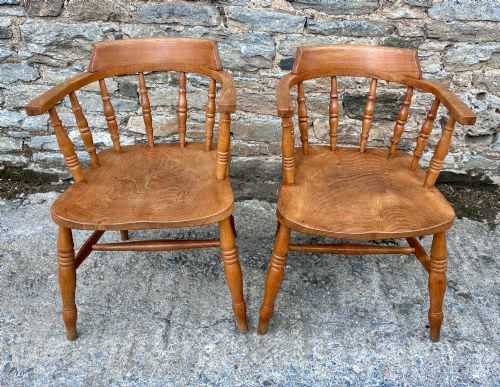
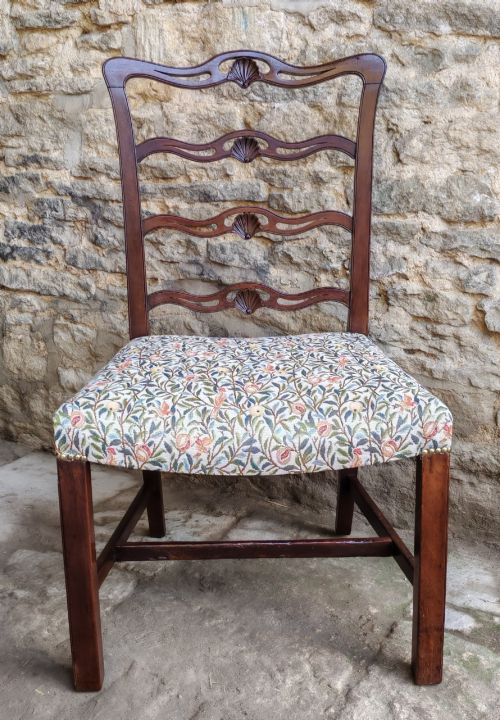
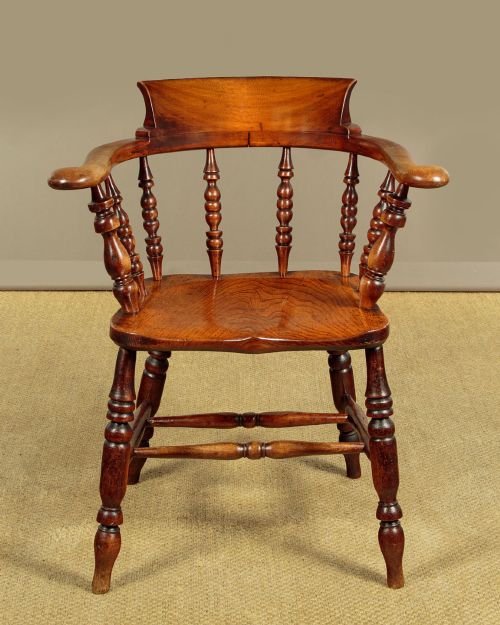
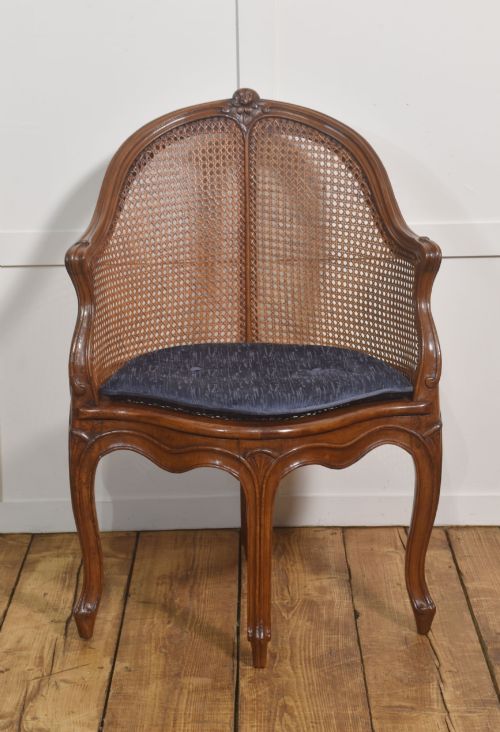
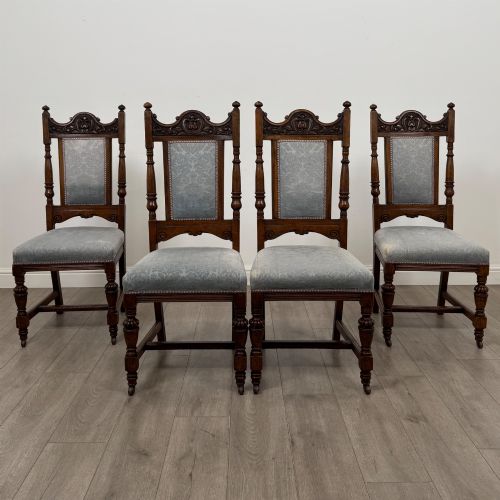
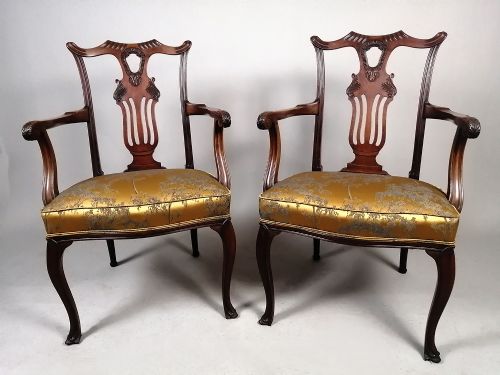
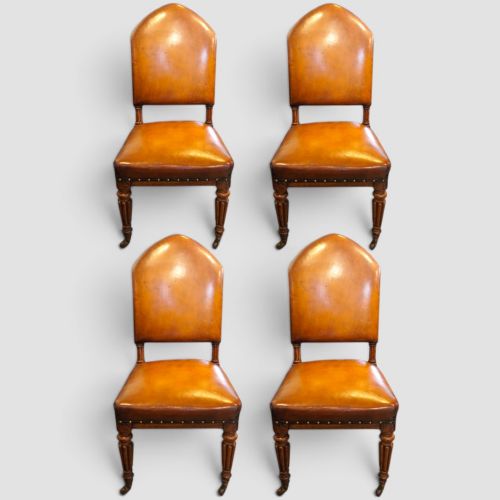
Victorian Carved Desk Chair
A victorian carved desk chair is a sturdy, timber-framed seat designed for study and writing.

Victorian Carved Desk Chair
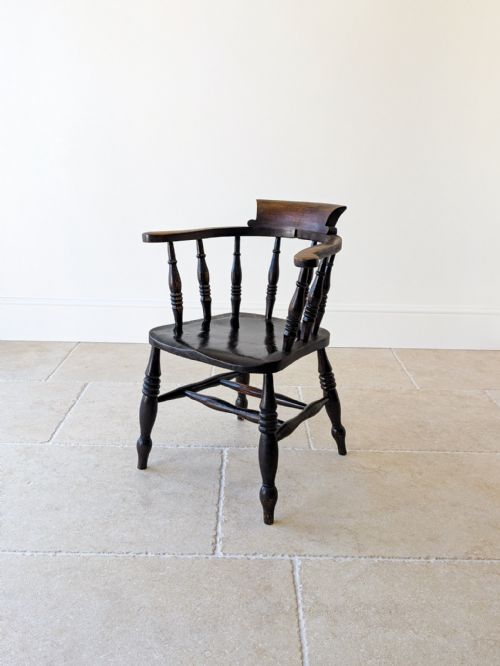
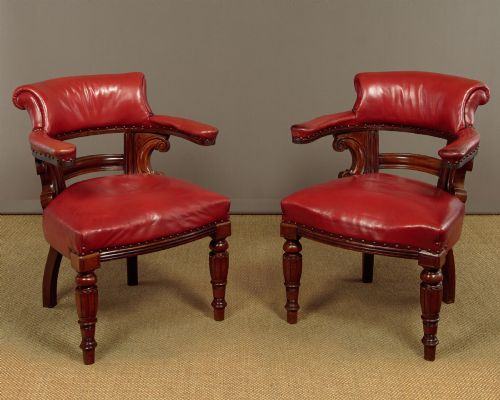
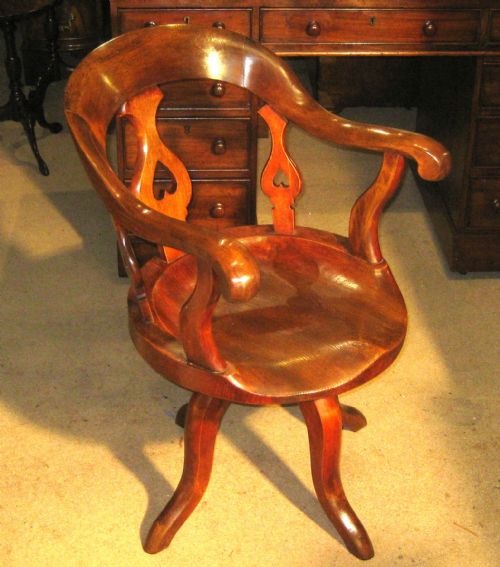
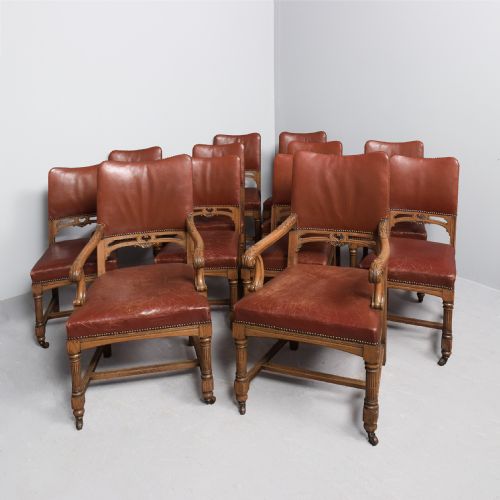
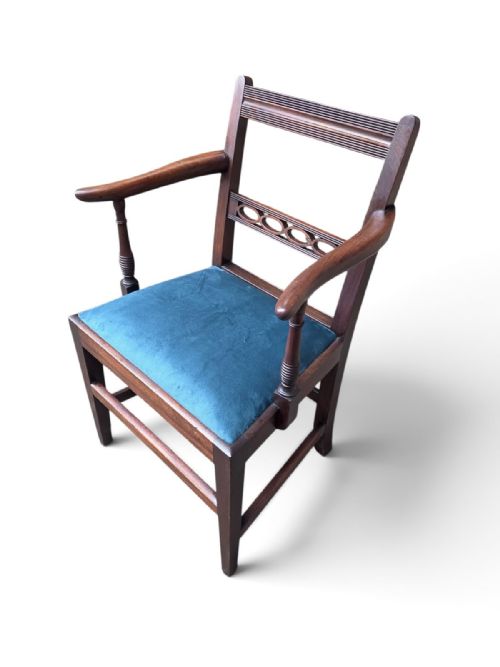
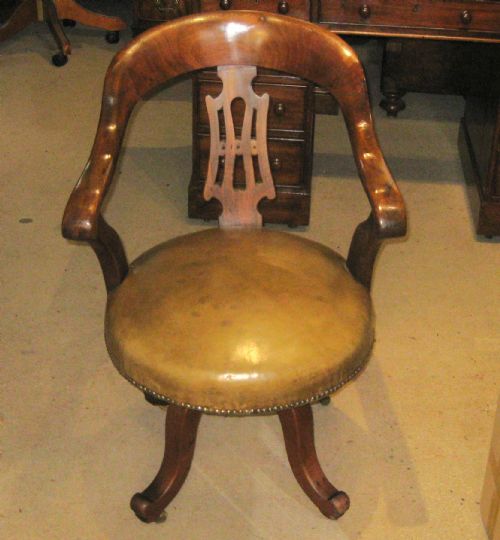
A buyer seeking a victorian carved desk chair encounters robust seating from the nineteenth century designed for studies, libraries, and offices. The selection spans revolving swivel models, solid mahogany open armchairs, and substantial oak designs featuring Gothic Revival details.
Many examples emerge in mahogany and walnut alongside country variations in elm and ash, reflecting both formal library settings and rustic farmhouse traditions. These pieces provide functional seating with carved wooden frames, often retaining original leather or fabric pads.
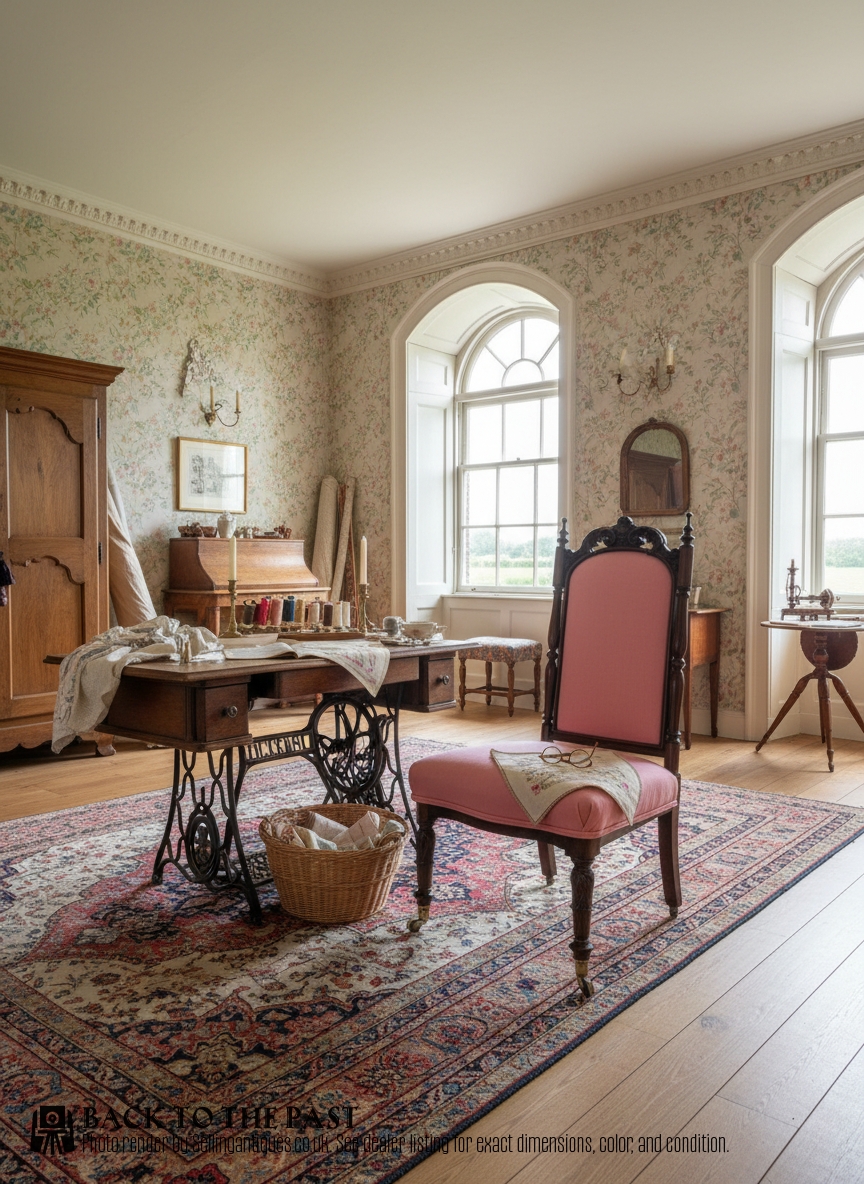
Materials and Technique
Cabinet makers utilised dense hardwoods including mahogany, walnut, oak, elm, and birch to construct these frames, frequently combining solid timbers with turned spindles and shaped arms. Structural support relied on mortise and tenon joinery alongside turned wooden stretchers.
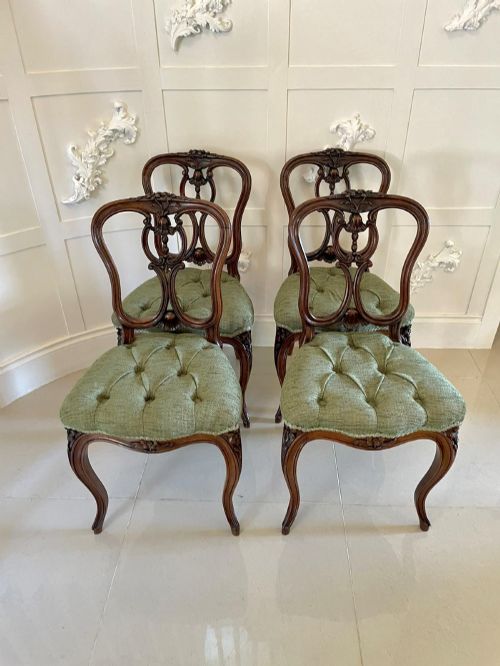
Carving was executed by hand directly into the timber, producing ribbon backs, scroll work, and Gothic tracery. Seating surfaces incorporated upholstered leather pads, woven cane panels, or solid carved wooden saddles.
Victorian Carved Desk Chair Retail Price Guide 2026
Typical asking prices for victorian carved desk chair among the pieces listed under this phrase on Sellingantiques today, from the lower quarter to the upper quarter. They describe what is for sale here now, not the wider market.
Some solid oak swivel chairs feature carved lion heads peering out to guard the desk.
Standards of Craftsmanship
The standard of carving defines the distinction between standard production and exceptional examples, with crisp undercut details and figurative motifs such as Green Man or lion heads indicating superior workshops. Timber selection also dictates grade, with figured burr walnut and dense, well-grained mahogany marking out finer items.
Structural integrity depends on the tightness of the original joinery and the survival of swivel mechanisms on revolving models. Patina and surface preservation separate unrestored timber with deep colour from over-finished or heavily altered frames.
Hindley And Sons
The Victorian Carved Desk Chair Glossary
- Revolving desk chair
- A seating form fitted with a central wooden or iron swivel mechanism allowing rotation at a study table.
- Gothic Revival
- A nineteenth-century architectural and decorative style employing pointed arches, tracery, and heavy carved oak.
- Smoker's bow
- A low-backed Windsor armchair with a continuous bentwood rail forming the arms and upper rest.
- Patina
- The surface sheen and colour developed by aged timber through decades of handling and wax polishing.
- Balloon back
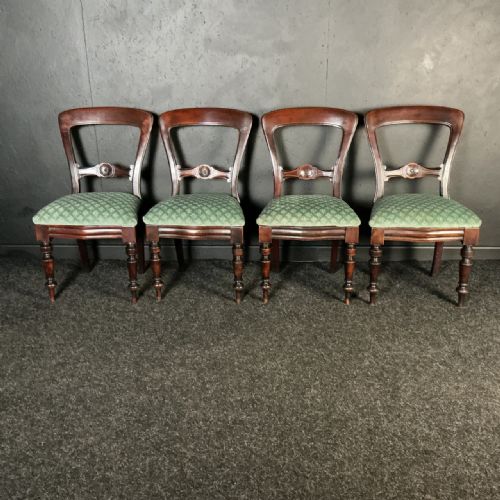
- An oval-shaped chair back resembling a rising hot air balloon, popular during the Victorian period.
Victorian Carved Desk Chair: Frequently Asked Questions
Are these chairs comfortable for daily work?
Most nineteenth-century models feature upright timber backs and modest seat depths tailored to historical writing habits rather than modern ergonomics. Adding a slim cushion can improve comfort for extended periods at a contemporary desk.
Revolving versions provide greater mobility and often include wider armrests, making them more adaptable for modern office use while retaining their period character.
How do I identify a genuine swivel mechanism?
Original nineteenth-century revolving mechanisms typically combine heavy iron spindles with wooden threads or brass collars beneath the seat. These components show manual machining marks and age-appropriate wear rather than modern machine-cut steel.
Many swivel chairs also feature a spider base with four wooden legs radiating from a central iron hub, sometimes supported on original castors.
Can I use these with modern desks?
Victorian writing seats often have lower fixed seat heights than contemporary office chairs, so checking the clearance beneath your desk apron is essential. Non-swivel armchairs may also require careful measurement to ensure the arms slide beneath the desk top.
Adjustable dressing table chairs and certain swivel models offer more flexibility in height if clearance is restricted.
How should I care for the leather upholstery?
Original leather inserts benefit from gentle cleaning with a damp cloth followed by a neutral wax polish or specialised leather conditioner. Avoid modern synthetic cleaning agents which can strip the historical finish and dry out the hide.
Maintaining a stable room humidity prevents the timber frame from shrinking and protects the surrounding upholstery from cracking.