

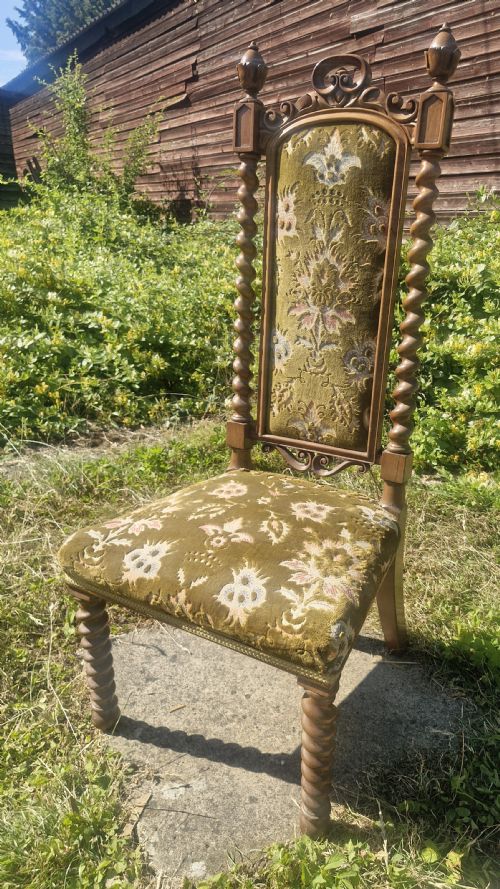
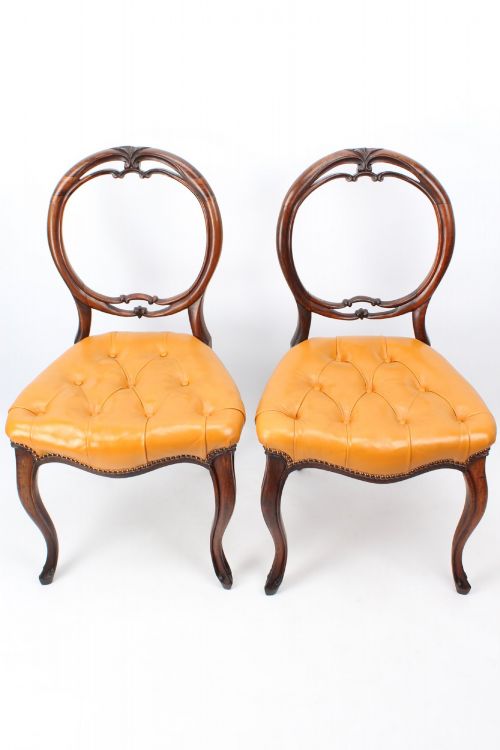
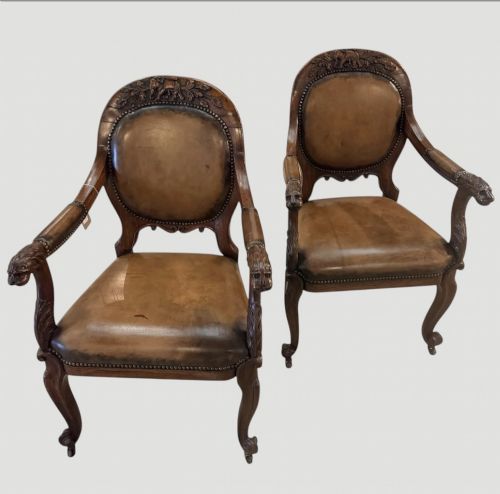
Carved Rosewood Seating
Carved rosewood seating brings dense, rich timber and deft hand-chiselling into a room, offering both sturdy function and striking historical character.
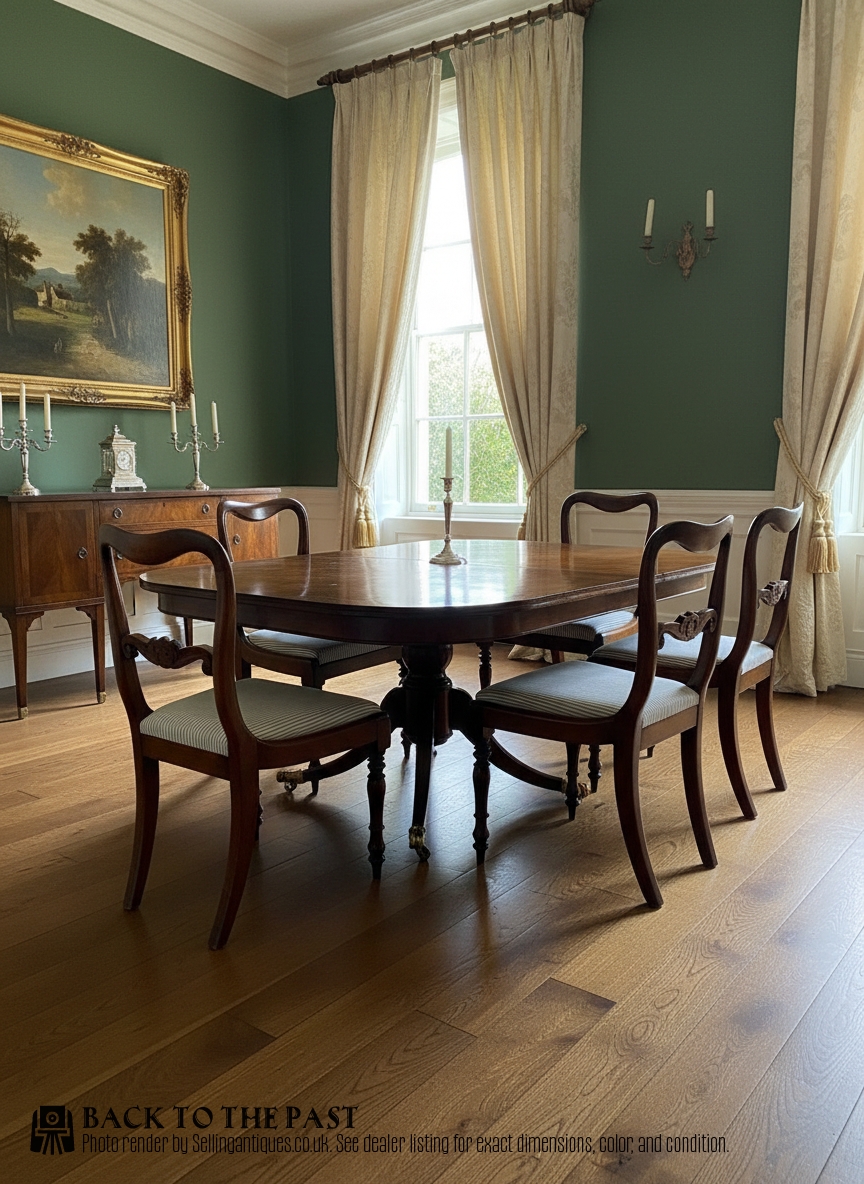
What carved rosewood seating is
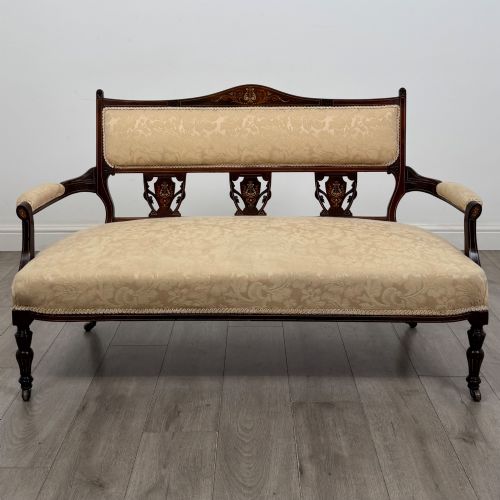
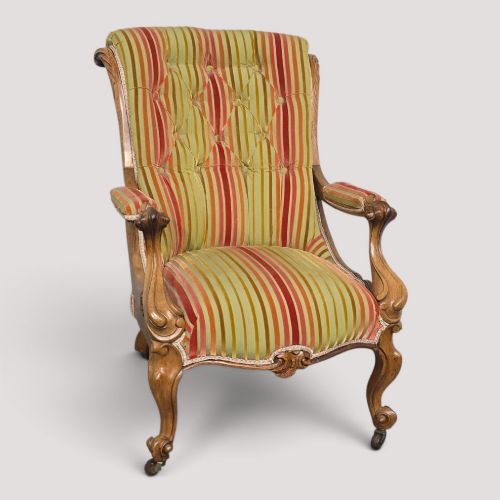
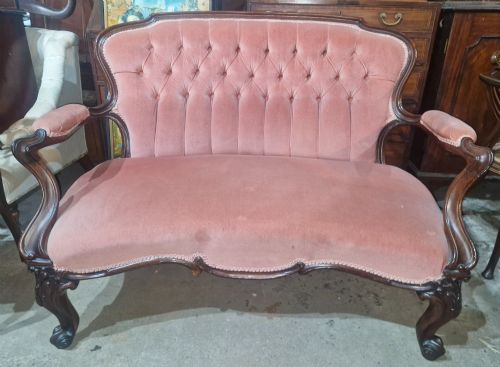
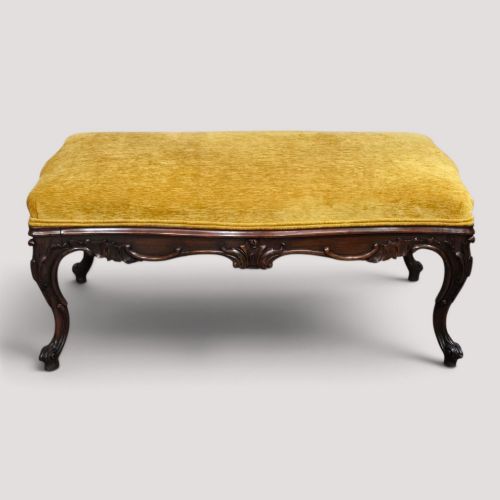
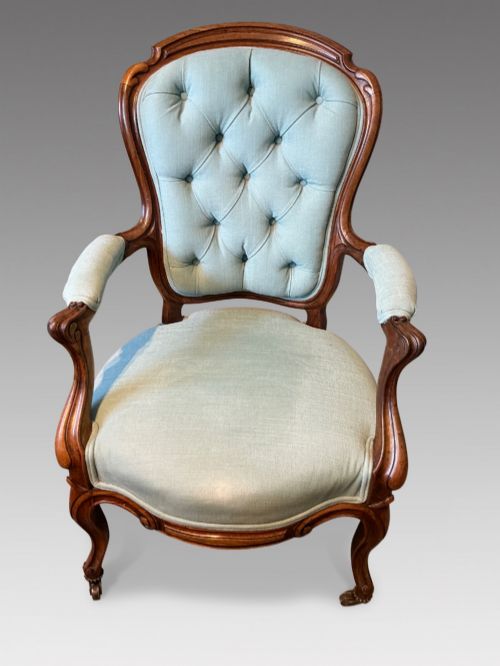
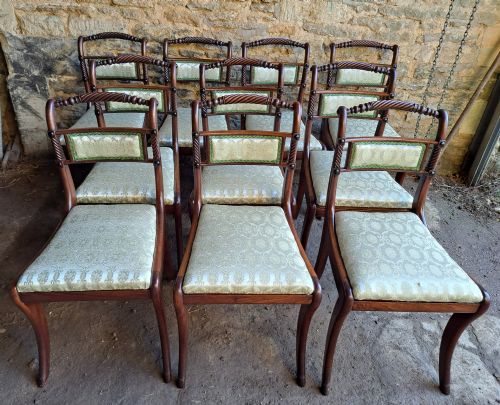
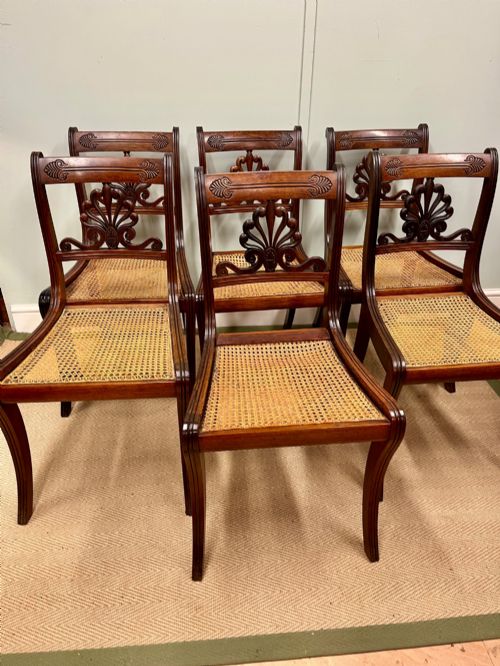
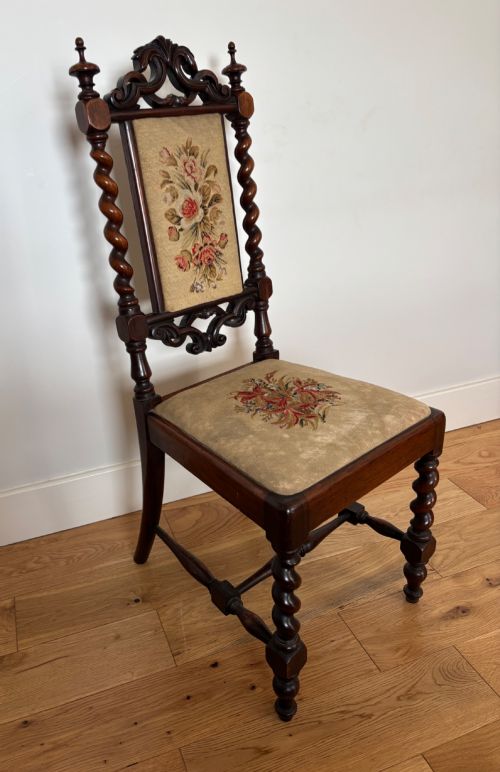
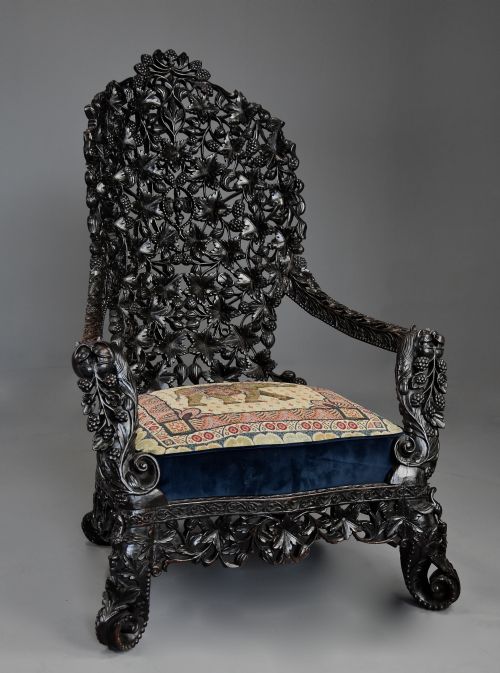
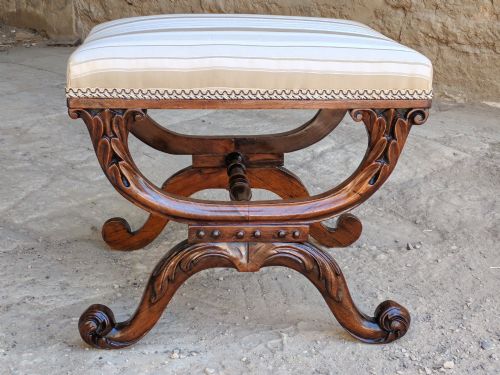
Carved rosewood seating encompasses dining chairs, armchairs, side chairs, and sofas shaped from a dense, dark tropical hardwood. These pieces belong predominantly to the Regency and Victorian periods, spanning the nineteenth century.
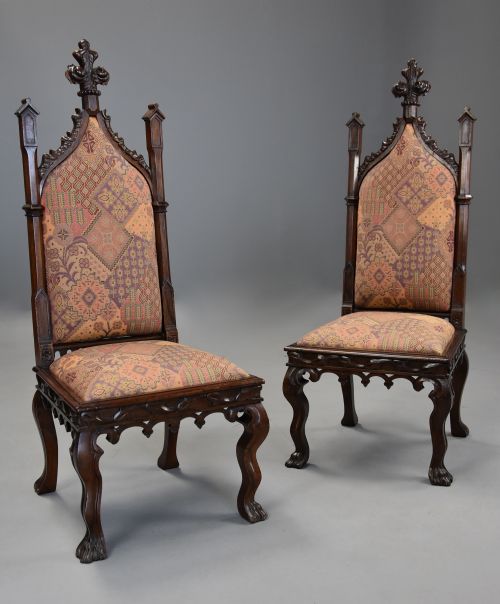
The buyer most frequently encounters matching dining sets, ranging from pairs to sets of six or eight chairs. Individual library armchairs and upholstered conversational sofas also appear alongside these standard dining forms.
Makers from the Regency era and the mid nineteenth century shaped these forms with classical restraint or ornate nineteenth-century curves. The dark grain of the timber provides a sombre yet luxurious visual weight.
How they were made
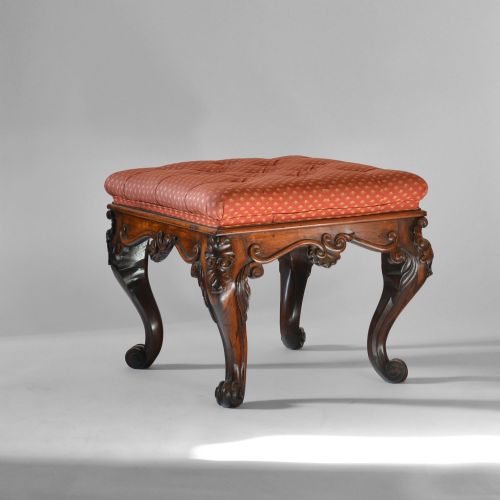
Craftsmen shaped dense rosewood timber using hand tools to produce deep relief carvings on frames and splats. Joinery relied on traditional pegged and tenoned joints to withstand heavy daily use.
Surfaces were finished to highlight the natural figuration of the rosewood grain rather than hiding it beneath heavy pigments. Brass castors and fittings were frequently added to heavier pieces for mobility.
Retail Price Guide 2026
Typical UK retail prices for carved rosewood seating, calculated from the Sellingantiques database of over a million retail prices indexed since 2003. This retail price guide relies exclusively on Sellingantiques data; no external sources or auction records are used, so the figures do not describe the wider market.
What varies in quality
The standard of carving distinguishes exceptional pieces from ordinary workshop production, separating crisp, deep relief work from shallow, mechanical shaping. Superior sets maintain uniformity across every chair frame, showing deliberate hand-tool work throughout.
The integrity of the underlying rosewood structure determines longevity, where heavy grain density and stable joints dictate enduring worth. Premium examples also feature high-grade secondary woods and careful historical upkeep.
The Carved Rosewood Seating Glossary
- Rosewood
- A dense, heavy hardwood prized for its dark colour and dramatic grain patterns. It polishes to a deep lustre.
- Regency
- A style period dating from the early nineteenth century characterised by classical restraint and clean architectural lines. Pieces often reference ancient Greek or Roman forms.
- Victorian
- A design era spanning the mid to late nineteenth century noted for revival styles and ornate, heavier decoration. Proportions tend to be robust and comfort-focused.
- Cane
- Woven rattan material used for seat panels or backs. It offers lightweight flexibility and decorative open texture.
- Button leather
- Upholstery technique where leather is pulled tight and secured with recessed buttons to create a diamond pattern. This method adds structural firmness and tactile depth to sofas and armchairs.
Frequently Asked Questions
How do I date carved rosewood seating?
Dating relies on stylistic markers and structural cues, such as the classical restraint of Regency design versus the heavier ornamentation of Victorian pieces. Comparing the joinery methods and secondary woods also aids in establishing the correct period.
Examining the depth of the rosewood carving helps place the piece within the nineteenth century. Earlier items often show sharper neoclassical motifs, while mid-century examples lean towards more rounded floral or scrolling details.
Are these chairs suitable for daily use?
Rosewood is an exceptionally hard and durable timber, making these chairs robust enough for regular seating. Traditional joinery ensures the frames remain stable when maintained properly.
However, antique cane panels and vintage upholstery require careful handling to prevent wear. Placing them away from direct heat sources preserves both the timber and the antique finish.
What is a conversational sofa?
A conversational sofa is a specialised Victorian seating form designed to allow two people to sit face-to-face while talking. These pieces often feature deep buttoned leather and a central swivel mechanism.
They were intended for drawing rooms and libraries where formal social interaction took place. The rosewood frame provides a solid, decorative base for the complex multi-directional upholstery.
How should I care for rosewood furniture?
Maintaining rosewood involves dusting with a soft, dry cloth and avoiding harsh chemical polishes that can degrade the historic finish. Keeping the room at a stable humidity prevents the dense timber from splitting.
Leather and fabric upholstery on these chairs should be cleaned according to their specific material needs. Gentle handling of carved areas prevents accidental chipping of the brittle hardwood.