
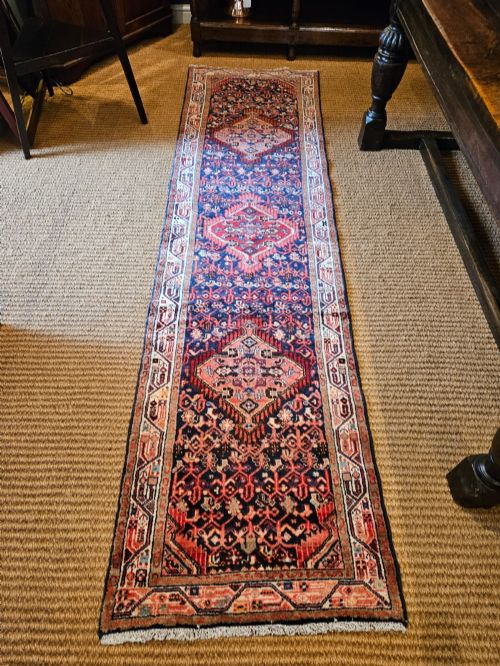
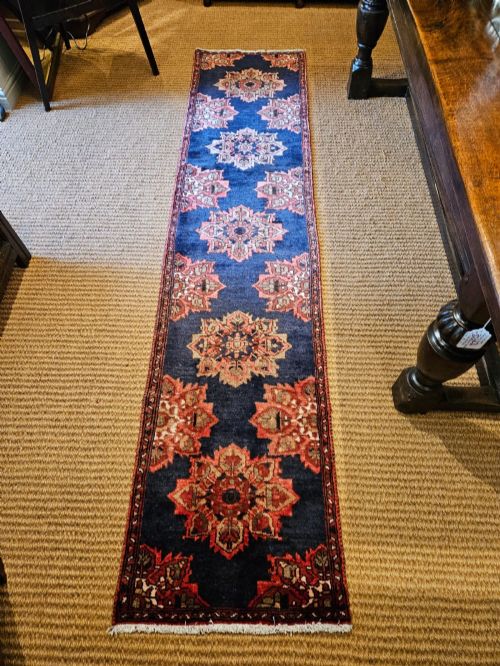
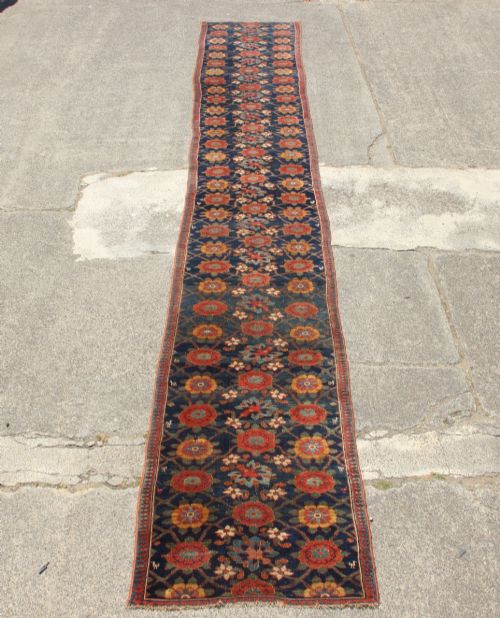
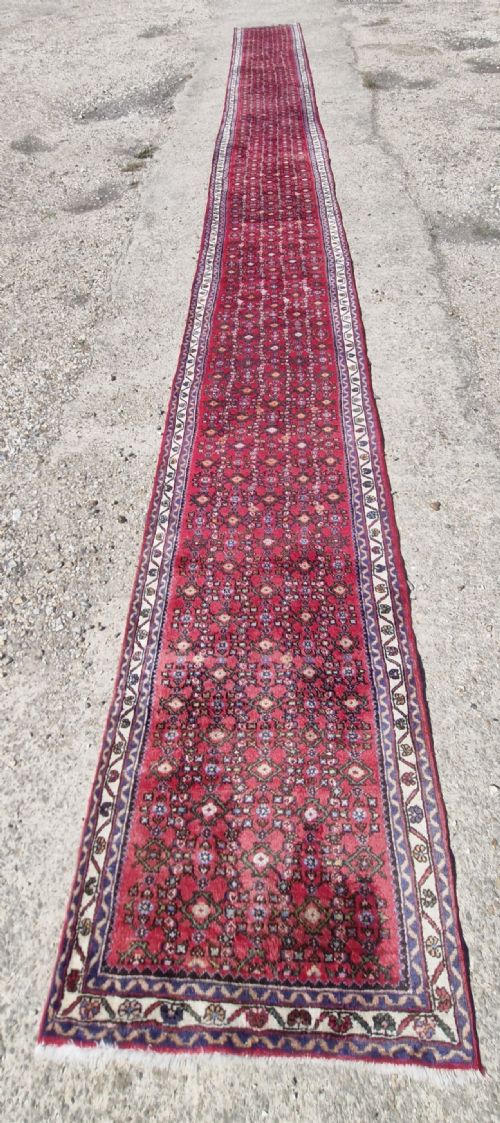
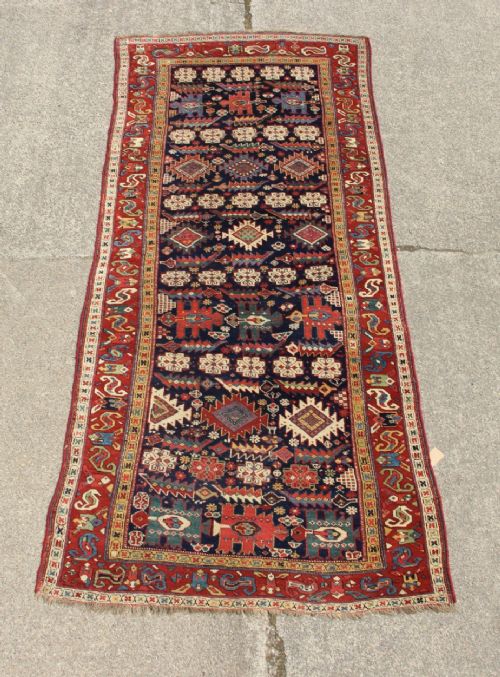
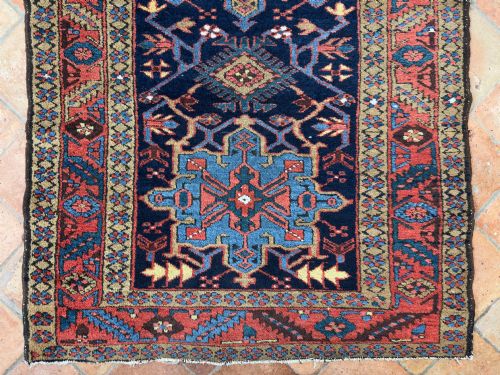

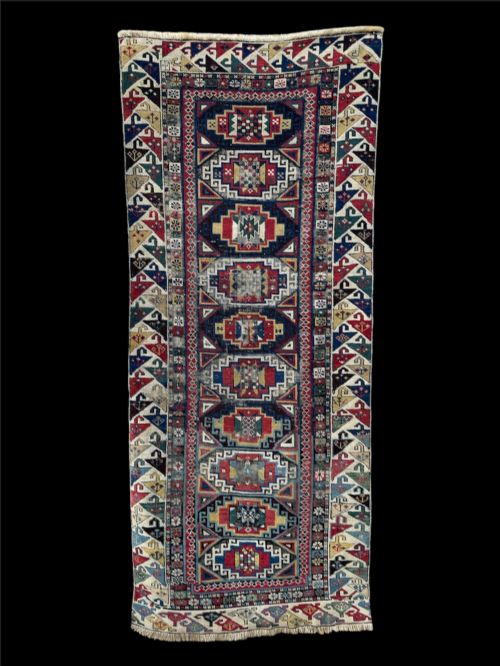
Persian Corridor Runner
A persian corridor runner brings a distinct linear warmth to hallways and long landings through centuries of traditional weaving.
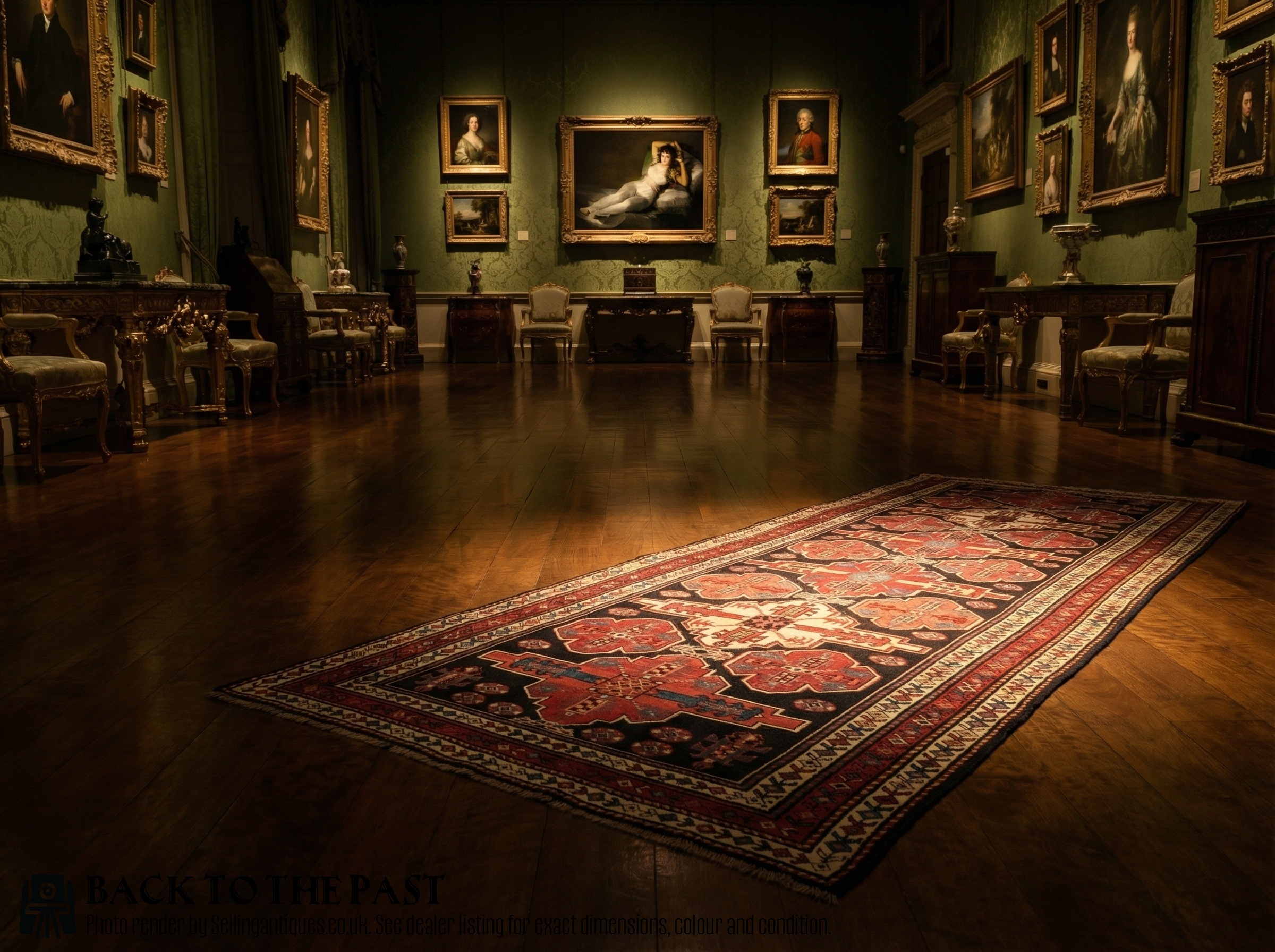
Persian Corridor Runner
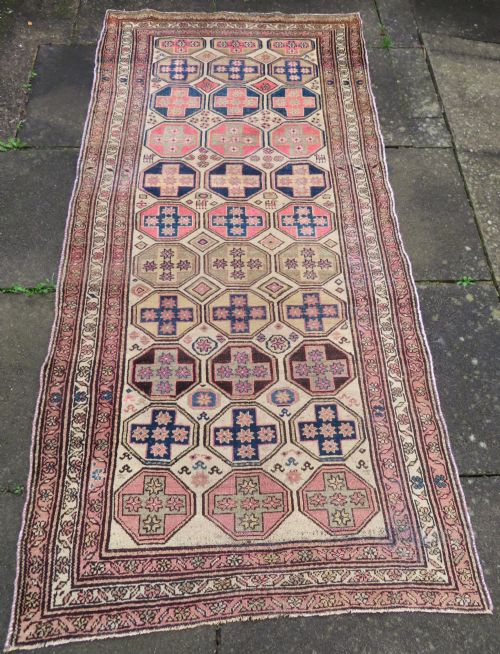
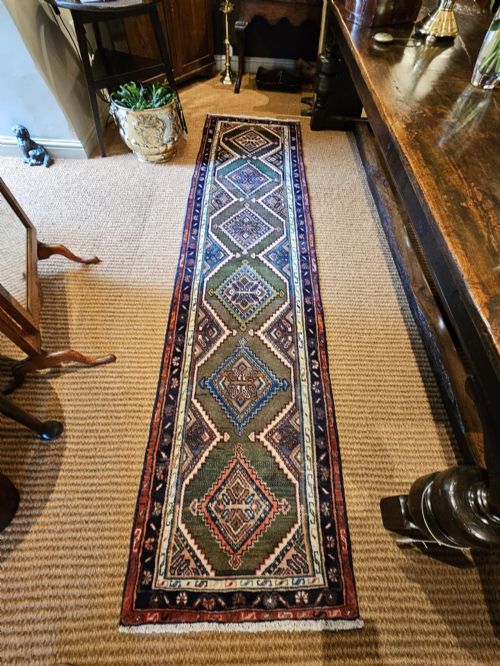
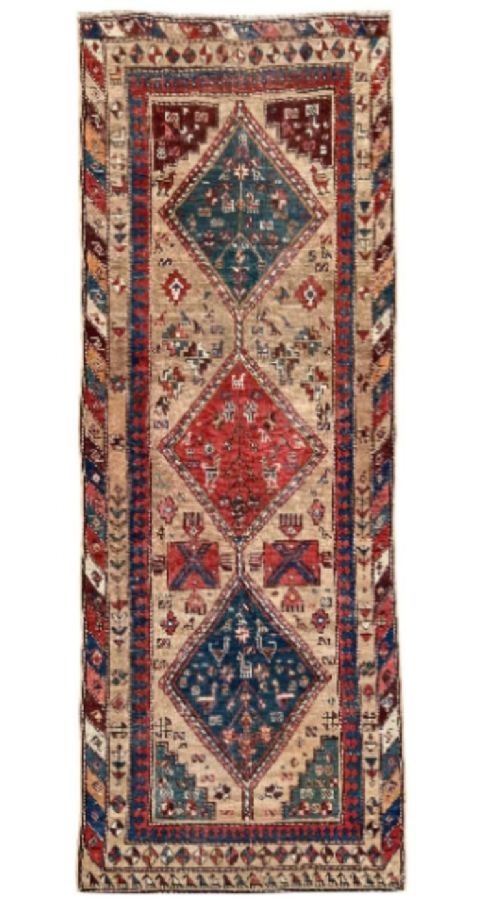
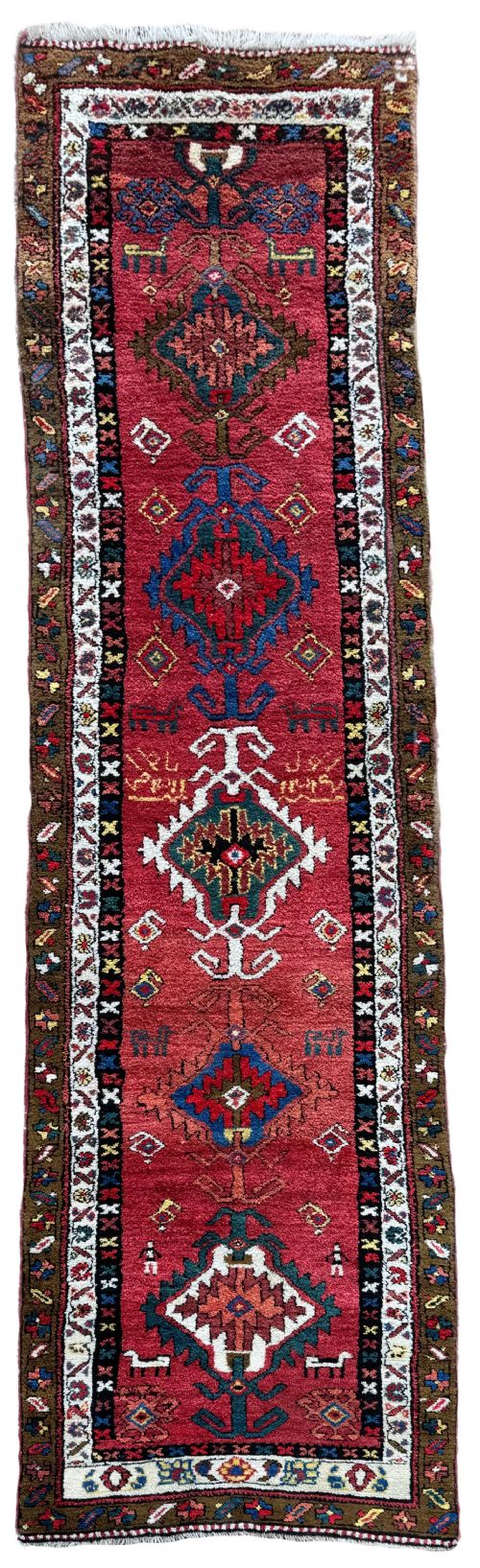
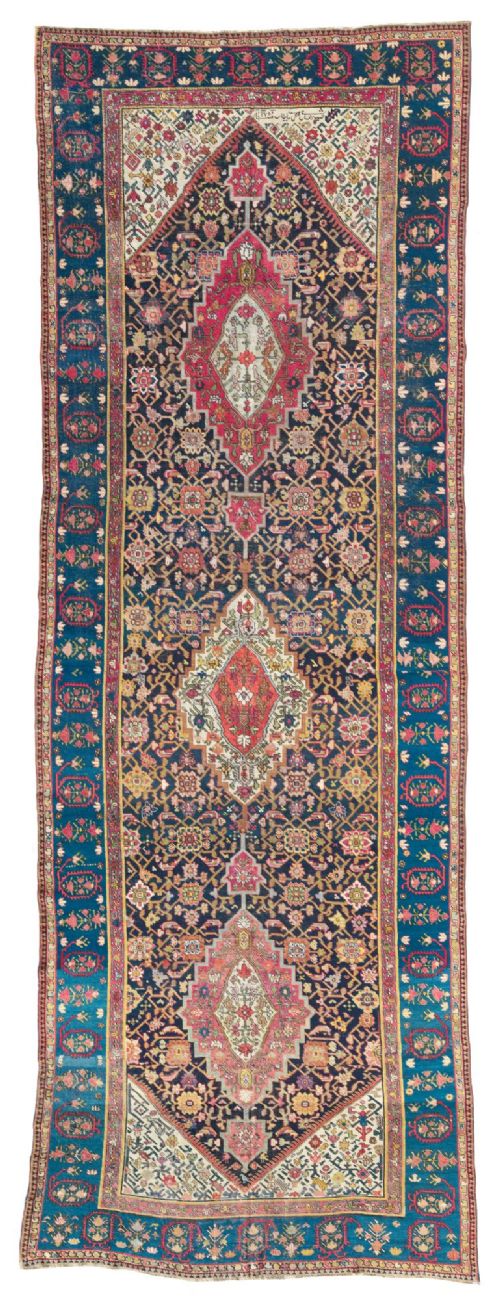
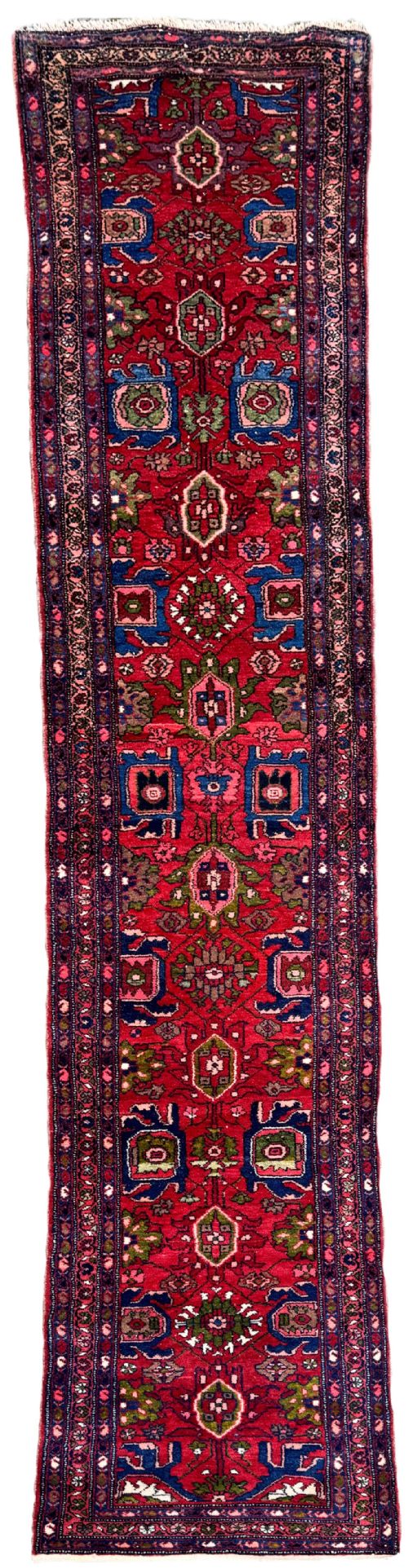
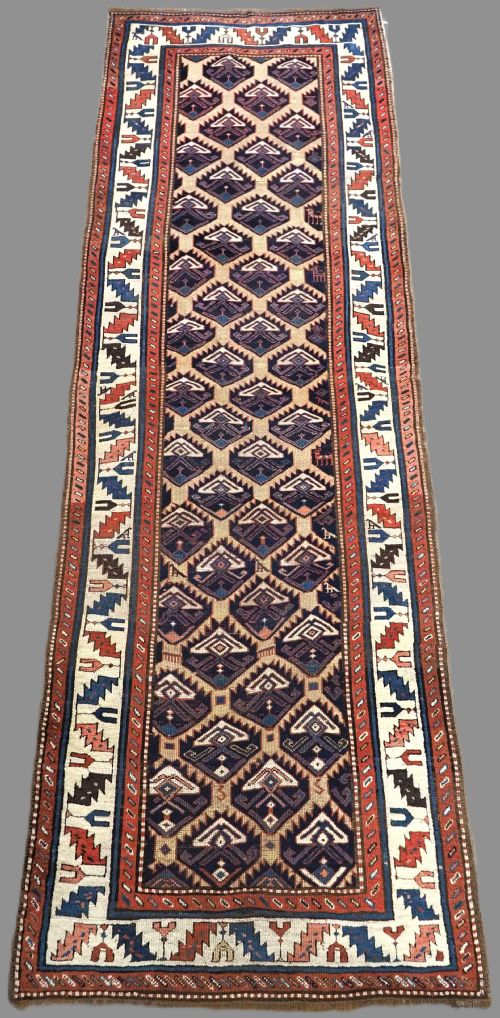
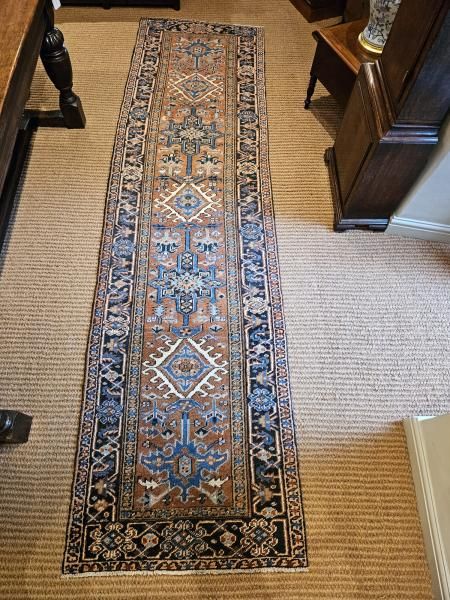
A persian corridor runner provides a narrow, elongated format designed specifically for hallways, corridors, and long landings in period homes. These pieces span from the mid-nineteenth century through to the early twentieth century, originating from regions such as Heriz, Hamadan, Kurdish territories, and the wider Caucasus.
How They Were Made
These runners are constructed primarily using wool and hand-spun wool pile woven onto supportive cotton foundations. Artisans utilised durable natural materials capable of withstanding heavy foot traffic in domestic corridors over generations.
Weavers employed traditional techniques rooted in regional tribal workshops and village traditions across Persia, Anatolia, and the Caucasus. The resulting textiles combine robust structural integrity with intricate dyed patterns that endure through decades of daily use.
Several examples embrace delightfully crooked geometries that remind viewers of the human hand behind the loom.
What Varies in Quality
Quality in these runners depends heavily on the fineness of the knotting and the crispness of the geometric or tribal design execution. Tighter pile density and finer hand-spun wool yield greater durability and sharper chromatic contrast across the field.
The choice of natural dye materials and the consistency of the narrow format alignment separate standard village productions from exceptional collector pieces. Proportional balance along extended lengths distinguishes superior weaving from more irregular or rustic examples.
The Persian Corridor Runner Glossary
- Runner
- A long, narrow carpet format traditionally utilised in hallways, corridors, and stairs.
- Kelleh
- A larger format rug or small carpet, often proportioned intermediate between a standard rug and a runner.
- Mina Khani
- A repeating geometric floral pattern featuring interconnected blossoms and rosettes across the field.
- Pile
- The upright surface yarn of a woven textile, formed by knotted wool threads standing above the foundation.
Persian Corridor Runner: Frequently Asked Questions
Where do these runners work best?
These narrow textiles suit long hallways, narrow landings, and gallery spaces where standard rectangular carpets fail to fit.
They introduce historical character and rich colour directly into transitional areas of the home.
How do I maintain an old wool runner?
Regular gentle suction vacuuming without a rotating brush roller keeps accumulated dust from settling deep into the wool pile.
Professional specialist cleaning is recommended periodically to preserve the natural lanolin and dyed tones of antique textiles.
What defines a tribal design?
Tribal designs originate from nomadic or village weavers working from memory rather than rigid urban workshop cartoons.
These patterns typically feature bold geometric motifs, stylised animals, and symbolic tribal markers.
How are different regional styles identified?
Regional attributions rest upon specific colour palettes, knotting densities, and characteristic border arrangements unique to areas like Heriz, Hamadan, or Kurdistan.
Examining the structural weave on the reverse often reveals the specific origin of the workshop or village.