

Persian Afshar Rug
A persian afshar rug brings the geometric discipline of South Persian tribal weaving into domestic spaces through rich indigo grounds and spirited boteh motifs.
Persian Afshar Rug
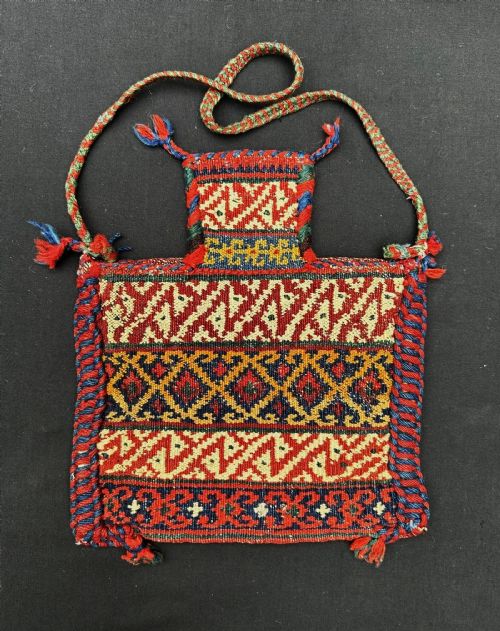
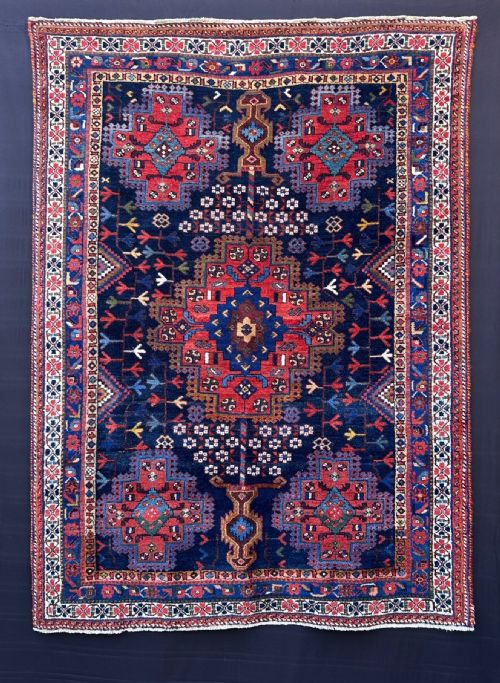
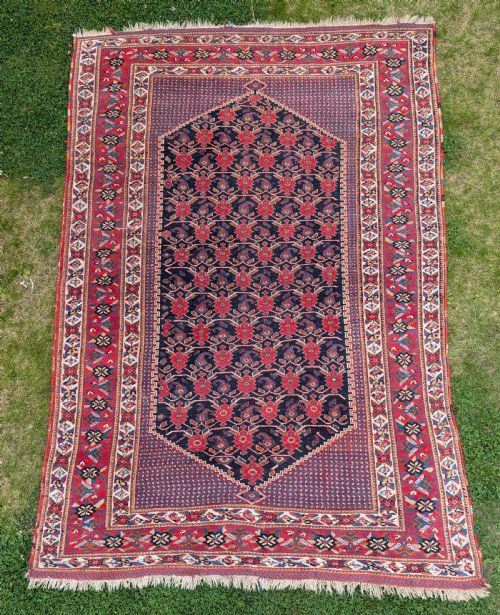
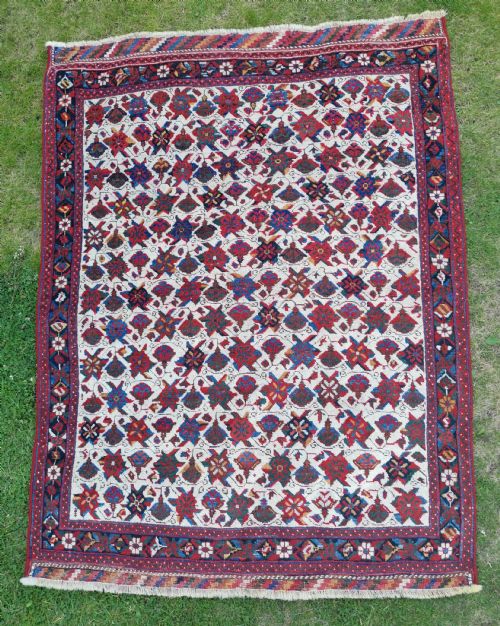
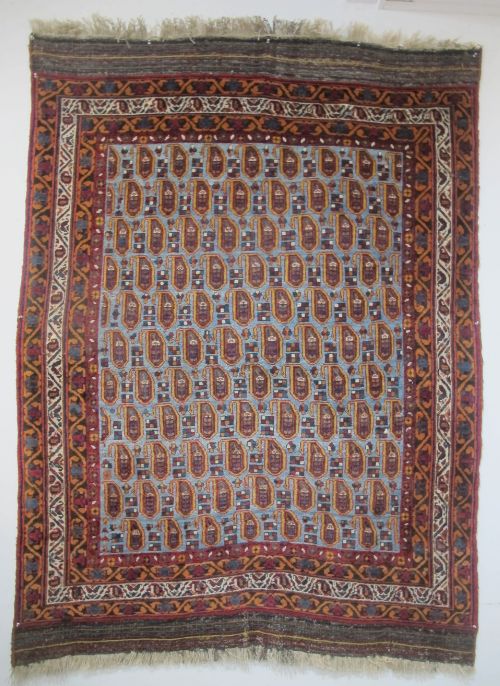
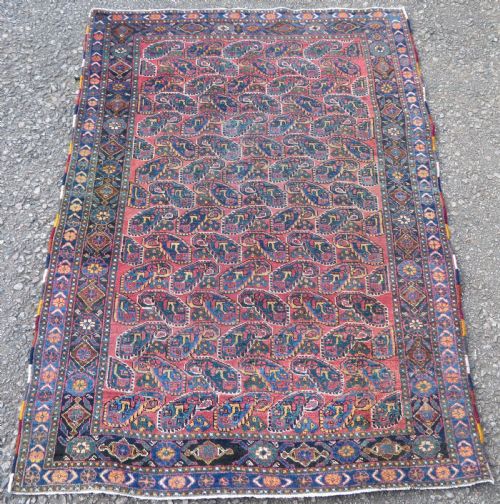
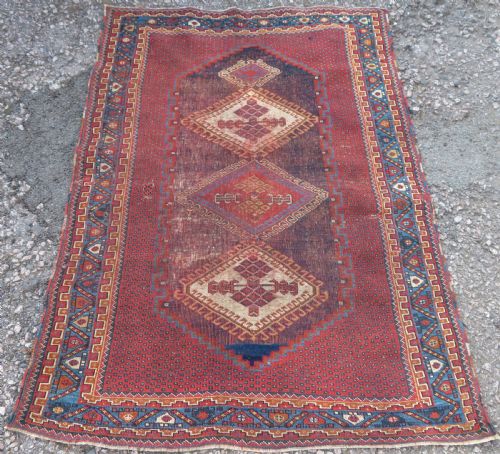
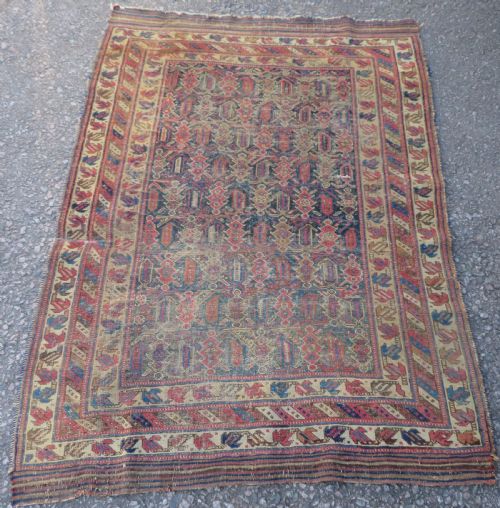
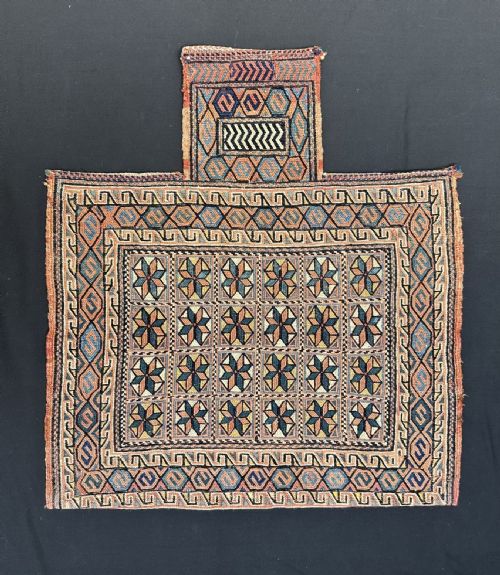
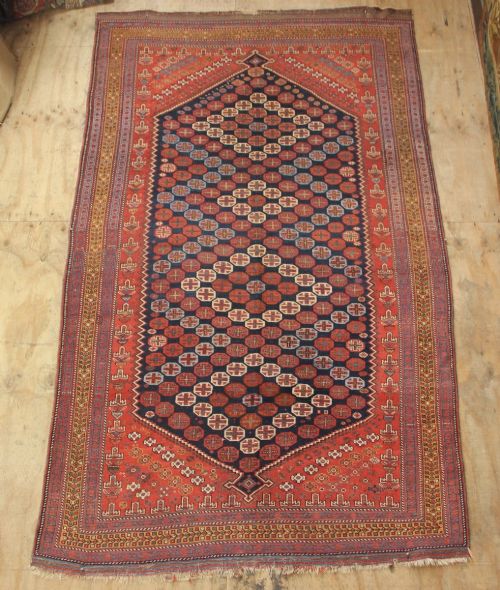
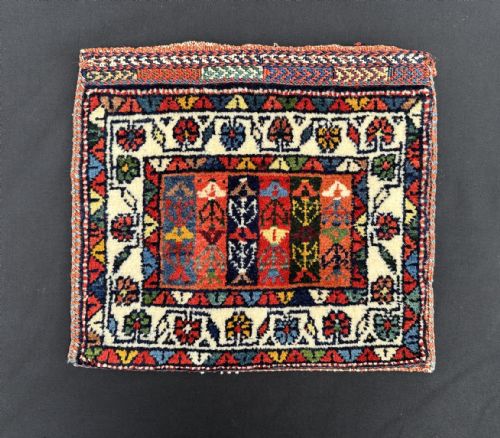
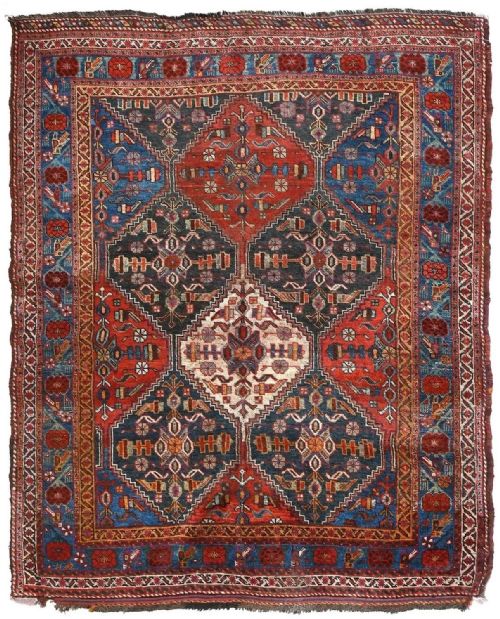
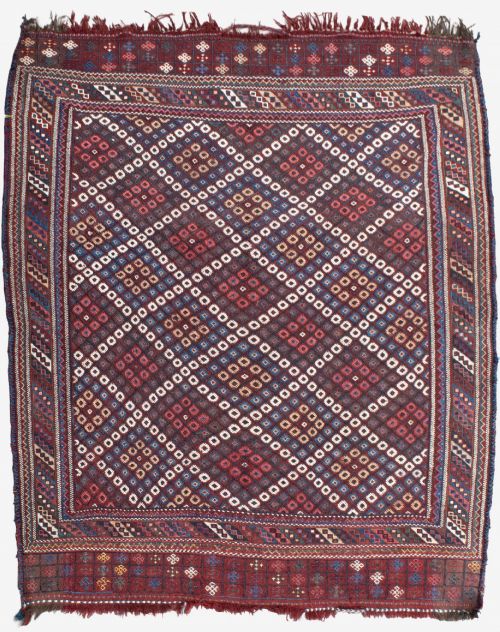
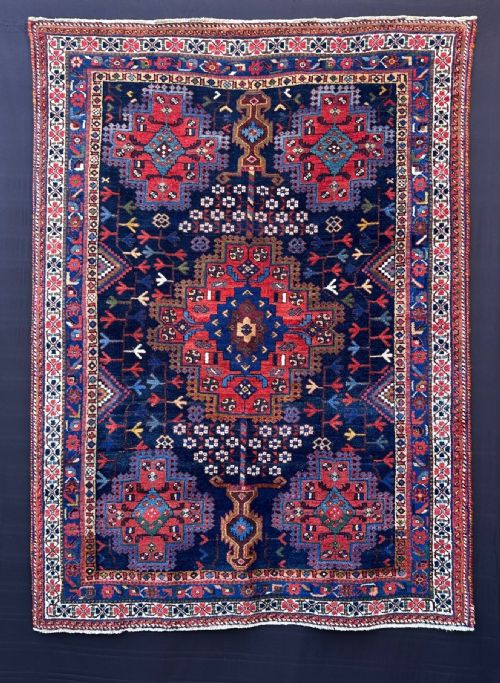
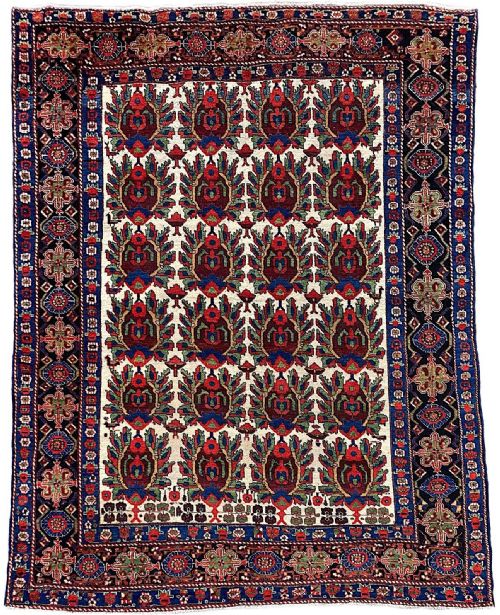
A persian afshar rug represents the textile output of nomadic and village groups originating primarily from the Kerman province, including the Neiriz and Bardsir regions. Buyers searching this phrase encounter floor coverings alongside functional tribal items such as bread sofreh cloths, salt bags, vanity pouches and tobacco containers. These pieces date predominantly from the late nineteenth century through to the mid-twentieth century, showcasing authentic tribal utility adapted into decorative furnishing objects.
The format varies from small, square eating spreads to rectangular area rugs and elongated carpets. While standard floor rugs display repeating medallions and all-over floral or shrub designs, the smaller utilitarian pouches retain original closures and hanging loops. The tribal identity remains distinct through characteristic geometric formats, hooked borders and dense field patterns rooted in South Persian nomadic traditions.
Materials and Construction
The structure relies on hand-spun wool for the pile and foundation yarns, combined with cotton used primarily for warp and weft threads in specific regional formats. Weavers utilised natural dyes derived from local plants and minerals to achieve deep indigo blues, madder reds and earthy browns that mature gracefully over decades. Certain specialised items employ flat-weave Soumak techniques alongside standard pile knotting to create textured geometric surfaces.
Nomadic workshops produced these items on portable horizontal looms set up on the ground rather than fixed vertical frames. This method imparted subtle irregularities in tension and symmetry, which authenticate the handmade origins of the textiles. Artisans incorporated decorative elements such as cowrie shells into specific storage bags and personal pouches for talismanic protection and visual embellishment.
Persian Afshar Rug Retail Price Guide 2026
Typical asking prices for persian afshar rug among the pieces listed under this phrase on Sellingantiques today, from the lower quarter to the upper quarter. They describe what is for sale here now, not the wider market.
Listings span the nineteenth century through to the mid-twentieth century, encompassing both pile rugs and flat-woven storage bags in cotton and hand-spun wool.
Evaluating Quality
The standard of a persian afshar rug depends heavily on the fineness of the knotting and the handled softness of the wool. Pieces woven with dense, lustrous hand-spun fleece display sharper motif definition and superior drape compared to coarser, stiffer counterparts. The depth and saturation of the natural dye palette also dictate desirability, with complex abrash colour shifts indicating multiple dye batches.
Structural integrity and the preservation of original outer selvedges and end finishes distinguish premier examples from heavily worn specimens. While purposeful tribal utility often resulted in honest wear, surviving pieces retaining full pile height and complete borders command greater appreciation among collectors of South Persian textile art.
The Persian Afshar Rug Glossary
- Sofreh
- A flat-woven or piled cloth utilised for sharing meals or kneading bread within nomadic households. These square or rectangular textiles display distinct field arrangements separate from standard floor carpets.
- Boteh
- A stylised almond or pear-shaped motif representing a shrub or floral spray. It appears frequently in repeating rows across South Persian field designs.
- Soumak
- A wrap-around flat-weave technique producing a sturdy structure with no pile, often employed on storage bags and specific tribal rugs. The reverse side reveals floating unspun threads remaining from the wrapping process.
- Abrash
- Variations in colour hue caused by differences in dye lots or wool batches utilised during the weaving process. This tonal gradation occurs naturally in pieces dyed with plant extracts.
- Chanteh
- A small personal bag or vanity pouch woven by nomadic women for carrying intimate items. These miniature textiles frequently exhibit intricate geometric designs and complete hanging straps.
Persian Afshar Rug: Frequently Asked Questions
How do I care for my rug?
Protect the textile by vacuuming gently without a rotating brush roll to prevent snagging the hand-spun wool pile. Professional cleaning specifically tailored to antique vegetable-dyed carpets ensures the natural colours remain stable.
Keep the item out of direct sunlight to prevent fading of the indigo and madder tones. Rotating the placement periodically ensures even wear across high-traffic zones.
What is a tribal storage bag?
Tribal storage bags served practical functions within nomadic tents for holding salt, grain, bedding or personal possessions. Artisans wove them with reinforced openings and durable flat-weave or pile structures to withstand daily transit.
Collectors prize these functional items today as concentrated examples of nomadic design artistry. Many retain their original cowrie shell adornments and suspension loops.
How do I date an old rug?
Dating relies on assessing material characteristics, dye types, structural wear patterns and stylistic markers. Pieces displaying fully natural dye palettes and hand-spun wool typically point to nineteenth or early twentieth-century production.
Archival comparisons with documented regional pieces help narrow the timeframe. Structural shifts towards synthetic aniline dyes generally indicate manufacture from the late nineteenth century onward.