
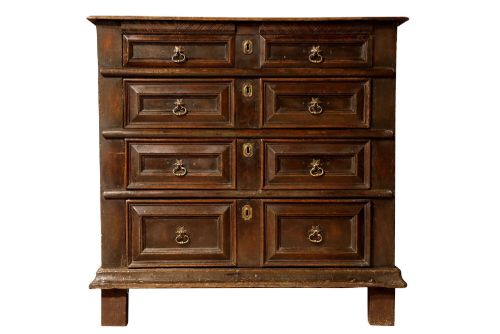
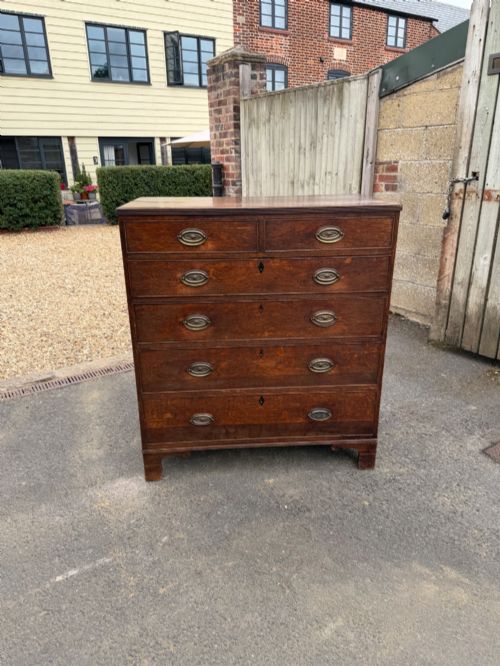

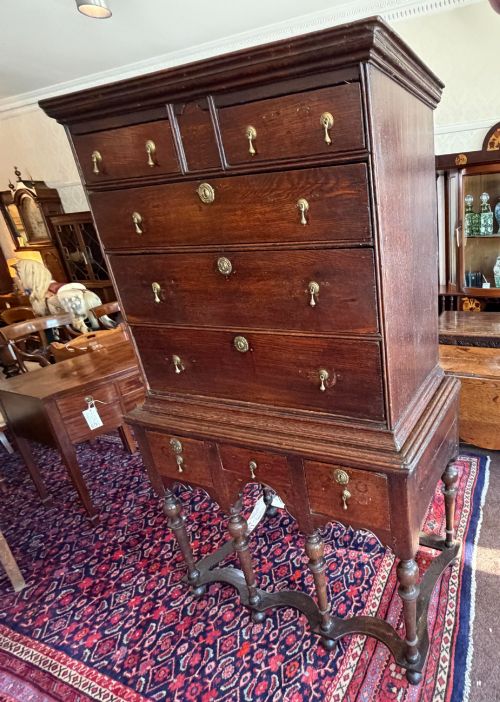
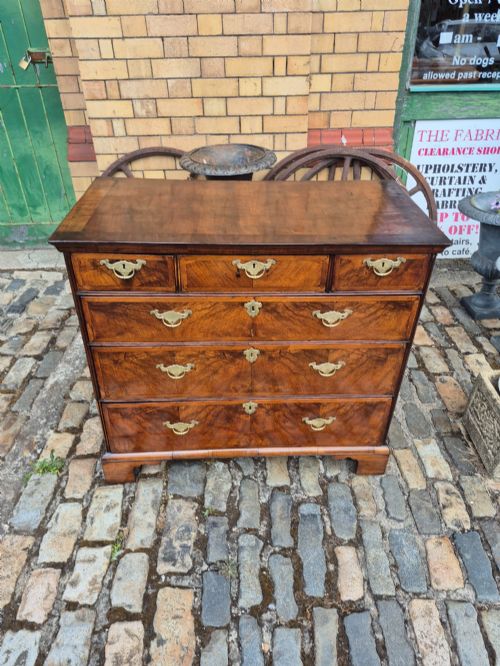
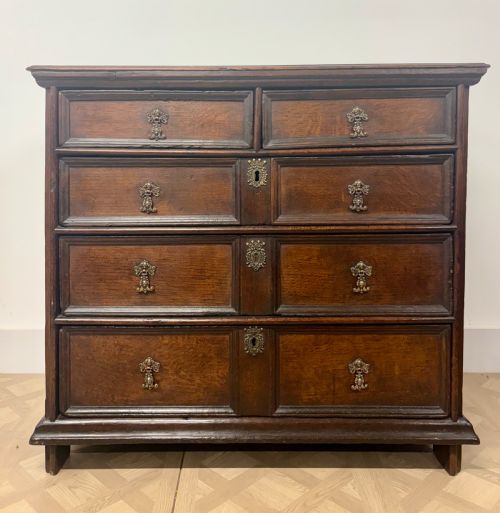
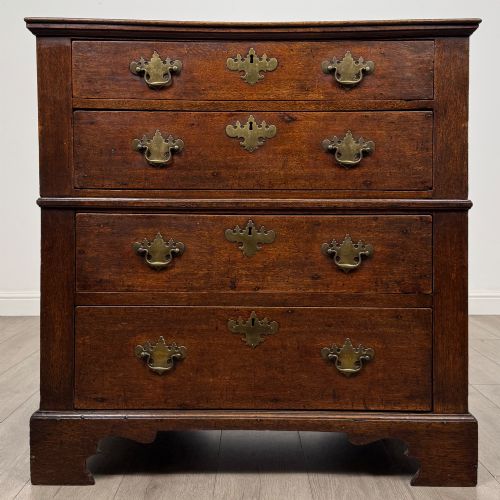
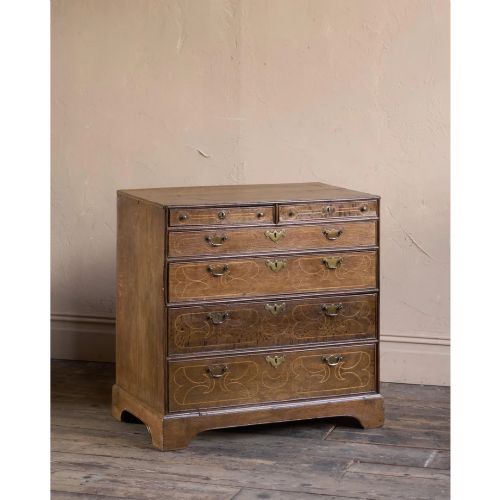
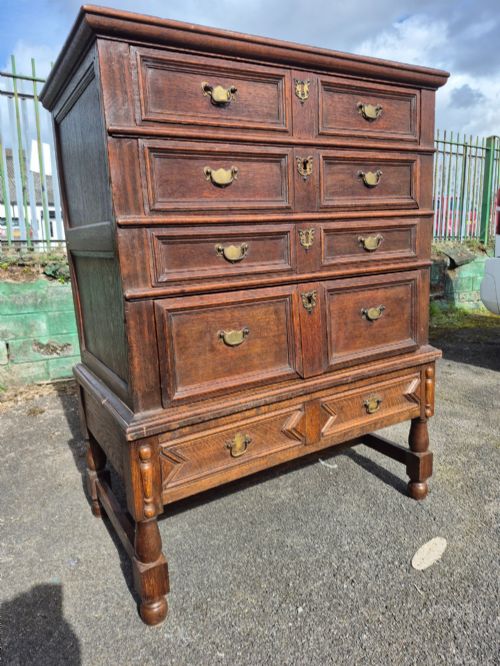

Period Oak Tallboy
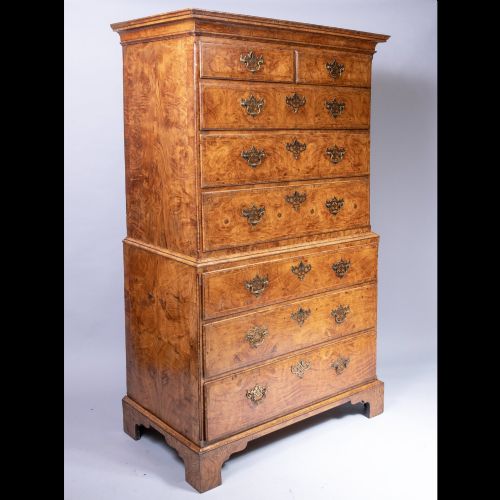
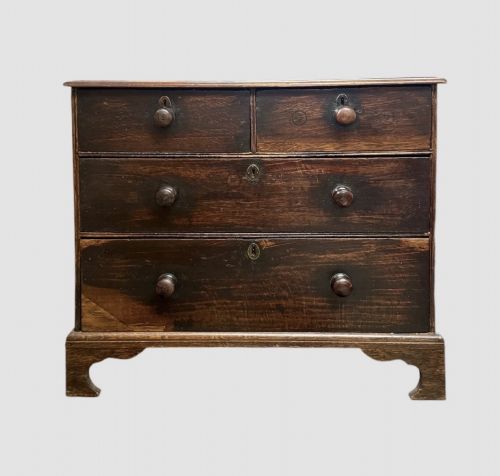
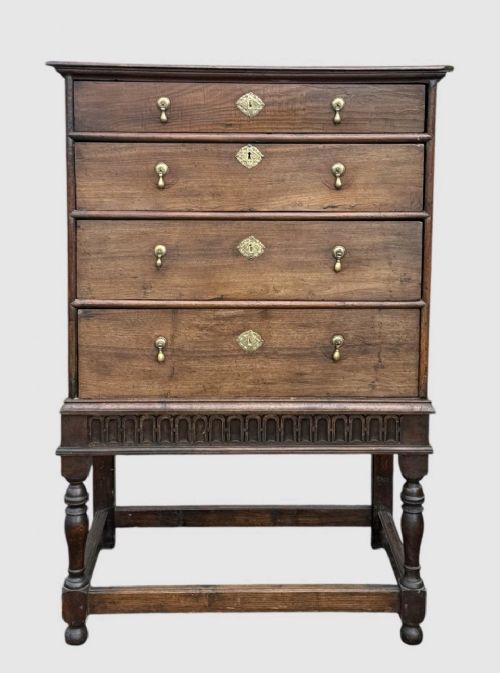
A period oak tallboy brings robust timber and towering presence into a room, offering substantial storage built to endure centuries.

Period Oak Tallboy
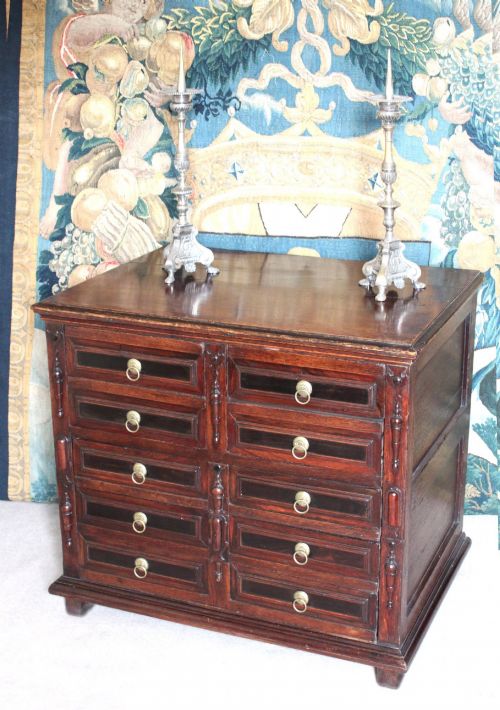
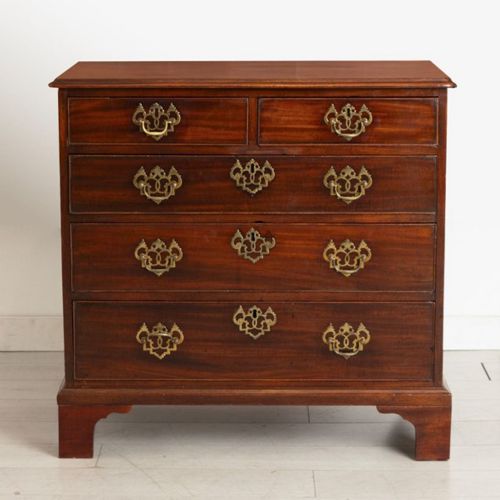
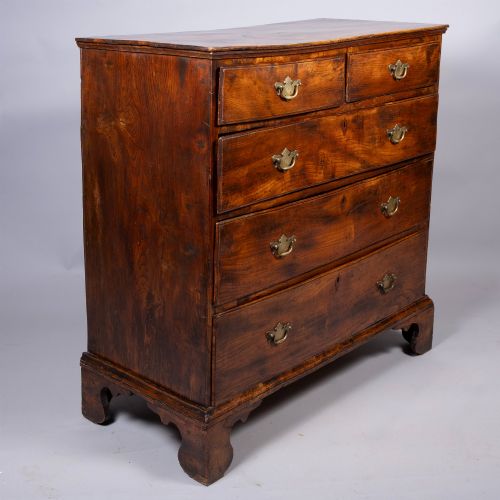
A search for a period oak tallboy leads to substantial case furniture designed for elevated storage across multiple drawers. The pieces appearing here span the seventeenth and eighteenth centuries, embracing eras from Charles II and William and Mary through to Georgian reigns. Buyers encounter tallboys alongside related forms such as chests on stands, bachelor pieces, and standard chests of drawers.
The versions most commonly met combine sturdy oak carcases with traditional drawer configurations arranged vertically to maximise floor space. Many examples incorporate secondary timbers like walnut, elm, and fruitwood inlay, reflecting the prevailing materials of their respective decades. These pieces serve as both practical storage cupboards and anchors for traditional interiors.
Materials and construction methods
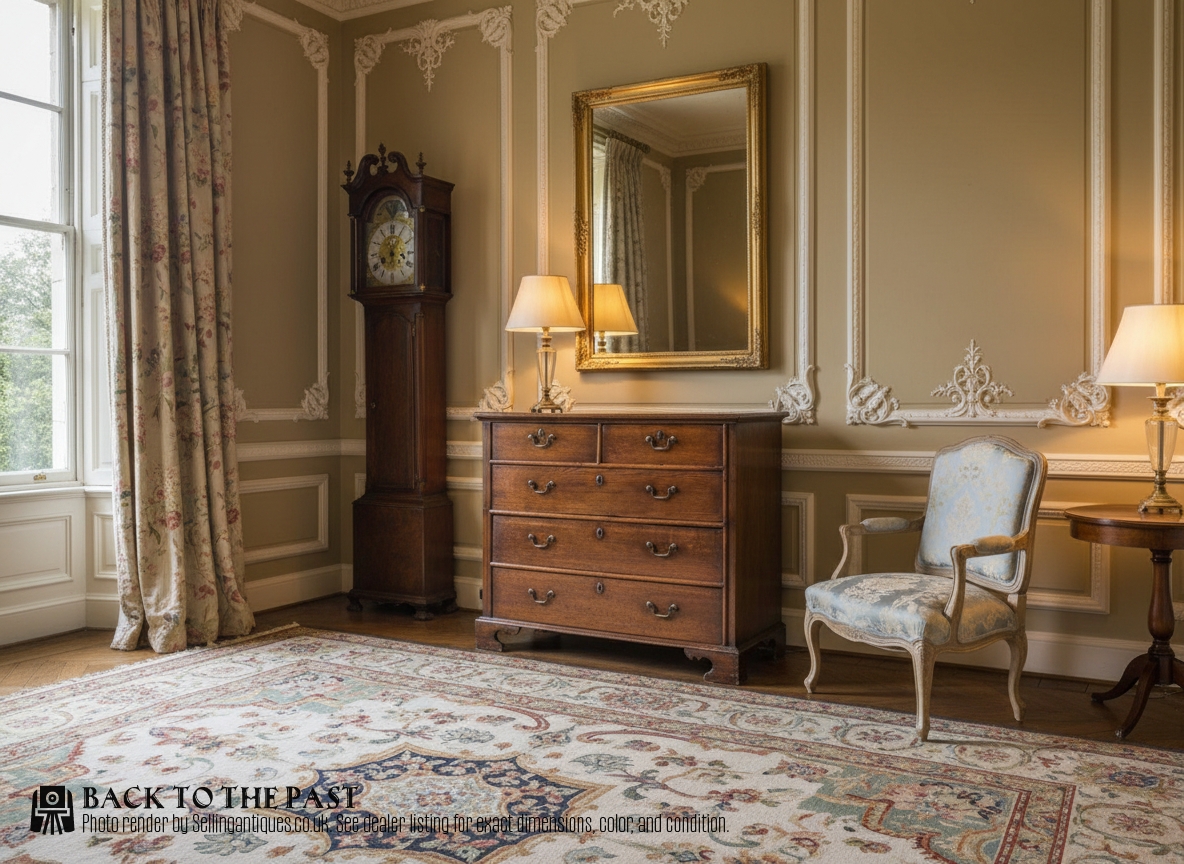
Joiners built these pieces primarily from solid oak, frequently employing elm, walnut, and fruitwood for contrasting veneers, cross-banding, and decorative highlights. Panels often display hand-planed surfaces and traditional frame-and-panel construction that accommodated the natural movement of timber over decades. Secondary woods appeared inside drawer linings and backing boards.
Hardware such as brass drop handles, escutcheons, and hinges secured doors and drawers, while bracket feet or sturdy stands elevated the main body from the floor. Craftsmen shaped moulded fronts using specialised planes, creating depth and shadow across drawer fronts without relying on excessive ornamentation.
Period Oak Tallboy Retail Price Guide 2026
Typical asking prices for period oak tallboy among the pieces listed under this phrase on Sellingantiques today, from the lower quarter to the upper quarter. They describe what is for sale here now, not the wider market.
Listings here span several decades, featuring oak alongside walnut, mahogany, elm, and fruitwood inlay across multiple periods.
Distinctions in quality
The hierarchy among these pieces rests upon the integrity of the timber figure, the crispness of the mouldings, and the survival of original surface patination. Pieces that retain their early brassware, unreplaced drawer linings, and original stand configurations command greater appreciation from collectors seeking untouched historical authenticity.
Proportion and balance also divide standard items from superior examples, particularly where walnut veneers or fruitwood inlay meet the primary oak structure with precision. Subtle variations in the depth of hand-cut mouldings and the tightness of dovetail joints reveal the hand of a more accomplished cabinetmaker.
The Period Oak Tallboy Glossary
- Tallboy
- A tall chest of drawers made by stacking one chest upon another, elevating storage capacity while maintaining a compact footprint on the floor. This form became popular during the late seventeenth and eighteenth centuries.
- Chest on stand
- A cabinet or chest raised above the floor on an independent frame with legs, often featuring extra drawer space in the lower section. These pieces frequently date to the William and Mary or Queen Anne periods.
- Bracket foot
- A simple foot shape supporting the corners of case furniture, formed by two mitred pieces meeting in a curve or right angle. This style replaced earlier ball or bun feet during the Georgian era.
- Cross-banding
- A decorative border of veneer laid around the perimeter of a drawer front or tabletop so that the grain runs perpendicular to the central panel. It provides a neat visual frame to figured woods.
- Oyster veneer
- Circular slices cut transversely from small branches or roots, creating intricate repeating patterns resembling oyster shells. This technique appeared on high-status furniture during the late seventeenth century.
Period Oak Tallboy: Frequently Asked Questions
What is a period oak tallboy?
A period oak tallboy is a stacked storage unit featuring multiple horizontal drawers, predominantly constructed from oak during the seventeenth and eighteenth centuries. These pieces were designed to hold clothing and household linens while occupying minimal floor space.
They combine upright proportions with sturdy joinery, representing a distinct evolution from lower chest designs into taller architectural forms.
How do I identify a seventeenth-century piece?
Seventeenth-century pieces typically exhibit heavier mouldings, frame-and-panel drawer construction, and dark patinated oak surfaces. Elements like geometric ornamentation and Charles II or William and Mary stylistic details often point to this earlier era.
Hardware configurations and timber selection further separate these seventeenth-century examples from lighter eighteenth-century Georgian furniture.
Where were these pieces used in the home?
Historically, tallboys and related chests served private sleeping quarters and dressing rooms to store garments securely out of sight. Their vertical build made them practical for rooms with limited wall space.
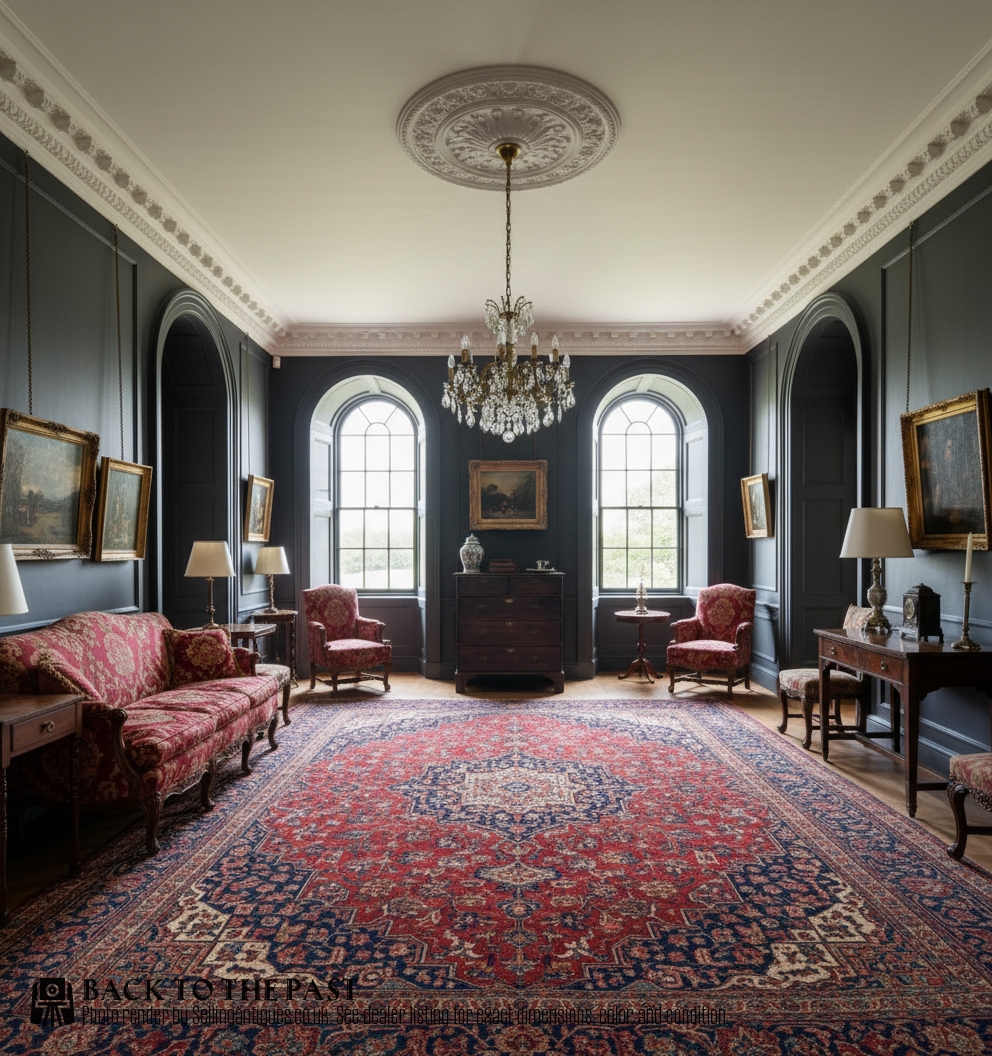
Today, owners place them in bedrooms, hallways, and living spaces where their substantial presence and deep drawers offer functional storage.
What maintenance do oak tallboys need?
Oak furniture benefits from stable indoor humidity and gentle cleaning with traditional beeswax rather than modern chemical polishes. Keeping the timber away from direct heat sources prevents warping and protects the historical finish.
Regular care preserves the natural lustre of the wood and maintains the smooth sliding action of the drawers.