


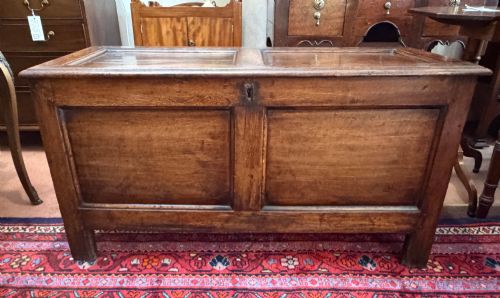
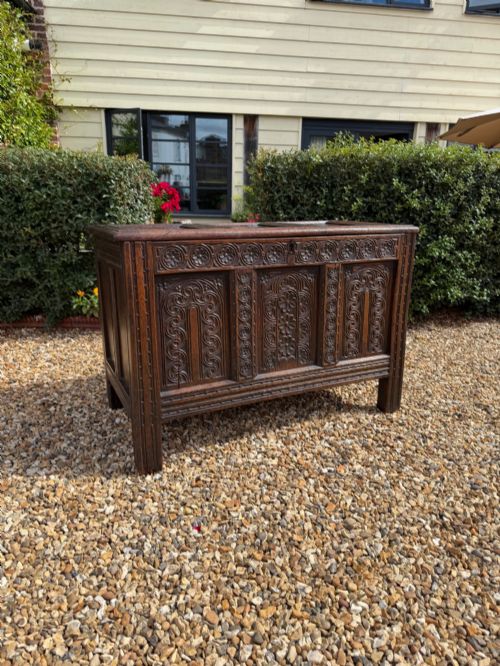
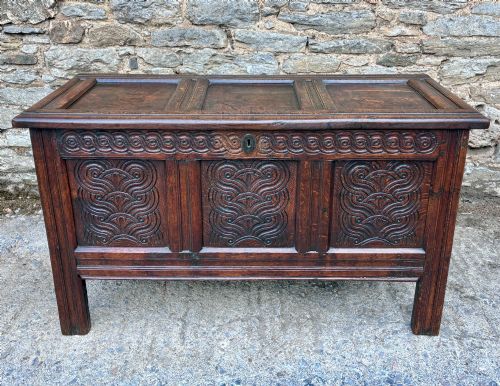
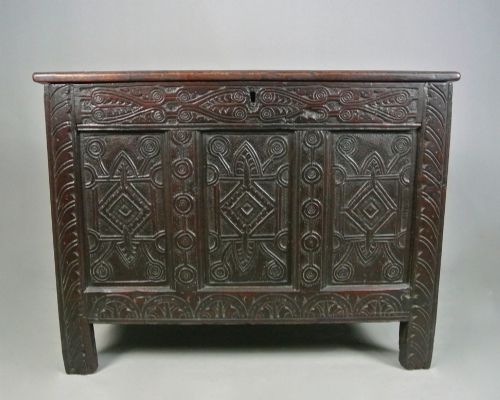
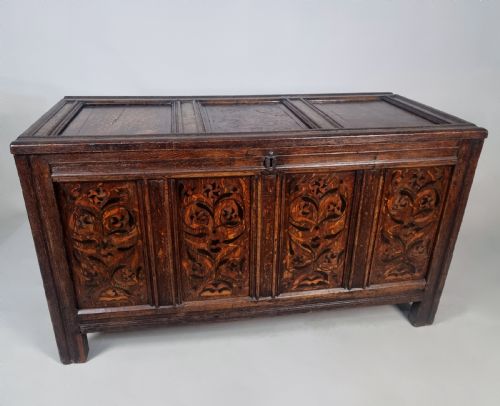
Period Oak Storage Box
A period oak storage box brings centuries of honest utility into a room, offering robust timber construction designed to safely house household goods.
Understanding the period oak storage box
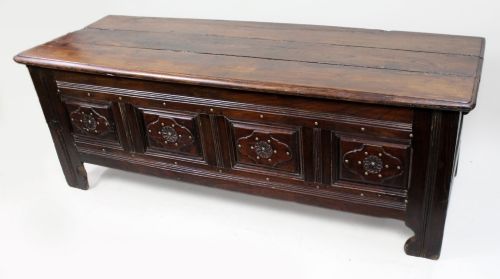
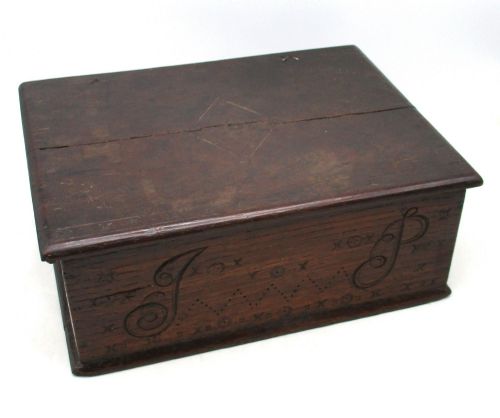
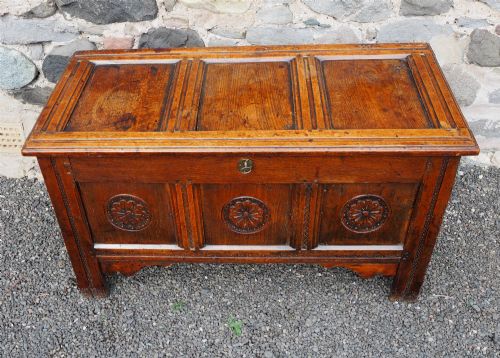
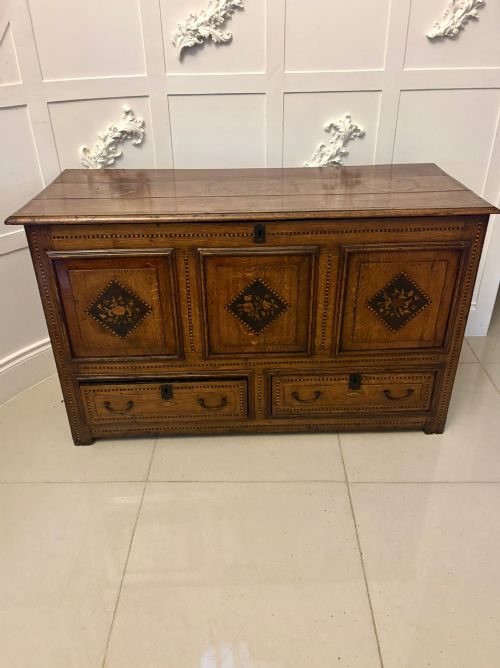
A period oak storage box encompasses traditional coffers and chests built to house household goods and textiles. When searching for a period oak storage box, buyers most frequently encounter pieces originating from the seventeenth and eighteenth centuries, alongside later revival interpretations.
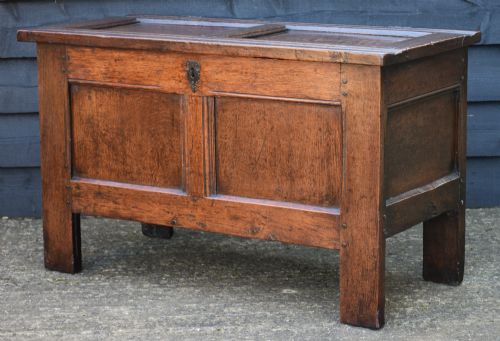
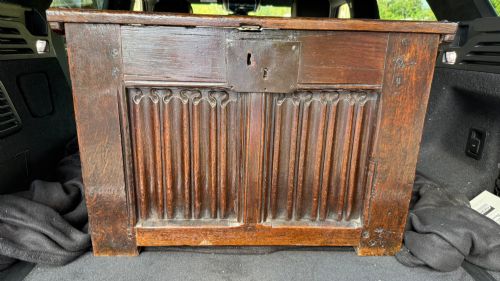
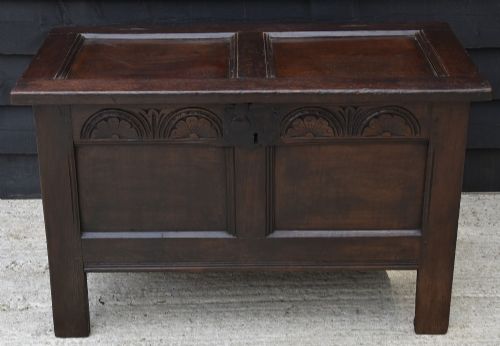
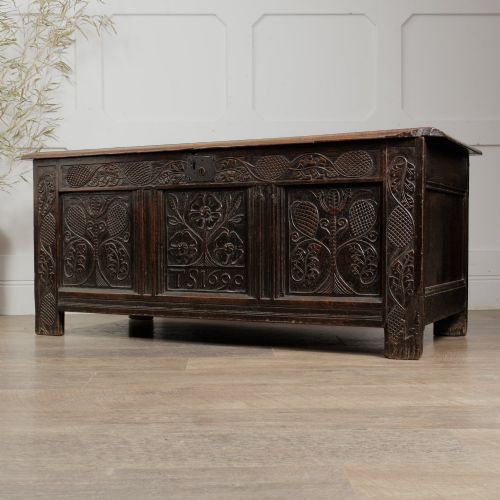
The objects listed range from small seventeenth-century Lakeland examples to larger framed coffers and eighteenth-century storage chests. These sturdy containers served vital domestic roles across generations before entering the antiques market.
Materials and construction
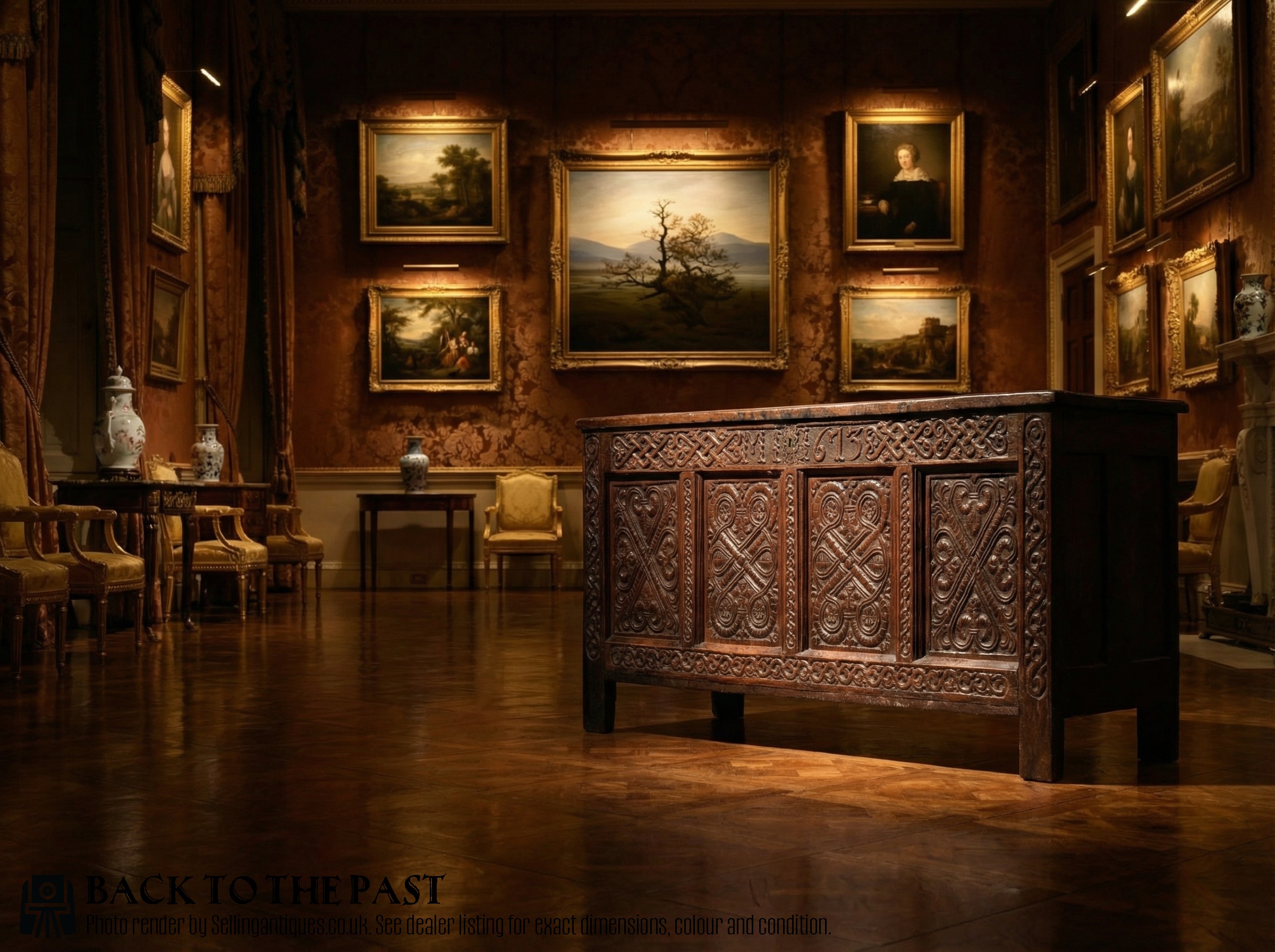
Master craftsmen built these pieces predominantly using solid oak, chosen for its exceptional durability and abundance. Iron and brass hardware frequently supplemented the heavy timber framework, appearing as hinges, lockplates and carrying handles.
Joinery techniques relied on pegged frames and panel construction to accommodate the natural expansion and contraction of timber over centuries. Carpenters shaped the heavy boards using hand tools, leaving subtle tool marks that confirm their age.
Retail Price Guide 2026
Typical UK retail prices for period oak storage box, calculated from the Sellingantiques database of over a million retail prices indexed since 2003. This retail price guide relies exclusively on Sellingantiques data; no external sources or auction records are used, so the figures do not describe the wider market.
Materials recorded across the archive include solid oak timber alongside iron and brass hardware.
Assessing craftsmanship and condition
Quality in these pieces is dictated by the integrity of the timber, the sophistication of the joinery and the survival of original hardware. Superior examples retain their early patination and untouched surface colour, whereas heavily restored pieces lack the same historic resonance.
Finer boxes often display thoughtful proportions and careful detailing on the panels, contrasting with utilitarian containers built purely for basic utility. The presence of original iron or brass fittings elevates a piece, distinguishing workshop masterworks from provincial village carpentry.
The Period Oak Storage Box Glossary
- Oak
- A hard, durable timber native to Britain, prized for its strength and prominent grain patterns. It forms the structural foundation of virtually all these storage pieces.
- Coffer
- A traditional heavy wooden chest used historically for storing valuables, documents or textiles. These sturdy boxes often feature hinged lids and raised feet.
- Jacobean
- An architectural and decorative style spanning the early seventeenth century, characterised by solid construction and geometric panel carving. Pieces from this era display distinct period proportions.
- Patina
- The deep, lustrous surface sheen developed by timber over centuries of handling, polishing and exposure to light. This aged skin is a primary indicator of authenticity.
Frequently Asked Questions
What were these boxes originally used for?
These robust containers served primarily to store valuable household textiles, blankets, and dry goods securely within domestic settings. Their sturdy construction also allowed them to function as makeshift tables or seating benches in early homes.
Over generations, families relied upon them to safeguard important documents and family heirlooms against dampness and theft. Their heavy lids and strong locks provided essential security before fitted closets became common.
How do I care for antique oak furniture?
Protect antique oak by placing storage pieces away from direct sunlight and heat sources, which can cause the timber to split. Maintain a stable indoor humidity level to preserve the historic wood.
Apply a traditional beeswax polish sparingly to nourish the grain and enhance the natural patina. Avoid modern silicone-based sprays, as they can permanently damage the historic finish.
How do I distinguish seventeenth-century pieces?
Seventeenth-century examples typically display pegged frame construction, hand-riven oak boards, and period joinery characteristics like moulded panels. They often exhibit a darker, heavier timber presence developed over centuries.
Later revival pieces or eighteenth-century boxes show different tool marks, altered proportions, or hardware styles indicative of their specific period of manufacture.
Are these chests suitable for modern homes?
These versatile boxes integrate easily into contemporary interiors, providing practical concealed storage for blankets, cushions, or everyday clutter. Their flat lids allow them to function effectively as coffee tables or window seats.
The rich texture of aged oak adds historic character and warmth to modern living spaces while remaining thoroughly functional.