

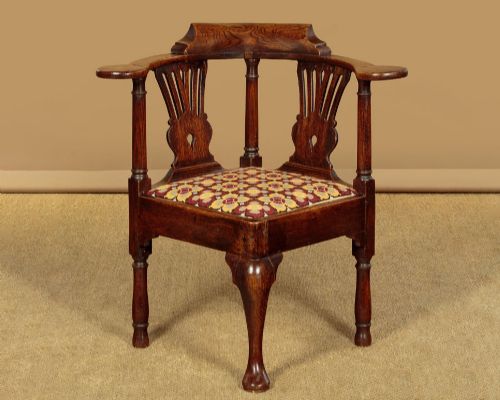

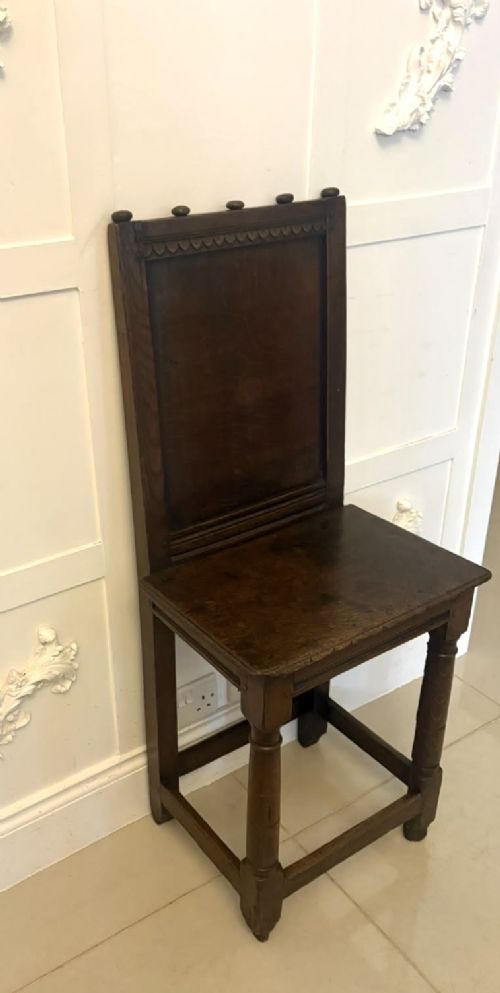
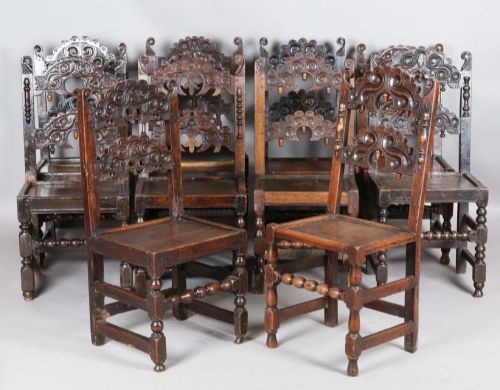
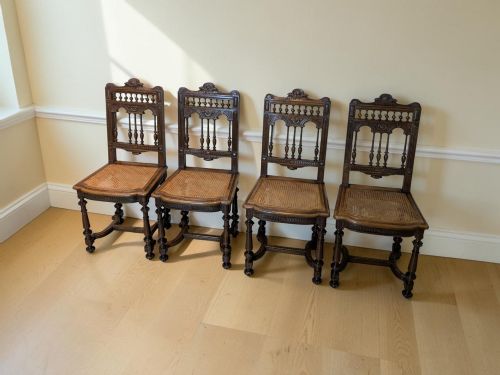
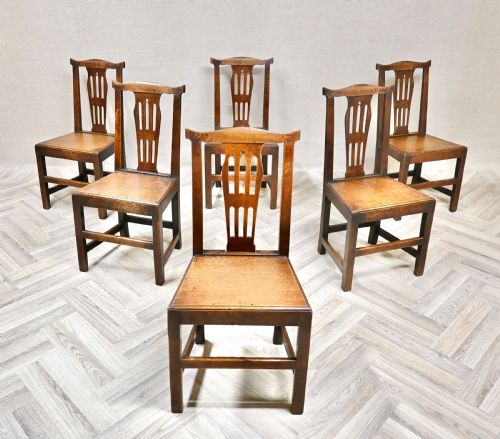
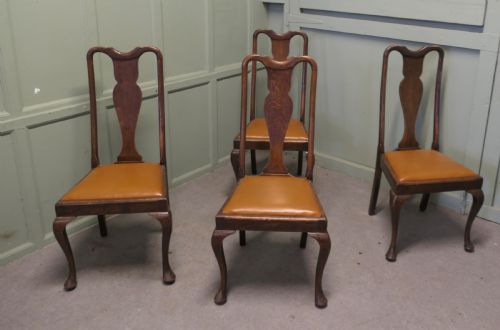
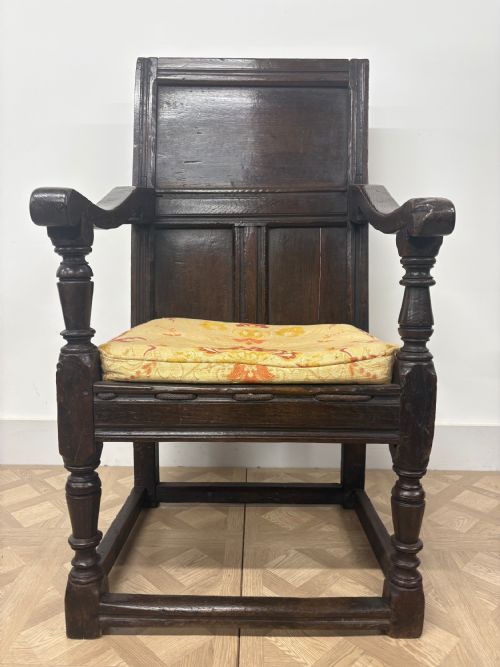
Period Oak Chair
A period oak chair brings centuries of English craftsmanship and solid timber character into a modern interior.
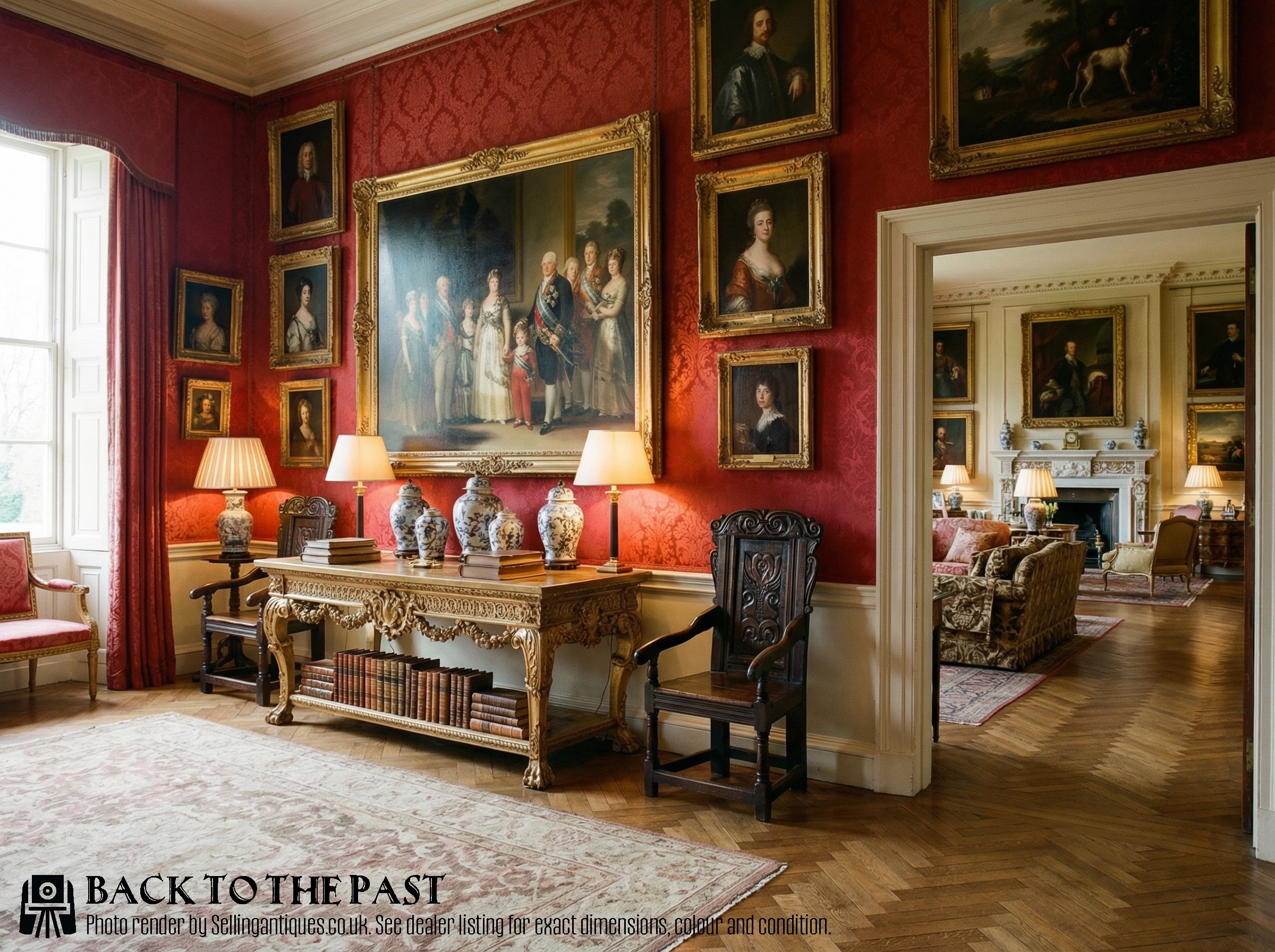
Period Oak Chair
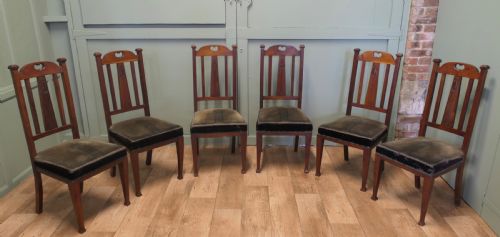
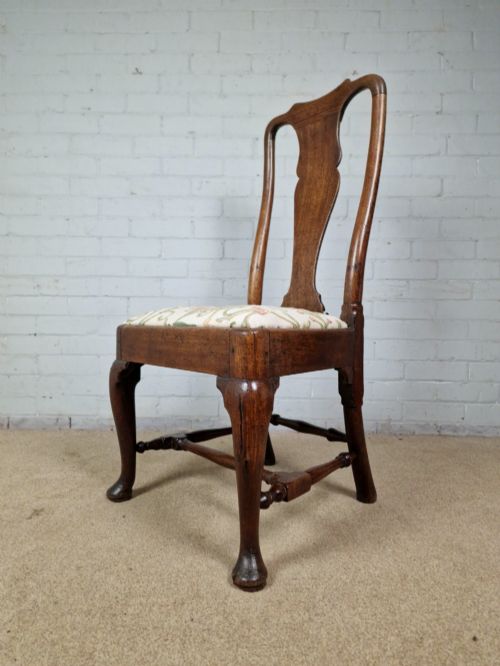
A period oak chair represents tangible domestic history, spanning from the robust vernacular seating of the seventeenth century to the refined dining sets of the Georgian era and the functional design of the Arts and Crafts movement.
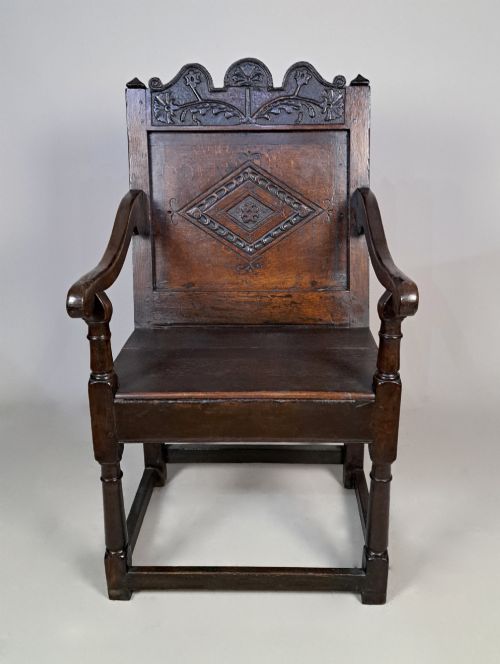
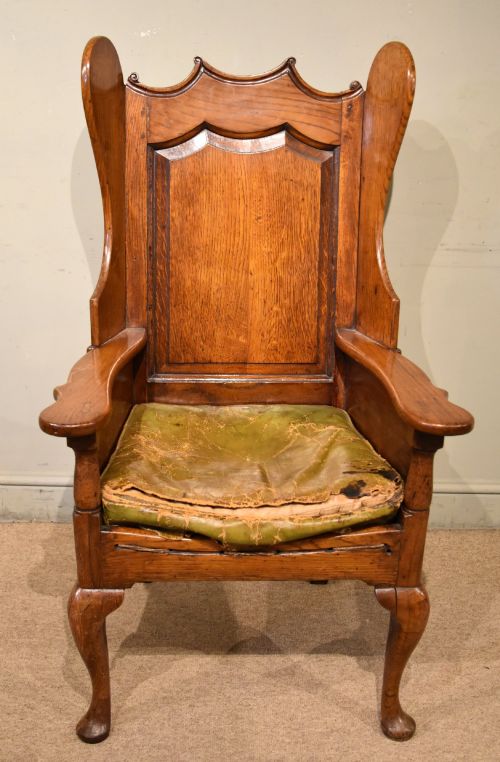
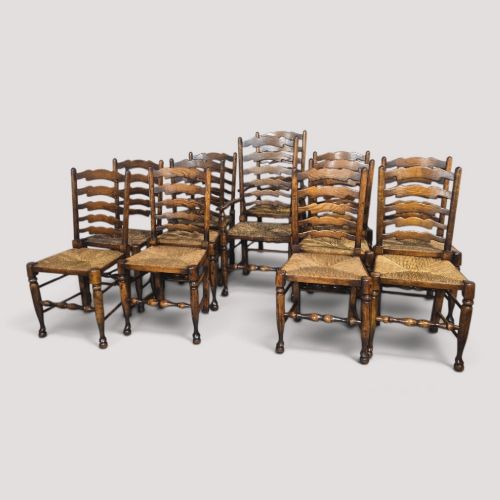
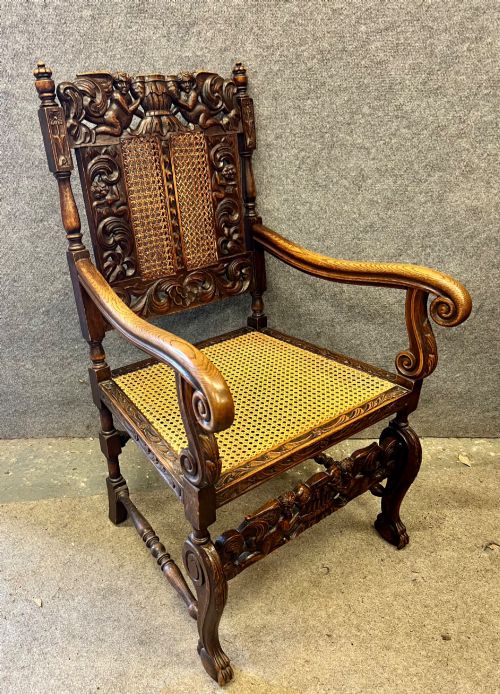
Buyers browsing this selection encounter everything from high-backed wainscot armchairs and solid country dining chairs to ladder backs and comb back Windsors, built for heavy daily use in farmhouses, halls and formal rooms.
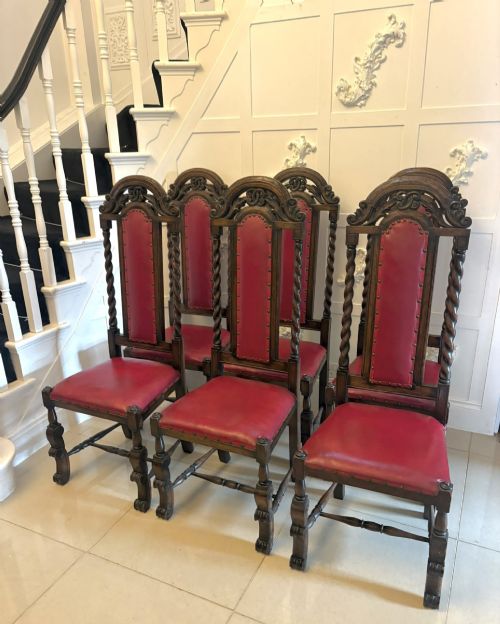
Seventeenth-century wainscot and panel-back armchairs dominate the early forms, whilst sets of dining chairs from the eighteenth and nineteenth centuries cater to domestic gatherings.
How they were made
Cabinet makers and vernacular joiners relied primarily on native solid oak, frequently augmented by secondary timbers such as elm, ash, and fruitwood for legs, spindles and structural pins.
Construction involved traditional joinery methods including mortise and tenon joints secured with wooden dowels, alongside turned components shaped on lathes and hand-carved cresting rails.
Upholstery, where present, utilises historical textiles like velvet, leather, and modern specialist fabrics applied over webbed or stuffed foundations.
Period Oak Chair Retail Price Guide 2026
Typical asking prices for period oak chair among the pieces listed under this phrase on Sellingantiques today, from the lower quarter to the upper quarter. They describe what is for sale here now, not the wider market.
Listings feature oak alongside elm, ash, and mahogany, spanning eras from the seventeenth century through the Edwardian period.
What varies in quality
The degree of original surface survival and timber patination dictates much of the distinction between examples, with untouched historical colour holding superior merit over later surface alterations.
Structural integrity depends on the retention of original joinery, uncompromised timber sections, and minimal replacement of structural frame members over centuries of use.
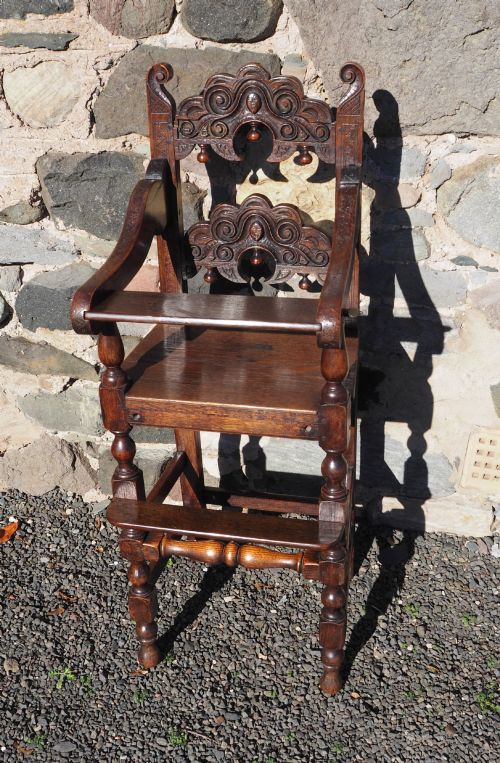
The ambition of the carving on cresting rails, arm supports and panel backs distinguishes standard utility pieces from high-status regional commissions.
Strahan of Dublin·Shapland and Petter of Barnstaple·George Montague Ellwood
The Period Oak Chair Glossary
- Wainscot chair
- A heavy wooden armchair of seventeenth-century origin, constructed with panelled timber backs and solid wooden seats. These items served as principal seats of authority in domestic interiors.
- Comb back Windsor
- A vernacular seating form featuring a high back constructed with vertical spindles rising through a bentwood arm bow and topped by a distinct comb piece. The design provides ergonomic support.
- Harlequin set
- A collection of dining chairs that share a unified style, period or material, but were gathered from different sources rather than manufactured as a single workshop batch. This assembling method is common in period dining seating.
- Ladder back
- A chair design characterised by horizontal arched slats or rails spanning the open back frame. The construction offers lightweight strength and vernacular charm.
- Refectory
- A long dining form associated with institutional or large domestic halls. Tables and accompanying benches or chairs from this context share heavy proportions and linear stretchers.
Period Oak Chair: Frequently Asked Questions
How do I identify a seventeenth century wainscot chair?
Seventeenth-century wainscot chairs are defined by heavy solid oak construction, panelled wooden backs, and mortise and tenon joints pegged together by hand. They often feature carved cresting rails and sturdy armrests designed for longevity.
Looking underneath and at the back reveals the tool marks and timber shrinkage characteristic of early joinery. These architectural seats were built to dominate a room long before upholstered comfort became standard.
Can I use antique oak chairs for daily dining?
Solid oak dining chairs from the Georgian and later periods were engineered for robust daily use around the household table. Their sturdy timber frames handle regular sitting remarkably well.
Checking the stability of the stretcher base and leg joints ensures safe placement in a modern dining room. Pairing them with a sturdy table creates a functional dining space rooted in history.
What is the difference between a side chair and an armchair?
Side chairs are built without armrests, designed to tuck neatly beneath dining tables or line the walls of a hallway or parlour. They offer a compact footprint while maintaining the decorative style of the period.
Armchairs feature structural elbow rests and wider seats, historically reserved for the head of the household or prominent placement by a hearth. Both types utilise the same regional timber traditions and construction methods.
How do I care for antique oak furniture?
Maintaining period oak involves keeping the timber away from direct heat sources and dramatic humidity fluctuations, which can cause wood to split or warp. Regular dusting with a dry cloth protects the historic surface patination.
Applying occasional specialist wax feeds the grain without building up a sticky residue. Treating the wood gently preserves its colour for future generations.