





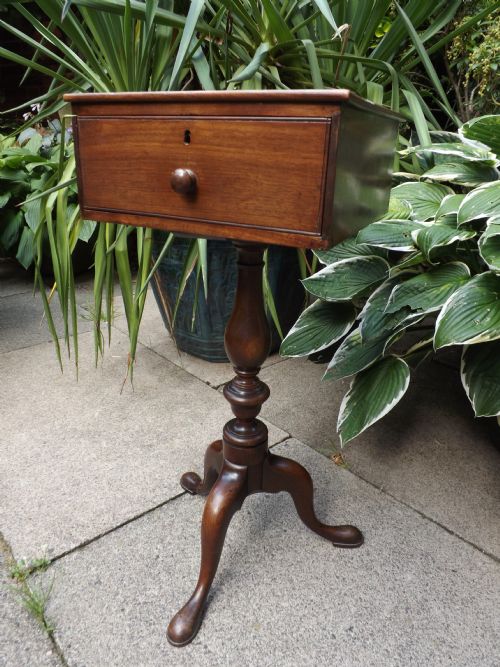
Period Mahogany Wine Box
A period mahogany wine box stands as a handsome piece of dining room furniture designed to keep bottles cool and secure during fine meals.
Period Mahogany Wine Box
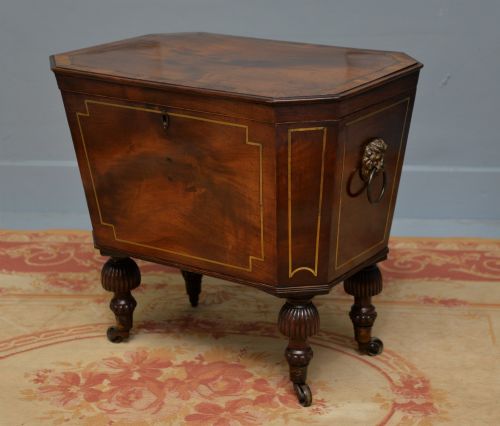
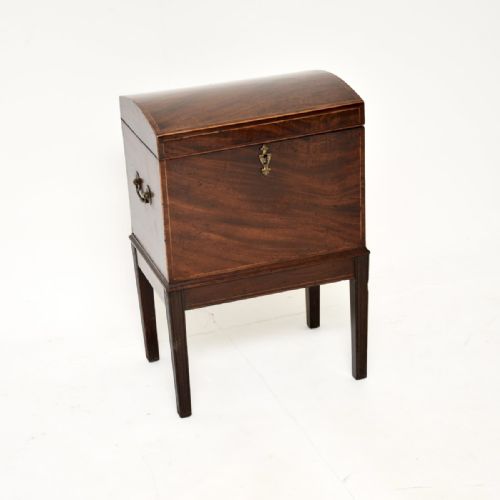
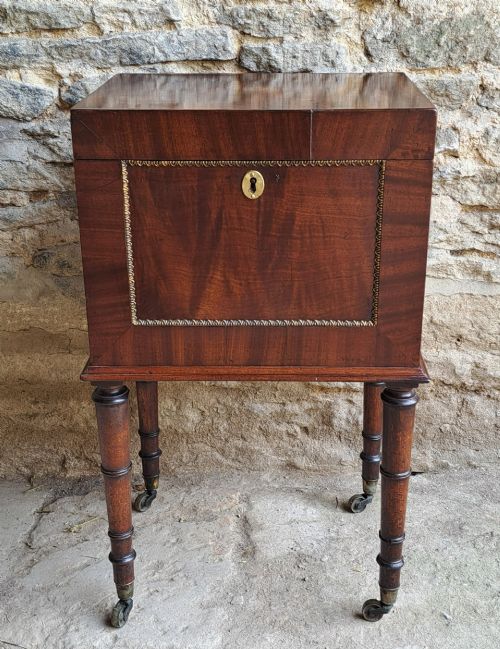
A period mahogany wine box encompasses robust wine coolers, cellarettes, and sarcophagus-shaped vessels produced primarily during the Georgian and Regency eras. These containers served the dining room by holding bottles and ice before refrigeration became common.
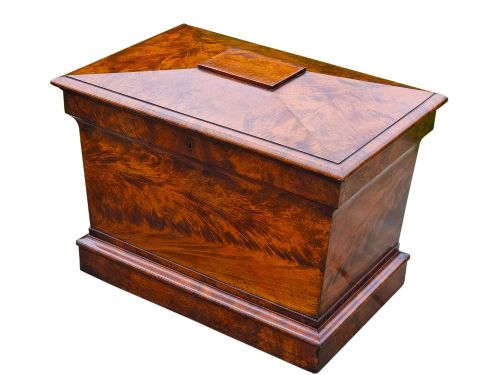
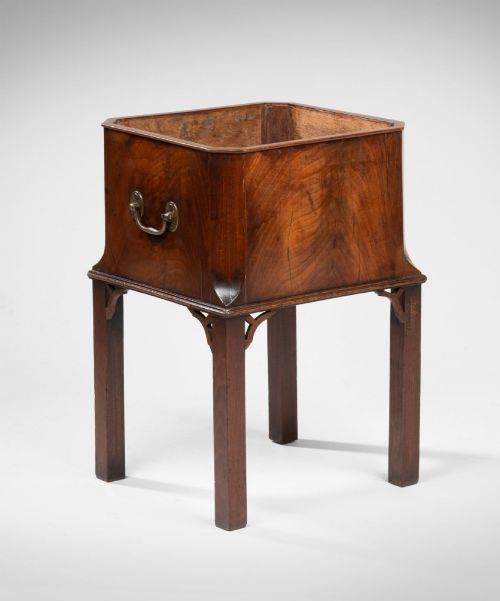
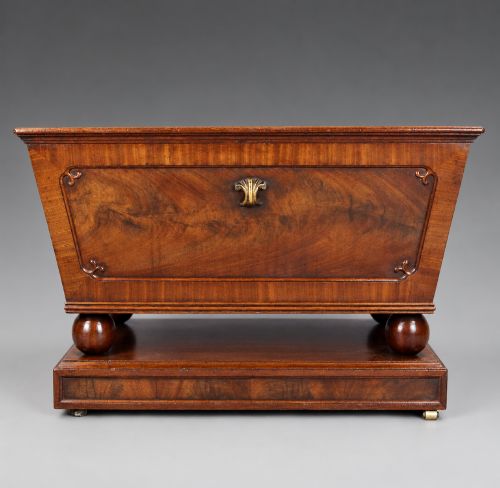
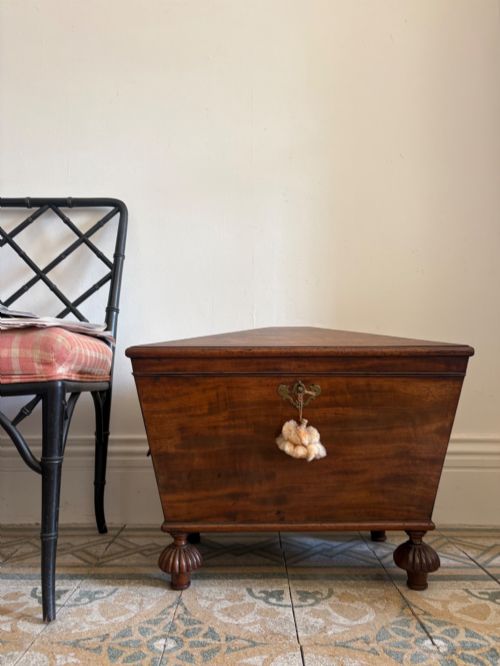
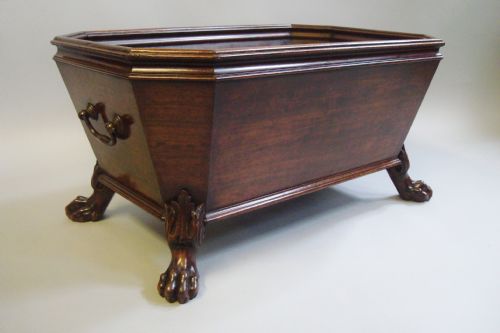
The pieces on this page span from the mid eighteenth century into the nineteenth century, showing formal Georgian lines and bolder Regency proportions. Examples range from oval vessels on tripod bases to substantial sarcophagus forms supported on paw feet.
Makers and workshops of the period utilised rich timbers such as flame mahogany veneer and solid mahogany to construct these functional boxes. Many retain interior lead or zinc linings designed to hold melting ice alongside heavy glass bottles.
Materials and construction methods
Cabinet makers selected dense mahogany and applied striking flame mahogany veneers to create deeply figured exterior surfaces that caught candlelight. Brass inlays, ormolu mounts, and carrying handles were frequently added to enhance both utility and visual weight.
Interior storage required practical waterproofing, achieved through fitted lead or zinc liners that could withstand moisture from ice and dripping bottles. Sturdy framing ensured the heavy wood could support the intense weight of wet contents without warping.
Period Mahogany Wine Box Retail Price Guide 2026
Typical asking prices for period mahogany wine box among the pieces listed under this phrase on Sellingantiques today, from the lower quarter to the upper quarter. They describe what is for sale here now, not the wider market.
Several wine boxes include original lead linings that whisper tales of long dinner parties and melting ice from centuries past.
Distinctions in quality and execution
The fineness of a period mahogany wine box rests in the selection of timber veneers and the crispness of brass or wood inlay. Superior examples display symmetrical flame figuring across every face and seamless mitred joints.
Internal condition also dictates quality, particularly the presence of original lead or zinc linings and functioning brass hardware. Pieces associated with documented makers or distinct regional styles carry greater distinction in their carving and proportion.
Gillows·Thomas Hope
The Period Mahogany Wine Box Glossary
- Cellarette
- A lockable container used for storing wine bottles near the dining table. They often feature fitted interior compartments and internal metal linings.
- Sarcophagus
- A monumental box shape with a sloping lid, popular during the Regency period for large wine coolers. The form draws inspiration from classical antiquity.
- Flame mahogany
- A highly figured cut of mahogany wood showing distinctive flickering grain patterns resembling flames. Cabinet makers prized this veneer for principal exterior surfaces.
- Ormolu
- Gilt bronze mounts applied to furniture for decorative contrast. This technique highlights prominent corners and handles on upscale Regency pieces.
Period Mahogany Wine Box: Frequently Asked Questions
What is a period mahogany wine box?
A period mahogany wine box is a Georgian or Regency container built to hold wine bottles and ice in the dining room. These pieces combine heavy timber construction with internal metal linings for practical cooling.
They appear in various formats, including sarcophagus shapes on paw feet and oval vessels on tripod bases. The exteriors often showcase figured mahogany veneers and brass hardware.
How were these wine boxes used?
Dining rooms during the eighteenth and nineteenth centuries lacked modern refrigeration, so these boxes held ice and bottles close to the table. Servants placed wine inside with ice to chill the contents before serving guests.
The heavy lead or zinc linings caught melting water, protecting the surrounding timber and dining room floors from moisture damage.
How do I date a wine box?
Dating relies on observing the prevailing style, timber choices, and construction details of the piece. Georgian examples often display restrained lines, while Regency boxes embrace classical sarcophagus proportions and bold brass details.
Hardware styles, foot designs such as paw feet, and the specific cut of mahogany veneer provide further clues to the decade of manufacture.
Where should I place a wine box at home?
These large wooden vessels suit living rooms, studies, or dining spaces as freestanding decorative furniture or storage chests. Their generous internal capacities make them suitable for holding blankets or modern items.
Keeping them away from direct heat sources helps protect the antique mahogany timber and historic veneer from drying out.