


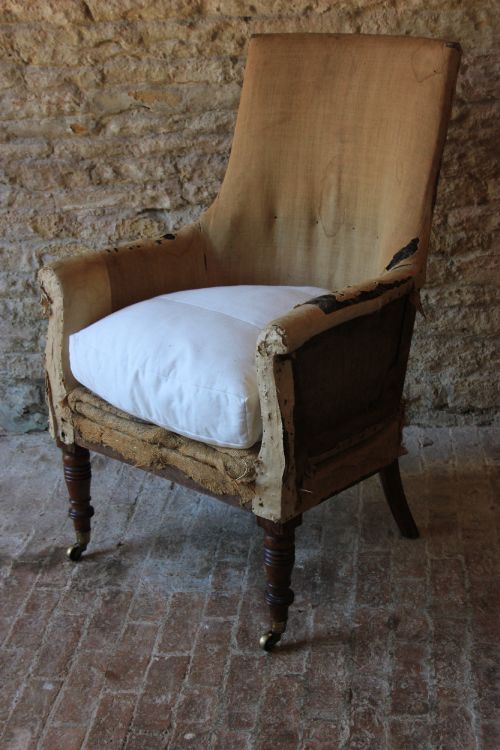
Period Mahogany Seat
A period mahogany seat brings rich timber warmth and classic proportion into a room, spanning grand dining chairs, library armchairs and window benches.
Period Mahogany Seat
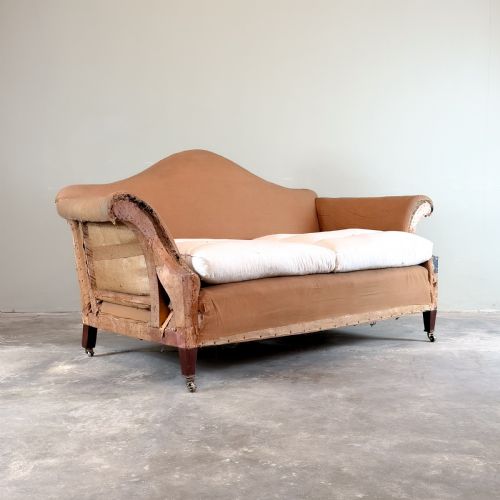
A period mahogany seat encompasses a broad range of antique domestic furniture, from single dining chairs and carvers to window seats, hall benches, library armchairs and sofas. The listings show a heavy concentration of Georgian and Regency pieces alongside later Victorian and Edwardian examples.
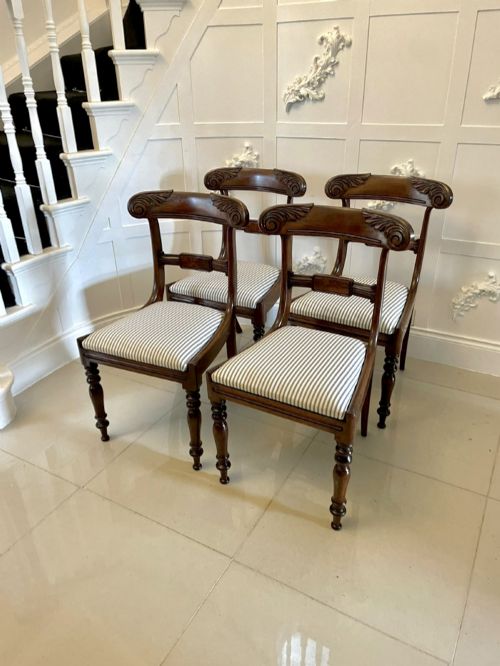
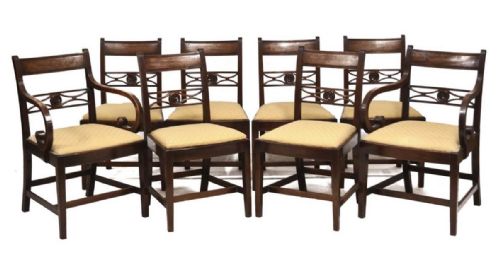
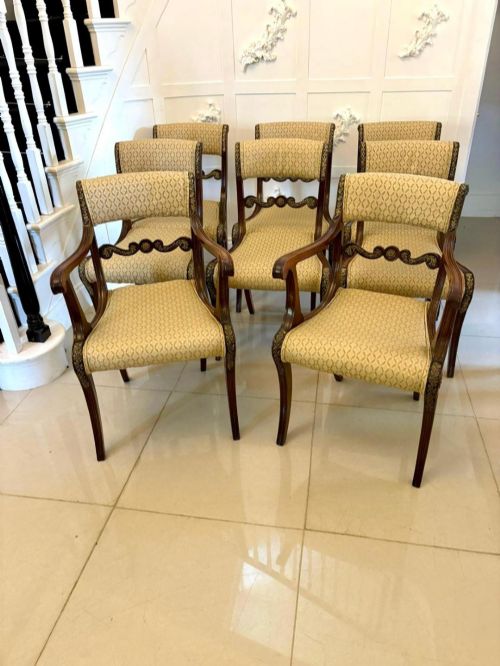
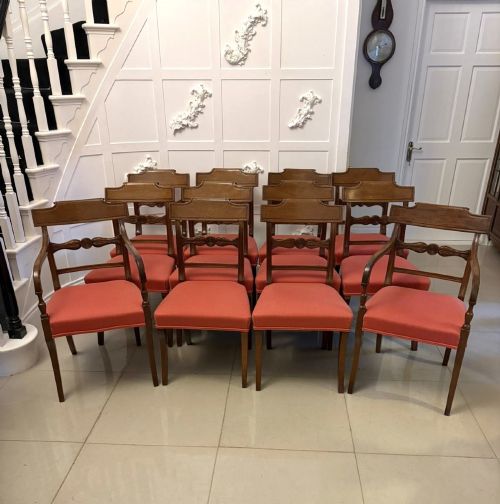
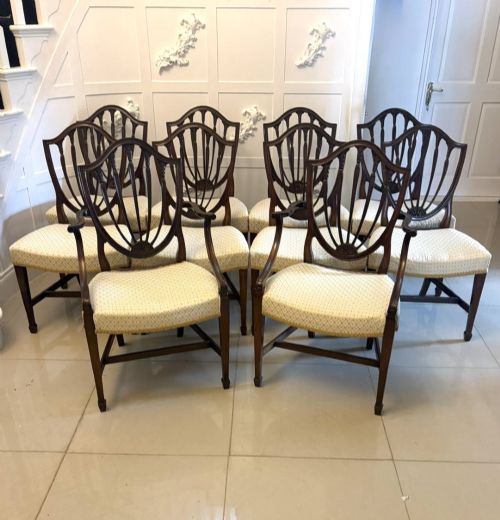
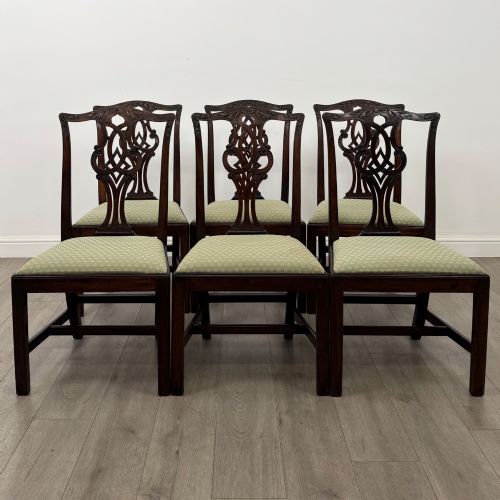
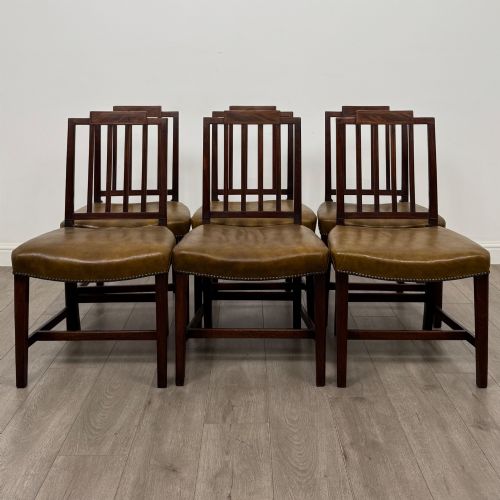
Dining chairs appear most frequently on this page, often found in sets ranging from four up to twelve pieces. Window seats and hall benches also feature prominently, offering elongated forms with roll-end supports or carved frames.
How they were made
Makers utilised solid mahogany and mahogany veneers over secondary woods, shaping the frames with hand tools and joinery methods appropriate to each era. Upholstery involved traditional stuffing techniques covered in fabric, velvet, textile, brass-studded leather or cane work.
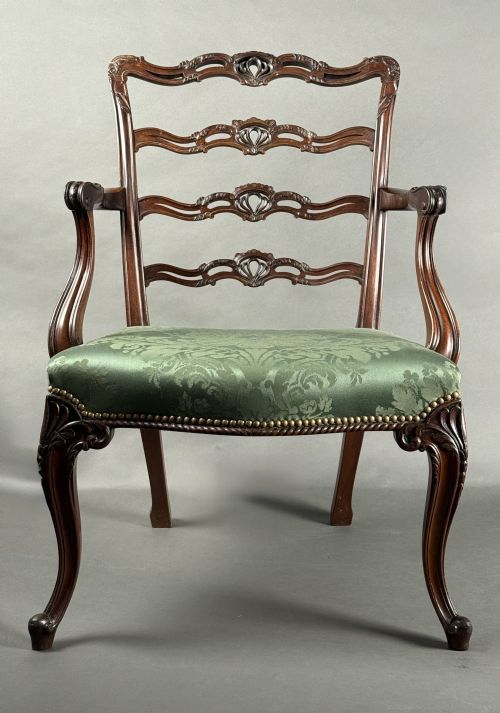
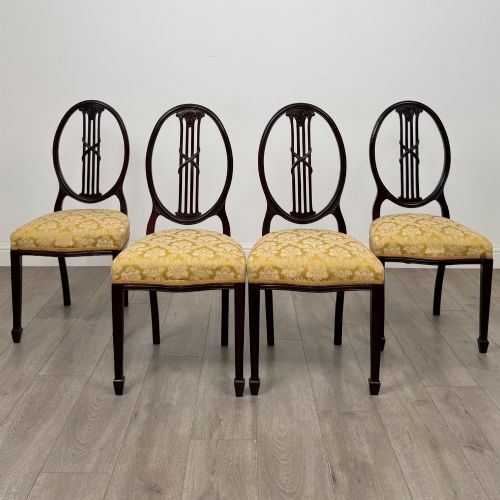
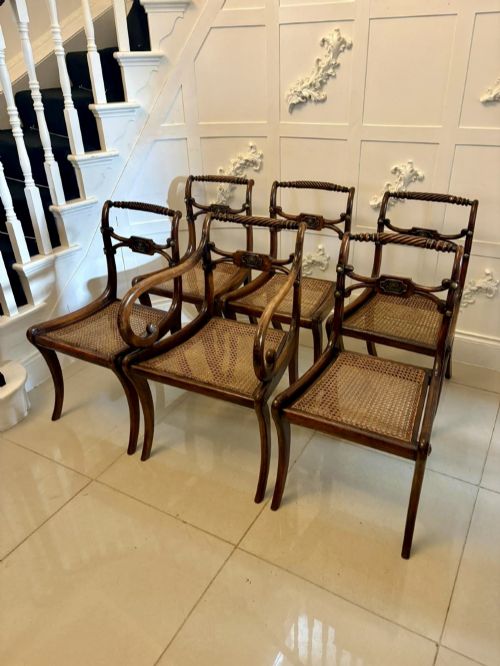
Carving, piercing and inlay define the decorative surface work, seen in shield backs, bar backs, ladder backs and cabriole legs. Brass accents and needlework tapestry covers further distinguish the finished pieces.
Period Mahogany Seat Retail Price Guide 2026
Typical asking prices for period mahogany seat among the pieces listed under this phrase on Sellingantiques today, from the lower quarter to the upper quarter. They describe what is for sale here now, not the wider market.
Several window seats arrive ready with cylindrical roll-ends, ideal for an impromptu nap by the glass.
What varies in quality
Quality rests in the crispness of the carving, the selection of timber grain and the original integrity of the frame. Sets matched across many chairs command greater consideration than assembled groups, while crisp bar backs, detailed lyre backs and fine Chippendale or Hepplewhite proportions elevate individual pieces.
Maple and Co
The Period Mahogany Seat Glossary
- Carver
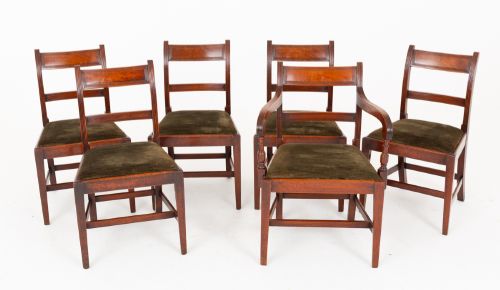
- An armchair designed to match a set of dining chairs, usually placed at the head of the table. These often feature open arms and wider proportions.
- Window Seat
- An elongated stool or bench designed to fit beneath a window bay, frequently featuring roll-end supports or upholstered ends.
- Shield Back
- A chair back shaped in the outline of a heraldic shield, popular in the late eighteenth century through designers such as Hepplewhite and Sheraton.
- Cane
- Woven rattan material utilised for chair seats and back panels, offering a lightweight and resilient seating surface.
- Bar Back
- A horizontal wooden slat or rail forming the upper portion of a chair back, characteristic of the William IV and Regency periods.
Period Mahogany Seat: Frequently Asked Questions
How do I date a mahogany chair?
Dating relies on stylistic shifts, such as the transition from heavy cabriole legs in the mid-eighteenth century to slender Sheraton or Hepplewhite straight legs, and later Regency and William IV reinterpreted classical forms.
Construction marks, timber weight and secondary woods hidden beneath the frame also offer clear indicators of the period.
Are dining chairs sold as single pieces?
Most dining chairs on this page appear in matched sets ranging from four to twelve pieces, often including a pair of carvers for the table ends.
Single chairs and pairs do occasionally appear, particularly for library armchairs, bedroom chairs or hall seats.
What is the difference between a hall bench and a window seat?
Hall benches and window seats share similar elongated proportions, but hall benches traditionally stood in entrance halls for visitors to remove boots.
Window seats were specifically scaled to sit beneath windows and frequently feature upholstered pads or decorative roll-ends.