



Period Lead Crystal Glass
Period lead crystal glass carries a pleasing weight in the hand, formed from heavy metals that allow deep cutting and sharp engraving.
Period Lead Crystal Glass
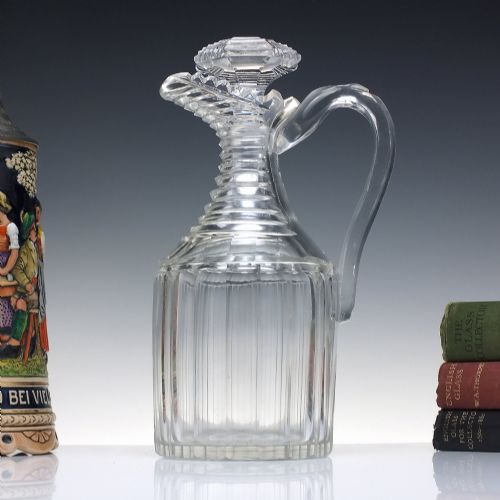
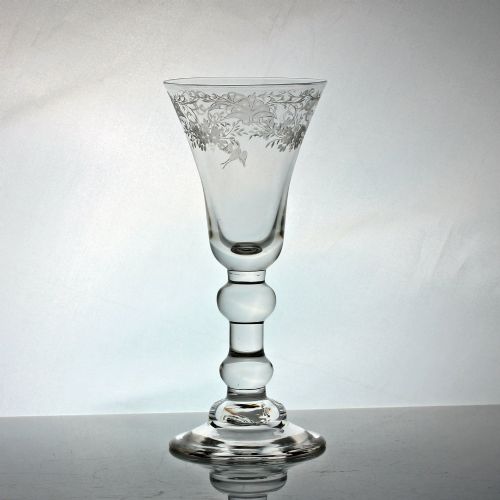
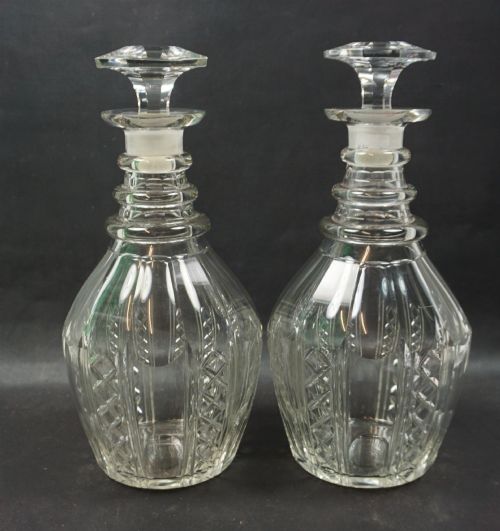
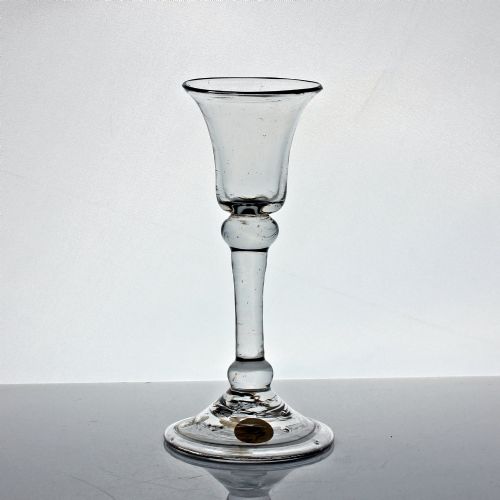
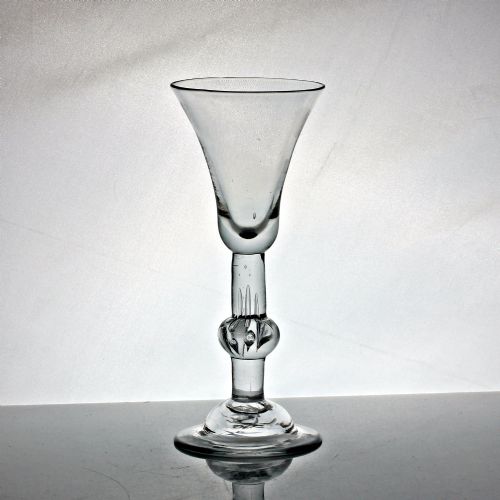
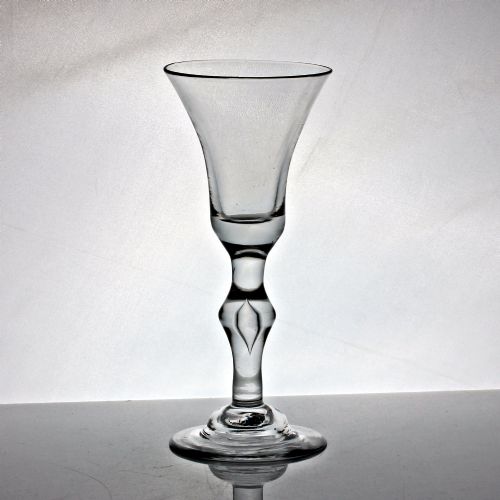
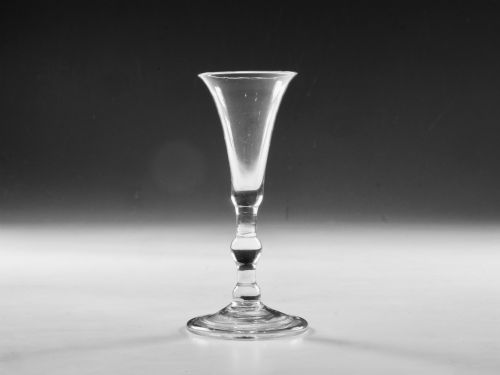
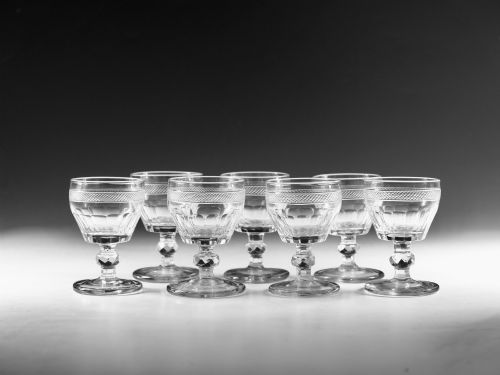
Period lead crystal glass encompasses drinking vessels, decanters, and table accessories primarily originating from the eighteenth and nineteenth centuries. Collectors encountering these items on this page will frequently see Georgian wine glasses, Regency decanters, and heavy baluster stems.
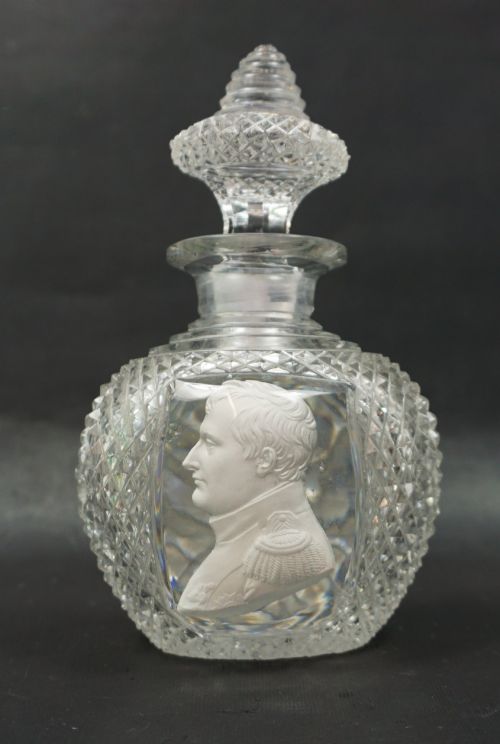
The selection ranges from early Georgian balustroid wine glasses with folded feet to Regency cut glass claret jugs and celery vases. Smaller items such as miniature glass patch stands and scent bottles with sulphide portraits also appear among the drinking vessels and condiment jars.
Materials and construction
The vessels rely on lead glass and clear crystal, formulated to achieve high refractive brilliance and substantial weight. Artisans shaped the molten material using techniques such as blowing into moulds, drawing stems, and applying molten components like domed or folded feet.
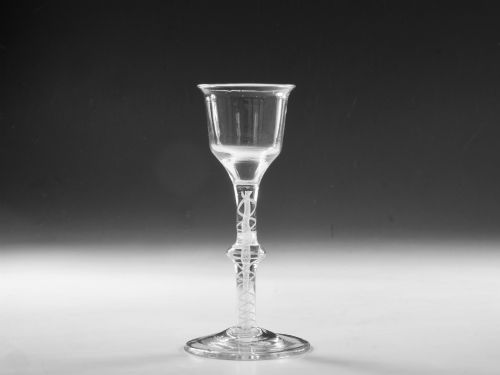
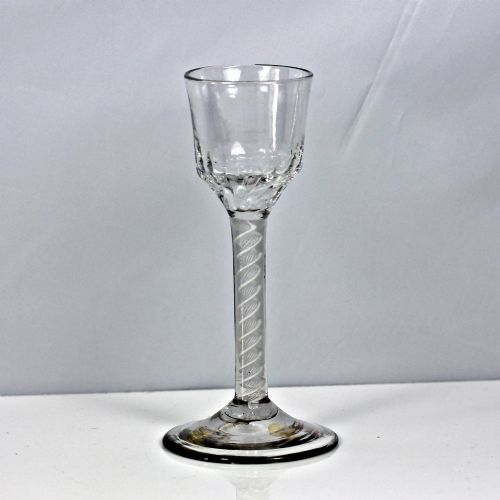
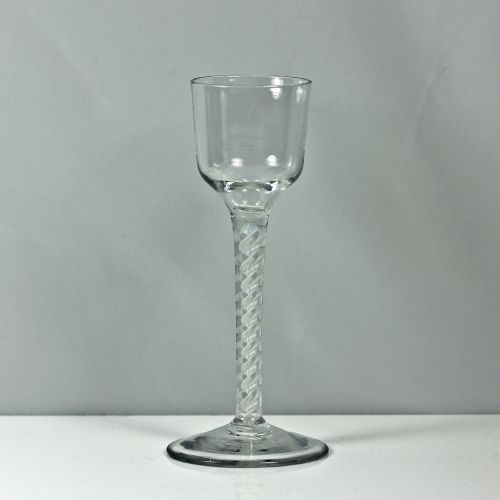
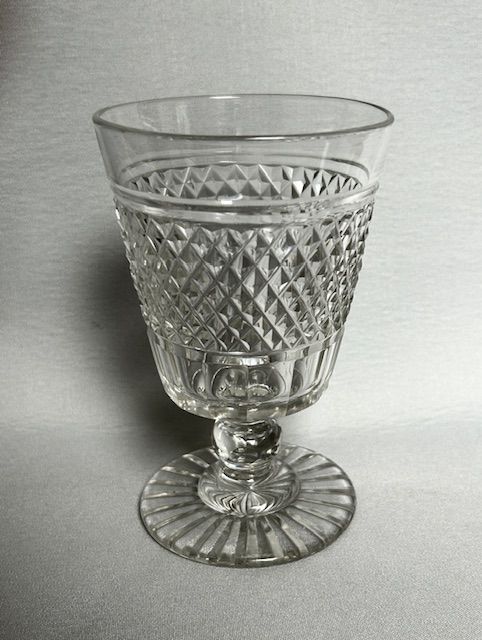
Decoration involved wheel engraving, diamond-point work, and facet cutting to create optical patterns such as spiral air twists, opaque twists, and hobnail surfaces. Enamel and sulphide inserts occasionally provide contrasting detail within the clear medium.
Period Lead Crystal Glass Retail Price Guide 2026
Typical asking prices for period lead crystal glass among the pieces listed under this phrase on Sellingantiques today, from the lower quarter to the upper quarter. They describe what is for sale here now, not the wider market.
Listings feature lead glass and clear crystal forms spanning the eighteenth century and the Regency period, encompassing both cut and twist stem variations.
Gradations of quality
Quality rests upon the clarity of the metal, the precision of the cutting, and the balance of the form. Superior pieces display deep, crisp facets and air or opaque twists free from cloudiness or heavy internal striations.
Proportion and foot formation further distinguish finer examples, particularly in early baluster and balustroid glasses where symmetry of the knops and weight of the metal indicate the skill of the glasshouse.
The Period Lead Crystal Glass Glossary
- Baluster
- A heavy, swelling stem form derived from architectural pillars, common in early eighteenth-century drinking vessels. These stems often feature knops and heavy feet to stabilise the weight of the bowl.
- Air twist
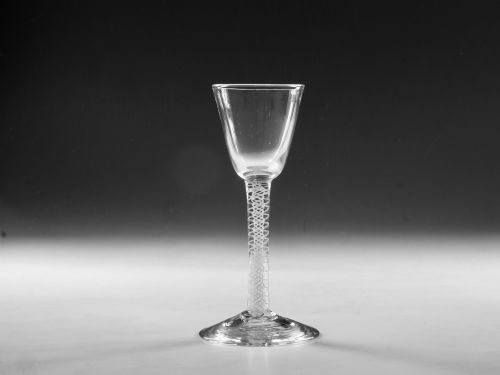
- An optical effect created by drawing out elongated bubbles within the molten stem during manufacture, forming a spiral channel inside the glass. Multiple spiral air twists multiply this decorative thread.
- Opaque twist
- A white or coloured enamel glass rod incorporated into the stem and twisted during drawing to form internal lace-like threads. These threads create striking patterns against the clear bowl.
- Folded foot
- A rim turned underneath the base of a glass to provide extra strength and weight to the resting point. This technique appears frequently on eighteenth-century forms.
- Hobnail cut
- A raised, faceted pattern resembling the metal studs on rustic boots, cut into the surface of rummers, decanters, and coolers. The technique creates intense light refraction across thick glass.
Period Lead Crystal Glass: Frequently Asked Questions
What is period lead crystal glass?
Period lead crystal glass refers to functional and decorative glassware produced during the Georgian and Regency eras, distinguished by a high lead oxide content that increases weight and brilliance. These items include wine glasses, decanters, cruets, and vases made by hand.
The inclusion of lead allows the material to hold deep wheel-cut facets and intricate stem formations, separating historical tablewares from later pressed glass production.
How were air twist stems made?
Glassmakers trapped air inside a heated metal gathering before drawing and twisting the stem while hot, stretching the internal bubbles into spiral threads. This technique required precise temperature control to maintain even channels down the length of the stem.
Mastering the process allowed workshops to produce single, double, and multiple series twists that catch the light from every angle.
How do I care for antique glass?
Antique glass requires gentle hand washing in lukewarm water with mild soap, avoiding sudden temperature changes that can stress old metal. Soft cloths prevent scratching the polished surfaces of heavy crystal.
Displaying pieces away from direct heat and unstable edges protects fragile stems and fine rims from accidental damage.
How can I tell an 18th-century wine glass from a later one?
Eighteenth-century wine glasses often exhibit pontil scars on the underside of the base, uneven hand-drawn stems, and distinctive tool marks within the bowl. The metal itself typically displays minor internal bubbles and a dark, resonant tone when flicked.
Later reproductions and nineteenth-century pieces generally show more uniform machine-like precision, thinner walls, or different proportions characteristic of Regency and Victorian manufacturing methods.