
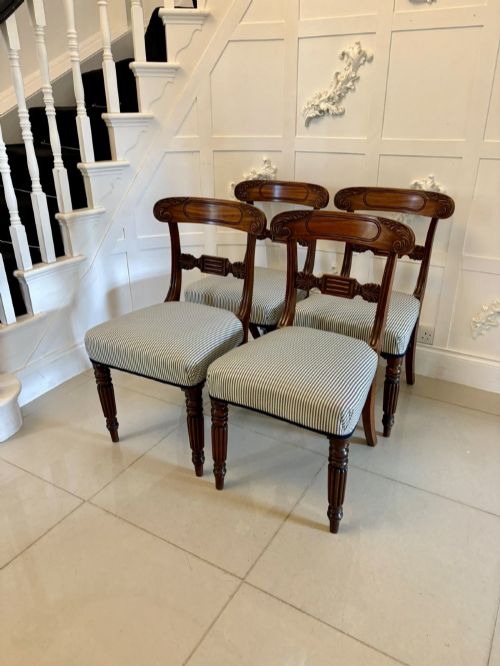
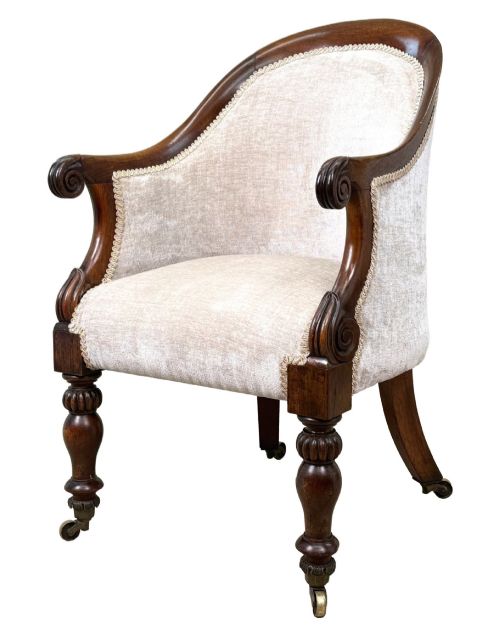
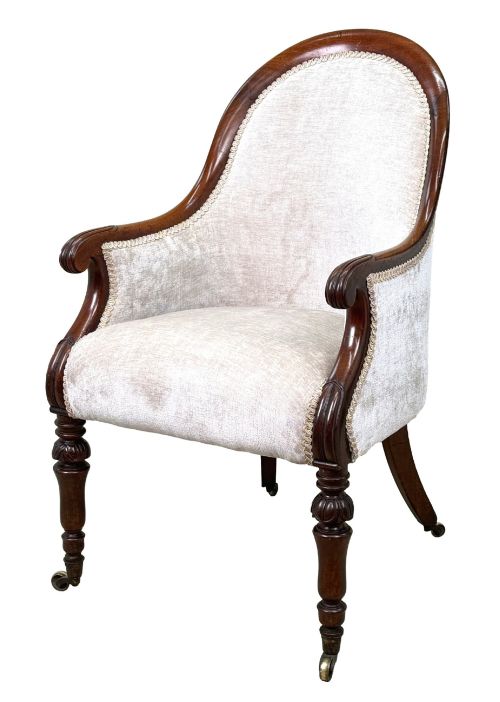
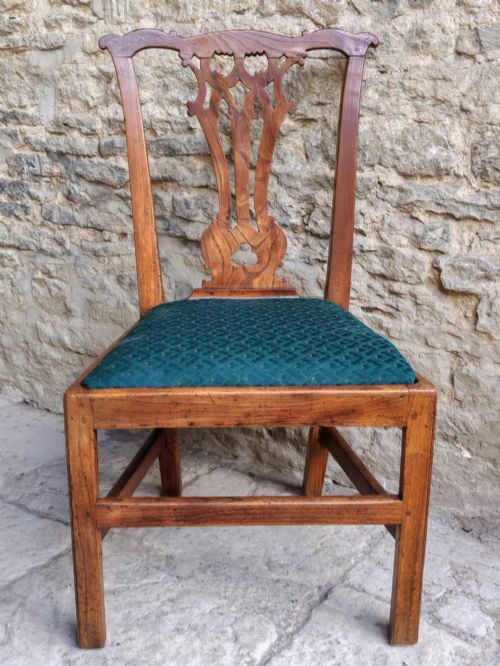
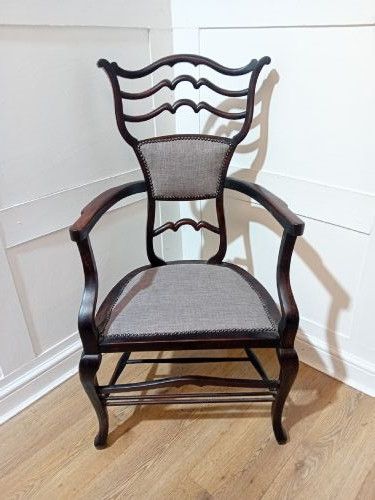
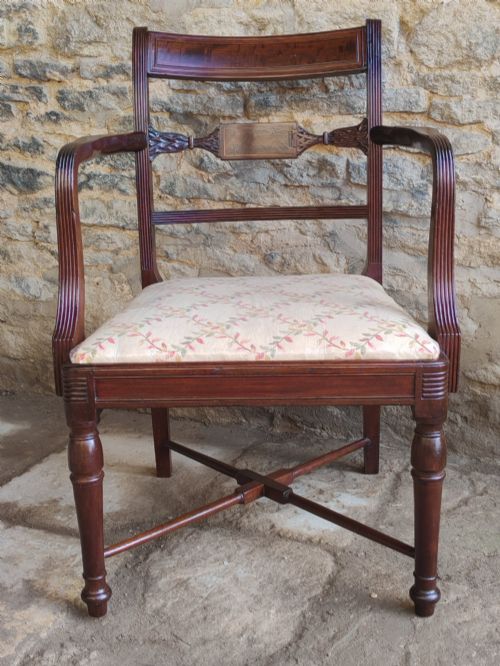

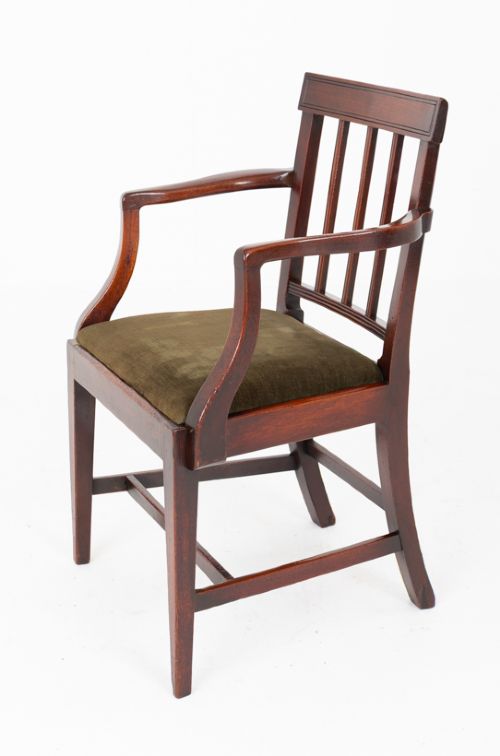
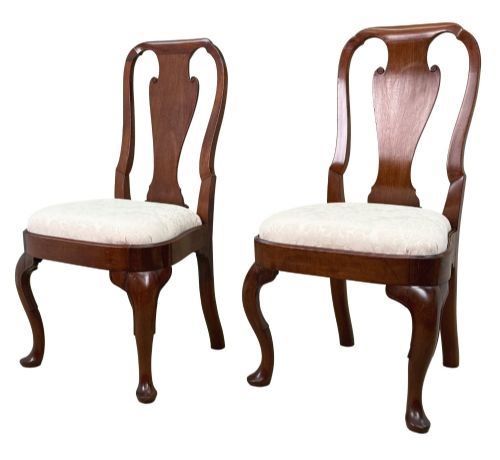
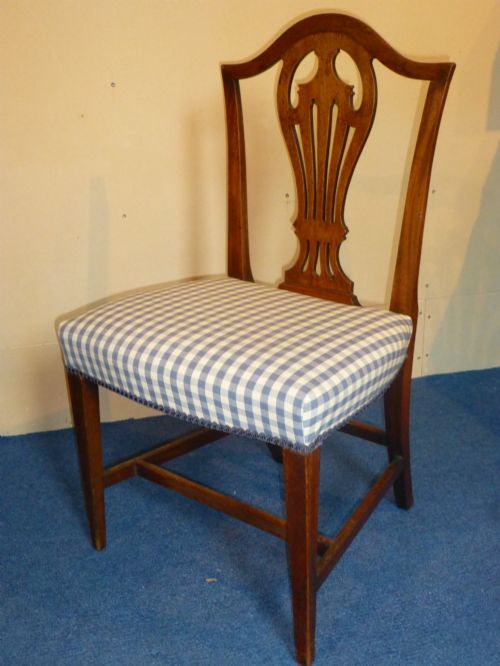
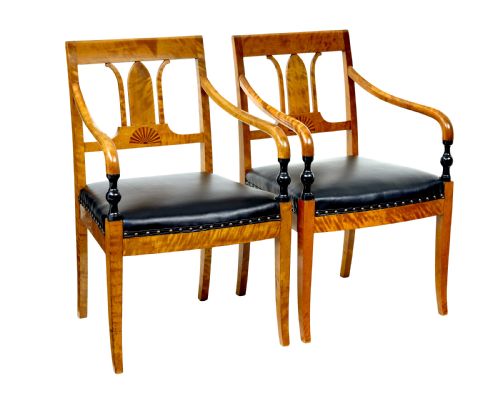
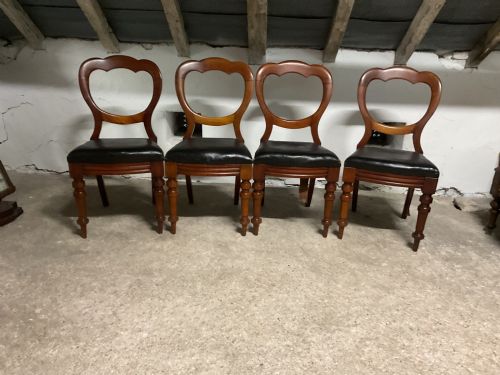
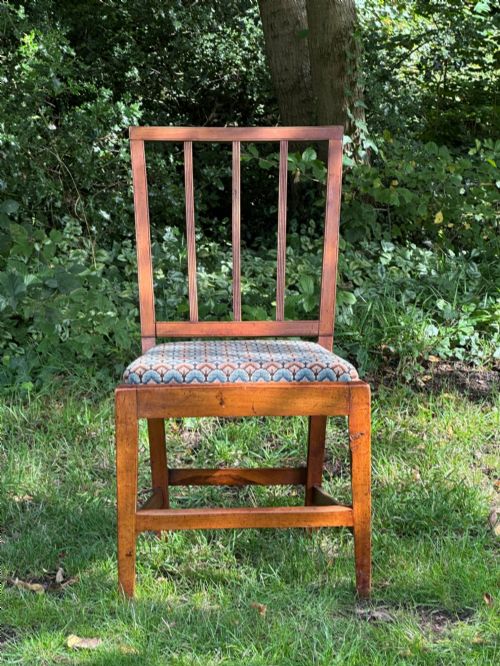
Period Desk Chair
When you select a period desk chair, you acquire a historic seat designed for study, writing, and administrative work.
Period Desk Chair
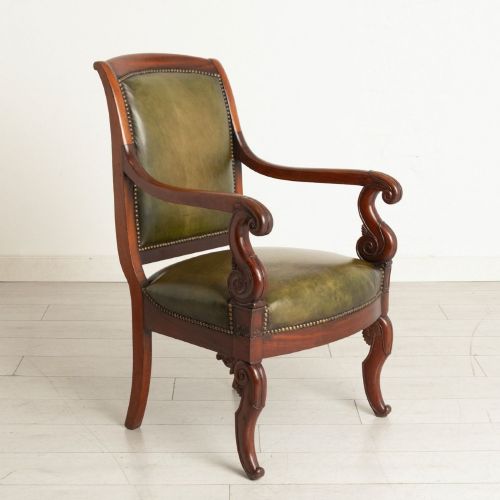
A period desk chair bridges domestic comfort and practical study, drawing from centuries of seating design including library armchairs, tub chairs, and revolving desk seats.
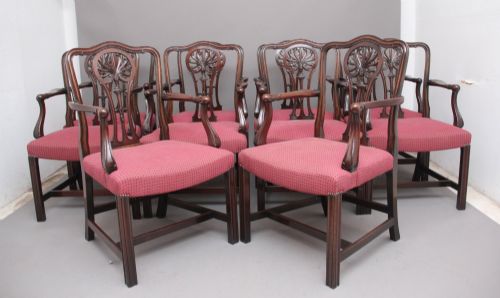
The selections available span from 18th-century Chippendale and Georgian forms to Regency library models, Victorian swivel chairs, and Edwardian inlaid examples.
Buyers encounter sturdy mahogany frames, lighter elm and fruitwood country models, and upholstered library seats designed for long hours at a writing surface.
Materials and construction
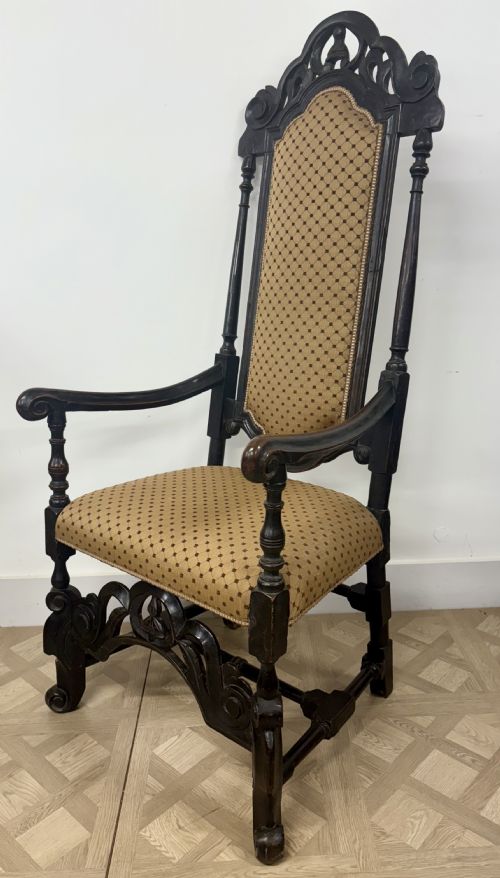
Cabinetmakers built these seats primarily in solid timber, relying heavily on rich mahogany, walnut, rosewood, and regional hardwoods such as elm and ash.
Traditional joinery techniques involved pegged mortise and tenon joints, steam-bent hoops for Windsor and tub variations, and hand-turned spindles or legs.
Upholstery methods incorporated horsehair stuffing beneath leather, fabric, or velvet coverings, secured with brass tacks or applied piping.
The archive records swivel mechanisms appearing predominantly in Victorian and Edwardian desk chair designs.
Distinguishing quality
The integrity of the timber frame, the crispness of hand-carved details on splats or arms, and the retention of original structural components dictate the standing of a piece.
Finer examples display careful proportions, stable joinery that resists wobble, and high-grade secondary woods in hidden areas of the seat frame.
The preservation of original leather panels, cane work, or early upholstery fabric adds substantial merit compared to later replacements.
Charles Tozer·Alfred Allen of Birmingham·James Peddle·Gillows of Lancaster
The Period Desk Chair Glossary
- Carver
- An armchair, typically heavier and designed for the head of a table or a study desk, featuring supporting armrests.
- Tub chair
- An upholstered armchair with a rounded, enclosing back that curves continuously into the arms.
- Bergere
- An enclosed armchair with an upholstered back and sides, frequently featuring cane panels.
- Splat
- The vertical wooden strip down the centre of a chair back, often carved or pierced in Georgian designs.
Period Desk Chair: Frequently Asked Questions
How do I choose the right desk height?
Historic desk chairs often sit lower than modern office seating due to historical furniture standards and lower writing table heights.
Verify the seat clearance against your writing surface to ensure comfortable leg room during daily use.
Are these chairs suitable for daily office work?
Many examples provide sturdy support and ergonomic proportions well-suited for regular study and writing tasks.
Revolving and upholstered variants offer additional comfort for extended periods at a modern desk.
How do I maintain leather upholstery?
Original or period leather benefits from gentle cleaning using specialist conservation waxes rather than modern chemical treatments.
Keep the hide nourished to prevent cracking while preserving the natural patina accumulated over centuries.
How can I distinguish a Georgian chair from a Victorian copy?
Examine the timber shrinkage, tool marks left by hand saws, and the construction methods used inside the seat frame.
Georgian pieces display period-specific joinery and timber selection, whereas Victorian revivals often utilise heavier machinery milling.