

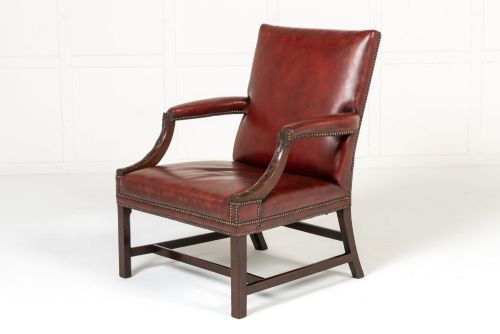
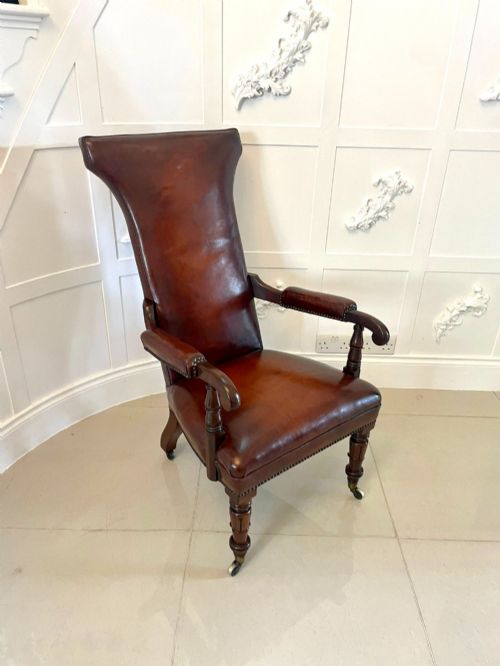
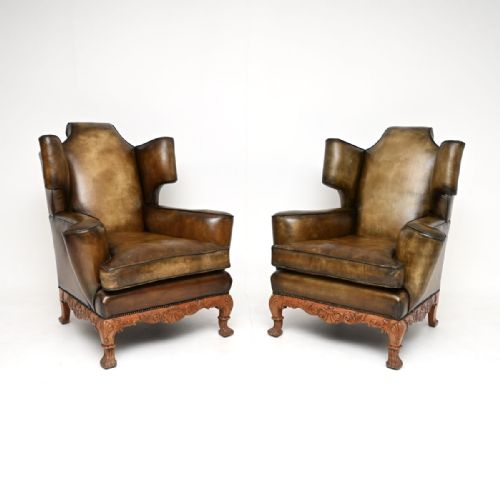
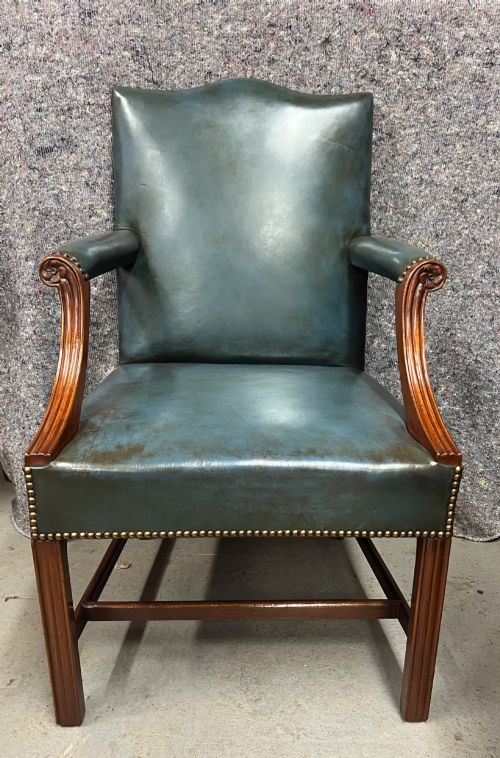
High Back Library Armchair
A high back library armchair brings substantial scale and supportive comfort to a study, with many examples surfacing from Victorian and later periods.
High Back Library Armchair
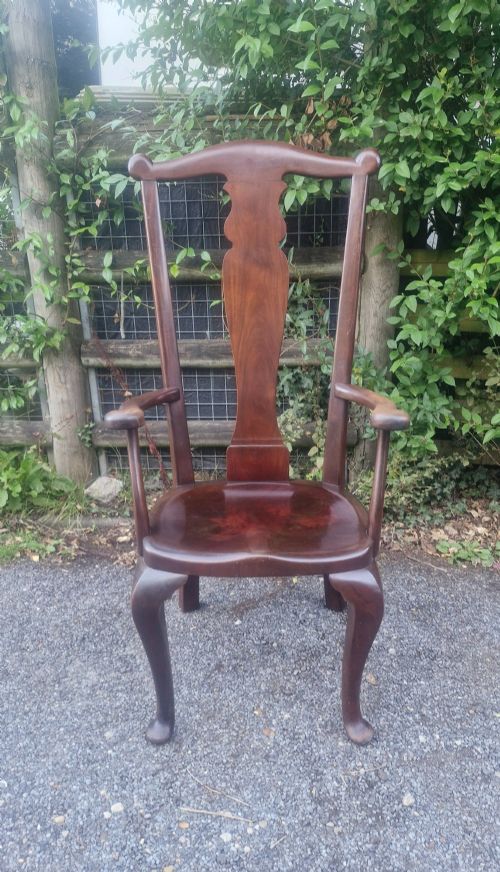
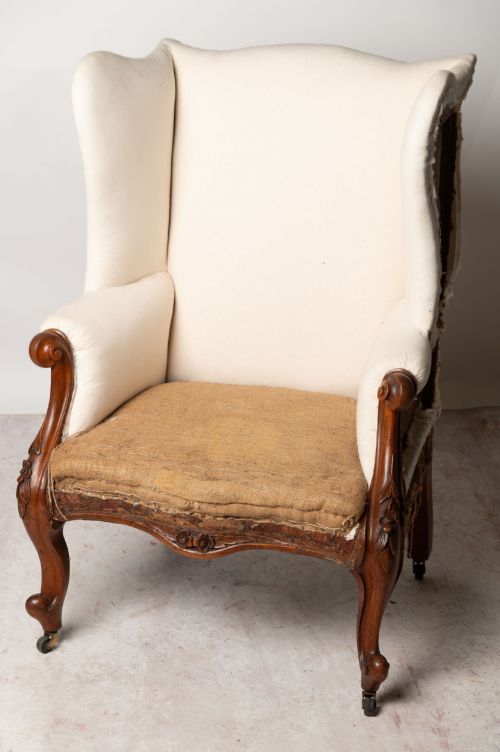
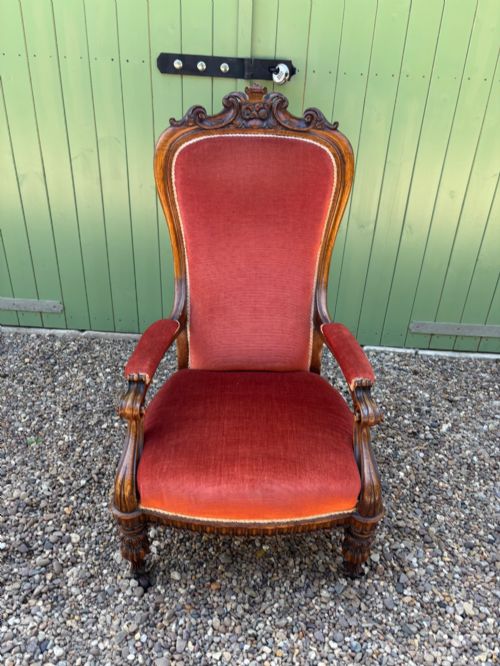
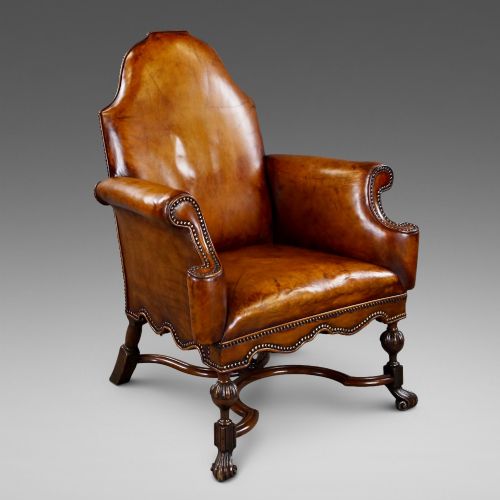
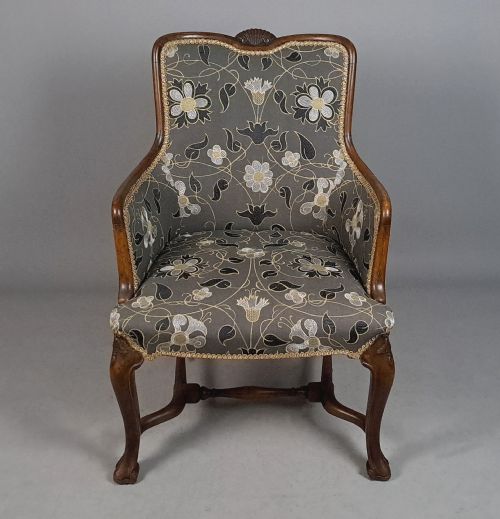
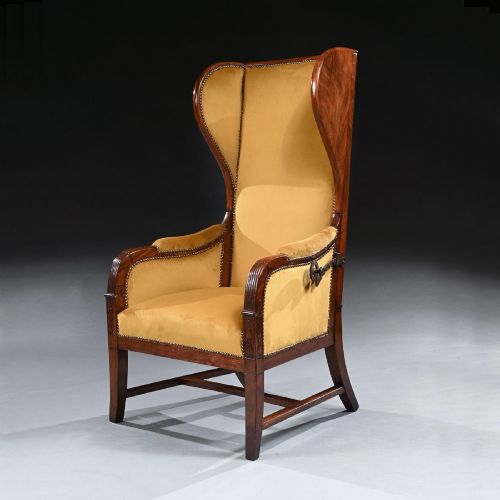
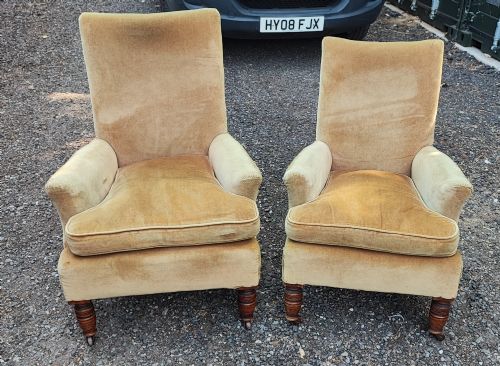
A high back library armchair provides deep seating and tall backrests designed for long hours of reading or writing in studies and libraries. The selections span several centuries of cabinet making, with Victorian and nineteenth century iterations appearing frequently alongside earlier Georgian and later Edwardian interpretations.
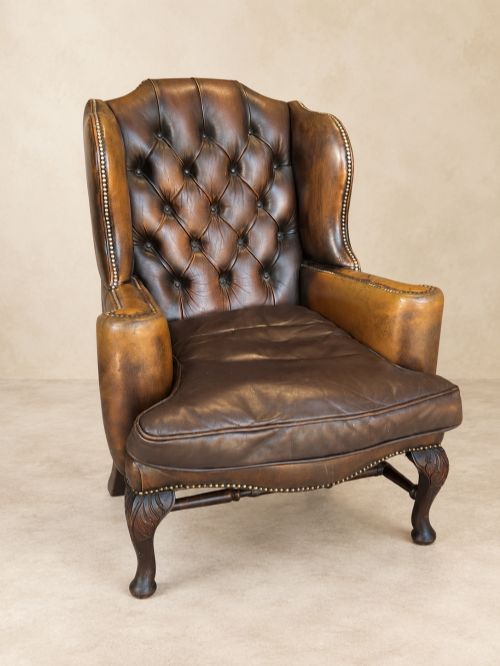
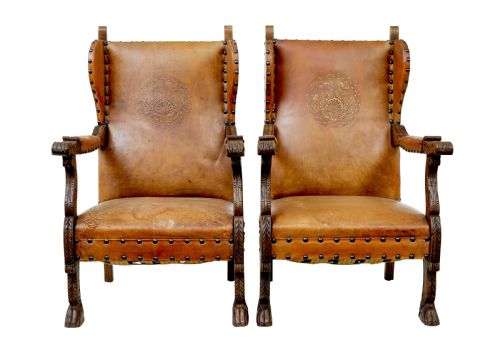
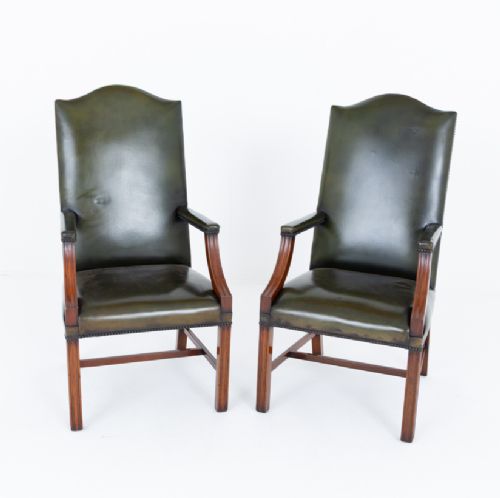
Makers produced these chairs as both reading seats and desk chairs, employing structural forms such as the wingback, the Gainsborough chair, and occasional throne chairs. Buyers encounter mahogany, walnut, and oak frames paired with leather or textile upholstery across these historical periods.
What varies in quality
The architectural integrity of the wooden frame dictates longevity, with tight joints and substantial timber scantlings marking superior examples. Carved ornament, whether simple or elaborate, reflects the skill invested by the original cabinet maker.
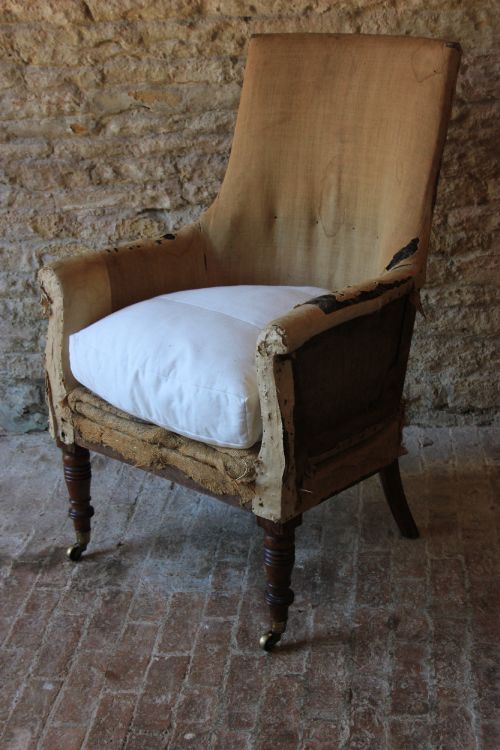
The selection of covering materials also sets pieces apart, particularly where supple hand dyed leather or fine textiles have survived or been restored with sensitivity to the original period.
Green man carved oak throne chairs bring woodland folklore indoors, glaring sternly across the library from beneath heavy foliage.
The High Back Library Armchair Glossary
- Wingback
- An armchair featuring protective side panels attached to the high backrest. These wings historically blocked drafts in large rooms.
- Gainsborough
- A wide seat with a low back or high back, upholstered arms, and open sides designed for use at a writing desk.
- Fauteuil
- An open arm armchair with wooden framework exposed around the upholstered back and seat elements.
- Gothic Revival
- A design style inspired by medieval architecture, incorporating pointed arches and heavy carved ornamentation into nineteenth century seating.
High Back Library Armchair: Frequently Asked Questions
Where should I place a high back library armchair?
These seats suit studies, libraries, and large living rooms where their tall profiles anchor the room layout. They provide an enclosed, supportive spot for reading or working at a desk.
Ensure there is sufficient floor space around the chair so the high back and arms do not crowd surrounding furniture.
How do I care for leather upholstery?
Keep leather seating away from direct sunlight and heat sources to prevent the hide from drying out. Regular dusting and occasional conditioning help maintain the supple texture.
Avoid harsh chemical cleaners, using only damp cloths or specialised leather care products recommended for antique items.
Are these chairs comfortable for daily use?
Many of these pieces were built for long hours of reading, offering deep seats and supportive backrests. The comfort level often depends on whether the internal webbing and padding have been recently restored.
Check the seat height and depth to ensure it suits your proportions before regular seating use.
How do I identify a Victorian library chair?
Victorian examples often feature heavy timber frames in mahogany, walnut, or oak, sometimes displaying Gothic revival details or deep buttoned leather. The proportions are typically generous and robust.
Compare the construction methods, such as screw types and secondary woods, to standard nineteenth century cabinet making practices.