


Period Copper Metalwork
Period copper metalwork brings together heavy chargers, cloisonne vessels and intricate repousse plates from the nineteenth century.
Period Copper Metalwork
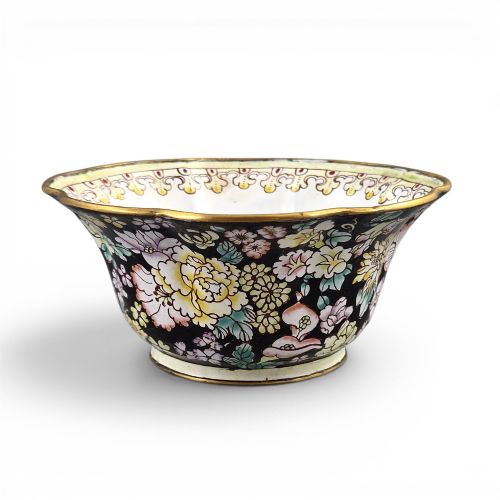
Period copper metalwork encompasses a range of decorative vessels, chargers, trays and vases originating from nineteenth-century workshops in Japan, China and India. When searching for period copper metalwork, collectors most frequently encounter Japanese cloisonne enamel chargers and vases dating from the Meiji period.
The selection includes decorative bowls, lidded gourd pots, temple water dispensers and wall chargers fashioned from copper, brass and bronze. Pieces extend across the Victorian era and the late nineteenth century, reflecting global trade and diverse artisanal traditions.
How period copper metalwork was made
Craftsmen shaped copper bodies by hand, applying intricate surface decoration through techniques such as cloisonne enamel, repousse work and hand piercing. Fine brass wire was soldered onto the copper surface to create cellular compartments for coloured enamels.
Mixed-metal inlay, gold leaf and painted enamel were utilised to accentuate details on chargers and vases. Artisans also employed repousse methods to hammer heavy copper plates into high-relief floral and figural motifs.
Listings feature items dated from the Victorian era alongside nineteenth-century pieces from Japan, China and India.
What varies in quality
The distinction between standard and superior pieces rests on the precision of the metalwork and the complexity of the design. Masterpiece chargers exhibit meticulous wirework and flawless enamel work depicting intricate subjects such as dragons, phoenixes and Mount Fuji.
Weight and scale also define the hierarchy, with heavy copper repousse wall chargers and massive palace vases representing significant artisanal ambition. The subtlety of mixed-metal inlays and the clarity of the enamel pigments separate ordinary production from exceptional objects.
The Period Copper Metalwork Glossary
- Cloisonne Enamel
- A technique where metal wire is soldered onto a copper base to form cells that are filled with coloured enamel paste and fired.
- Repousse
- A metalworking method in which the copper sheet is hammered from the reverse side to create a raised design in relief.
- Charger
- A large decorative plate or dish intended for display on a wall or sideboard rather than for dining use.
- Meiji Period
- The era of Japanese history lasting from 1868 to 1912, noted for technical mastery in decorative metalwork.
- Mon
- A Japanese heraldic badge or emblem used to identify families, clans or temples.
Period Copper Metalwork: Frequently Asked Questions
How do I clean period copper metalwork?
Dust metal surfaces gently with a dry, soft cloth to preserve the original patina and any delicate enamel or gold leaf details. Avoid harsh chemical polishes that can strip historical surfaces.
Enamelled areas require particular care to prevent moisture from seeping beneath the wire boundaries. Professional conservation advice should be sought for pieces showing corrosion.
Were these copper chargers meant for daily use?
Large decorative chargers and palace vessels served primarily as display pieces rather than utilitarian tableware. Their intricate surface designs were intended to showcase artisanal skill in homes and temples.
Wall hanging mounts and heavy copper construction indicate they functioned as focal points in interior decoration during the nineteenth century.
What does a signed copper piece mean?
Signatures on nineteenth-century metalwork usually identify the master craftsman or the workshop responsible for the piece. These artisan marks add historical context to the object.
Signatures are commonly found on the base or reverse of Japanese cloisonne chargers and mixed-metal dishes.