




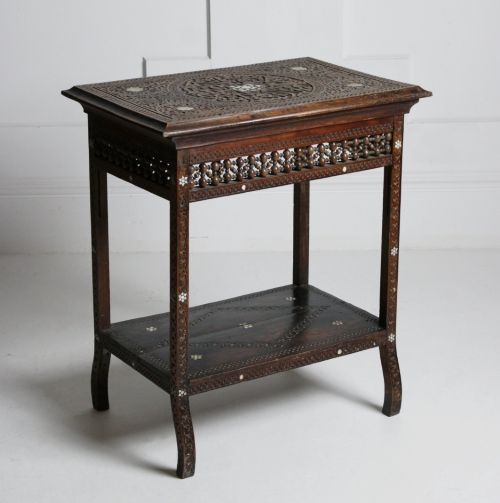
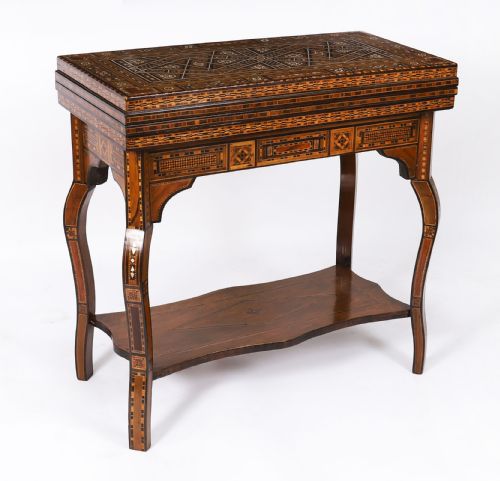
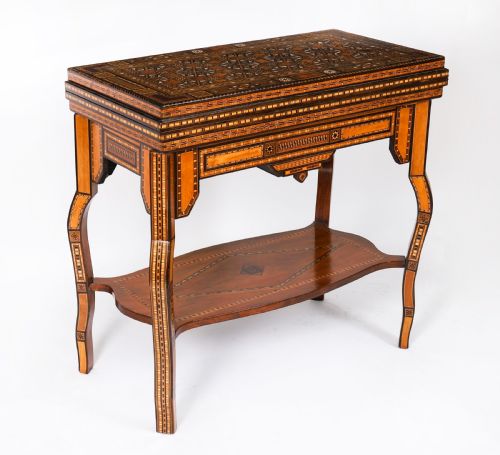
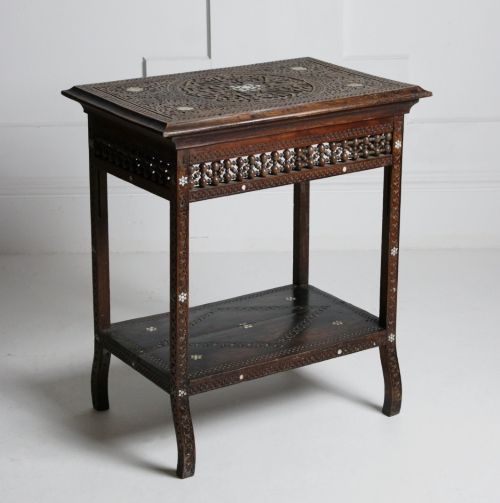
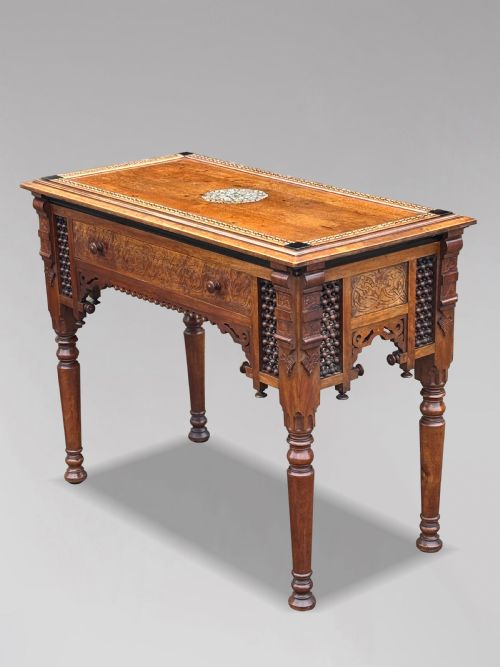
Pearl Inlay Side Table
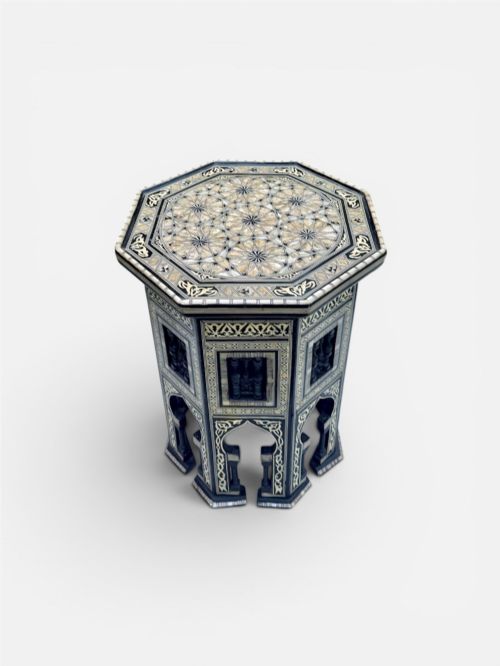
A pearl inlay side table brings extraordinary geometry and iridescent detail into a room, spanning Syrian, Chinese, and Moorish traditions.
Pearl Inlay Side Table
When you search for a pearl inlay side table, you encounter a remarkable geographical spread ranging from Damascus and Hoshiarpur to China and Victorian England.
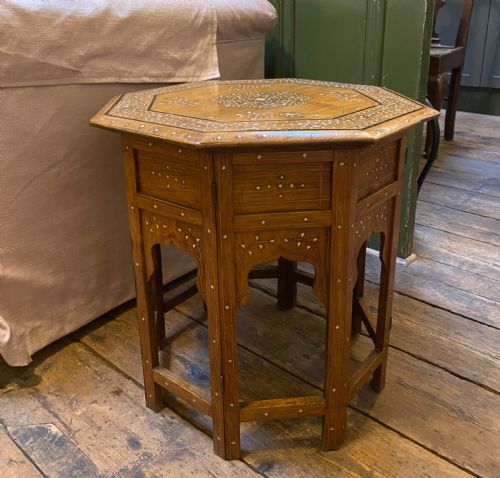
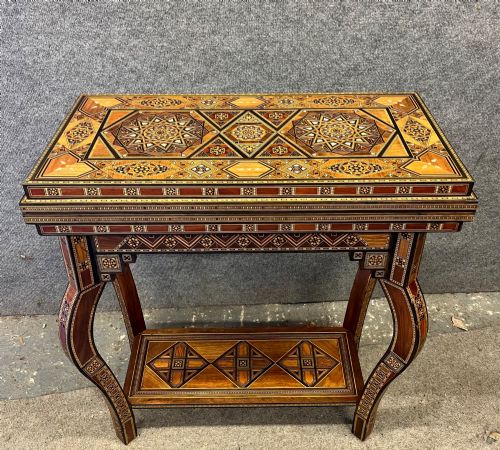
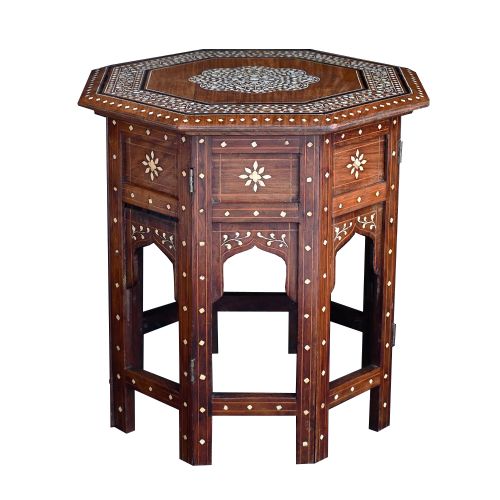
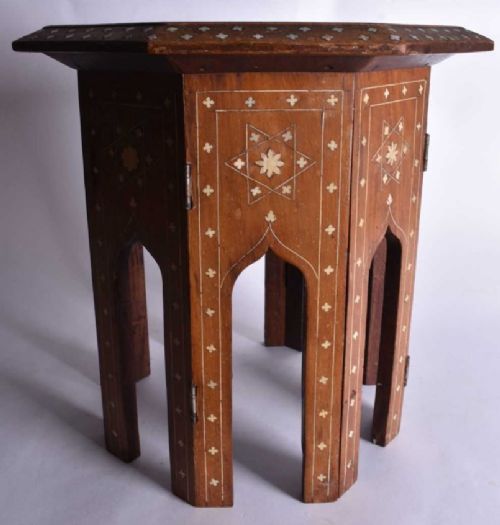
The most common shapes on this page are octagonal and hexagonal folding tables, alongside occasional tables, two-tier Syrian designs, and multi-functional games tables.
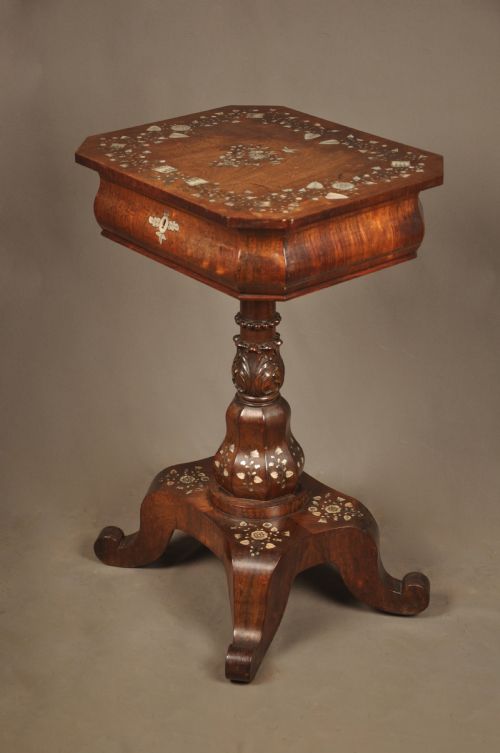
These pieces emerge across the nineteenth and early twentieth centuries, drawing upon diverse aesthetics including Moorish Revival, Anglo-Indian, and Qing Dynasty traditions.
Materials and Technique
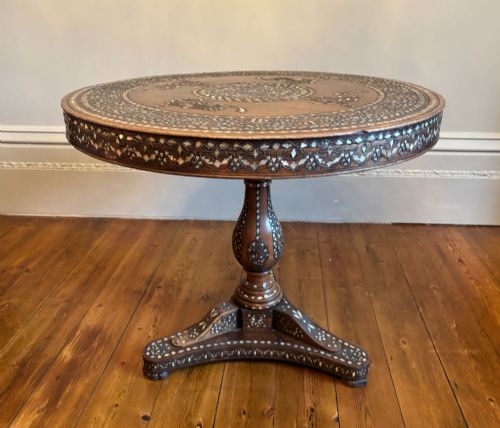
Artisans built these frames using dense timbers such as walnut, rosewood, hardwood, and ebonised wood, providing a dark ground that contrasted sharply with luminous decorative elements.
Intricate geometric and floral patterns were formed by meticulously cutting mother-of-pearl, bone, and sometimes brass into small pieces, then pressing them flush into carved wooden recesses.
Pearl Inlay Side Table Retail Price Guide 2026
Typical asking prices for pearl inlay side table among the pieces listed under this phrase on Sellingantiques today, from the lower quarter to the upper quarter. They describe what is for sale here now, not the wider market.
Listings here feature woods ranging from rosewood and walnut to ebonised timber and Chinese hongmu.
Assessing Craftsmanship
Quality rests primarily in the density and precision of the inlay work, where superior examples feature tight, seamless joints between the pearl tesserae and the surrounding wood.
The complexity of the underlying woodwork also dictates value, distinguishing simpler occasional stands from multi-tiered tables or folding frames with intricate lattice construction.
Liberty and Co·Jennings and Betteridge
The Pearl Inlay Side Table Glossary
- Mother-of-Pearl
- An iridescent internal layer of shells, chiefly produced by pearl oysters and freshwater mussels, used for ornamental inlay. Its natural sheen catches light from varying angles.
- Octagonal
- Having eight sides and eight angles. This geometric plan dominates Syrian and Moorish occasional tables.
- Hongmu
- A category of dense, dark Chinese hardwoods often utilised for carved furniture. It provides a stable base for detailed shell decoration.
- Papier-Mache
- A composite material consisting of paper pieces or pulp reinforced with glue, moulded and dried. Victorian makers lacquered and inlaid this substance with pearl.
- Damascus Table
- A folding occasional table originating from Syria, typically hexagonal or octagonal in format. These pieces rely on intricate geometric mosaic work.
Pearl Inlay Side Table: Frequently Asked Questions
What is a pearl inlay side table?
A pearl inlay side table is a small decorative stand or occasional table embellished with pieces of iridescent shell. These items originate from various global traditions including Syrian, Chinese, and nineteenth-century European workshops.
They serve primarily as functional accent pieces in sitting rooms and hallways, designed to display objects or provide a compact surface. The distinct geometric and floral patterns create striking visual focal points in interior spaces.
How do I date a pearl inlay table?
Dating relies on examining the construction methods, wood types, and stylistic influences evident in the piece. Nineteenth-century examples often display hand-cut tesserae and traditional regional joinery, while early twentieth-century pieces may reflect specific revival movements.
Comparing the secondary woods and fasteners helps confirm the period of manufacture. Archival records and attributed makers can also narrow down the timeframe considerably.
How were folding Damascus tables used?
Folding Damascus tables functioned as versatile surfaces that could be easily stored or moved around living quarters. Their clever hinged construction allowed the octagonal or hexagonal top to detach or fold flat against the carved base.
In period interiors, households deployed them for serving coffee, holding decorative lamps, or playing board games. Their portability made them popular in European drawing rooms adopting exotic Moorish aesthetics.
How do I care for inlaid furniture?
Maintaining pearl inlay requires stable indoor humidity and temperature to prevent the wooden base from expanding or contracting. Sudden climate shifts can cause individual pieces of shell or bone to loosen from their sockets.
Dusting should be performed gently with a soft, dry cloth without applying modern chemical polishes. Professional conservation is recommended if any of the delicate tesserae begin to lift.