





Patterned Wool Corridor Rug
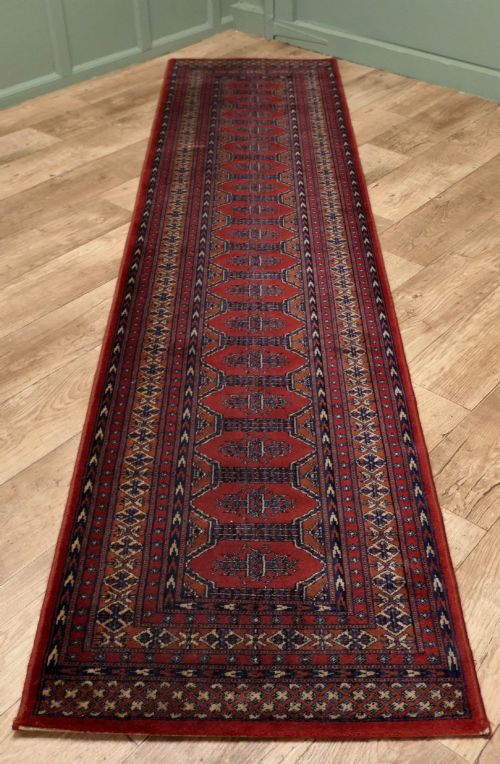
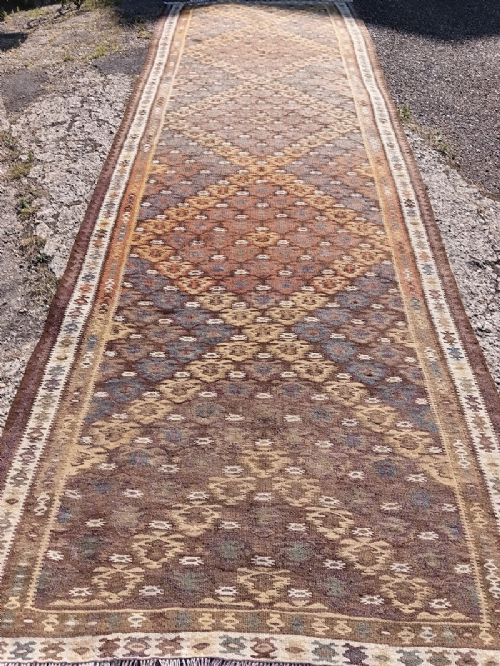
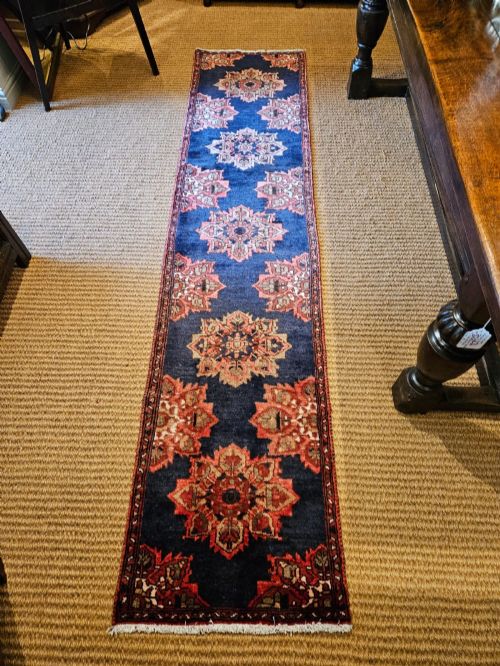
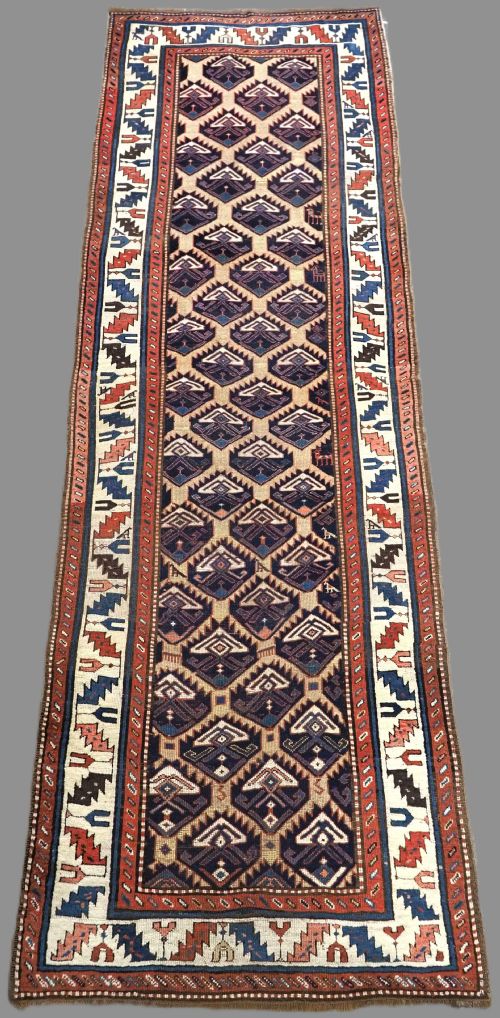
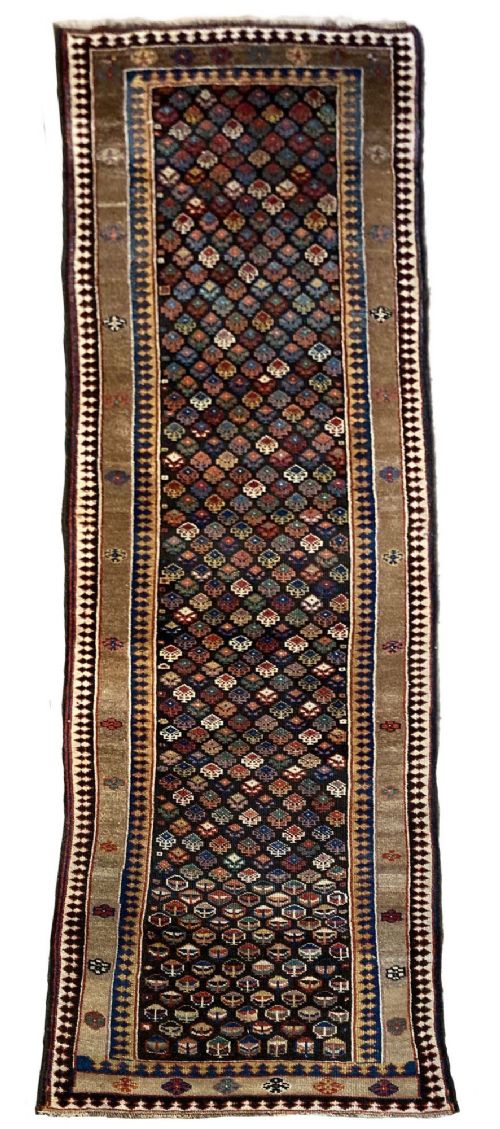
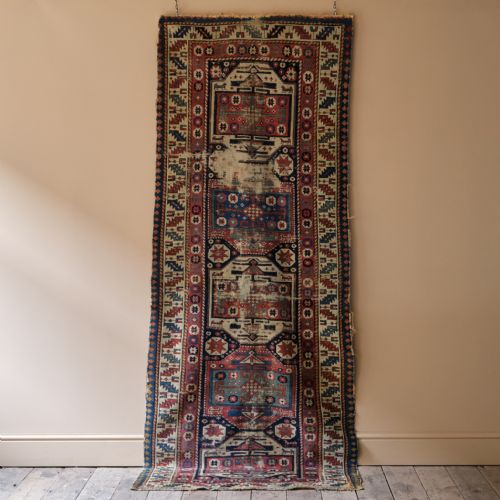
A patterned wool corridor rug provides long, narrow geometry and rich tribal motifs to ground a hallway.
Patterned Wool Corridor Rug
A patterned wool corridor rug is typically encountered as an antique runner or long carpet dating from the nineteenth and early twentieth centuries. These narrow formats were woven to fit long hallways, galleries, and passageways in homes.
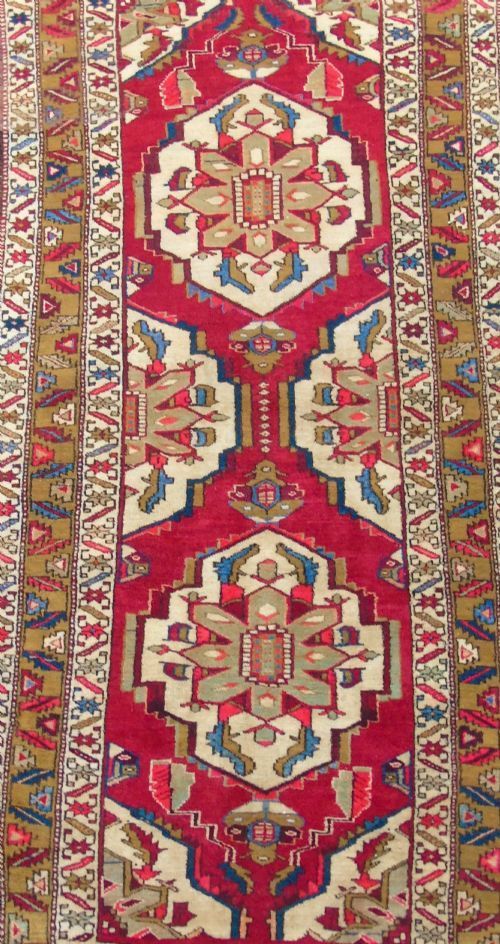
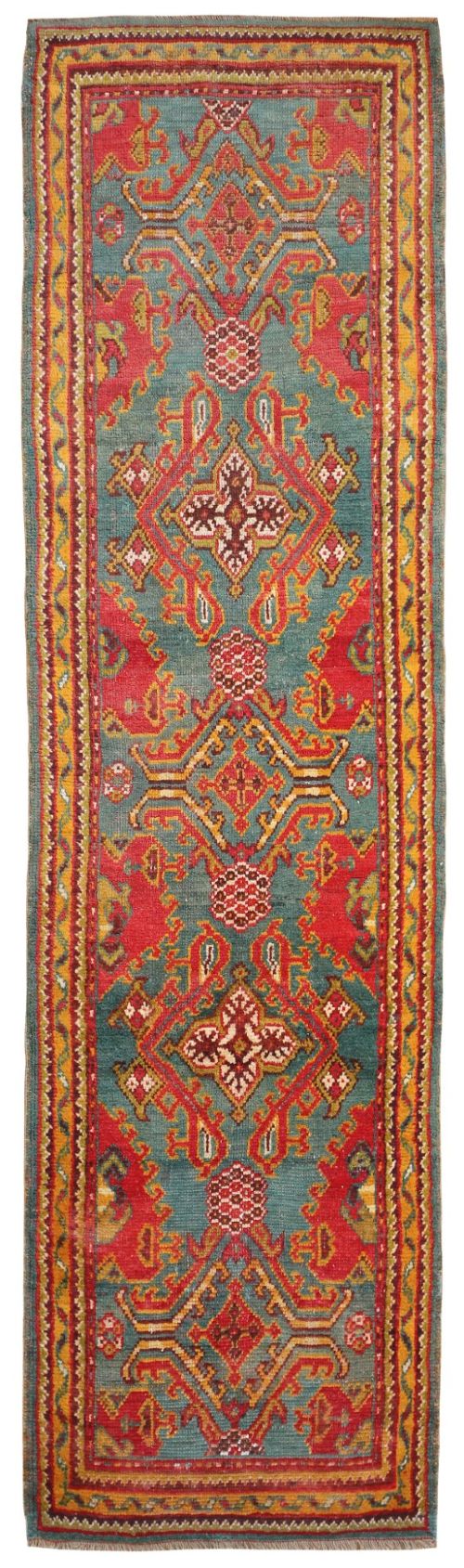
The selection includes specific regional styles such as Persian Heriz, Kurdish, Gendje, Kazak, and Ushak. Each origin brings distinct geometric lattices, shrub motifs, or boteh patterns executed in saturated wool pile.
Materials and construction
These pieces are constructed primarily from wool, utilising natural foundation materials such as cotton for warps and wefts. The pile is hand-knotted, creating a dense and durable surface designed to withstand heavy foot traffic in corridors.
Dyes derived from natural sources provide the deep navy, olive green, and colourful accents recorded across the regional traditions.
Patterned Wool Corridor Rug Retail Price Guide 2026
Typical asking prices for patterned wool corridor rug among the pieces listed under this phrase on Sellingantiques today, from the lower quarter to the upper quarter. They describe what is for sale here now, not the wider market.
Assessing quality and execution
Quality rests in the precision of the weave and the clarity of the tribal designs, distinguishing finely knotted village and town pieces from simpler utilitarian carpets. The integrity of the wool pile and the balance of the natural colour palette determine the visual presence of the runner.
Proportion also defines the piece, with exceptionally long and narrow formats representing deliberate weaving choices rather than standard room-size rugs cut down to fit a corridor.
The Patterned Wool Corridor Rug Glossary
- Runner
- A long, narrow carpet format specifically designed for hallways, corridors, and stairs. These pieces measure significantly longer than they are wide.
- Kelleh
- A large format rug that is longer than a standard rug but wider than a traditional narrow runner. These serve well in spacious galleries.
- Boteh
- A stylised almond or paisley motif representing a floral spray or cypress tree, frequently repeated across Caucasian and Persian designs.
- Lattice
- An intersecting grid pattern forming geometric compartments across the field of the rug. This framework often encloses floral or abstract motifs.
- Pile
- The cut surface of the knotted wool yarn that forms the upper layer of the rug. Its density contributes directly to the durability of the piece.
Patterned Wool Corridor Rug: Frequently Asked Questions
Where do these long runners work best?
They suit narrow hallways, entryways, and gallery spaces where length is required to guide movement through a home.
The linear proportions draw the eye down the corridor while the wool pile dampens sound on wooden floors.
How do I identify a Kurdish or Caucasian runner?
Caucasian pieces typically display bold geometric layouts and striking, saturated colour combinations.
Kurdish runners often feature stylised floral repeats like the mina khana pattern or repeating shrub designs.
Are these rugs durable enough for daily hallways?
Hand-knotted wool construction on sturdy foundations provides natural resilience against heavy foot traffic.
Regular rotation and proper underlays help preserve the pile in high-use passageways over decades of living.
How are different regional styles told apart?
Heriz and Bidjar pieces present robust architectural medallions and dense, heavy structures.
Ushak and Kazak varieties lean towards looser, more expressive tribal drawings and softer wool textures.