



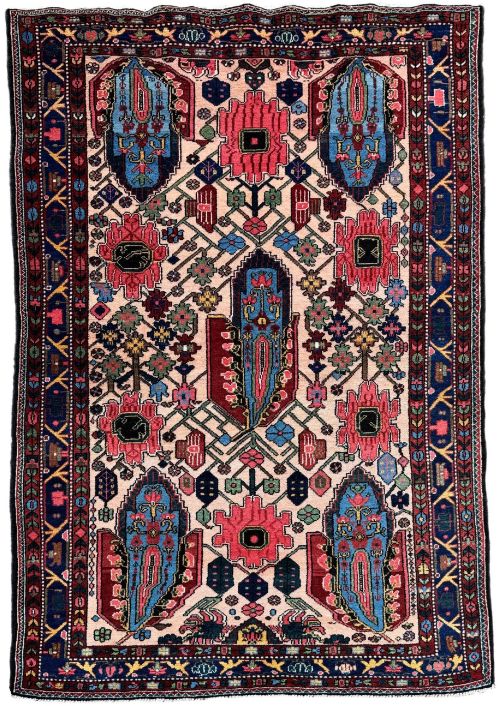

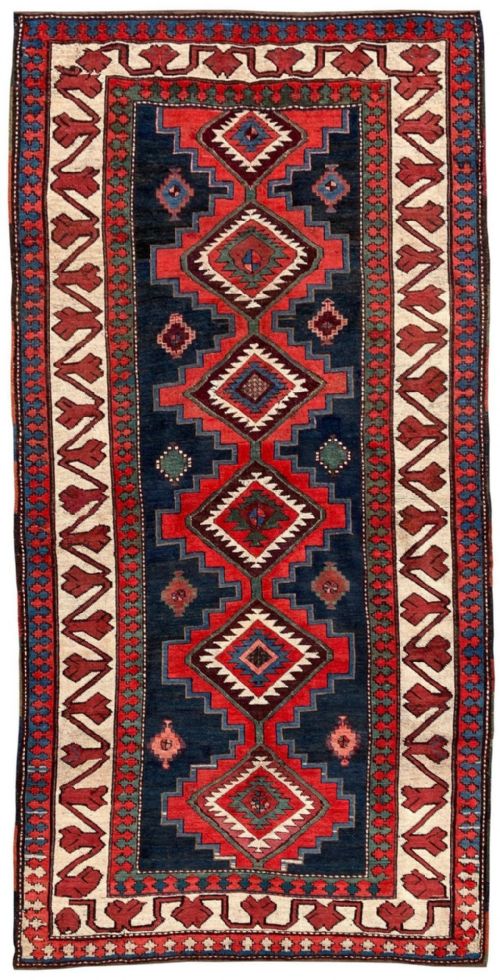
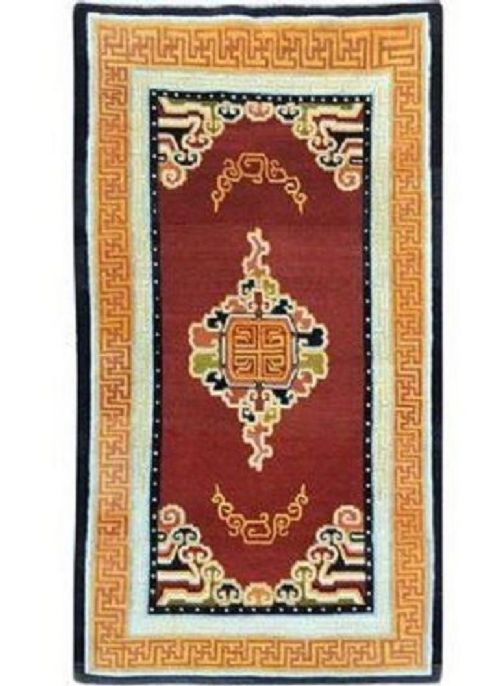
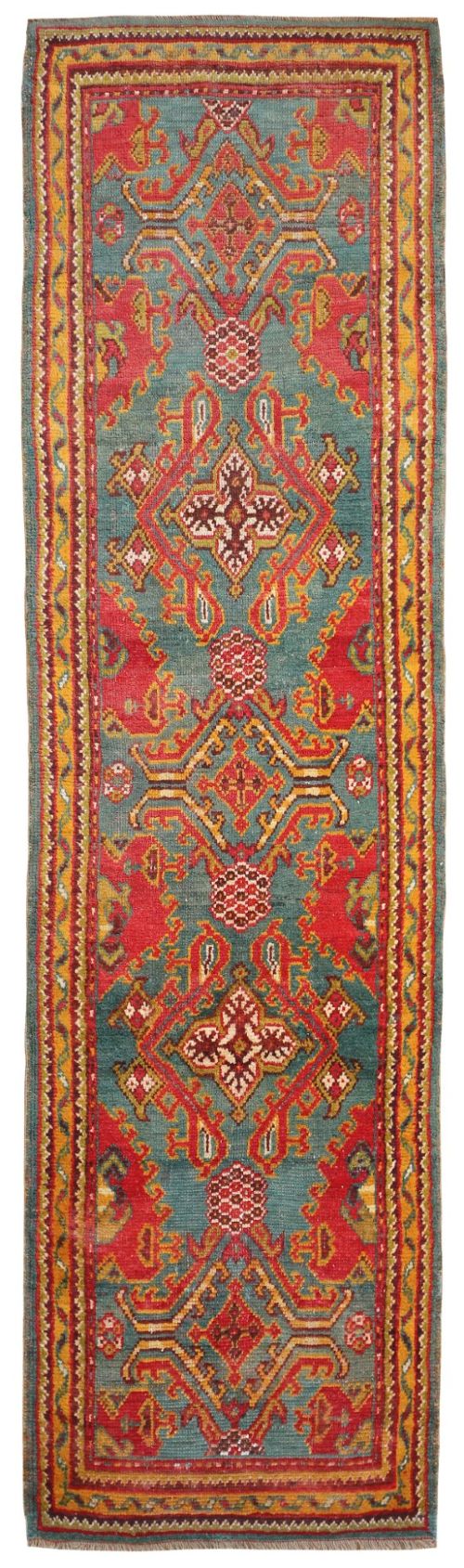
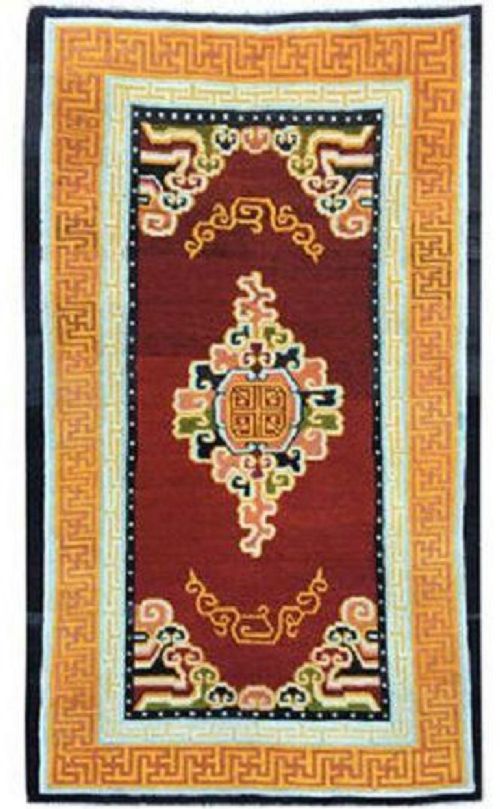
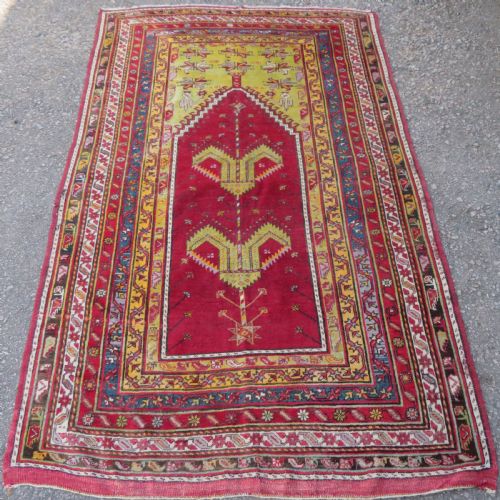
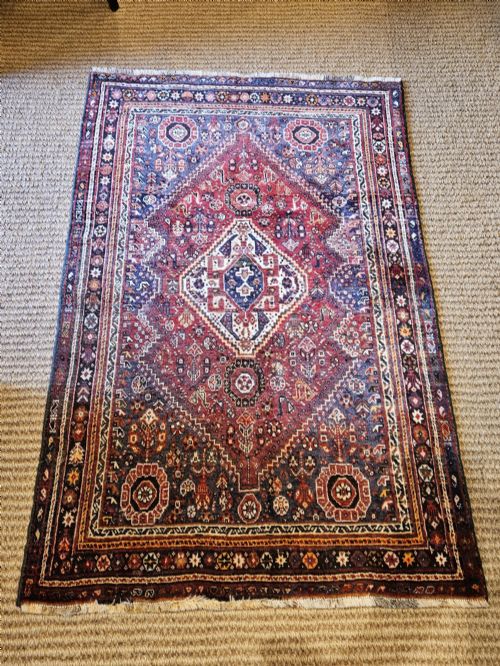
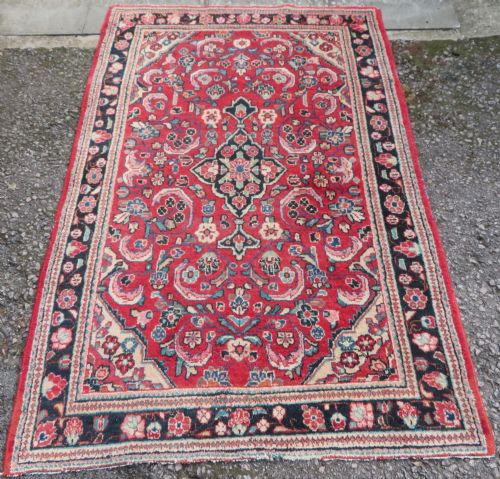
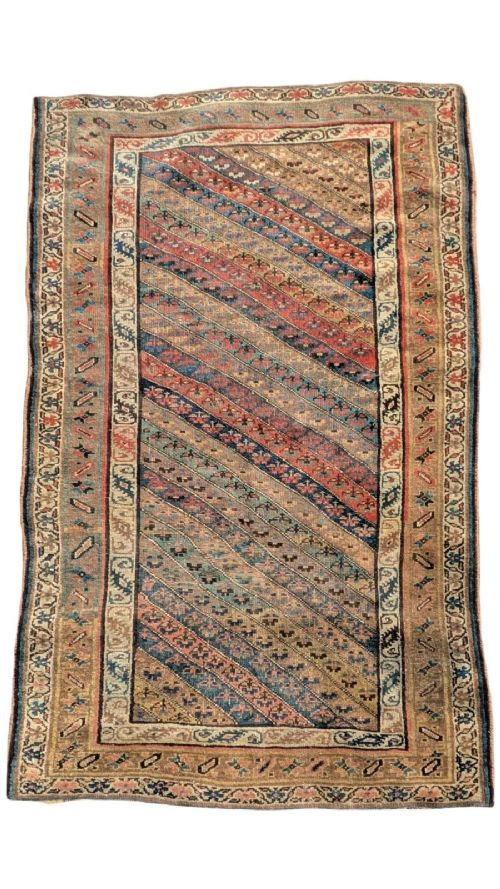
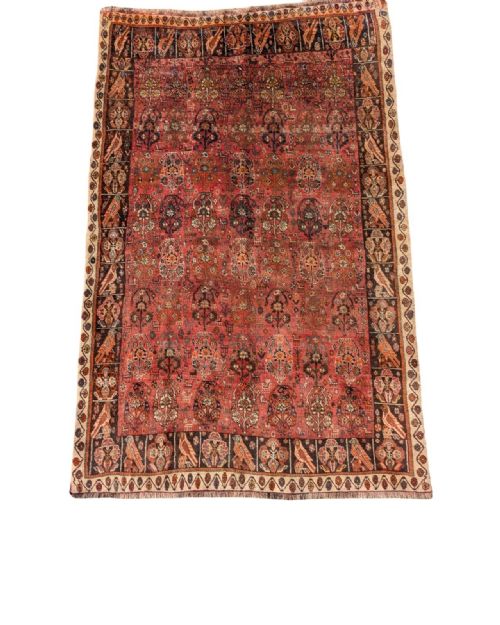
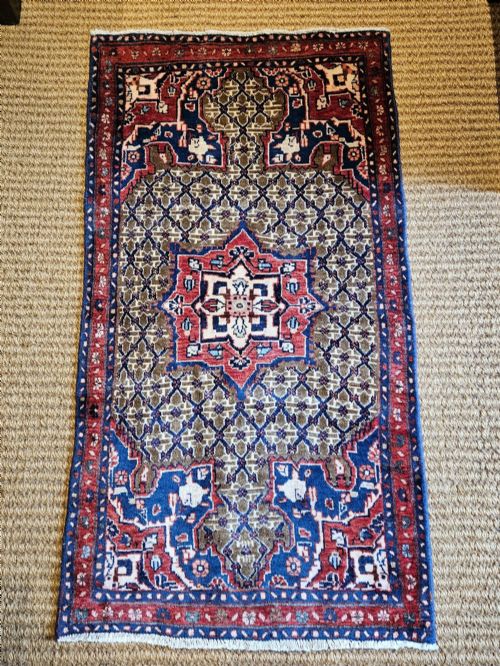
Red Wool Area Runner
A red wool area runner brings enduring warmth and deep ground colour to a hallway or narrow floor.
Red Wool Area Runner
A red wool area runner search opens up elongated floor coverings shaped by weaving traditions from Persia, the Caucasus, Turkmenistan, and Tibet. These elongated formats bridge spaces while displaying the rich dyed tones and village motifs recorded across the centuries.
Most examples you encounter arrive from Persian, Caucasian, and tribal origins, spanning the late nineteenth century through to the interwar decades. Runners and long formats sit alongside kindred village carpets, prayer rugs, and hearth-sized pieces that share similar wool textures.
Makers ranged from settled town workshops in centres like Kashan, Saroukh, and Bidjar to nomadic and village weavers working within specific tribal traditions such as Kazak, Baluch, Afshar, and Bakhtiar. Each region imparted distinct geometric or floral layouts onto the loom.
Materials and Technique
Hand-knotted construction forms the foundation of these textiles, utilising durable wool pile secured across cotton or wool warp and weft threads. Tibetan wool also appears in specific regional pieces, contributing distinct tactile weight to the surface.
Weavers relied on natural dye sources to achieve the deep red grounds and secondary tones that define these runners, working knot by knot on upright looms. The resulting pile absorbs foot traffic while maintaining structural integrity over generations of domestic use.
Nomadic weavers occasionally wove unexpected animal motifs into their geometric fields, letting stray livestock wander permanently across the rug.
Distinctions in Quality
Quality rests in the precision of the knotting and the depth of the dye work across the red wool field. Tighter knot counts allow crisper rendering of geometric medallions, boteh motifs, and tribal animal symbols.
Condition and structural survival dictate the standing of a runner. Examples that retain their original outer borders and secure selvedges hold greater integrity than those altered by heavy wear or subsequent trimming.
The Red Wool Area Runner Glossary
- Runner
- A long, narrow carpet format designed specifically for hallways, corridors, and passageways. These pieces balance architectural length with concentrated tribal or regional design work.
- Pile
- The upright yarn loops that form the usable surface of a knotted rug. This layer absorbs wear and displays the primary colour palette.
- Warp
- The vertical foundation threads stretched tightly on the loom before knotting begins. The fringe of a finished rug typically consists of these extended warp threads.
- Weft
- The horizontal threads passed back and forth between rows of knots to bind the structure together. This component stabilises the tension of the woven textile.
- Boteh
- A stylised almond or pear-shaped motif representing a floral shoot or cypress tree. This ancient symbol appears frequently across Persian and regional runner designs.
- Prayer Rug
- A smaller format featuring a distinctive mihrab niche design intended to indicate direction. These works often served personal devotional purposes.
Red Wool Area Runner: Frequently Asked Questions
Where should I place a runner?
Runners suit narrow hallways, corridors, entryways, and bedside spaces where length matters more than width.
Their elongated proportions help define transitional spaces while protecting wooden floors from daily foot traffic.
How do I care for wool rugs?
Regular gentle vacuuming without a rotating brush roll keeps dust from settling into the wool pile. Professional cleaning suited to antique textiles preserves the natural lanolin and dyes.
Using a quality underlay prevents slipping and reduces friction between the floorboards and the foundation.
What is a mihrab design?
A mihrab is an arched architectural niche depicted at one or both ends of a prayer rug. This motif symbolises a doorway or prayer direction.
In runner and rug weaving, it acts as a focal point within the overall composition.
How do I identify tribal designs?
Tribal rugs typically display bold geometric medallions, stylised animals, and hooked motifs rather than curved court florals. These patterns reflect the autonomous weaving traditions of specific nomadic groups.
Asymmetrical structures and saturated red wool grounds often point towards village or tribal origins.