




Patterned Silk Rug
These patterned silk rug pieces combine intricate textile artistry with historical provenance, offering rich texture and distinct regional motifs for your interior space.
Patterned Silk Rug
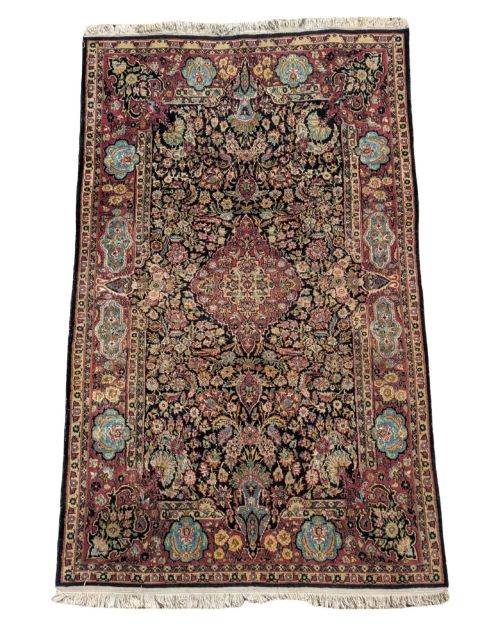
A patterned silk rug brings together fine textiles and traditional craftsmanship, spanning regions from Persia to Anatolia and Central Asia. These items include area rugs, carpets, prayer formats, and textile wall art created across the nineteenth and twentieth centuries.
You will frequently encounter Persian, Ottoman, and Uzbek styles, including Qum, Kayseri, and Bursa pieces alongside tribal works. Materials range from pure silk to art silk and mercerised cotton grounds.
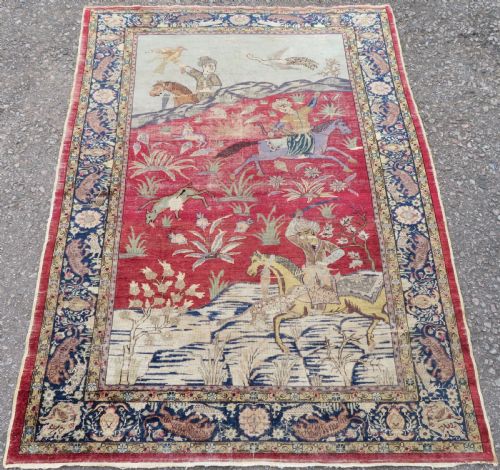
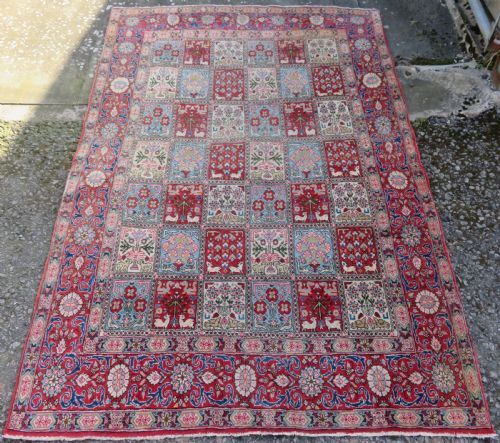
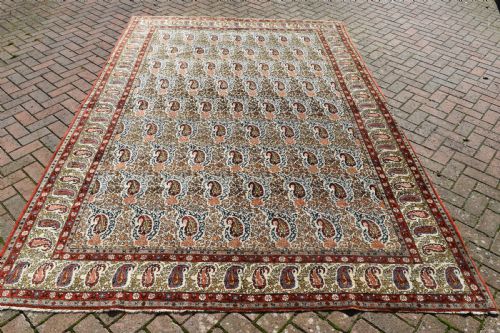
Selecting a patterned silk rug means examining the interplay of traditional motifs, such as repeat floral designs and pictorial hunting scenes. Each piece reflects the specific regional heritage of its maker.
Materials and construction methods
Construction relies primarily on silk, art silk, and mercerised cotton, frequently supported by cotton foundations. Artisans utilise detailed weaving and embroidery techniques to achieve complex visual depth.
Execution involves meticulous knotting and surface needlework, particularly visible in ceremonial covers and prayer formats. The combination of silk threads on cotton grounds provides both structural integrity and a lustrous finish.
A Lakai tribe horse cover proves that nineteenth-century nomads knew how to travel with serious interior design flair.
Distinguishing quality across examples
Quality separates through the precision of the weave and the complexity of the design, whether in a repeat floral pattern or a pictorial hunting scene. Finer knotting and careful handling of silk threads produce sharper details and greater durability.
The choice of materials also dictates overall calibre, with pure silk examples offering a distinct handle compared to art silk or mercerised cotton alternatives. Preservation of the original pile and ground fabric remains central to the integrity of each item.
The Patterned Silk Rug Glossary
- Art silk
- A synthetic fibre, typically rayon or viscose, used to mimic the appearance and lustre of natural silk. It provides a similar sheen at a different material cost.
- Mercerised cotton
- Cotton yarn that has been treated with sodium hydroxide to give it a lustrous, silk-like appearance and improved dye uptake. This process strengthens the cotton ground.
- Prayer rug
- A small textile featuring a mihrab or niche design, historically used for private prayer. These pieces often display specific architectural motifs oriented toward Mecca.
- Suzani
- An embroidered textile from Central Asia, traditionally made on a cotton or linen ground with silk thread. They frequently showcase bold floral and medallion patterns.
- Pile
- The upright loops or cut strands of yarn that form the usable surface of a rug. The density of this pile contributes to the texture and longevity of the piece.
Patterned Silk Rug: Frequently Asked Questions
How do I clean a silk rug?
Professional specialist cleaning is essential for silk and art silk textiles to prevent fibre distortion and colour bleeding. Regular gentle vacuuming without a beater bar helps remove surface dust.
Avoid DIY water treatments or harsh chemical spot cleaners, which can permanently damage the delicate pile and cotton foundations.
Can I hang a silk rug on the wall?
Many patterned silk rug items and textile wall art pieces are suitable for vertical display using proper conservation mounting methods. Distributing the weight evenly across a sleeve or specialised velcro system prevents tearing along the upper edge.
Keep hanging pieces away from direct sunlight to protect the natural and art silk dyes from fading over time.
What is the difference between Qum and Kayseri rugs?
Qum rugs originate from central Persia and are renowned for their fine knot density and intricate floral or tile patterns woven entirely in silk. Kayseri rugs come from central Turkey and often utilise traditional Anatolian motifs alongside art silk or pure silk materials.
Both regional types exhibit high technical precision, but their specific colour palettes and border designs reflect distinct weaving traditions.
How do I identify art silk?
Art silk refers to regenerated cellulose fibres like viscose that imitate the smooth feel and reflective sheen of genuine protein-based silk. Under close inspection, art silk fibres may burn differently or show less natural irregularity than harvested silk.
Examining the underside and handling the pile helps determine whether the piece uses pure silk or mercerised cotton and art silk blends.