


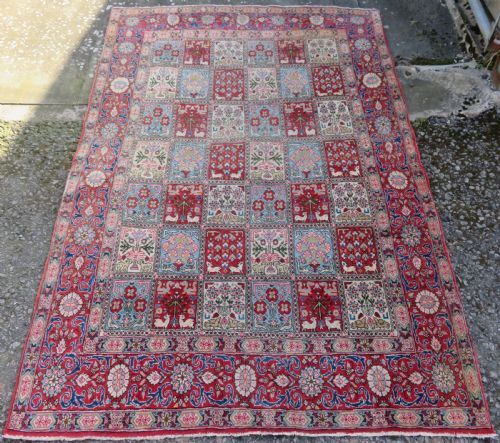


Red Silk Area Rug
A red silk area rug brings deep crimson tones and intricate weaving traditions into a room, offering both decorative warmth and historic artistry.
Red Silk Area Rug
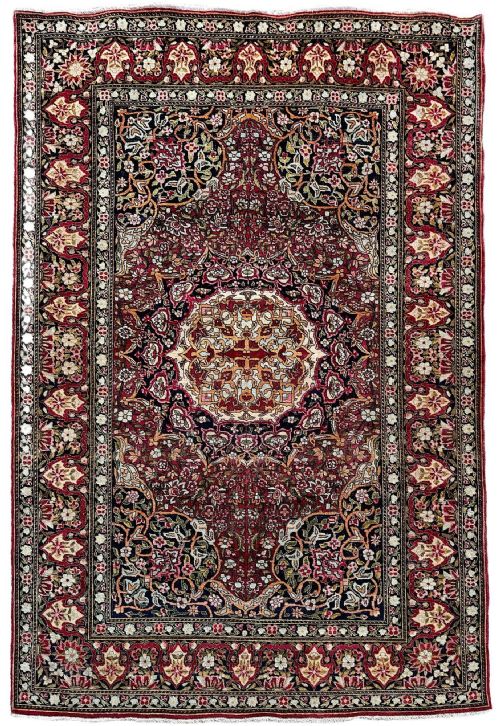
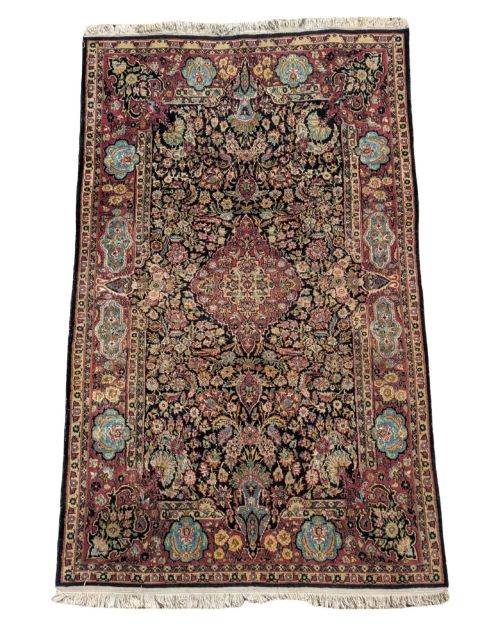
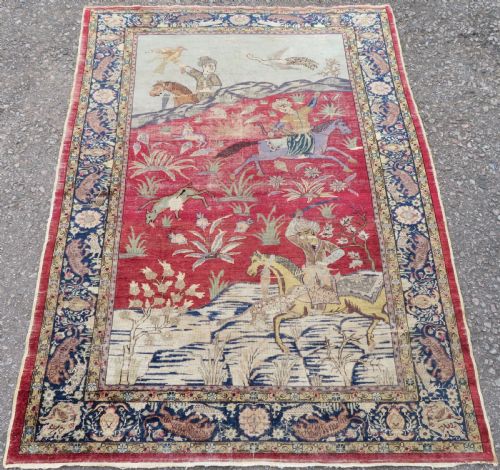
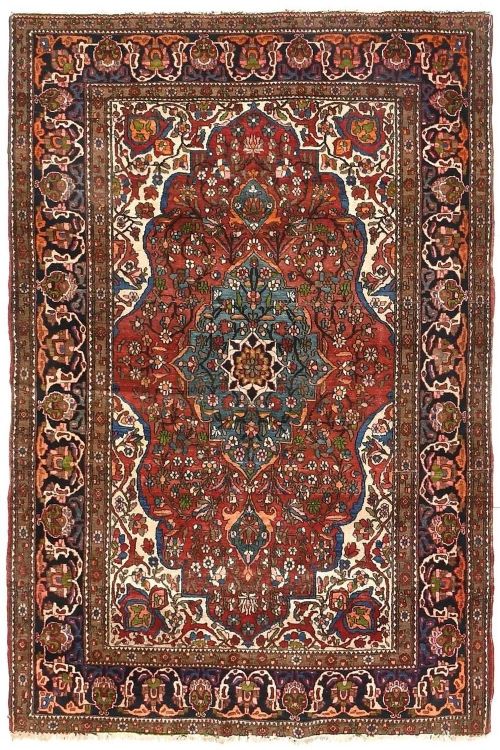
A red silk area rug is a woven floor covering originating primarily from Persian and Turkish weaving centres, including Isfahan, Qum, Kayseri, and Bursa. These pieces showcase detailed regional designs such as tile patterns, hunting scenes, and prayer niches.
The selections available here span from the early nineteenth century through the early twentieth century, incorporating diverse formats from compact prayer rugs to larger carpets. Buyers encounter both full-pile silk construction and pieces utilising silk highlights on cotton or wool foundations.
Traditional Oriental and Turkmen tribal styles also appear among the inventory, demonstrating the broad geographical spread of fine eastern weaving traditions. Each piece reflects the specific aesthetic and technical preferences of its origin.
How they were made
Weavers constructed these textiles using fine natural materials, combining pure silk threads with cotton or lambswool foundations to achieve varying degrees of pile depth and flexibility. Silk provides the lustrous sheen and capacity for intricate detail characteristic of these regional carpets.
Hand-knotting techniques allowed makers to execute complex geometric motifs, floral fields, and figurative hunting scenes with high knot densities. Artisans dyed the fibres in deep crimson and red tones, often incorporating contrasting highlights to accentuate the design.
Listings feature pieces from the nineteenth and early twentieth centuries, spanning Persian and Turkish regional styles.
What varies in quality
Quality in these rugs relates directly to the density of the weave and the precision of the knotting executed by the maker. Finer weaves allow for sharper definition in intricate motifs such as tile patterns and pictorial scenes.
The choice of foundation materials, whether pure silk throughout or a combination of wool on a silk foundation, influences the drape and handling of the textile. Superior examples maintain structural integrity alongside exceptional clarity in their red and crimson colour palettes.
The Red Silk Area Rug Glossary
- Pile
- The vertical or slanted loops of yarn that form the usable surface of a rug. In these pieces, pile height influences texture and durability.
- Foundation
- The underlying structure of warp and weft threads that supports the knots of a rug. Materials range from cotton to pure silk.
- Prayer rug
- A small carpet featuring a mihrab or niche design used historically for daily devotions. These pieces direct the focus of the user towards a specific orientation.
- Guls
- Octagonal medallion motifs traditionally used by Turkmen tribes. These repeating patterns help identify specific tribal groups and weaving lineages.
Red Silk Area Rug: Frequently Asked Questions
Where were these rugs made?
The pieces originate primarily from traditional weaving centres in Persia and Turkey, including Isfahan, Qum, Kayseri, and Bursa.
Specific workshops and tribal groups across these regions developed distinct patterns, from elaborate floral fields to geometric prayer niches.
How do I care for a silk rug?
Protect the textile from excessive foot traffic and direct sunlight to preserve the delicate silk fibres and rich red dyes.
Professional cleaning tailored to antique textiles is recommended to maintain the structural integrity of the weave.
What is a foundation?
The foundation consists of the warp and weft threads that form the supportive grid upon which the pile knots are tied.
Materials used in these pieces include cotton, wool, and pure silk depending on the regional tradition.