

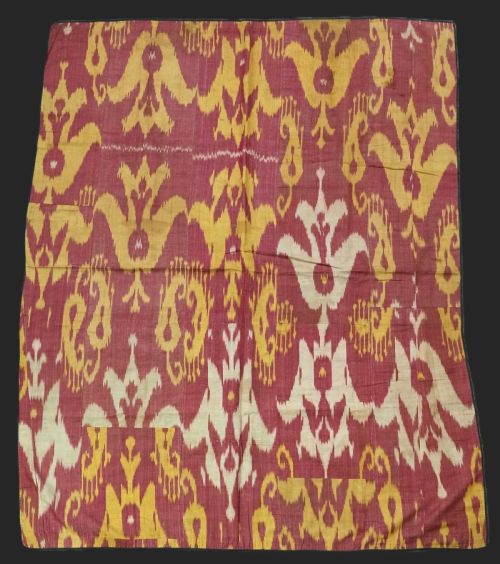
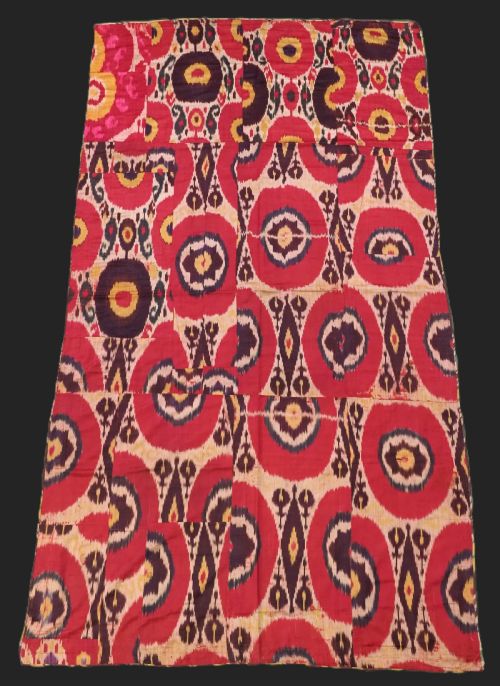

Traditional Silk Rug
A traditional silk rug brings luminous depth and intricate regional pattern into a room through centuries-old textile traditions.
Traditional Silk Rug
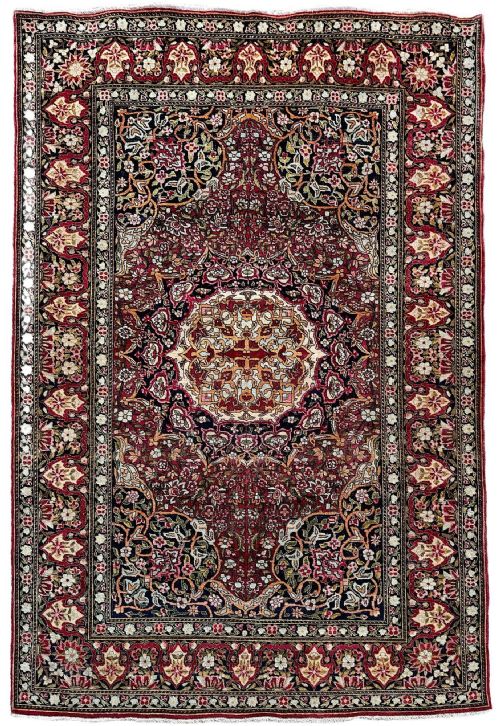
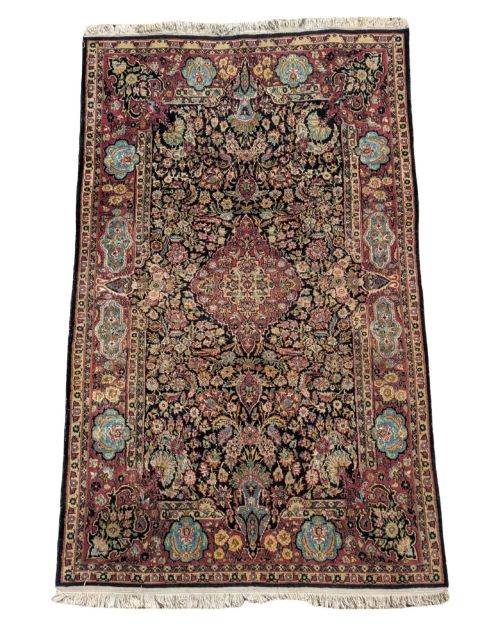
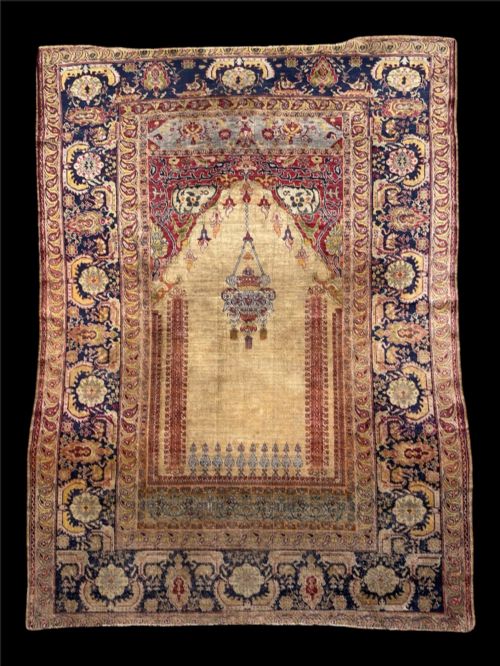
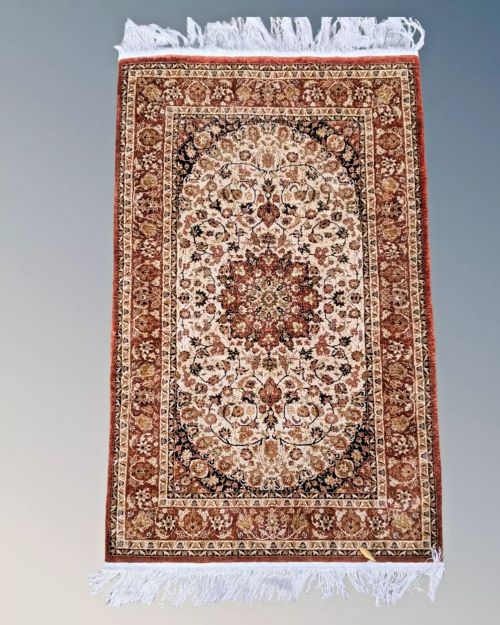
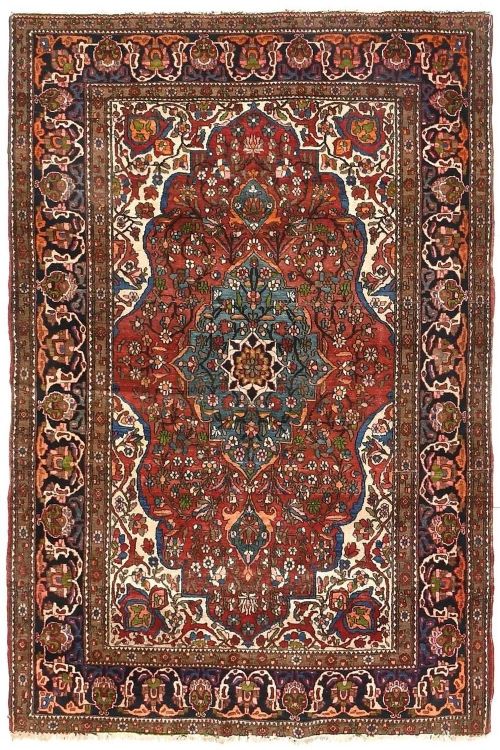
When searching for a traditional silk rug, buyers encounter a diverse selection of floor coverings and wall hangings originating from Persia, Central Asia, and Ottoman regions. Persian weaving centres such as Isfahan, Qum, Tabriz, and Kashan yield finely knotted pile carpets and rugs featuring silk highlights or full silk construction.
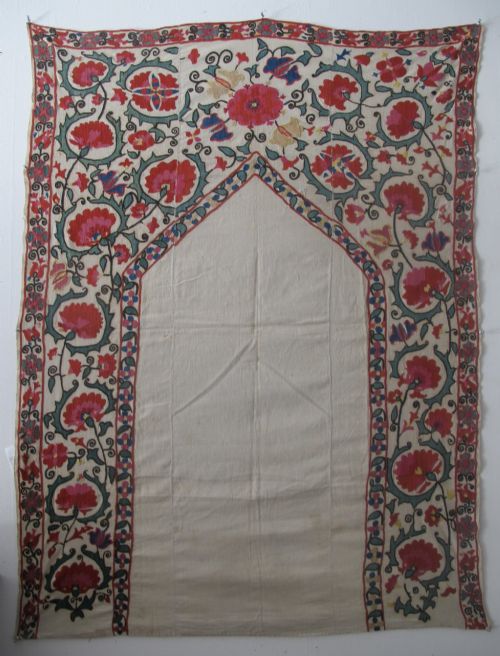
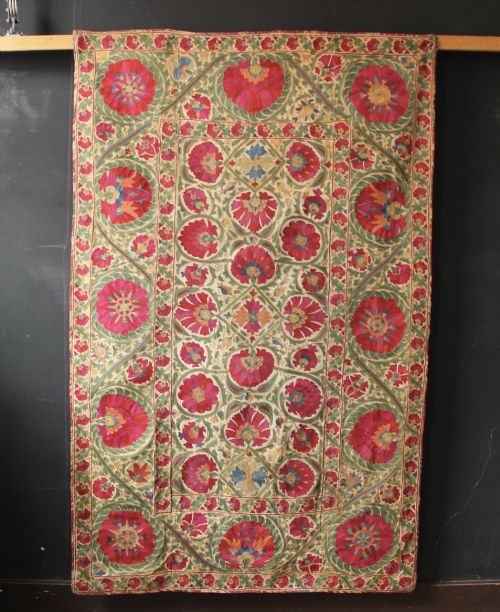
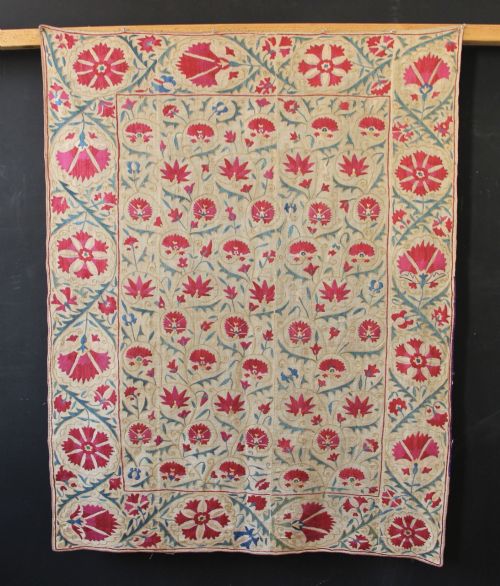
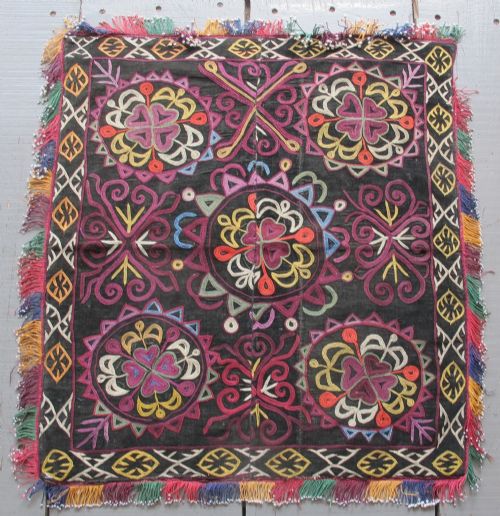
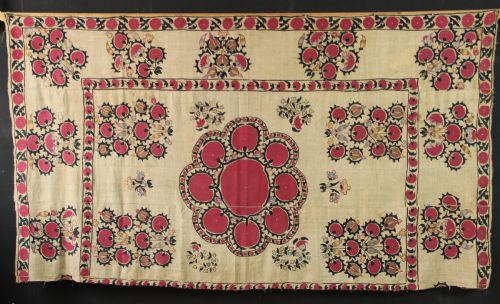
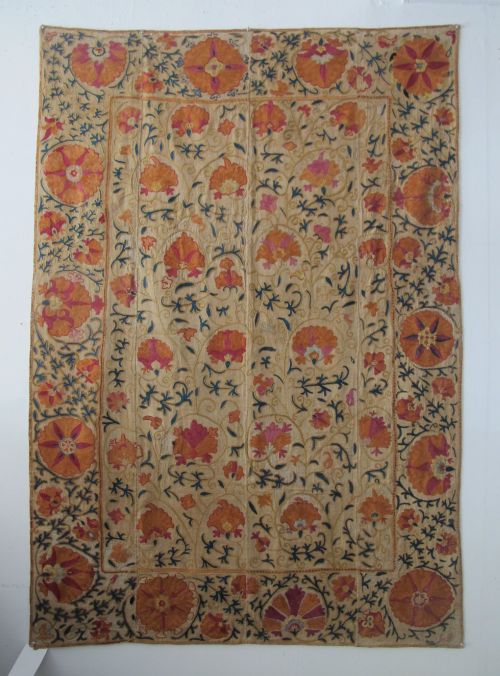
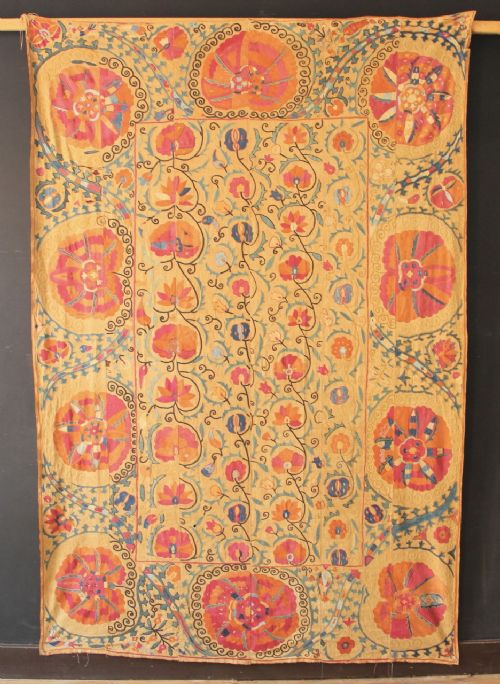
Alongside knotted pile carpets, this category encompasses Central Asian textile art, specifically embroidered suzanis from Uzbekistan centres like Tashkent, Bukhara, and Shakrisabz. These embroidered hangings and bed covers utilise rich silk thread on cotton, wool, felt, or adras foundations, showing architectural, medallion, and floral motifs.
The selection ranges from nineteenth-century tribal dowry rugs and prayer panels to twentieth-century decorative pieces and woven textile panels. Buyers meet both pile-woven Persian carpets and flat-stitched Central Asian embroideries under this heading.
Materials and construction methods
The foundation of these textiles relies on natural fibres including cotton, wool, felt, and adras, which is a woven mixture of silk and cotton. Artisans work fine silk threads onto these varied grounds to create dense pile carpets or elaborate tambour and chain stitch embroidery.
Specialised regional techniques define the making of these pieces, from the intricate hand-knotting of Persian city workshops to the vibrant needlework of Uzbek suzani makers. Additional elements such as glass beads appear in specific decorative panels, while natural dyes provide the lasting pigments seen across the ground fabrics and silk highlights.
Materials recorded include pure silk, cotton, wool, glass beads, felt, and mixed adras grounds.
Quality variations in weaving and embroidery
The density of the knotting in pile rugs or the fullness of the embroidery stitches in suzanis determines the refinement of the piece. Full-work embroidery panels and tightly woven city carpets represent a higher degree of artisan labour compared to examples with simpler silk highlights.
The choice of ground material and the complexity of the design layout, such as architectural elements or large medallion variants, distinguish standard items from exceptional examples. Colour preservation and the precision of the needlework or knot structure further separate the finer pieces.
The Traditional Silk Rug Glossary
- Suzani
- An embroidered Central Asian hanging or textile panel worked in silk thread on a cotton, wool, or silk ground. These decorative pieces often display floral, medallion, or architectural motifs.
- Adras
- A traditional Central Asian fabric woven from a combination of silk and cotton yarns. It serves as a textured ground fabric for embroidered textile panels.
- Nim
- A term designating a half-size suzani or textile cover, typically measuring smaller than standard full-size wall hangings. These smaller formats were utilised for specific domestic furnishings.
- Pile rug
- A carpet or rug constructed with a knotted surface pile that stands upright from the foundation warp and weft threads. Persian city workshops produced these with silk highlights or entirely in silk.
- Palak
- A fully embroidered Tashkent suzani style featuring dense, complete coverage of the ground fabric. This layout represents an intensive level of needlework.
Traditional Silk Rug: Frequently Asked Questions
How were traditional silk rugs used historically?
Central Asian suzanis served primarily as wall hangings, dowry items, bed covers, and mirror covers within domestic interiors. They were created to mark significant family milestones and adorn living spaces.
Pile-woven Persian carpets functioned as floor coverings in urban homes and formal spaces, bringing warmth and decorative pattern to rooms.
Where do most traditional silk rugs originate?
The pieces originate across Persia and Central Asia, with specific towns and regions developing distinct artistic traditions. Persian items hail from centres such as Isfahan, Qum, Tabriz, and Kashan.
Central Asian pieces come from Uzbek regions including Bukhara, Tashkent, and Shakrisabz, reflecting local tribal and regional styles.
How do I care for an antique silk rug?
Protect antique silk textiles from direct sunlight to prevent fading of the natural dyes and delicate silk threads. Gentle vacuuming without a beater bar helps remove surface dust from pile rugs.
Textile panels and suzanis benefit from professional conservation framing or light dusting rather than heavy domestic cleaning.
What is the difference between a suzani and a pile rug?
A suzani is an embroidered textile panel featuring needlework stitched onto a woven ground fabric like cotton, wool, or adras. They are flat surfaces created with silk thread.
A pile rug is constructed by knotting individual strands of yarn around warp threads to create a tactile, plush surface designed for the floor.