

Patterned Porcelain Bowl
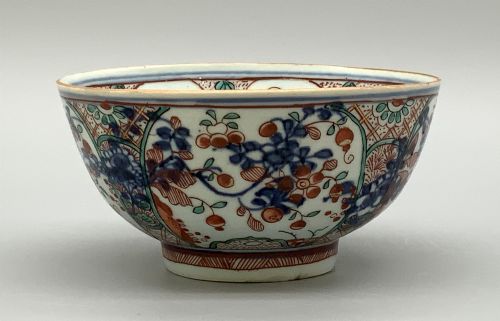
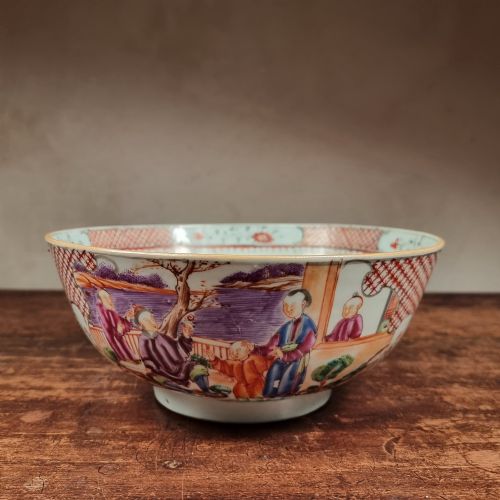
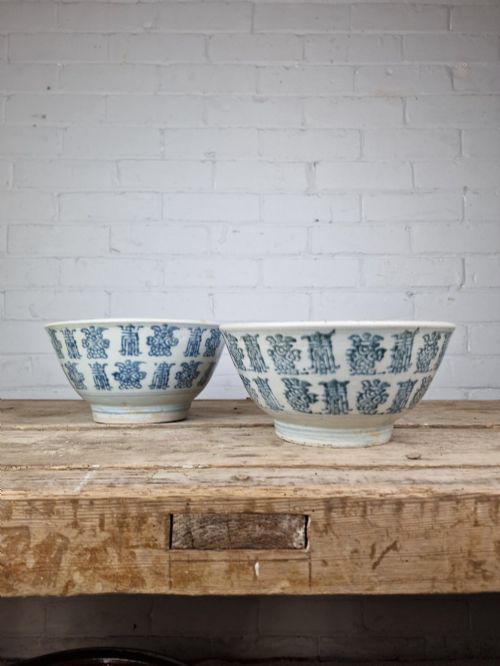
A patterned porcelain bowl brings hand-painted motifs and rich historical glazing into daily service or display.

Patterned Porcelain Bowl
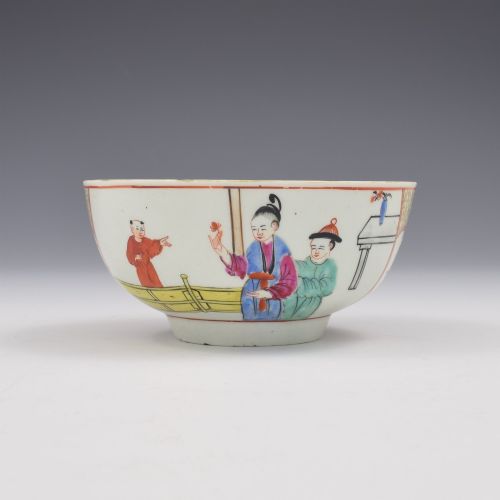
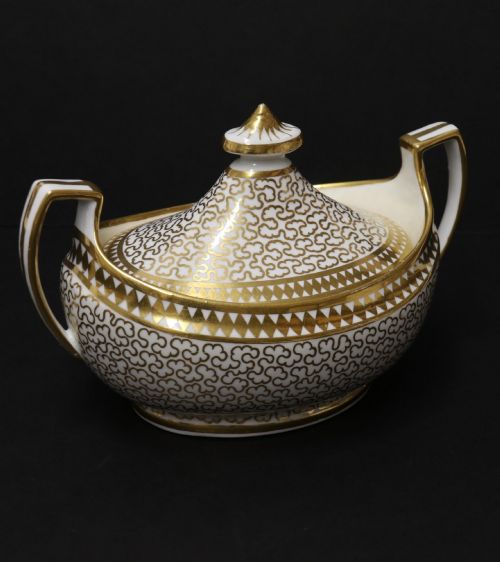
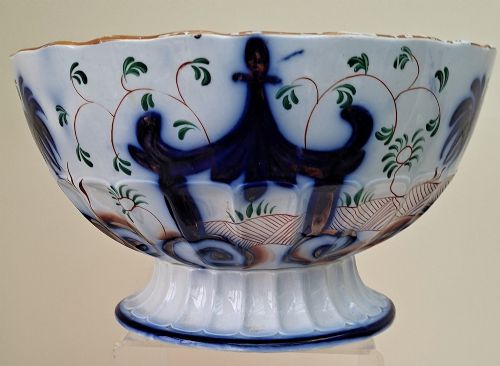
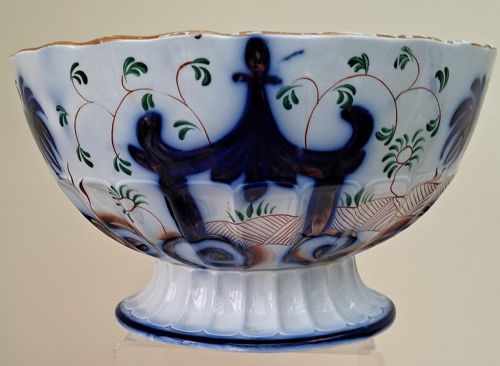
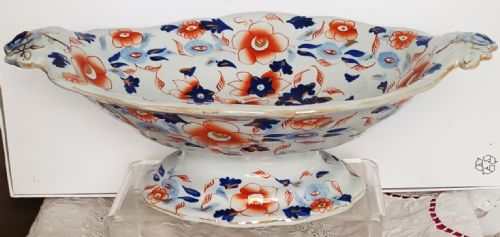
When searching for a patterned porcelain bowl, collectors encounter items spanning the eighteenth century through to the twentieth century, originating from English factories and Asian kilns. The selection includes sugar bowls, punch bowls, tea bowls, and footed fruit dishes.
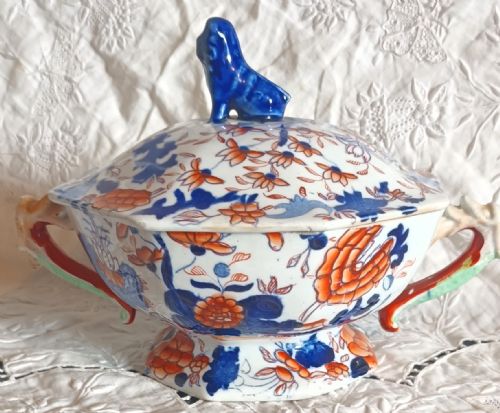
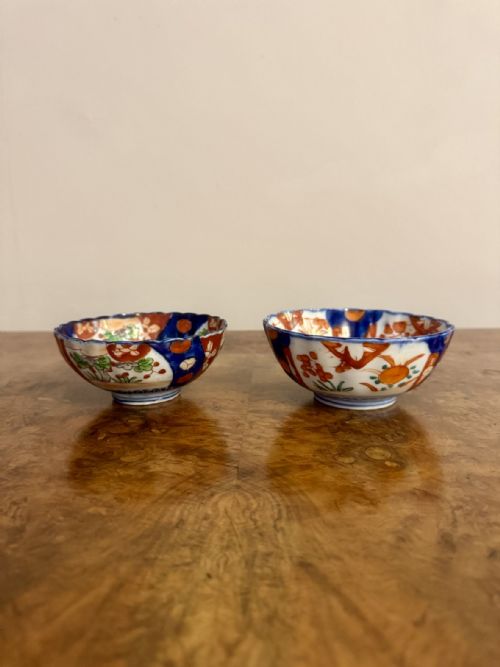
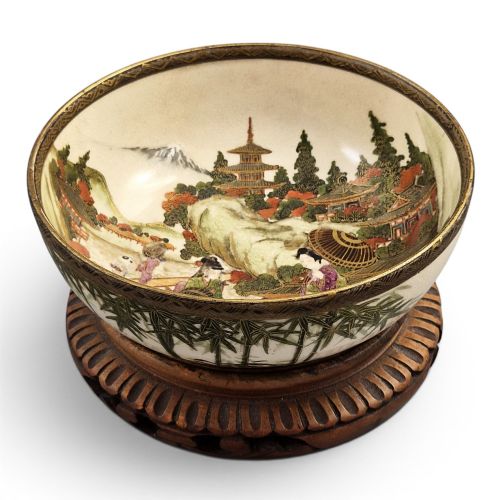
English examples range from early Worcester blue and white services to Regency Spode and Victorian ironstone. Chinese export pieces and Japanese Imari wares provide contrasting oriental designs.
Most entries belong to the eighteenth and nineteenth centuries, showing regional styles from Georgian Chinoiserie to Art Nouveau lustre ware.
How they were made
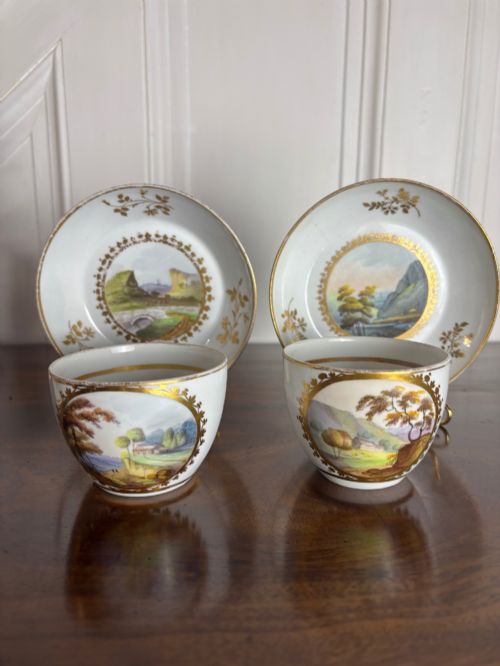
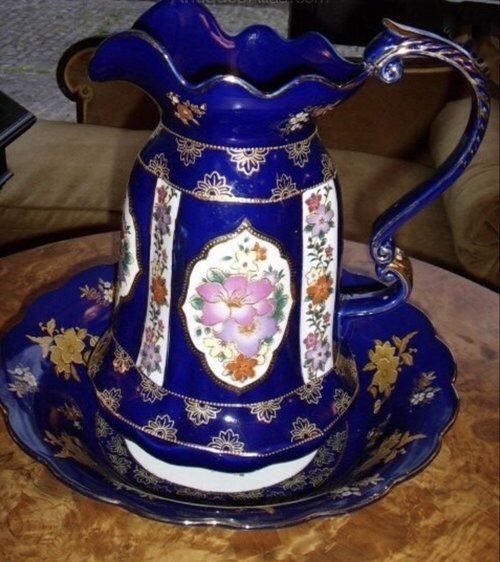
Potters utilised soft-paste porcelain, bone china, and ironstone, applying cobalt blue glaze, enamel colours, and gold leaf highlights. Many vessels received hand-painted motifs before undergoing high-temperature kiln firing.
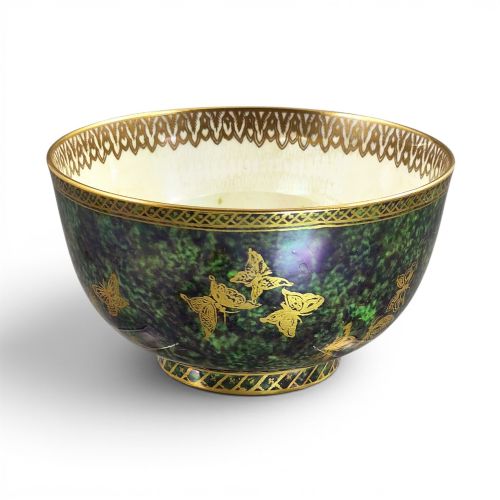
Specialised techniques include transfer printing and lustre applications, seen particularly in twentieth-century Wedgwood pieces and earlier Worcester tablewares.
Early tea drinkers required dedicated slop bowls simply because tea leaves lacked modern filtration.
What varies in quality
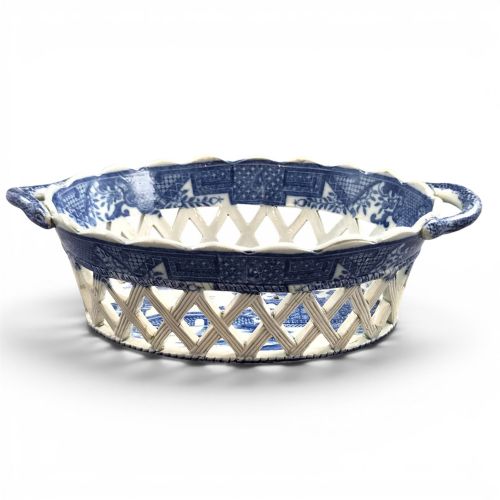
Quality rests upon the precision of the hand-painting, the clarity of the cobalt glaze, and the crispness of moulded details such as reticulated baskets. Early factory pieces display finer brushwork and more controlled porcelain bodies.
The preservation of original gilding and enamel vibrancy distinguishes superior examples from standard tablewares.
Spode·Dr Wall Worcester·Chamberlains Worcester·Mason's Ironstone·Wedgwood·Minton·Coalport·Royal Crown Derby·Ridgway·Royal Davenport
The Patterned Porcelain Bowl Glossary
- Slop bowl
- A large bowl used during tea service to discard spent tea leaves or dregs. They form part of nineteenth-century tea sets.
- Sucrier
- A covered container designed to hold sugar. These vessels often match tea bowls and cream jugs in period services.
- Imari
- A style of decorative ceramic originating in Japan, characterised by a palette of cobalt blue, iron red, and gold. English factories frequently copied these patterns.
- Lustre ware
- Pottery or porcelain treated with a metallic film that produces an iridescent surface sheen. Wedgwood utilised this finish extensively.
- Reticulated
- Openwork decoration formed by cutting patterns through the clay body before firing. This technique appears on baskets and chestnut dishes.
Patterned Porcelain Bowl: Frequently Asked Questions
What is a patterned porcelain bowl used for?
These vessels served various domestic functions, from holding sugar and tea dregs to presenting fruit and sweetmeats on the dining table.
Today, collectors utilise them as decorative centerpieces or retain them for display within cabinet collections.
How do I identify eighteenth century pieces?
Early pieces often display hand-painted blue and white underglaze decoration, unglazed foot rims, and characteristic paste variations visible under magnification.
Factory marks, where present, help confirm the specific period and manufacturing origin.
What is the difference between porcelain and ironstone?
Porcelain is a vitrified, translucent ceramic fired at high temperatures, whereas ironstone is a heavy earthenware developed for durability.
Ironstone offers greater strength for daily service while maintaining detailed transfer-printed or painted patterns.
How should I care for antique ceramic bowls?
Display vessels away from direct sunlight to protect enamel colours and delicate gold leaf highlights from fading.
Hand washing in lukewarm water with mild soap ensures the glaze and body remain undamaged.