




English Ceramic Basin
An english ceramic basin brings practical utility and historical charm to any interior space, offering enduring appeal for collectors of traditional ceramics.

English Ceramic Basin
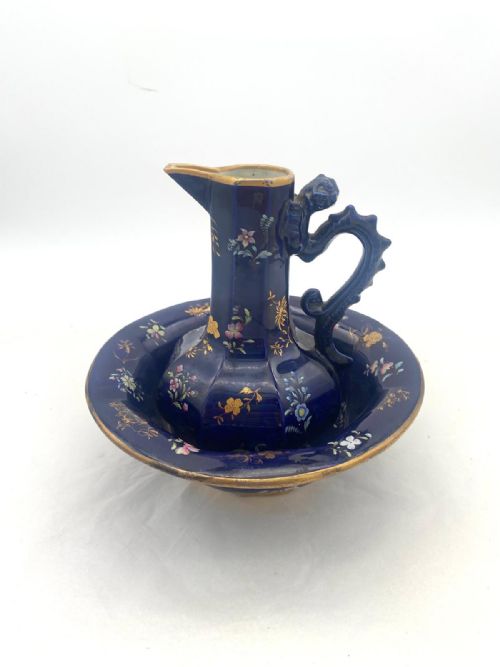
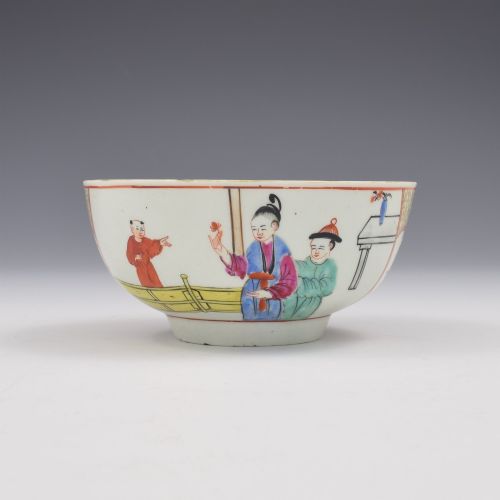
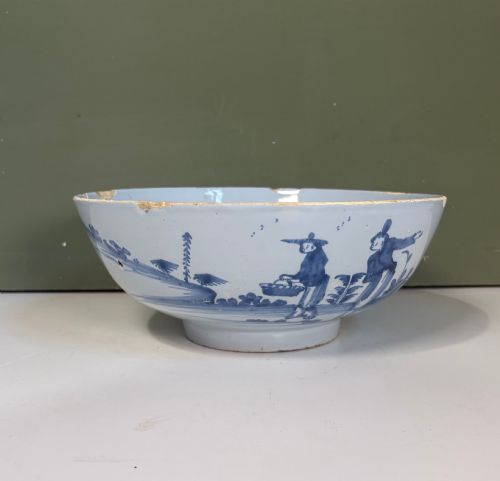
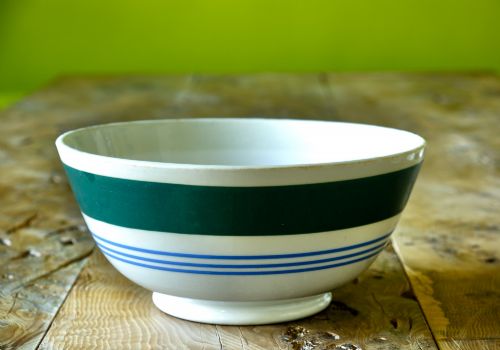
When searching for an english ceramic basin, collectors typically encounter a diverse selection of utilitarian and decorative vessels originating from various periods such as the eighteenth and nineteenth centuries. These pieces encompass forms ranging from large washbowls and dairy bowls to footbaths and jug and basin sets.
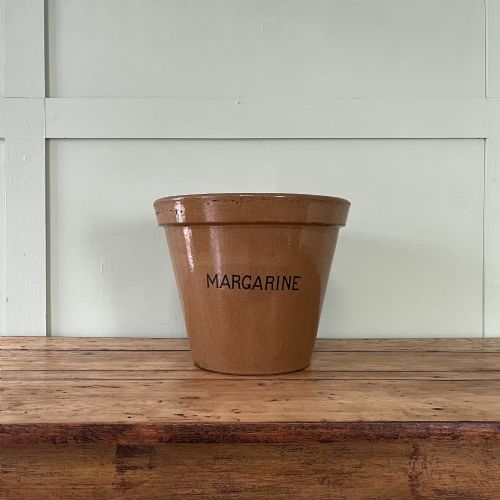
The inventory demonstrates a strong representation of domestic utility alongside finely decorated table wares, reflecting how households utilised ceramic basins across different eras. Examples include earthenware margarine bowls, stoneware utility pieces, and refined porcelain vessels associated with wash stands.
Makers and factories spanning the Georgian, Regency, Victorian, and Edwardian epochs contributed distinct regional and stylistic variations to these functional objects. Buyers frequently discover earthenware, stoneware, and porcelain iterations bearing hand-painted motifs, transfer printing, or traditional slip glazes.
Materials and Manufacturing Techniques
Potters utilised native clays, earthenware, stoneware, and soft-paste or felspar porcelain to form these basins, employing wheel-throwing or moulding techniques appropriate to the period. Stoneware pieces often received durable salt glazes or slip applications for daily dairy and kitchen use.
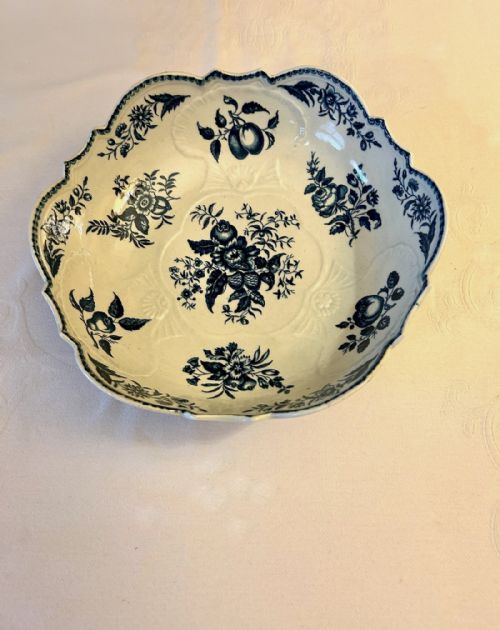
Refined porcelain and ironstone basins underwent high-temperature firing before receiving intricate hand-painted enamels, gilding, or underglaze blue and white transfer printed designs. Surface treatments ranged from simple banded glazes to complex lustre finishes requiring specialised kiln processes.
Sailors departing on nineteenth-century voyages kept large commemorative bowls nearby to ensure they toasted home with proper maritime spirit.
Assessing Quality and Execution
Quality in these ceramics rests upon the crispness of the moulding, the stability of the glaze, and the precision of any hand-painted or transfer-printed decoration. Superior examples display controlled kiln work without excessive warping or surface blemishes.
Artistic ambition significantly elevates certain pieces, distinguishing standard utility vessels from exhibition-grade works featuring intricate patterns, gilding, or specialist lustre finishes by notable designers.
Masons Ironstone·Dr Wall Worcester·Chamberlains Worcester·Spode·Doulton Lambeth·Royal Crown Derby·T G Green Pottery·Wedgwood·Verwood·Royal Worcester·Barr Flight and Barr·Coalport
The English Ceramic Basin Glossary
- Creamware
- A fine earthenware developed in the eighteenth century with a pale yellowish straw-coloured lead glaze. It became a staple of English table and utility wares.
- Ironstone
- A patented ceramic body invented in the nineteenth century, known for its extreme durability and dense composition. It offered a robust alternative to porcelain.
- Sucrier
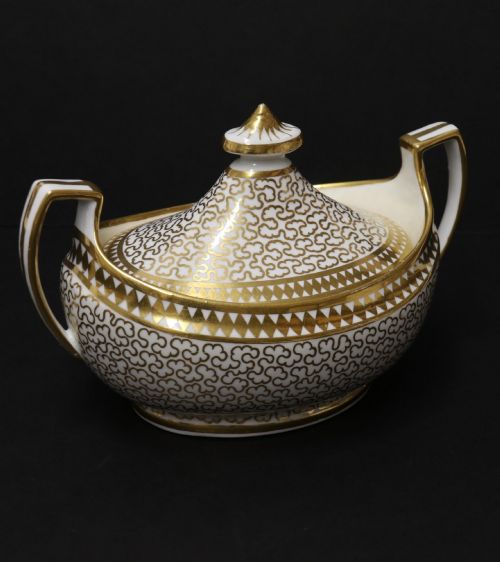
- A small lidded vessel designed specifically for holding sugar at the tea table. These often mirror the decorative patterns of contemporary tea services.
- Slip glaze
- A liquid clay mixture applied to pottery before firing to impart colour or a smooth surface. It is frequently seen on traditional country wares and storage vessels.
- Lustreware
- Pottery treated with a metallic film that produces an iridescent sheen upon firing. This technique created shimmering copper, silver, or multicoloured finishes.
English Ceramic Basin: Frequently Asked Questions
What is an english ceramic basin used for?
These basins served diverse domestic purposes, ranging from personal washing and hygiene at the wash stand to dairy operations and food preparation in large kitchens.
Over time, many of these utilitarian vessels transitioned into decorative display items, valued for their historical connection to traditional domestic life.
How do I date an antique ceramic basin?
Dating relies heavily on identifying specific ceramic bodies, maker marks, glaze characteristics, and stylistic traits associated with periods like the Georgian, Regency, or Edwardian eras.
Comparing the decorative motifs and manufacturing techniques against documented historical examples helps narrow the period of production.
Are these basins safe for daily use?
While many historic stoneware and earthenware vessels were built for robust daily labour, antique ceramic basins are generally appreciated today as decorative or collection pieces.
Chemical stability in older glazes and the preservation of fragile nineteenth-century surfaces make gentle handling and display preferable to active modern utility.
How should I display my basin?
Basins look best when exhibited on sturdy, level surfaces that accommodate their proportions, such as sideboards, tables, or within specialised wash stands.
Ensuring adequate support prevents accidental tipping, while placement away from direct heat sources protects the historic glazes and structural integrity.