

Patterned Floor Rug
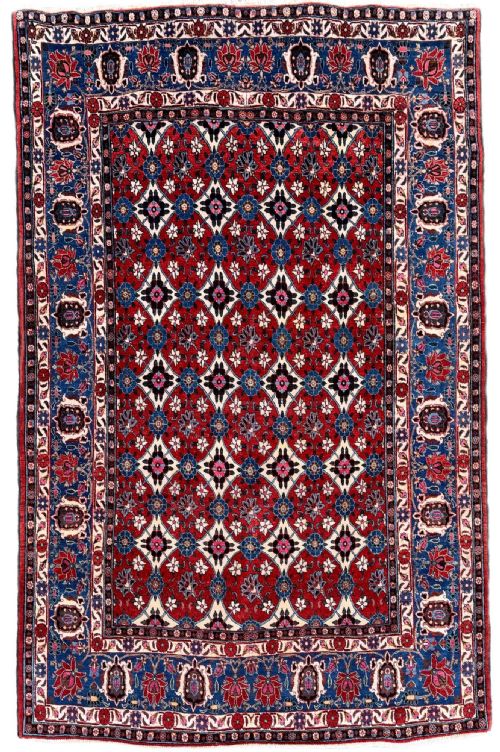
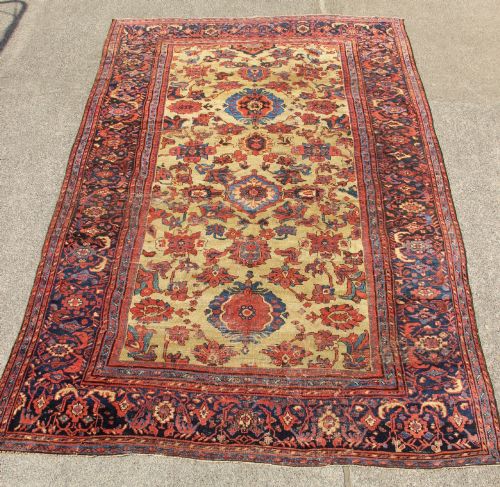
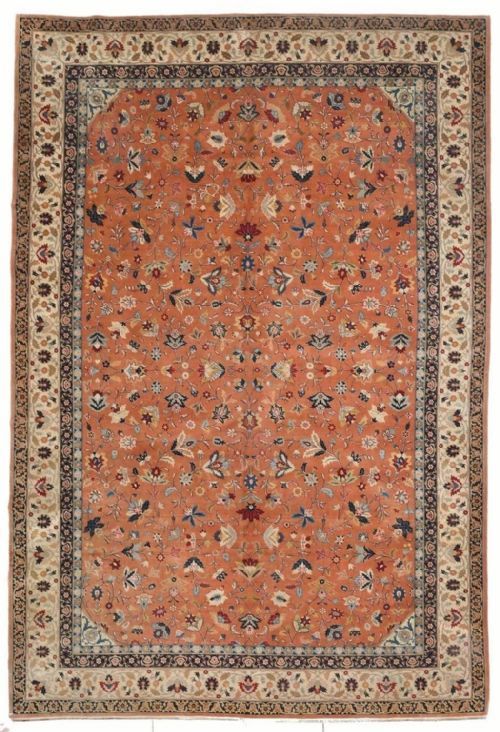
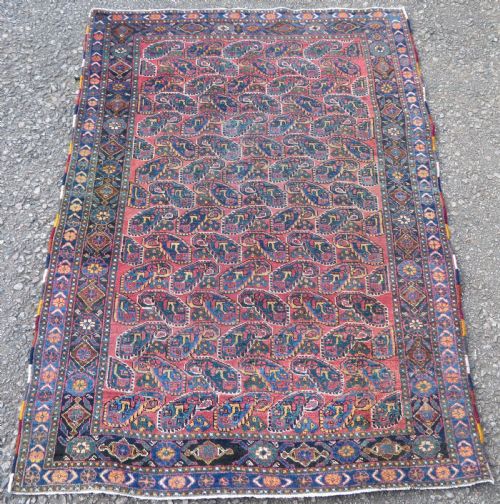
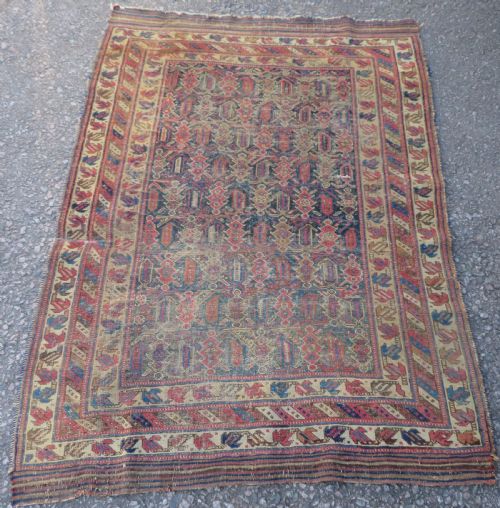
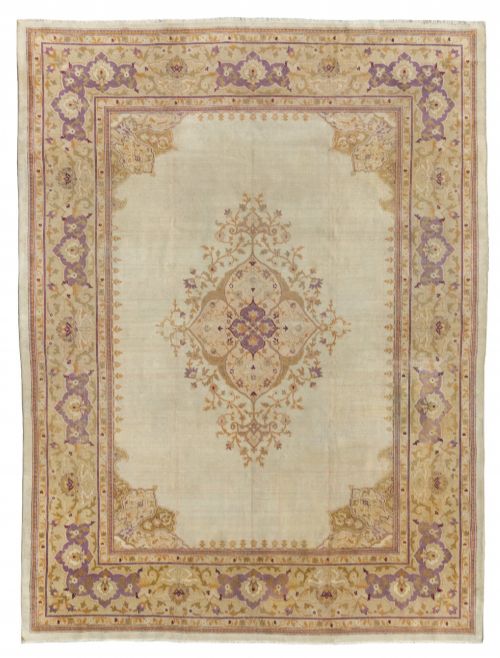
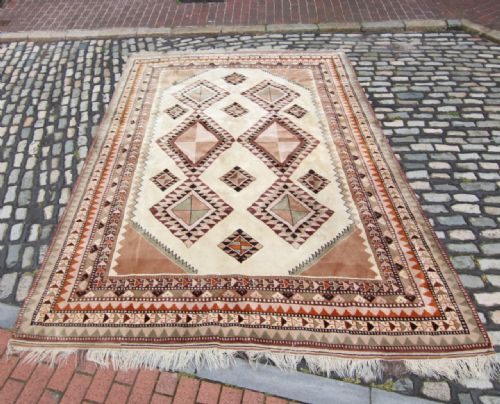
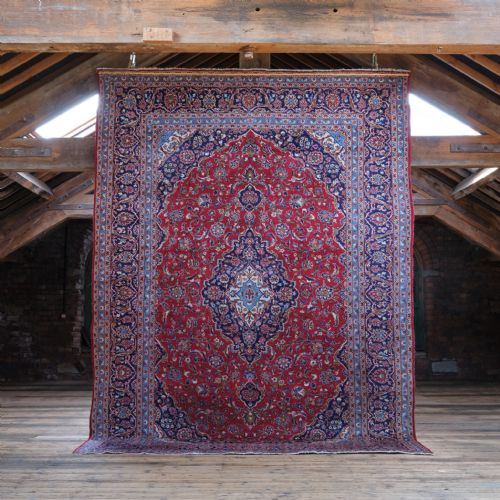
A patterned floor rug anchors a room with dense dye work and woven wool, drawing the eye across intricate tribal and city designs.
Patterned Floor Rug
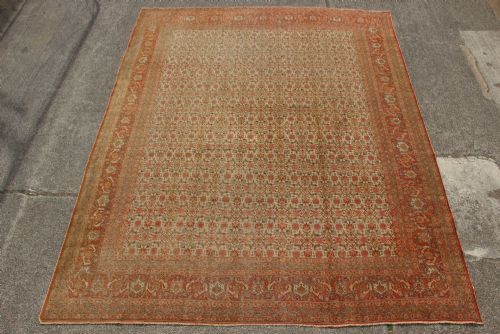
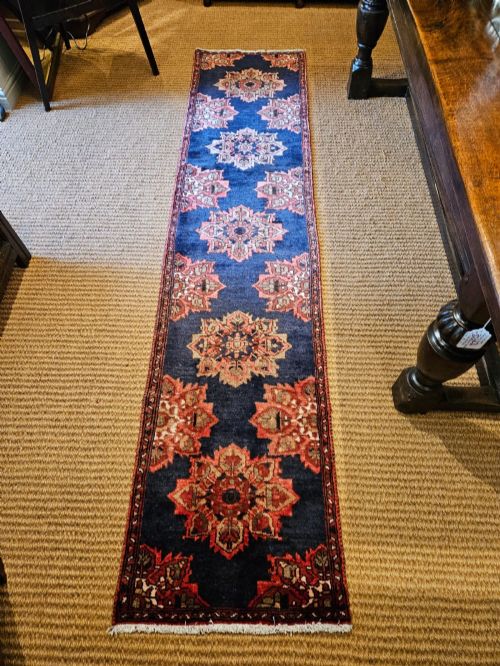
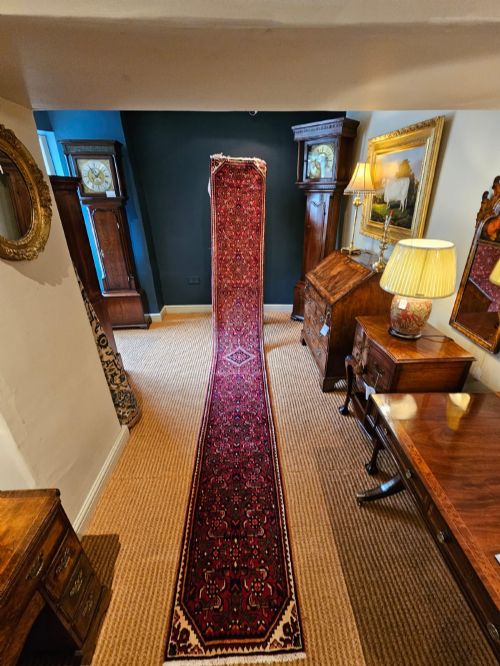
A patterned floor rug encompasses hand-knotted and flat-woven carpets produced across Persia, Central Asia, and Anatolia during the nineteenth and early twentieth centuries. These textiles range from room-sized carpets and area rugs down to long hallway runners designed for heavy transit.
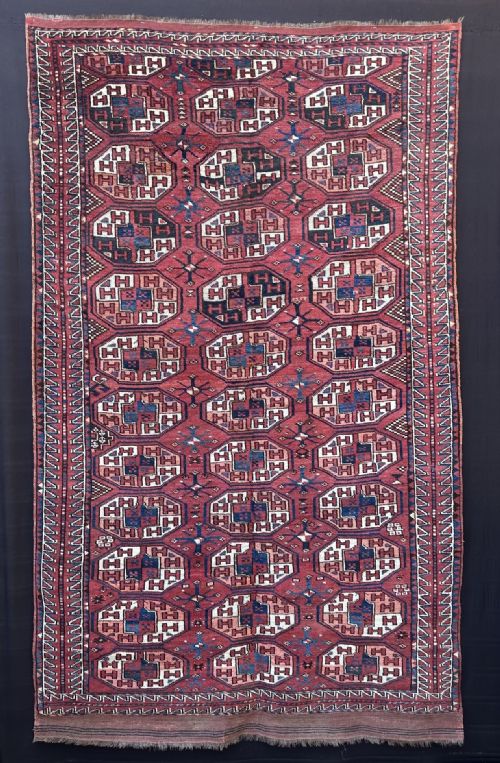
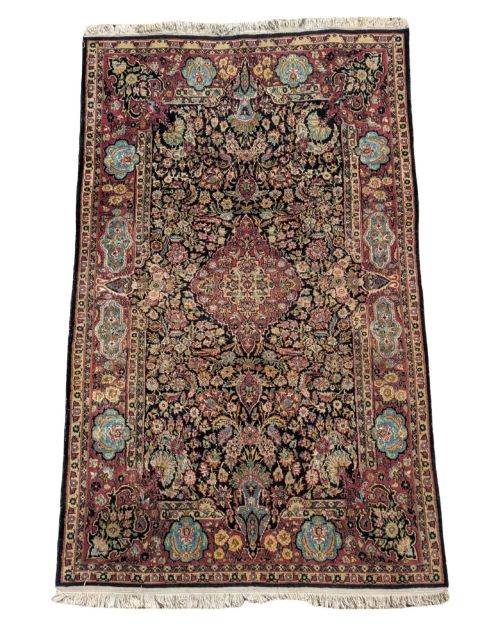
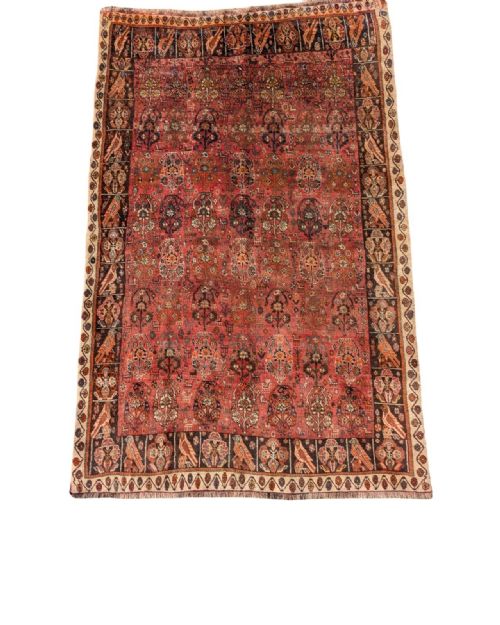
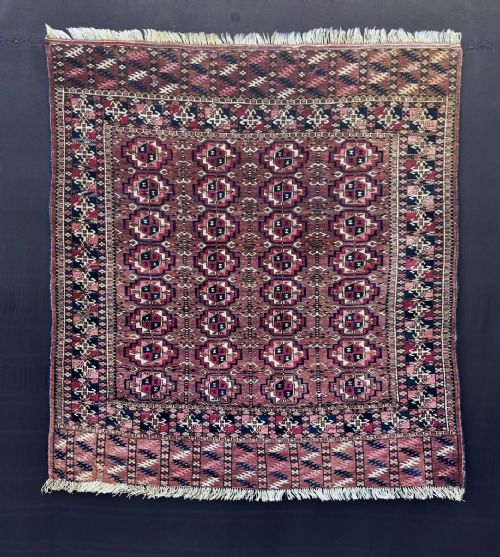
Most examples found here hail from traditional weaving centres and nomadic groups, including Afshar, Kashan, Tabriz, and Turkmen tribes. Buyers frequently encounter room-scale carpets alongside smaller village formats rendered in wool, cotton, and occasionally silk.
Materials and construction methods
Weavers relied principally on sheep's wool for the pile and foundation, supplemented by cotton warps and wefts in urban workshops. Silk appears selectively as highlights in specific carpets to accentuate details within the design.
Natural dyes provide the colour palette, yielding rich tones that soften gracefully over decades of use. Artisans knotted the wool by hand onto vertical looms, creating dense piles or flat-woven kilim structures.
Some Turkmen rugs double as wedding carpets, woven with specific tribal motifs intended to bring good fortune to nomadic households.
Quality factors in antique weaving
Knot density and the precision of the tribal or city design dictate the structural standard of each piece. Finer knotting permits sharper geometric and floral motifs to emerge clearly across the field.
The integrity of the foundation and the stability of the natural dyes influence longevity and visual impact. Original pile height and minimal restoration preserve the authentic character intended by the original weaver.
The Patterned Floor Rug Glossary
- Pile
- The upright loops or cut ends of yarn that form the usable surface of a rug. This layer bears the brunt of foot traffic and displays the main visual pattern.
- Warp
- The vertical threads stretched tightly on the loom before weaving begins. The fringe of a finished rug typically consists of these extended warp threads.
- Weft
- The horizontal threads passed alternately over and under the warp threads to lock the knots in place. Together, warp and weft form the supportive foundation.
- Kilim
- A flat-woven carpet or rug made without a pile by tightly interweaving warp and weft strands. These pieces result in a lightweight, reversible textile.
- Natural dye
- Colouring matter derived from plants, insects, and minerals rather than synthetic chemicals. These dyes produce complex, muted tones that age with distinct character.
Patterned Floor Rug: Frequently Asked Questions
How do I clean an antique rug?
Professional specialist cleaning is essential for older wool and silk textiles to prevent dye migration and fibre damage. Routine maintenance requires gentle suction vacuuming without a beater bar.
Avoid household detergents and excess moisture, which rot the cotton foundations and warp threads. Address spills immediately by blotting gently with a clean, dry white cloth.
Where were these rugs made?
Production centres span traditional weaving regions including Persia, Central Asia, and Anatolia. Tribal groups and city workshops each developed distinct structural methods and design vocabularies.
Nomadic weavers worked on portable horizontal looms, while urban centres utilised large vertical setups for room-sized carpets.
Are these rugs suitable for hallways?
Long runner formats serve high-traffic corridors effectively when paired with a quality underlay to prevent sliding. Dense wool construction withstands regular footsteps while protecting underlying flooring.
Choose pieces with sturdy cotton foundations and resilient wool piles for spaces subject to daily movement.
How do I date an old rug?
Examination of the dye palette, wool quality, and structural construction provides reliable clues to the period of manufacture. Natural dyes and hand-spun wool point toward nineteenth and early twentieth-century origins.
Comparing border motifs and medallion structures against documented regional styles helps narrow down the decade and origin.