






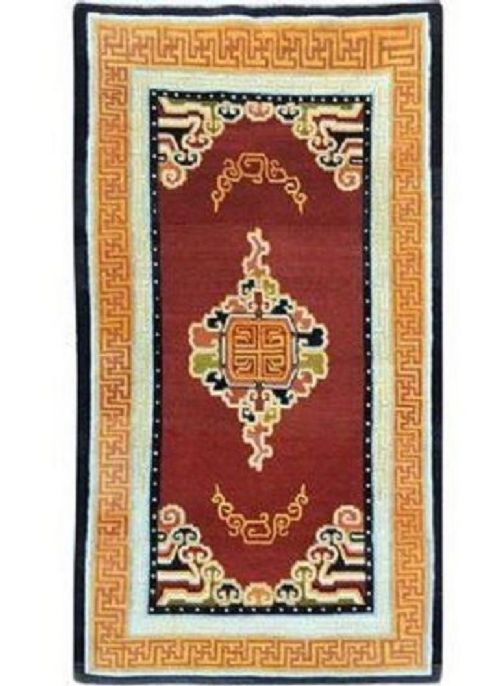
Woven Oriental Rug
A woven oriental rug brings texture and history to a floor, spanning tribal village designs and grand city carpets from the nineteenth and early twentieth centuries.
Woven Oriental Rug
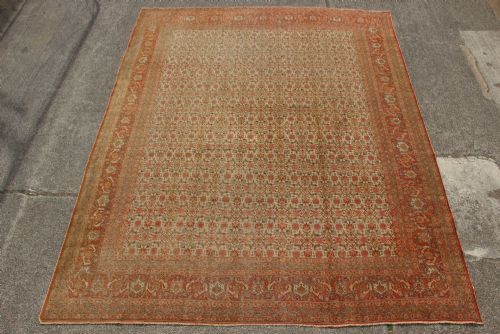
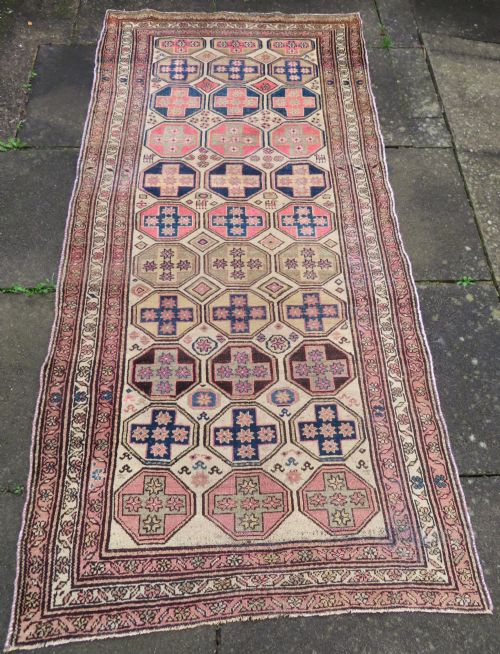
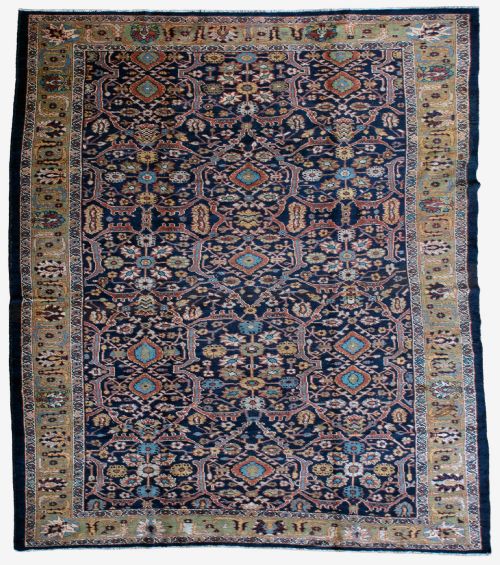
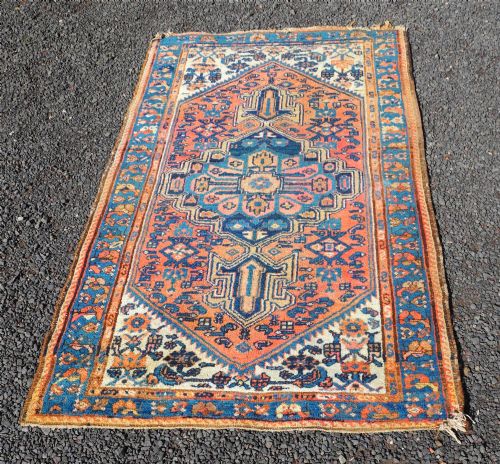
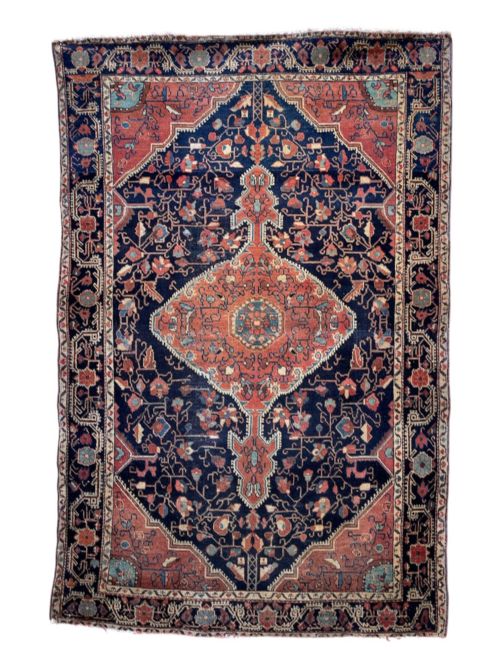
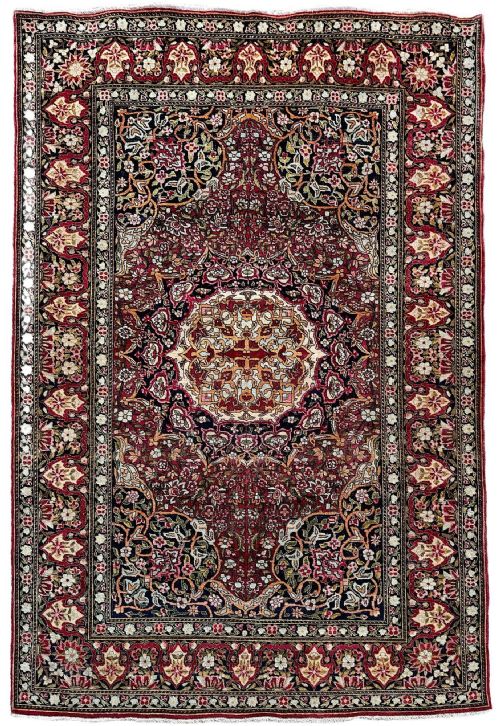
When you search for a woven oriental rug, you encounter hand-knotted floor coverings hailing from Persia, the Caucasus, Anatolia, and Tibet, dating from the late nineteenth century up to the 1930s. The selection spans compact prayer rugs and saddlebags to substantial carpets and long runners designed for hallways and galleries.
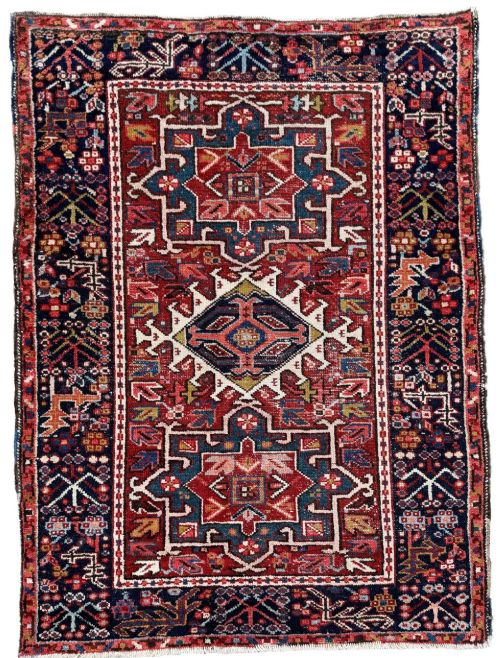
You are most likely to meet Persian town and village pieces such as Hamadan, Heriz, and Mahal rugs, alongside energetic Caucasian Kazak and Kurdish tribal examples. These textiles served practical purposes in country houses and urban interiors alike, adapting to hearths, corridors, and reception rooms.
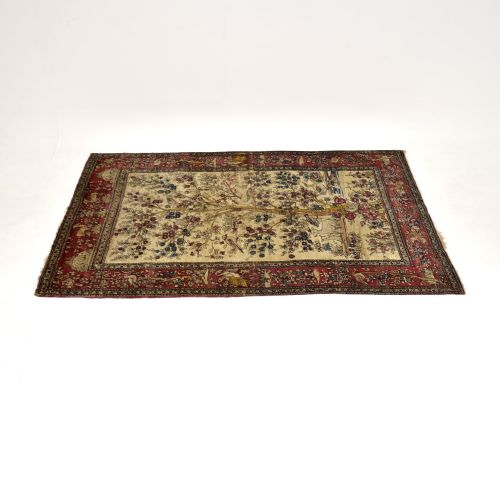
The regional diversity shows in the formats available, shifting from square area rugs to long runners and smaller tribal weaving formats. Each piece reflects the aesthetic traditions of its specific origin, whether that is the geometric vigour of tribal workshops or the refined floral compositions of city looms.
Assessing quality
Quality rests on the precision of the knotting, the crispness of the drawing in the geometric or floral motifs, and the depth of the palette. Finer village and city carpets display intricate symmetry and careful handling of border proportions.
The integrity of the foundation and the condition of the pile dictate the longevity of a textile. Well-preserved pieces retain dense wool piles and secure selvedges, reflecting the skill of the original workshop and subsequent care.
Some antique rugs double as portable furniture, originating as Qashqai saddle bag cushions.
The Woven Oriental Rug Glossary
- Pile
- The upright yarn loops or cut ends that form the soft surface of the rug. This layer absorbs foot traffic and displays the woven pattern.
- Selvedge
- The reinforced edge binding running along the long sides of the rug. It prevents the weft threads from unravelling and maintains the shape.
- Knot density
- The number of knots per square unit in a rug. Higher counts often indicate finer detail in the design and greater labour.
- Prayer rug
- A small format rug featuring a mihrab or arch design. It was traditionally used for daily Islamic prayers.
- Medallion
- A central ornamental design motif placed in the middle of the rug field. It dominates the compositional layout of many town carpets.
Woven Oriental Rug: Frequently Asked Questions
How do I care for an antique rug?
Vacuum gently without using a rotating brush bar to protect the wool pile and delicate foundation threads.
Keep the piece out of direct sunlight to prevent the natural dyes from fading unevenly over time.
Are these rugs suitable for high traffic areas?
Sturdier village and tribal weaves handle regular footsteps well when supported by a quality underlay.
Fine silk highlight carpets benefit from placement in quieter rooms to preserve their delicate highlights.
How do I distinguish regional styles?
Caucasian pieces tend to feature bold geometric motifs and strong primary colours like red and blue.
Persian town carpets often display intricate floral medallions, curvilinear vine scrolls, and sophisticated border arrangements.
What is a runner rug used for?
Runners provide long, narrow floor coverage suited to hallways, corridors, and narrow staircases.
They protect high traffic wooden flooring while adding warmth and traditional pattern to transition spaces.