




Yellow Persian Carpet
A yellow persian carpet brings warmth and deep natural dyes to a room, offering rich historical craftsmanship from nineteenth-century looms.
Yellow Persian Carpet
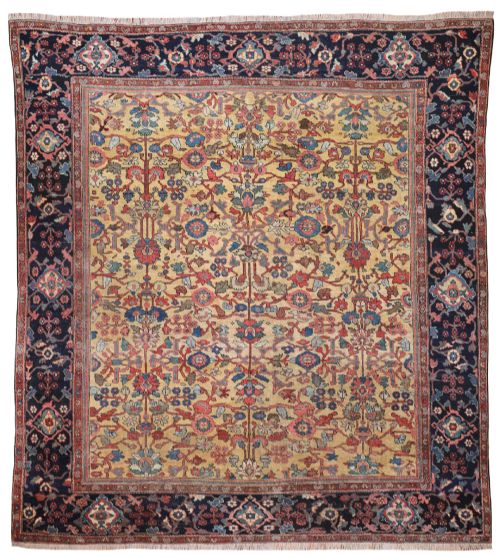
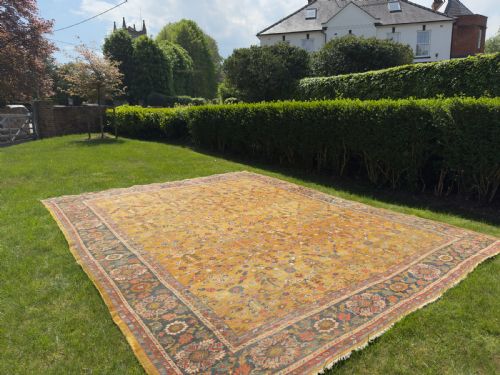
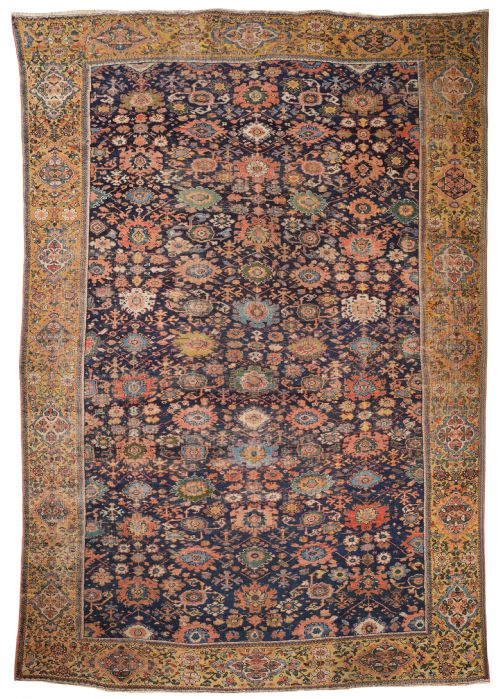
A yellow persian carpet encompasses large area carpets and smaller floor coverings originating from nineteenth-century Persia, Anatolia, and surrounding regions. Buyers searching for a yellow persian carpet often find hand-knotted wool and cotton floor textiles displaying striking yellow, lemon, or golden fields.
The selections available range from grand Ziegler and Fereghan carpets to village and tribal weaves including Kurdish, Bidjar, and Qashqai pieces. These varied styles provide distinct visual character, from formal symmetrical medallions to expressive tribal motifs set against golden backgrounds.
How they were made
These floor coverings utilise hand-spun wool for the pile, knotted densely onto cotton or wool foundations to create durable and flexible textiles. Natural dye sources provided the enduring golden and yellow hues seen across the field backgrounds.
Weavers employed traditional hand-knotting techniques specific to their region, such as the sturdy construction found in Bidjar workshops or the finer knot counts seen in Farahan and Oushak productions.
Yellow Persian Carpet Retail Price Guide 2026
Typical asking prices for yellow persian carpet among the pieces listed under this phrase on Sellingantiques today, from the lower quarter to the upper quarter. They describe what is for sale here now, not the wider market.
Certain rugs feature lemon grounds so unusual they might convince a canary to check its lineage.
What varies in quality
The fineness of the knotting and the complexity of the design define the upper tier of these textiles, requiring greater skill from the weaver. Materials also play a role, with densely packed wool piles ensuring longevity and depth of colour.
Design execution and dye saturation distinguish finer workshop carpets from simpler village rugs, influencing the visual impact of the yellow field within a room.
The Yellow Persian Carpet Glossary
- Pile
- The upright yarn surface of the carpet formed by the knotted threads. This layer absorbs wear and displays the pattern.
- Foundation
- The underlying grid of warp and weft threads that supports the knotted pile. Cotton and wool are standard materials for this structure.
- Medallion
- A central ornamental design motif placed in the middle of the carpet field. Many Persian styles organise their overall pattern around this focal point.
- Ground
- The main background area of the carpet surrounding the central motifs and borders. In these pieces, this field appears in shades of yellow, lemon, or gold.
- Knot count
- The number of individual knots per square unit of measurement. Higher counts generally indicate finer detail and greater workshop labour.
Yellow Persian Carpet: Frequently Asked Questions
How do I care for a carpet?
Regular gentle vacuuming without a beater bar removes surface dust safely.
Professional specialist cleaning is recommended to preserve the natural wool fibres and dyes.
Where should I place a carpet?
These floor coverings suit low-traffic living spaces or studies where their historic textiles remain protected.
Using a quality underlay prevents slipping and cushions the foundation against hard flooring.
How do I identify regional styles?
Examining the specific border arrangements and knotting structure reveals workshop origins like Bidjar or Fereghan.
Tribal pieces often feature looser geometry and expressive motifs compared to formal city productions.
What causes the yellow ground?
Weavers utilised natural plant dyes derived from local flora to achieve golden and lemon background colours.
Age and light exposure can mellow these tones further over many decades of existence.