


Large Persia Carpet
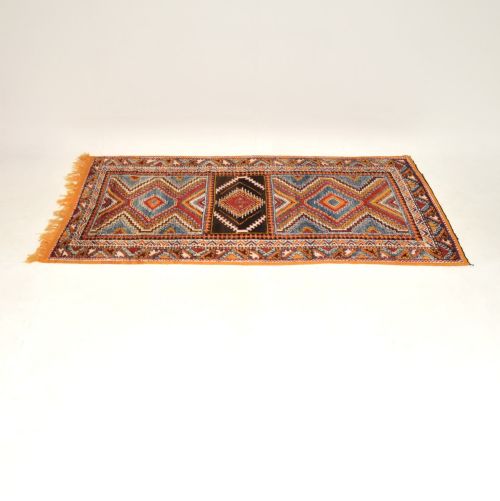
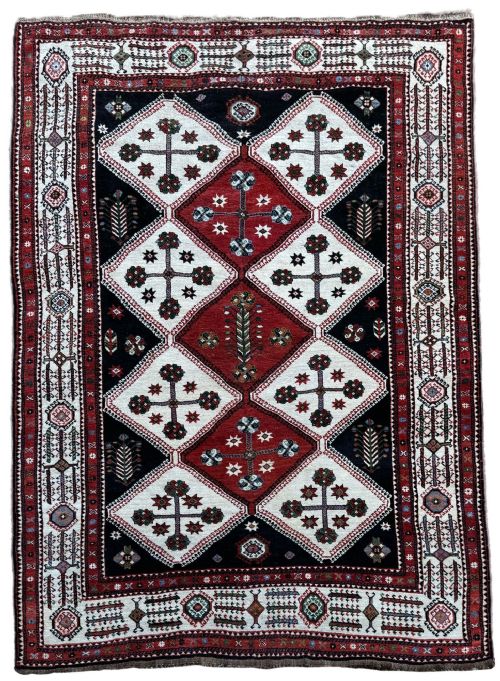
A large persia carpet anchors a substantial room with centuries of hand-knotted wool, cotton, and silk tradition from workshops and tribal regions.
Large Persia Carpet
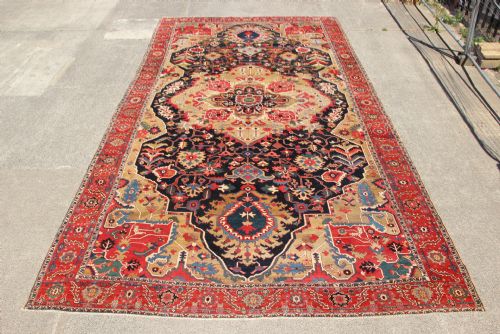
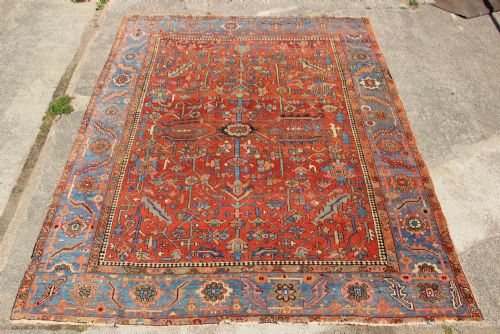
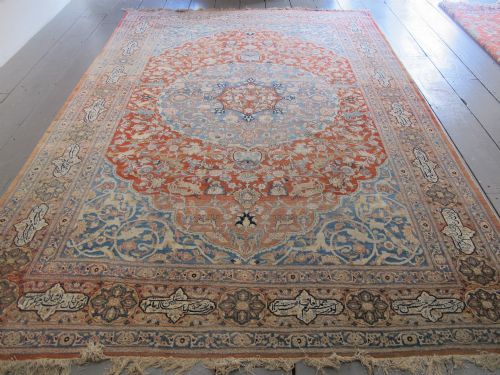
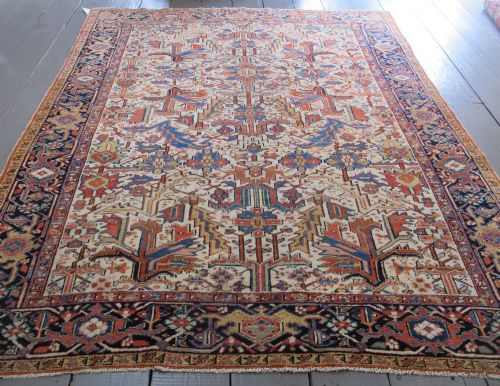
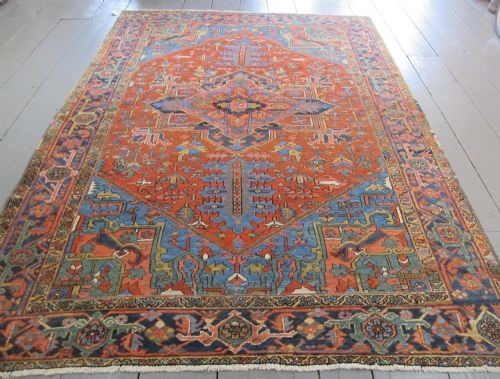
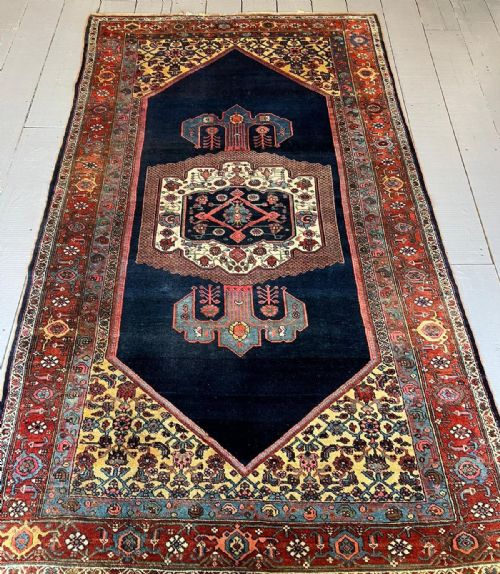
A large persia carpet brings generous room-scale dimensions into domestic spaces, originating from famed weaving centres and tribal regions across nineteenth and early twentieth century Persia. Buyers encounter room-sized floor coverings bearing regional designations such as Heriz, Tabriz, Mahal, and Ziegler, each possessing distinct medallion or all-over field patterns.
Makers utilised resilient materials including hand-knotted wool pile on cotton foundations, alongside occasional silk highlights, to create durable textiles intended for daily use in country houses and urban drawing rooms. Surviving examples span nineteenth-century village weaves to Edwardian city productions, offering varied geometric and floral compositions.
The selection ranges from grand Serapi carpets with monumental central medallions to finely knotted Fereghan and Kashan pieces featuring intricate curvilinear botanical motifs. These floor coverings provide substantial coverage for expansive floor areas while displaying the distinctive palette of natural dyes characteristic of Persian production.
Assessing Quality and Execution
Knot density and structural precision dictate the refinement of the design, separating standard village output from master-weaver workshop commissions. Higher knot counts permit crisper rendering of intricate floral curves and geometric borders.
The depth and harmony of the natural dye palette influence the visual success of the piece, with complex abrasash variations showing authentic hand-dyeing processes. Intact original borders and balanced proportions further distinguish premier examples from altered or heavily restored textiles.
Several Qashqai weavers incorporated whimsical peacock motifs into their large tribal field designs, giving formal rooms an unexpected flash of feathered personality.
Haji Jalili·Benlian
The Large Persia Carpet Glossary
- Medallion
- A large central ornamental design motif placed in the middle of the carpet field. Most room-sized Persian carpets build their compositional symmetry around this focal point.
- Kelleh
- A long, narrow room-size carpet traditionally used in Persian domestic architecture for corridor spaces or alongside larger carpets. These formats offer elongated rectangular proportions.
- Abrasash
- Natural colour variation within a single field of dye, caused by batch changes in wool or dye lots. Collectors prize this tonal shifting as proof of traditional dyeing methods.
- Field
- The central background area of the carpet enclosed by the border system. It frequently contains medallions, repeating boteh motifs, or open ivory spaces.
- Selvedge
- The reinforced edge binding running along the long sides of the carpet. Proper finishing prevents the hand-knotted pile from unravelling during use.
Large Persia Carpet: Frequently Asked Questions
How do I clean a large antique carpet?
Professional specialist washing remains essential for fragile antique wool and cotton foundations, as domestic cleaning methods introduce too much moisture and risk dye bleeding.
Routine maintenance involves gentle vacuuming without a rotating power brush to lift surface dust without stressing the historic knots.
Where were these carpets originally placed?
Large room-size carpets anchored formal drawing rooms, country house reception spaces, and grand dining areas where heavy foot traffic required durable construction.
Runners and kelleh formats suited long corridors and peripheral gallery spaces in traditional Persian and European residences alike.
How can I tell a village carpet from a city carpet?
Village and tribal carpets from regions like Heriz or Bakhtiari display bolder geometric motifs, heavier wool, and more spontaneous design variations executed on upright looms.
City productions from Tabriz or Kashan feature precise curvilinear floral patterns, higher knot counts, and workshop signatures indicating urban master weavers.
What underlay should I use?
A breathable, high-friction mesh underlay prevents the carpet from slipping on hard wood or stone floors while protecting the delicate cotton foundation from abrasion.
Avoid rubberised backings that trap moisture and deteriorate over time against vintage wool piles.