



Paper Landscape Watercolour
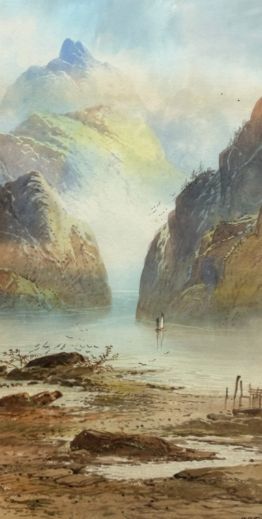
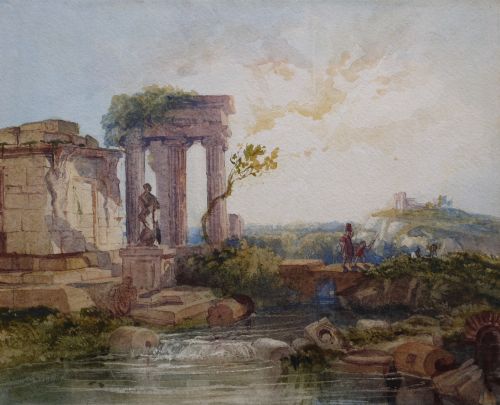
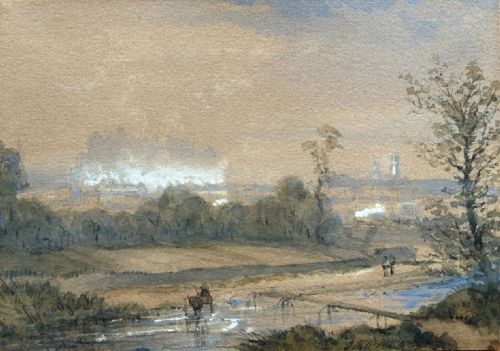
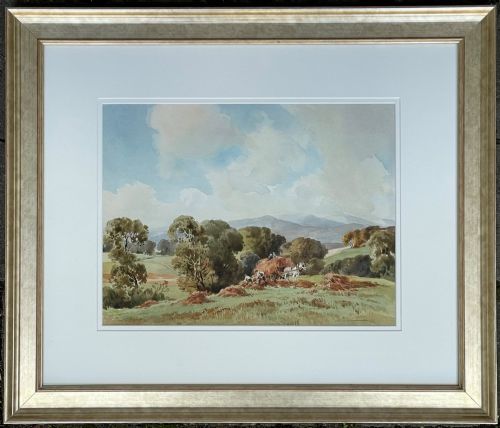
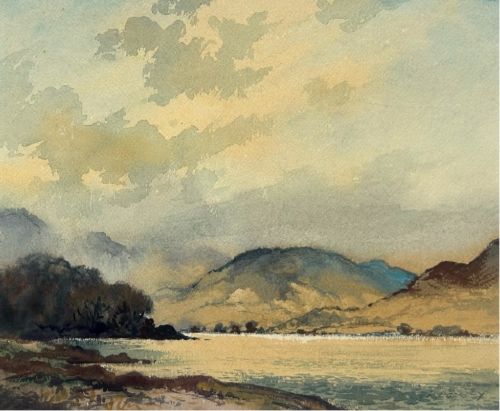
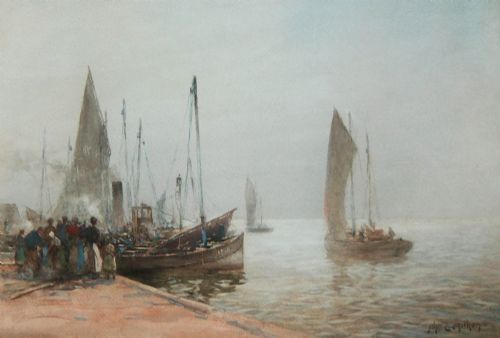
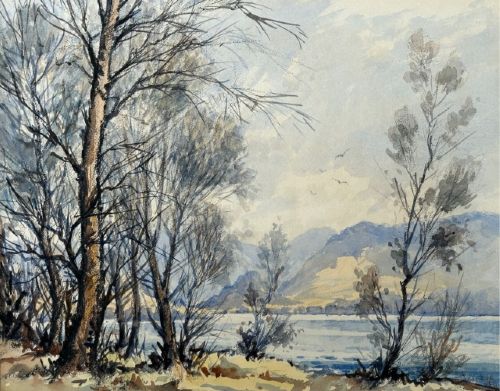
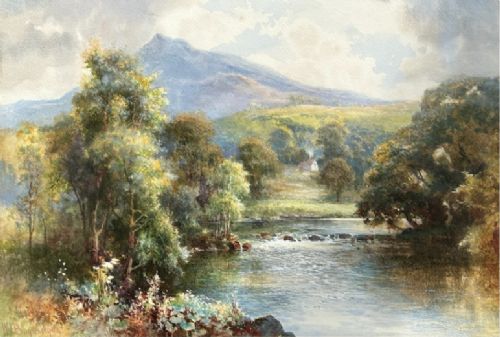
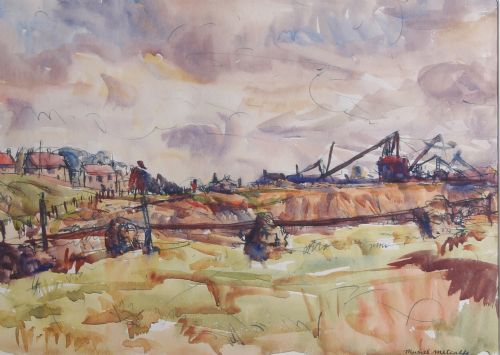
These paper landscape watercolour works capture pastoral scenes and rural views across the nineteenth and early twentieth centuries.
What paper landscape watercolour pieces are
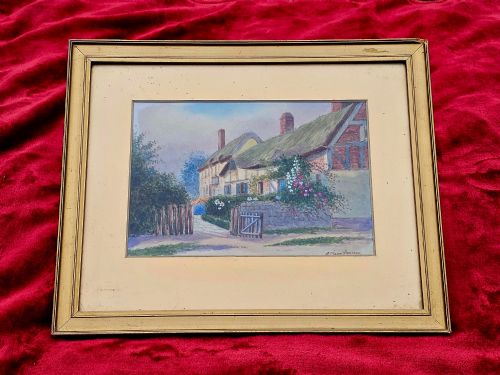
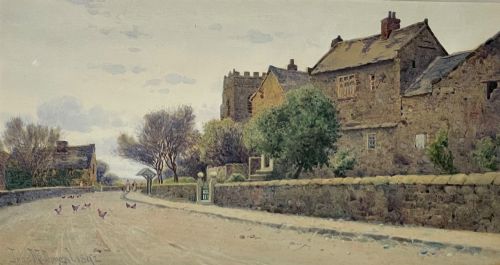
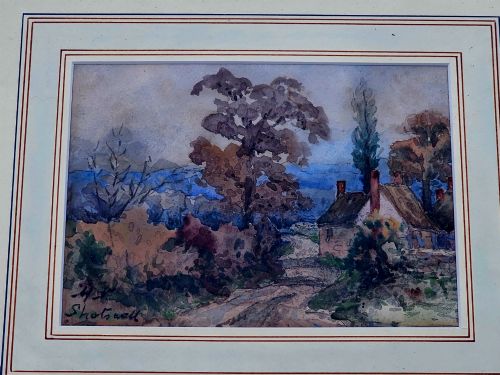
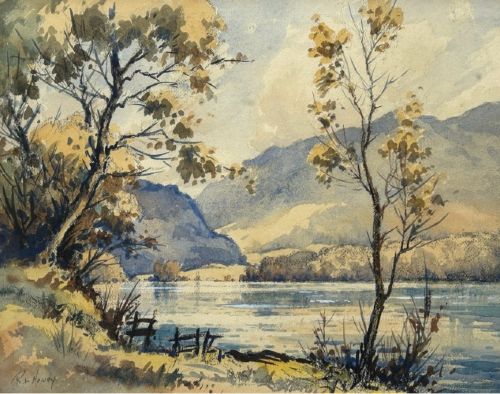
A paper landscape watercolour brings traditional pastoral scenes, cottages, rivers and rural views directly into a room through delicate pigment applied to paper. Buyers seeking these works find themselves drawn to historic depictions of English and continental countryside views.
Most examples encountered on this page date from the nineteenth century up through nineteen twenty, capturing rural life, livestock and pastoral settings. The selection ranges from Victorian British School pastoral views to British Impressionism and English Pastoral Realism.
The subjects focus heavily on traditional landscapes, featuring thatched cottages, mills, sheep grazing, coastal views and river scenes. These paintings preserve quiet rural moments through the hands of named artists and skilled regional practitioners.
Materials and technique
Artists painted these landscapes using watercolour pigment and ink applied directly to various types of paper support. Specific supports recorded include buff paper, laid paper bearing maker watermarks, and embossed paper.
The technique relies on the transparency of watercolour washes to build light and atmosphere across the paper surface. Pigments flow into the fibres, often combined with ink lines to define architectural and natural details.
A nineteenth-century artist carefully painted bounding basset hounds right alongside quiet pastoral sheep.
What separates the finest works
Quality in a paper landscape watercolour rests on the sureness of the brushwork and the clarity of the composition. Stronger pieces display confident handling of light and shade that brings the rural scene into sharp focus.
The choice of paper and the preservation of the delicate pigments significantly influence the overall presence of the work. Skilled artists used the tone of the paper itself to contribute to the atmospheric depth of the landscape.
Harry Sylvester Stannard·Mary Weatherill·Rowland Henry Hill·Thomas Mackay·Julius Schnorr von Carolsfeld·Fred Lawson·David Cox·Alfred George Webster·Thomas Sidney Cooper·Tristan Lacroix·Pierre Gaillardot
The Paper Landscape Watercolour Glossary
- Watercolour pigment
- Colouring material ground in a water-soluble binder, used to create translucent washes on paper.
- Laid paper
- Historic paper featuring a grid of fine parallel lines and chain lines formed during manual sheet formation.
- Grisaille
- Painting executed entirely in shades of grey or neutral monochrome tones to render form.
- Capriccio
- Architectural fantasy placing together buildings, ruins and other architectural elements in a fictional landscape.
- Embossed paper
- Paper stock stamped with a raised pattern or a maker mark indentation during or after manufacture.
Frequently Asked Questions
How should I frame a watercolour on paper?
Watercolours require framing behind glass with acid-free mounts to prevent the paper from touching the glazing directly.
Keep these works away from direct sunlight to protect the pigments from fading over time.
What periods do these paintings cover?
The available works span the nineteenth century and early twentieth century, with specific dates reaching up to nineteen twenty.
Victorian and Edwardian periods dominate the selections seen here.
Are these paintings usually signed?
Many examples bear signatures or attributions to named artists from British and continental schools.
Some works remain indistinctly signed or are attributed based on style and period characteristics.
What subjects appear in these landscapes?
Common subjects include rural cottages, mills, livestock grazing, river scenes and coastal views.
Artists focused heavily on pastoral realism and traditional countryside settings.