


Paper Equestrian Print
A paper equestrian print captures the dynamic energy of horses and riders through historic ink, wash, and engraving.
Paper Equestrian Print
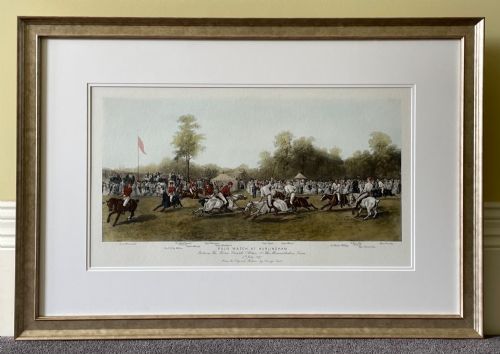
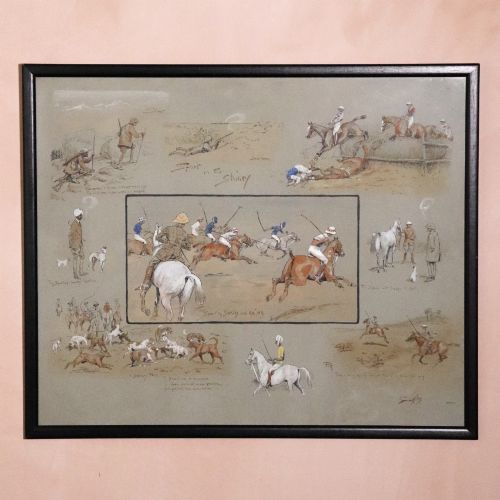
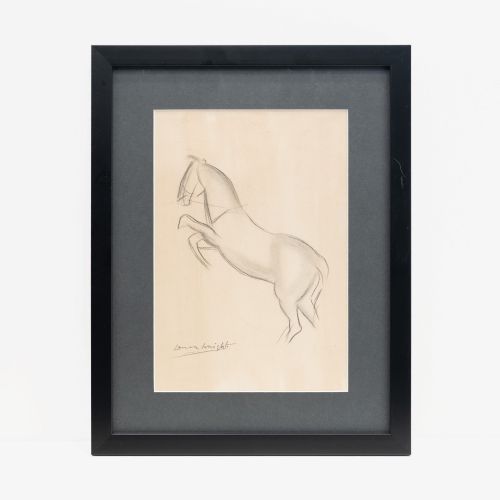
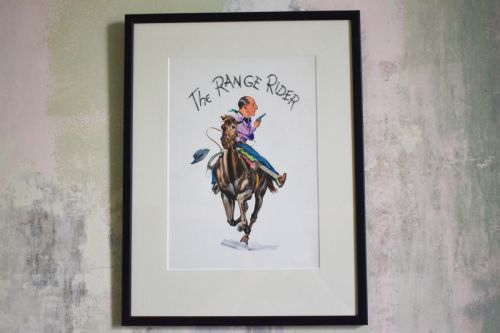
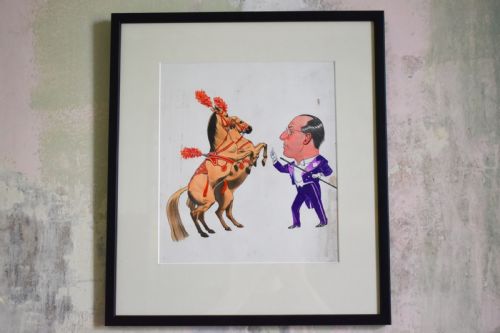
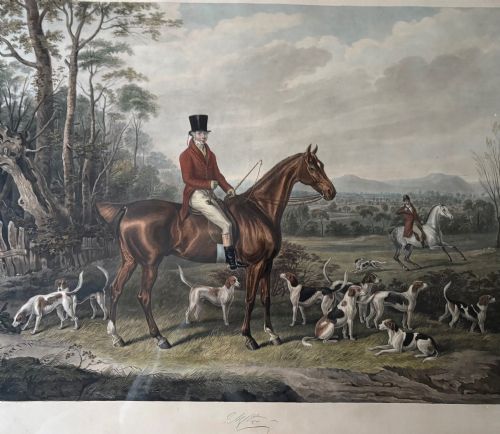
A paper equestrian print encompasses framed artworks, engravings, lithographs, and watercolours dedicated to horses, racing, hunting, and polo.
Examples span from Georgian and Victorian periods through the early twentieth century, showing British, colonial, and French military subjects.
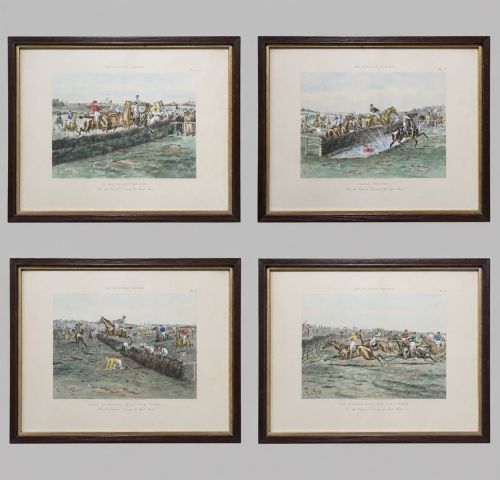
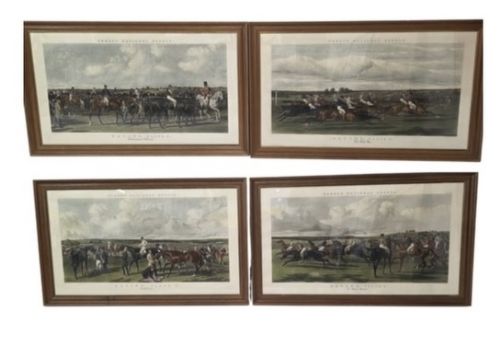
The selection frequently includes framed sets of hunting and racing scenes, alongside individual portraits of famous racehorses and sporting moments.
Materials and technique
These works utilise paper surfaces combined with ink, watercolour, graphite, and occasionally hand colouring to bring depth to the imagery.
Many items are presented within wood, glass, and gilt wood frames that protect the delicate paper supports from environmental damage.
Reproduction and printmaking methods include aquatint, chromolithography, engraving, and lithography executed across multiple centuries.
Among the horses, dogs, and battle scenes, John 'Mad Jack' Mytton brings a dash of eccentric nineteenth century scandal.
Quality factors
Distinction lies in the crispness of the original impression and the precision of any hand applied watercolour details.
The preservation of the paper support and the clarity of the framing materials directly influence the visual impact of the artwork.
George Finch Mason·Snaffles·Dame Laura Knight·Anne Goldthwaite·Alken·Sam Howitt·J F Herring·John Atkinson
The Paper Equestrian Print Glossary
- Aquatint
- An intaglio printmaking technique that produces areas of tone rather than lines. It closely resembles watercolour washes.
- Chromolithography
- A colour lithographic printing process using multiple stones or plates. Each colour requires a separate pass.
- Engraving
- A method of cutting design lines into a metal plate with a sharp tool to hold ink. The resulting impression shows sharp detail.
- Lithography
- A planographic printing process based on the repulsion of oil and water. Artists draw directly onto a flat stone or metal plate.
Paper Equestrian Print: Frequently Asked Questions
How do I care for antique paper art?
Keep framed pieces away from direct sunlight to prevent the fading of ink and watercolour pigments. Maintain stable indoor humidity levels to protect fragile paper.
Ensure backing boards and framing materials are acid free to avoid long term discolouration of the paper support.
What subjects do these prints show?
The imagery focuses heavily on horse racing, fox hunting, polo matches, military scenes, and individual equine portraits. Famous named horses and specific hunting clubs often appear.
Artists frequently depicted dynamic sporting action, military campaigns, and quiet country pursuits.
How are these artworks typically framed?
Many examples arrive mounted behind glass within traditional wood or gilt wood frames suited to their period. Original framing materials are preserved where possible.
Matching sets of four are common for hunting and racing scenes intended for display together.