



Panelled Oriental Wool Rug
When you handle a panelled oriental wool rug, you are dealing with woven tribal panels, bag faces and nomadic weavings shaped by generations of tradition.
Panelled Oriental Wool Rug
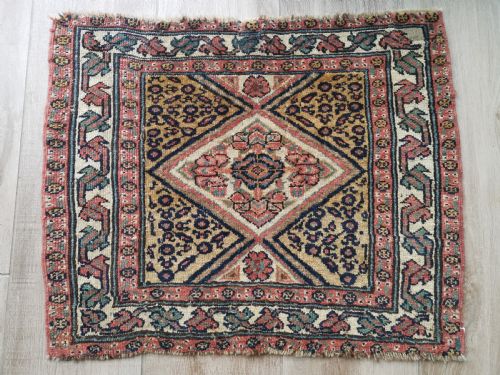
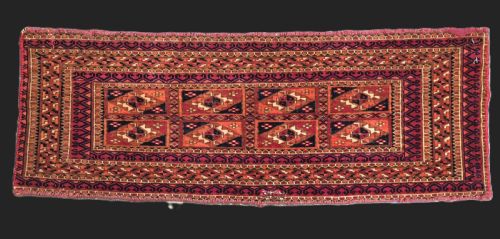
A panelled oriental wool rug often takes the form of a torba, chuval or mafrash panel originating from Turkmen, Persian or Caucasian tribal makers. These pieces represent functional nomadic items, such as storage bags and tent trappings, repurposed or woven with distinct compartmentalised designs.
The selection ranges from nineteenth-century Yomut and Tekke Turkmen pieces to Caucasian Shahsavan flatweaves and Baktiari village carpets. Buyers frequently encounter bag faces and smaller utilitarian textiles that showcase structured geometric layouts.
Makers utilised traditional formats, dividing the field into distinct compartments, guls or garden tiles that give these textiles their characteristic structured appearance. Each format reflects the specific cultural geometry of the tribe that produced it.
Materials and construction
Weavers relied primarily on hand-spun wool for the pile and foundation, supplemented by cotton and silk for contrast or structural strength in specific tribal regions. Natural and vegetable dyes provided the deep crimson, madder and indigo tones seen across the inventory.
Techniques varied from sumac flatweaving and silk-and-felt appliqué work to fine knotting on woollen warps. Artisans also constructed composite items by joining individual mafrash panels together into small kilims or wall hangings.
Materials recorded across the inventory include hand-spun wool, cotton, silk, felt, and natural vegetable dyes.
Assessing quality in nomadic textiles
Quality rests in the precision of the drawing, the crispness of the gul or tile motifs, and the depth achieved by natural dyes. Superior examples display high knot density and careful coordination of secondary colours within the compartments.
Condition and integrity also determine standing, separating heavily worn fragments from complete bag faces that retain their original elem panels and structural borders.
The Panelled Oriental Wool Rug Glossary
- Torba
- A small Turkmen storage bag, typically wider than it is tall, used inside the nomadic tent for household possessions.
- Chuval
- A large Turkmen storage bag face, traditionally produced for dowry goods and tent organisation.
- Gul
- A primary medallion or repeating octagonal motif used extensively in Turkmen and Central Asian carpet design.
- Mafrash
- A rectangular woven storage chest panel produced by Shahsavan and Caucasian tribes, often employing sumac flatweave techniques.
- Soumak
- A wrap-faced weft-faced flatweaving technique that creates a durable structure with raised patterns on the face and loose threads on the reverse.
- Elem
- The decorated lower panel at the end of a Turkmen rug or ensi, featuring specialised border designs.
Panelled Oriental Wool Rug: Frequently Asked Questions
What are panelled oriental wool rugs?
These pieces comprise tribal bag faces, storage torbas, and joined mafrash panels originating from nineteenth-century Persian, Turkmen, and Caucasian nomadic groups. They represent functional items adapted for domestic use and display.
Nomadic weavers constructed these textiles with geometric divisions, guls, and tile patterns that reflect distinct tribal identities and regional weaving traditions.
How were these rugs used originally?
Nomadic communities utilised these textiles as functional storage containers, camel trappings, and tent furnishings to organise household goods during seasonal migrations. Bags held clothing, bedding, and provisions within the yurt.
Over time, many of these utilitarian bag faces and structural panels were separated from their original backs or joined together to serve as decorative wall hangings and small floor coverings.
How do I live with a tribal textile?
Protect the wool and natural dyes by placing the piece away from direct, harsh sunlight and heavy foot traffic, particularly if the textile is a delicate bag face or fragment. Proper rug underlay helps prevent slipping and reduces fibre abrasion.
Many collectors mount smaller torbas and mafrash panels on suitable conservation-grade fabric backings for display as wall art, preserving the structure of the weave.
How do I tell different tribal designs apart?
Tribal attribution relies on specific structural motifs, such as the octagonal guls of Tekke and Yomut Turkmen weavings, or the bird and dragon designs characteristic of Shahsavan sumacs. Palette choices, including specific madder reds and indigo blues, also point to particular regions.
Examining the weave type, whether piled knotting, flatwoven sumac, or felt applique, clarifies the geographic and cultural origin of the piece.