





Traditional Woven Floor Runner
These long, narrow textiles known as a traditional woven floor runner bring warmth and texture to hallways and corridors.
Traditional Woven Floor Runner
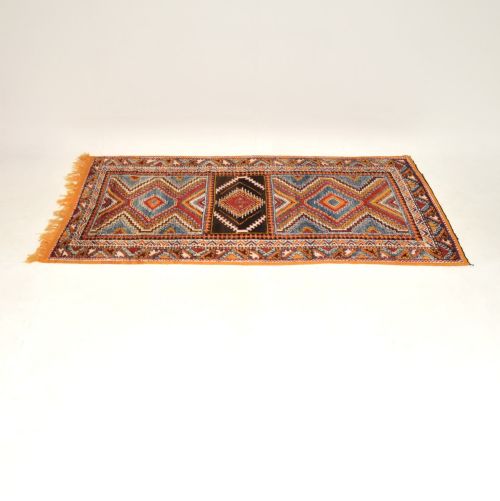
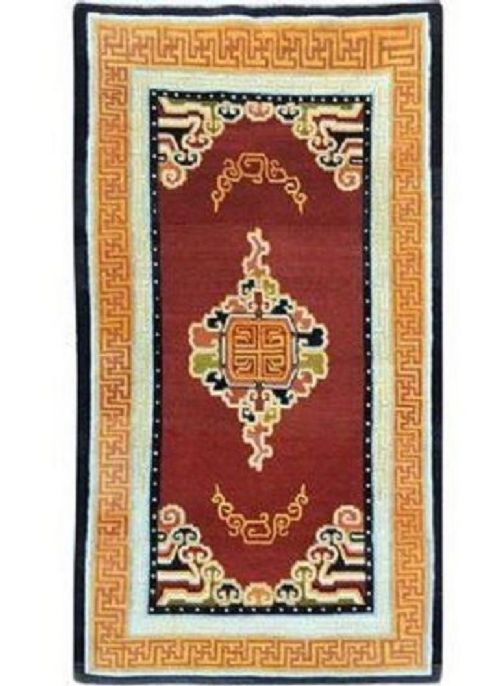
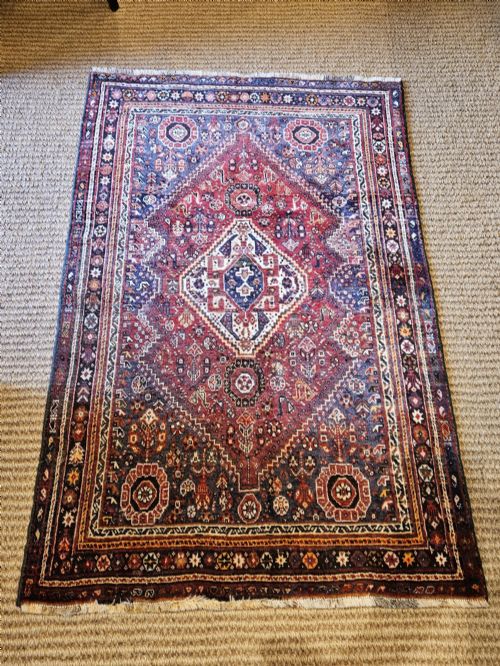
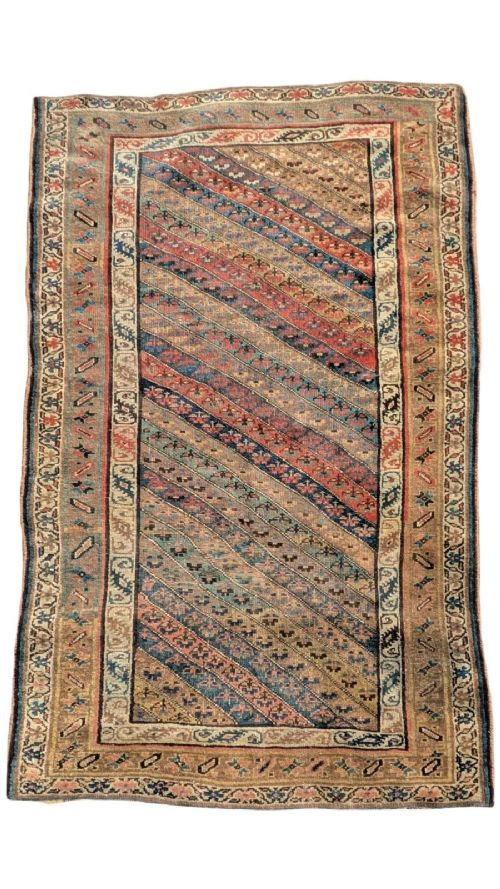
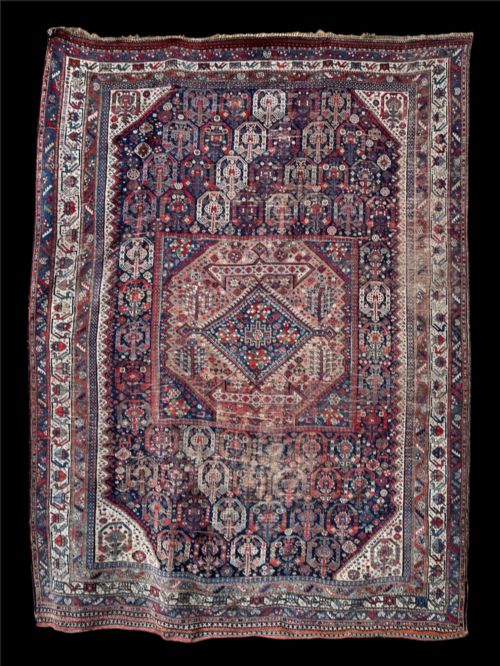
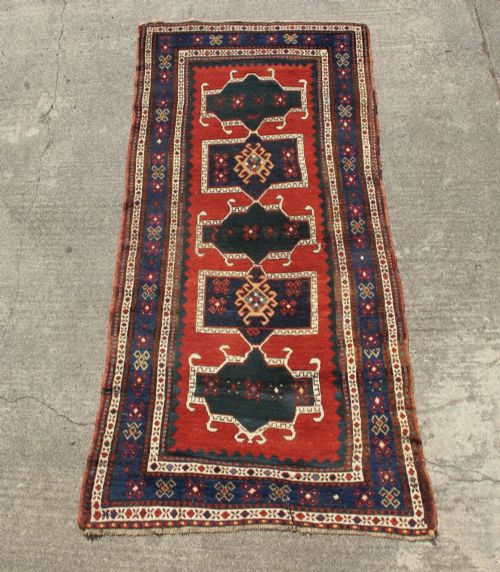
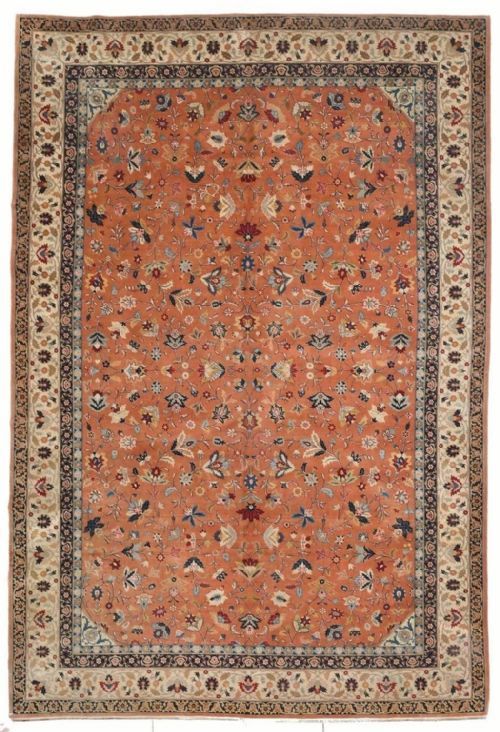
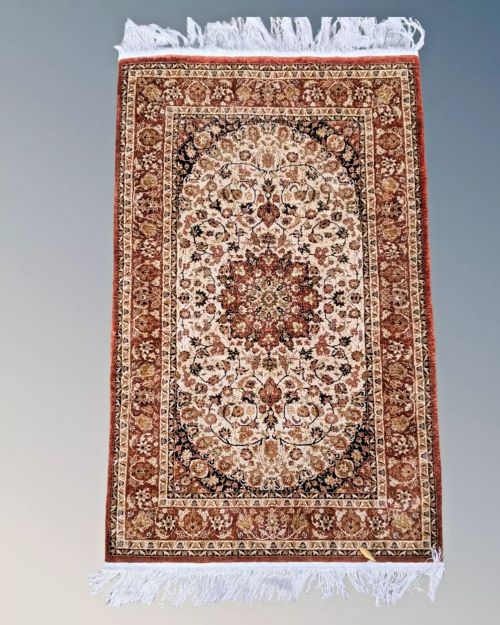
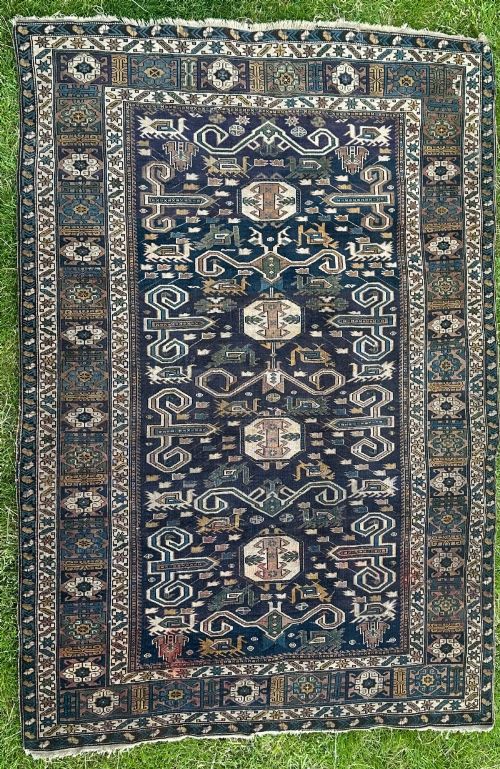
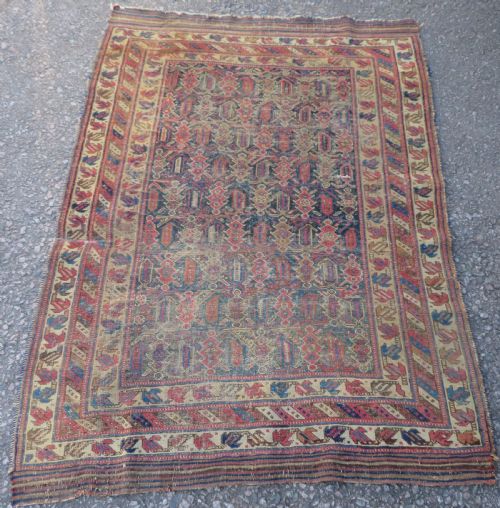
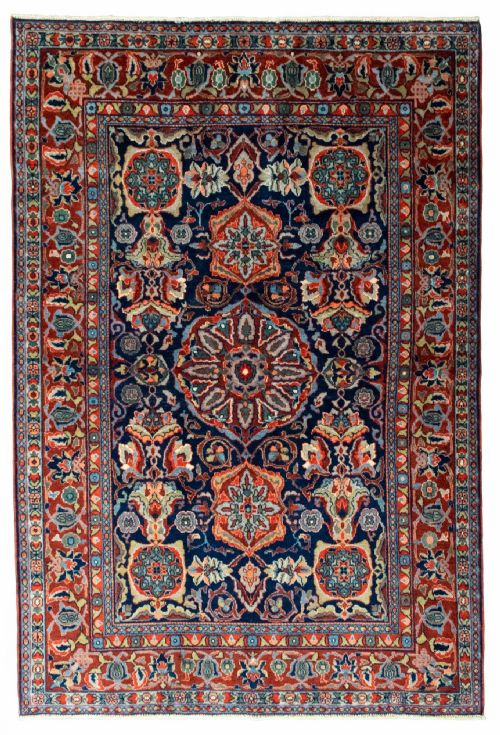
A traditional woven floor runner is a long, narrow carpet designed specifically for hallways, corridors and narrow spaces. When searching for this phrase, you encounter pieces originating from Persian, Caucasian, Tibetan, and Ottoman or Turkish traditions.
The selection includes examples dating from the late nineteenth century through to the early decades of the twentieth century. These textiles take the form of village and tribal weaving, presenting distinct geometric and floral patterns suited for heavy foot traffic.
How they were made
These textiles rely on wool, hand-spun wool, cotton, silk, goat hair, and natural dyes. Weavers use hand-knotting and flat-weaving techniques to construct the foundation and pile of each piece.
The integration of sturdy wool and cotton warp and weft threads provides the structural durability required for floor placement. Natural dyes yield enduring colour variations across the patterns.
Listings feature items from the nineteenth century through to the 1930s, utilising wool, cotton, silk, and natural dyes.
What varies in quality
The quality of a runner depends upon the tightness of the knotting and the fineness of the spun wool. Tighter structures yield greater resilience against wear in busy hallways.
Another factor is the consistency of the natural dyes and the precision of the tribal or regional design execution. Superior pieces maintain crispness in their motifs and depth in their colour palettes.
The Traditional Woven Floor Runner Glossary
- Warp
- The vertical threads stretched across a loom before weaving begins. These form the skeletal foundation of the textile.
- Weft
- The horizontal threads passed through the warp to hold the knots in place. They determine the firmness of the weave.
- Pile
- The vertical or slanted ends of knotted threads that form the plush surface of the rug. Its height dictates the texture underfoot.
- Natural Dyes
- Colourants derived from plants, insects and minerals rather than synthetic compounds. They produce subtle tonal variations over time.
- Flat weave
- A textile constructed without a pile by interweaving warp and weft threads directly. This creates a thin, reversible floor covering.
Traditional Woven Floor Runner: Frequently Asked Questions
Where should a runner be placed?
A runner is designed primarily for narrow spaces such as hallways, corridors and entryways. Their elongated proportions fit comfortably in areas where wider carpets prove impractical.
They also function well alongside beds or in narrow kitchen galleys, adding practical floor protection and warmth.
How do I care for my runner?
Regular gentle vacuuming without a beater bar removes loose dirt from the pile of the textile. This prevents grit from settling deep into the wool foundations.
Professional cleaning suited for antique textiles preserves the natural dyes and fibres. Avoid harsh chemical treatments.
How are different regional styles distinguished?
Regional styles appear through distinct colour palettes and geometric or floral motifs. Caucasian pieces often show bold geometric polygons.
Persian and Turkish origins frequently display intricate medallion patterns or boteh motifs woven with fine wool.
What materials make up these runners?
The primary material is wool, frequently hand-spun, paired with cotton foundations for stability. Some examples incorporate silk or goat hair for texture.
Natural dyes colour these fibres, producing rich hues that soften gradually over decades of exposure.