
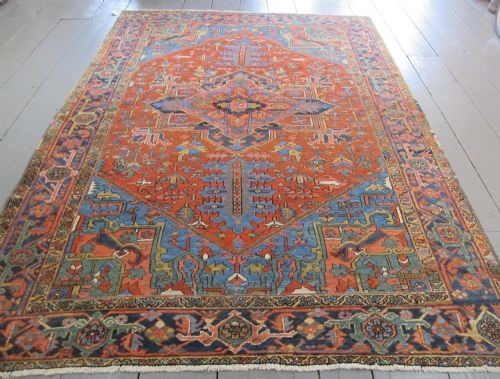
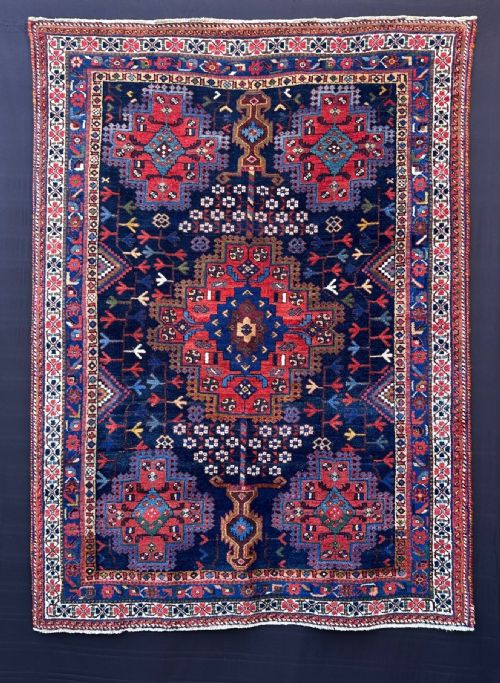


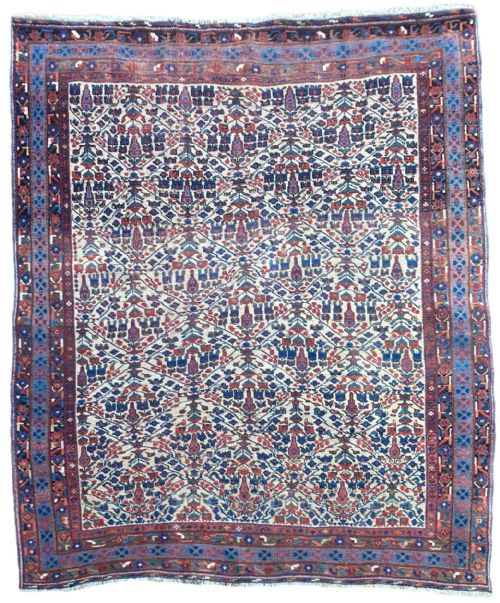


Blue Persia Area Rug
A blue persia area rug brings deep indigo and azure tones into a room, anchoring the floor with centuries of weaving tradition.
Blue Persia Area Rug
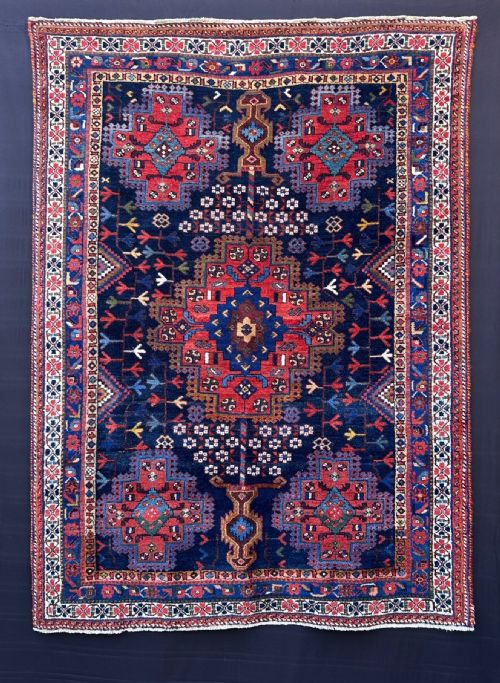
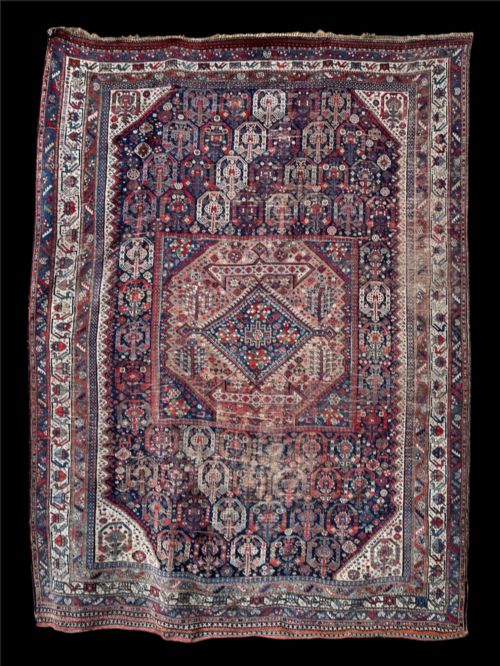
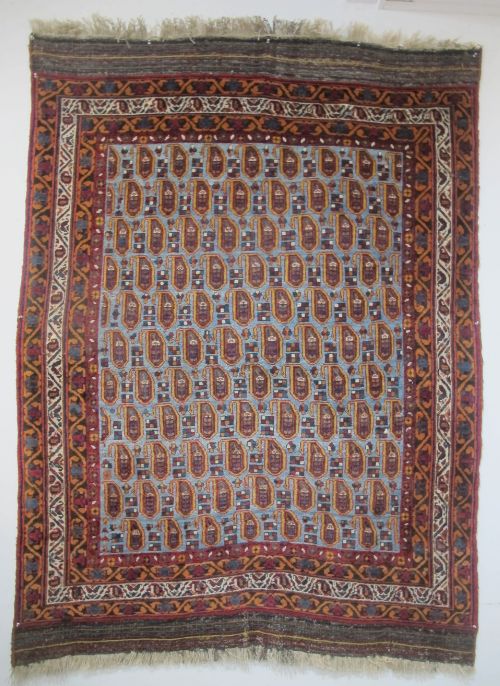
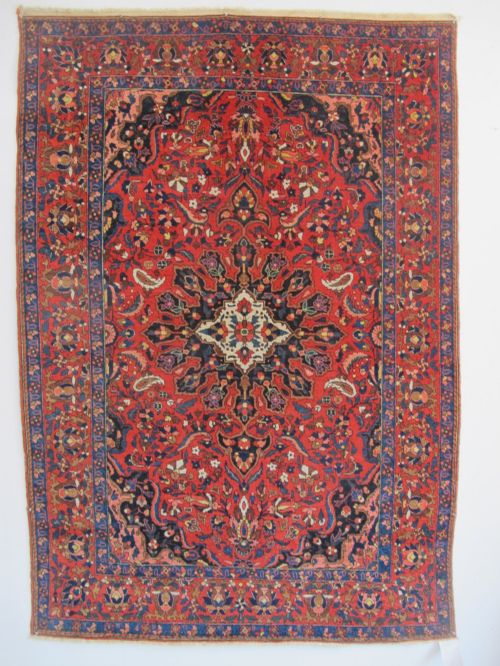
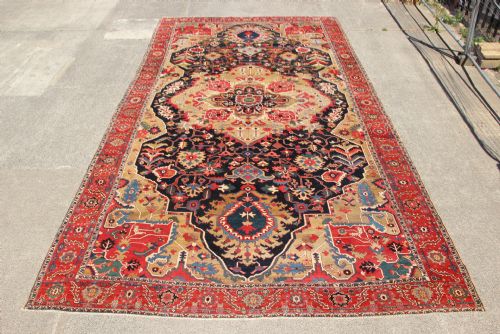
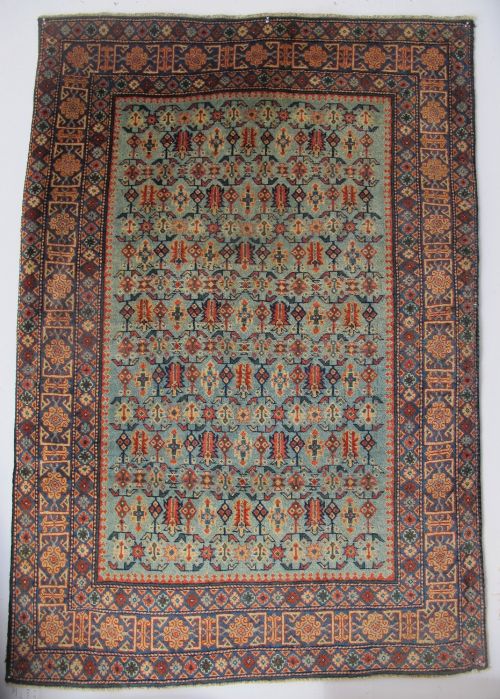
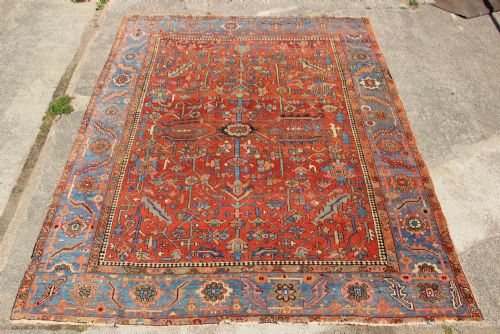
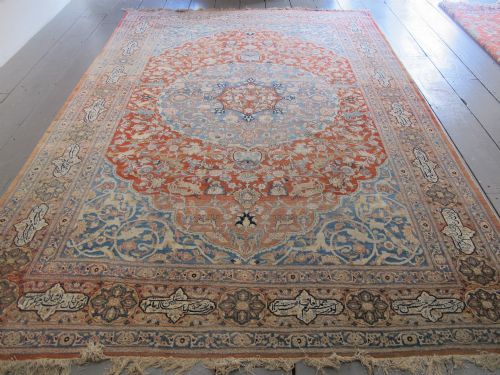
A blue persia area rug covers hand-knotted floor coverings originating from various regions across Persia, spanning the late nineteenth and early twentieth centuries. These pieces encompass specific tribal village formats as well as grander city workshop carpets.
Buyers encountering this selection will find examples ranging from compact tribal scatter sizes to large room-sized carpets. The predominant styles reflect traditional Persian aesthetics, including Heriz, Afshar, Khamseh, and Tabriz regional designs.
Many of these floor coverings utilise distinct geometric medallions, boteh motifs, or intricate floral patterns set against fields of deep indigo or soft pale blue. They bridge historical craftsmanship with practical interior styling.
Materials and Construction
The foundation and pile rely on traditional natural fibres, predominantly wool for the soft, durable surface pile supported by cotton or wool warps and wefts. Certain fine city pieces incorporate silk for enhanced detail and texture.
Weavers employed natural dyes to achieve rich colour palettes, extracting enduring shades from roots, plants, and insects that retain their depth over generations. Hand-knotting techniques varied by region, from coarse nomadic structures to tightly packed workshop weaves.
Listings feature wool, cotton, and silk materials spanning the nineteenth and twentieth centuries.
Assessing Quality and Execution
Knot density and structural precision dictate the finesse of the weave, separating coarse tribal room carpets from finely detailed city centre rugs. The regularity of the pile and the crispness of the geometric or floral outlines demonstrate the weaver's skill.
The purity and depth of the dye work influence visual longevity, where well-maintained natural dyes display harmonious oxidation and rich patination. Condition also plays a part, distinguishing uniformly preserved surfaces from heavily worn or distressed examples.
The Blue Persia Area Rug Glossary
- Boteh
- A stylized almond or paisley motif representing a floral spray or cypress tree, frequently found in Persian weaving. This ancient symbol appears across many regional carpets.
- Medallion
- A central ornamental design element placed in the middle of the rug field. It often dictates the symmetry of the surrounding pattern.
- Warp
- The vertical threads stretched tightly on the loom that form the structural foundation of the rug. The exposed ends often terminate in fringes.
- Weft
- The horizontal threads passed across the warps between rows of knots to secure the pile in place. Proper tension ensures the structural integrity of the piece.
- Natural Dyes
- Colourants derived from organic sources such as plants, roots, and insects rather than synthetic chemicals. They yield complex, mellow tones that age gracefully.
Blue Persia Area Rug: Frequently Asked Questions
How do I clean an antique Persian rug?
Gentle surface vacuuming without the beater bar removes loose grit and dust safely. Professional specialist cleaning remains essential for deep washing to protect natural wool fibres and dyes.
Avoid harsh chemical detergents or household scrubbing, as these methods damage the delicate foundation threads and alter the original colour balance.
Where were these Persian rugs made?
Production occurred across diverse geographical regions throughout Persia, encompassing nomadic tribal areas like the Kerman and Fars provinces, as well as major weaving hubs such as Tabriz, Isfahan, and Heriz.
Each producing region developed distinct local motifs, knotting densities, and colour palettes influenced by available materials and cultural traditions.
How can I date my antique rug?
Dating relies on examining structural characteristics, material composition, and the specific evolution of regional design motifs. Stylistic markers often align with particular historical periods from the nineteenth century onwards.
Comparing the weave type and dye behaviour against documented historical examples helps narrow down the probable decade of creation.
Are these rugs suitable for high traffic?
Traditional wool and cotton construction provides exceptional durability, allowing many antique village and tribal carpets to withstand everyday household use. Proper rug underlays help absorb foot impact and prevent sliding.
Placing delicate silk pieces or heavily distressed carpets in lower-traffic areas preserves their fragile pile and structural longevity over time.