
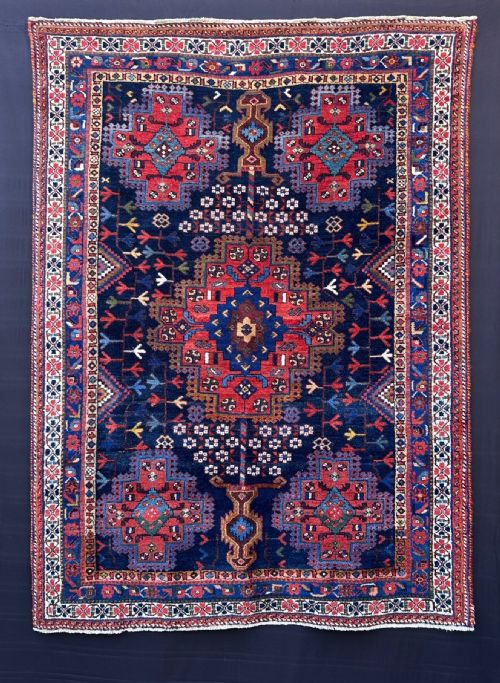
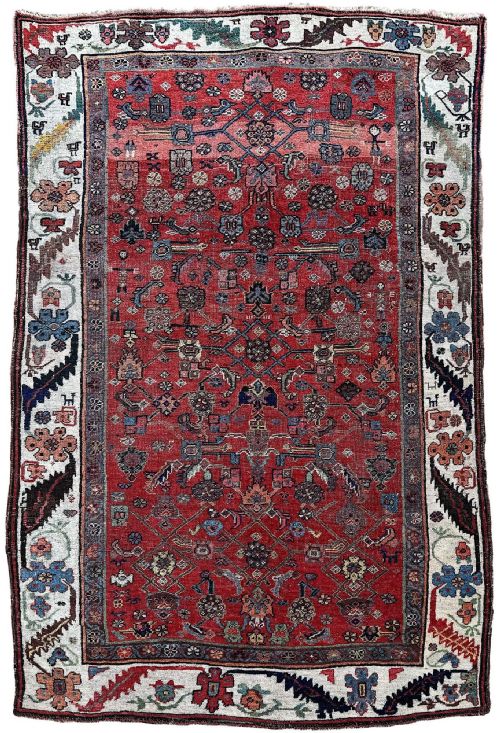
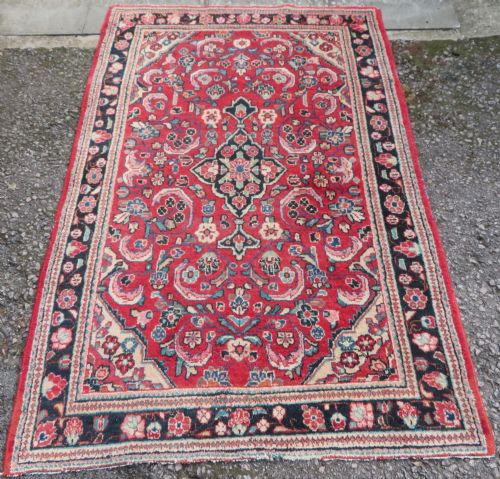
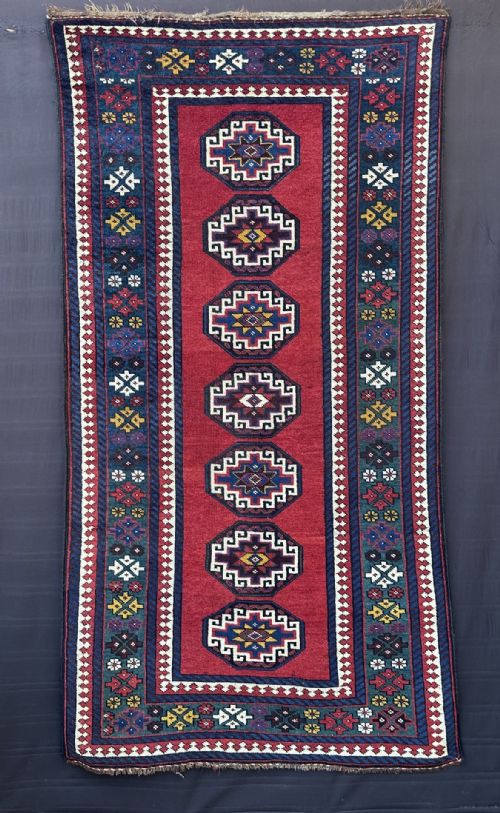




Vintage Persia Area Carpet
When you search for a vintage persia area carpet, you are looking at hand-knotted floor coverings from the nineteenth and early twentieth centuries.
Vintage Persia Area Carpet
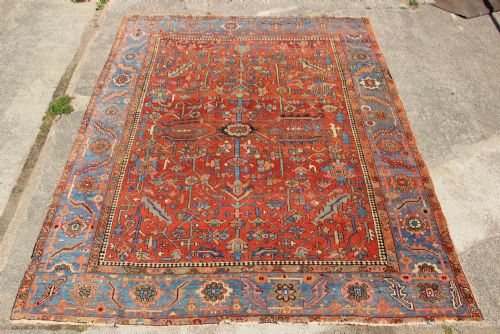
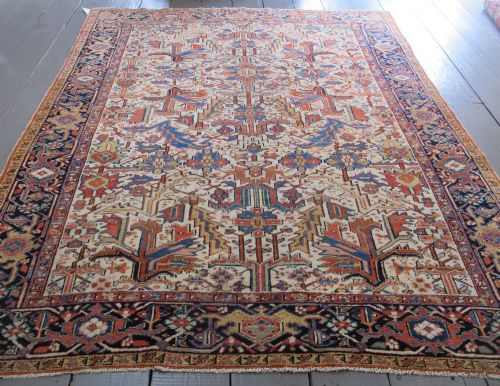
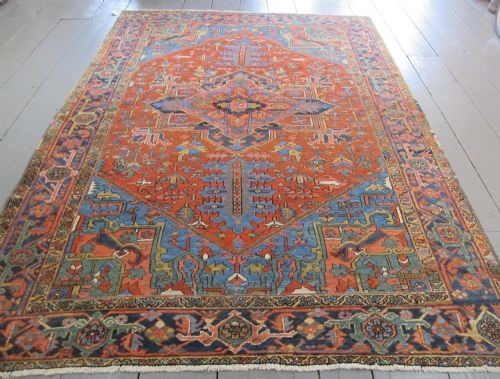
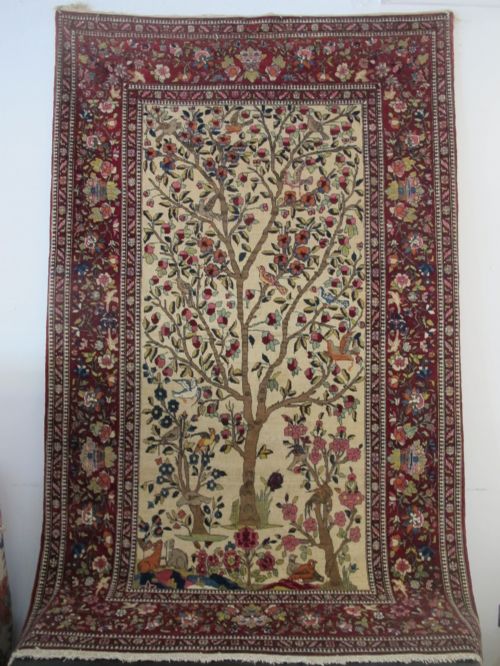
A vintage persia area carpet brings centuries of textile tradition directly onto your floor, originating from distinct regions and tribal workshops across the country. These pieces range from substantial room-sized carpets woven in northern districts like Heriz and Tabriz to smaller, characterful village and tribal rugs from southern and western provinces.
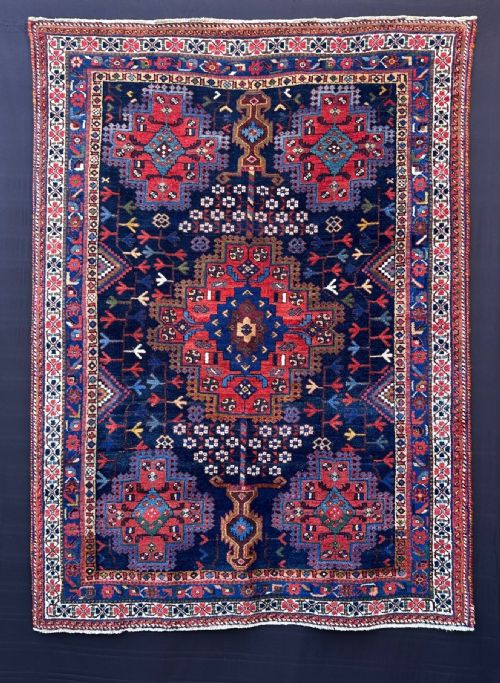
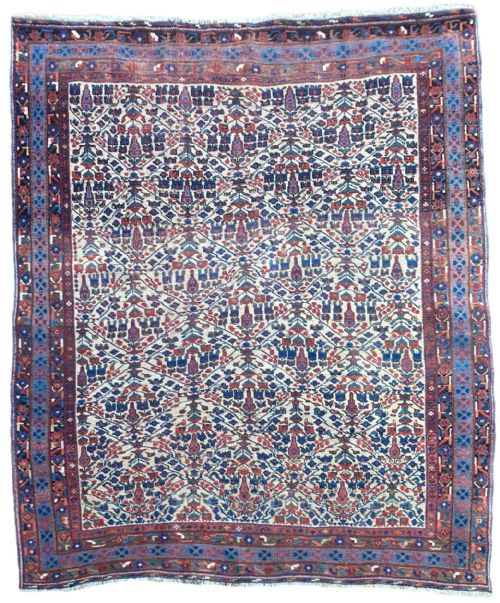
The assortment on this page reflects varied production centres including Bidjar, Afshar, Bakhtiari, and Kashan. Each piece carries the distinct geometric or floral design vocabulary of its specific origin, capturing the aesthetic preferences of Persian weavers from the late nineteenth century through to the middle of the twentieth century.
Materials and Construction Techniques
These carpets are constructed primarily using durable wool for the pile, often set upon sturdy cotton foundations, though certain tribal pieces incorporate wool warps as well. Natural dyes provide the enduring palette, yielding rich reds, deep indigos, and warm ivory tones that age gracefully over time.
The hand-knotting technique varies in density depending on whether the piece was woven in a nomadic tent, a village workshop, or an urban centre. Skilled weavers secured each knot by hand, creating resilient structures designed to withstand generations of domestic use.
The listings span from the nineteenth century into the mid-twentieth century, showcasing wool, cotton, and natural dye traditions.
Assessing Quality and Execution
The distinction between standard village production and finer examples lies in the precision of the knotting and the complexity of the design execution. Tighter knot counts allow for sharper curvilinear lines in urban carpets, whilst village and tribal pieces achieve distinction through bold, uninhibited use of geometry and saturated colour.
Material selection also dictates overall quality, with superior pieces employing lustrous highland wool and expertly prepared natural dyes that impart depth and variation across the surface. The integrity of the foundational structure and the preservation of original edge finishes further distinguish exceptional examples from heavily restored ones.
Benlian Tabriz Carpet·Ahmadi Isfahan Rug
The Vintage Persia Area Carpet Glossary
- Warp
- The stationary vertical threads stretched upon the loom before weaving begins. The fringe of a finished carpet is typically formed by the exposed ends of these threads.
- Weft
- The horizontal threads passed back and forth through the warp threads after each row of knots to lock them securely in place. They contribute significantly to the structural firmness of the carpet.
- Pile
- The durable surface of cut yarn loops that forms the soft face of the carpet. Its thickness and density vary according to the regional style and intended function.
- Natural Dye
- Colouring matter derived from plants, insects, or minerals rather than synthetic chemical sources. These dyes produce complex, muted tones that develop a rich patina with age.
- Medallion
- A prominent central ornamental motif found in the middle of many Persian carpet designs. It often anchors the surrounding field pattern and corner spandrels.
Vintage Persia Area Carpet: Frequently Asked Questions
How do I identify a tribal rug?
Tribal rugs usually display bold, geometric motifs, asymmetric layouts, and spontaneous design choices rather than strict urban symmetry. They reflect the independent weaving traditions of nomadic groups.
These pieces often utilise highly saturated colours and thicker wool, serving practical purposes in pastoral settings before entering the collector market.
Where were these carpets made?
Production was spread across diverse regions of Persia, encompassing major urban centres, rural villages, and nomadic tribal territories. Specific areas like Heriz, Tabriz, Kerman, and Shiraz developed distinct weaving traditions.
Local materials, available dyestuffs, and regional aesthetic preferences heavily influenced the final appearance of carpets from each specific locality.
How should I care for my carpet?
Regular, gentle vacuuming without a rotating power brush helps remove embedded dust while protecting the delicate wool pile and foundational structure. Professional cleaning tailored to antique textiles should be utilised periodically.
Keeping the carpet out of direct, harsh sunlight prevents the natural dyes from fading unevenly over years of domestic display.
What does village production mean?
Village rugs are woven by independent artisans working within settled communities rather than large urban manufactories or nomadic camps. These pieces often combine traditional motifs passed down through families with local improvisations.
This method of production yields charming irregularities and robust structures that distinguish village carpets from mass-produced or highly formal city workshop pieces.