
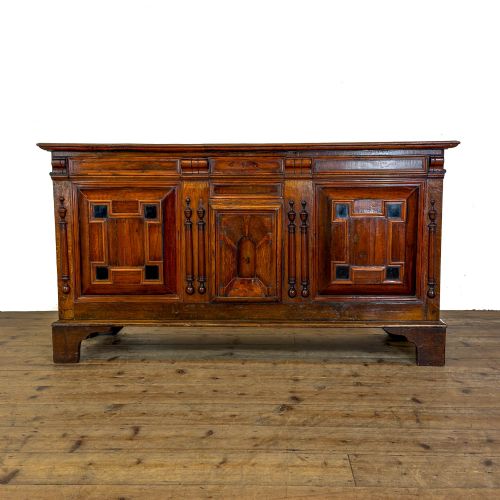
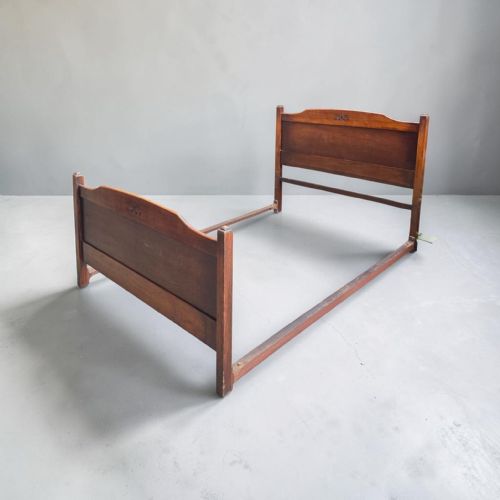
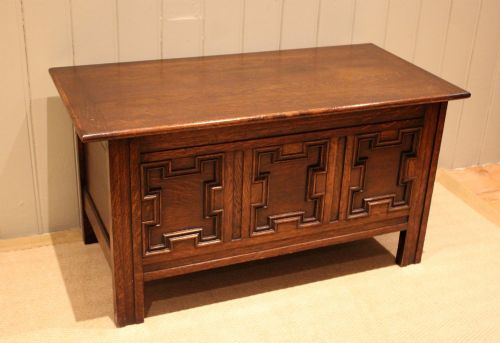
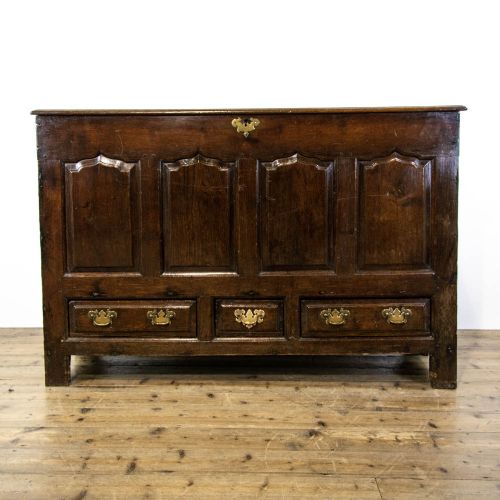
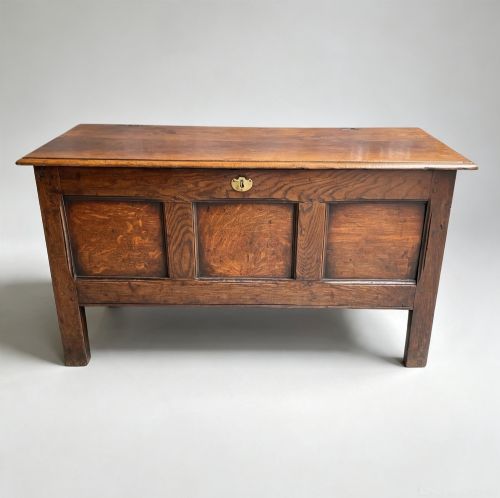
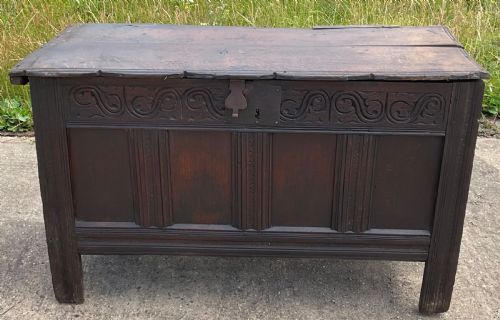

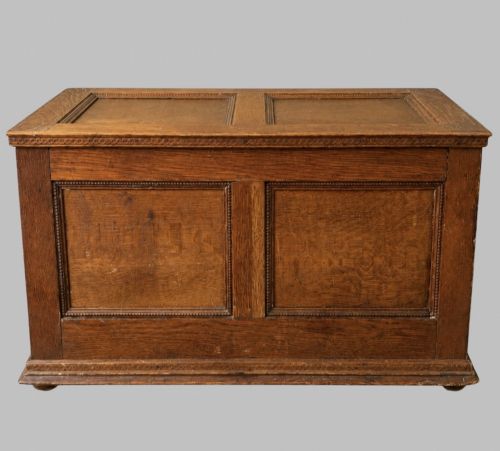
Panelled Oak Bed
A panelled oak bed brings substantial timber structure and deep historic character into a bedroom, offering a grounding architectural presence.
Panelled Oak Bed
When you search for a panelled oak bed, you are looking at substantial sleeping frames and headboards built with framed and panelled construction. The evidence shows these pieces span genuine seventeenth-century examples, eighteenth-century country furniture, and later Edwardian and revival interpretations.
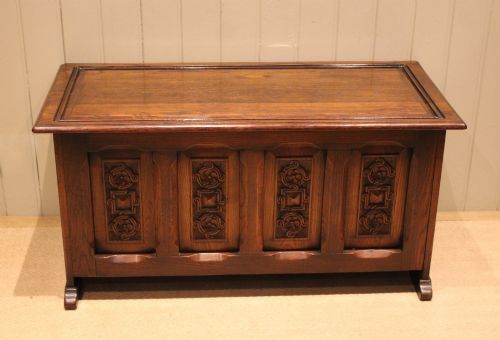
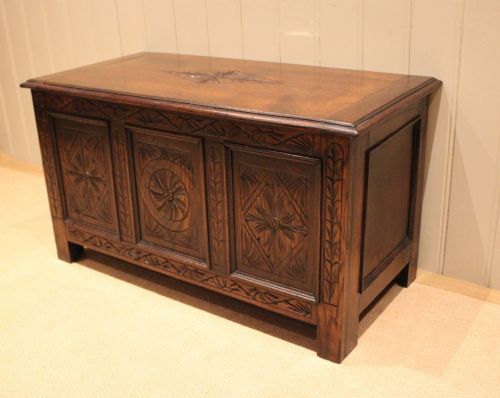
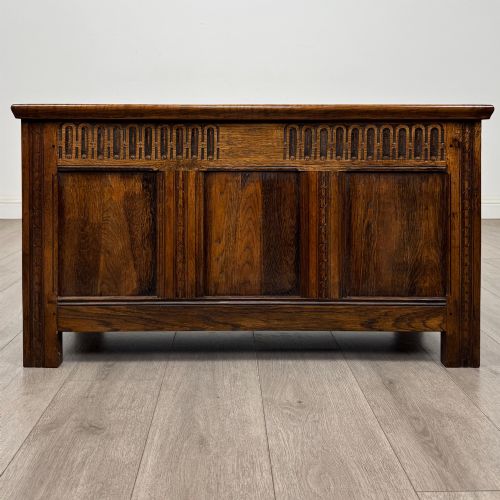
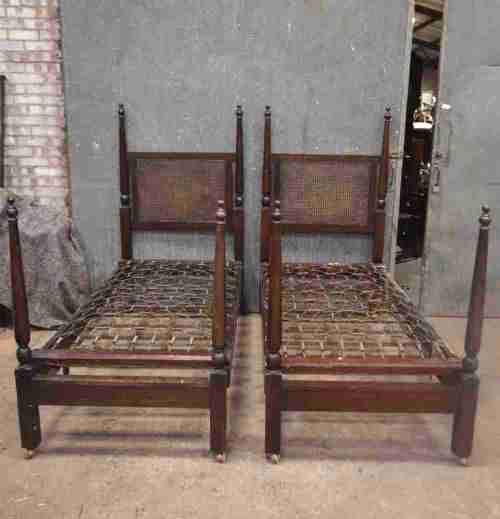
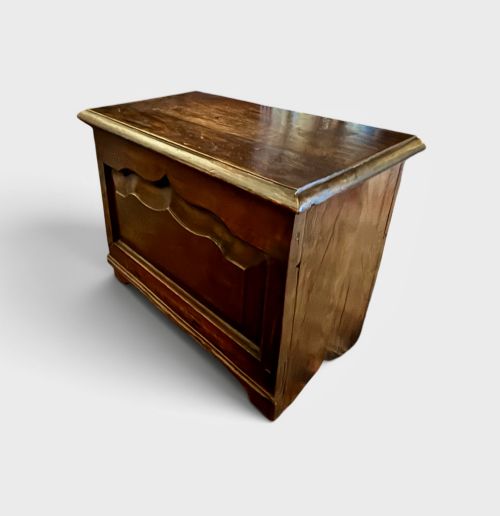
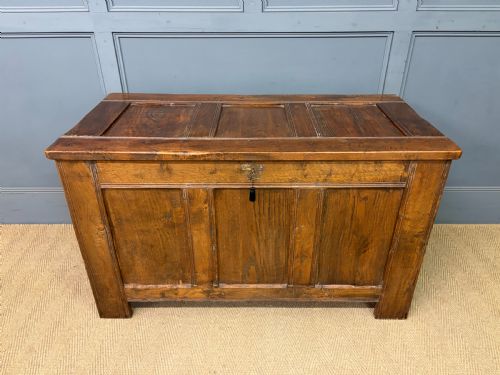
You are most likely to meet double and single bed frames, four-poster tester beds, and occasional bedheads constructed from dark oak. Many share stylistic traits with contemporary storage forms like coffers and mule chests found across the same periods.
How they were made
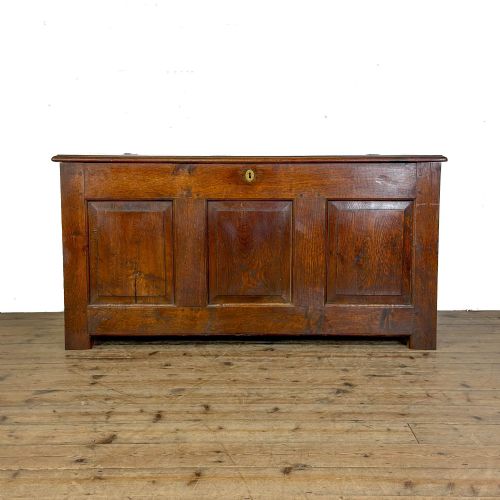
Joiners built these frames using solid oak assembled with traditional mortise and tenon joints locked by wooden pegs. Panels floated within grooved frames to accommodate the natural expansion and contraction of timber over decades of use.
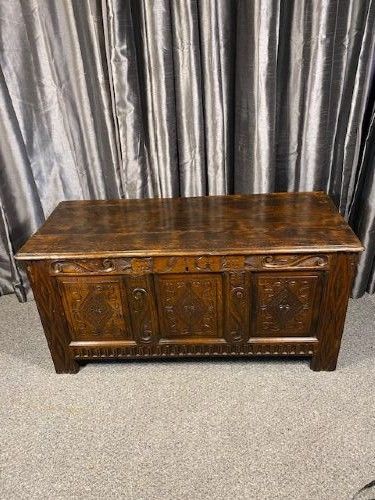
Decoration relied on hand carving, applied mouldings, and occasional fruitwood or marquetry inlay. Iron and brass hardware appeared on related storage pieces, while later beds integrated cane panels and ebonised wood details.
Early seventeenth-century sleepers required shorter beds because people traditionally slept in a semi-upright reclining position.
What varies in quality
The distinction between ordinary and superior pieces rests on the crispness of the timber carving and the architectural ambition of the frame. Heavy tester beds with fully panelled headboards and deep cornices command greater presence than simple twentieth-century revival bedsteads.
Depth of colour and surface patina tell the story of age and handling. Pieces retaining original construction timber without excessive later replacement show a more coherent historic integrity.
Heals·Gillows·Howard and Sons
The Panelled Oak Bed Glossary
- Kist
- A traditional regional term for a chest or box used for storage, frequently constructed from solid oak in earlier centuries.
- Mule chest
- A storage chest fitted with one or more drawers beneath the main lift-top compartment, combining the functions of a coffer and a chest of drawers.
- Bergere
- A type of upholstered armchair or bed component featuring woven cane panels set into a wooden frame.
- Marquetry
- Decorative veneer work created by fitting pieces of different woods, such as fruitwood, into a contrasting background to form geometric or floral patterns.
Panelled Oak Bed: Frequently Asked Questions
How do I assemble a antique wooden bed?
Most historic frames use iron bed bolts or traditional slot-in siderails to connect the headboard, footboard, and side members. Modern mattress supports often require custom wooden laths resting discreetly inside the antique rails.
Take care to align joints gently without forcing timber components, as dry historic oak can be brittle around tenons and peg holes.
How do I care for historic oak furniture?
Keep wooden beds away from direct heat sources and drastic humidity changes to prevent the oak from splitting or warping. Dust regularly with a dry cloth and apply a traditional beeswax polish sparingly.
Avoid silicone-based sprays, which can build up on the surface and attract dust over time.
How can I tell an older bed from a revival piece?
Examine the construction marks, tool traces, and timber shrinkage patterns visible on the reverse of the panels. Seventeenth and eighteenth-century pieces show hand-cut joinery and uneven wear consistent with long use.
Revival pieces from the Edwardian era or the nineteen-thirties often feature uniform machine planing and standardised hardware.