




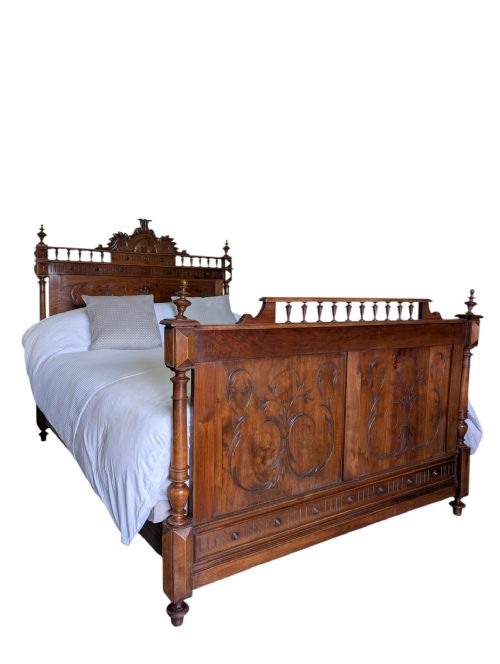


Traditional Oak Bedstead
A traditional oak bedstead brings substantial timber presence into a room, offering durability and historical character across various period forms.
Traditional Oak Bedstead
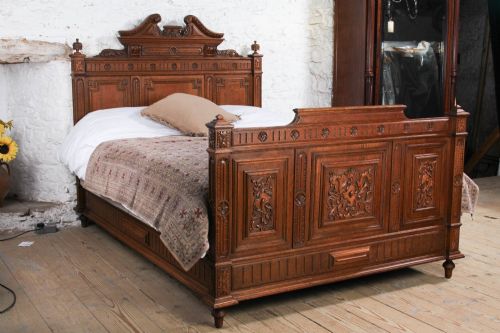
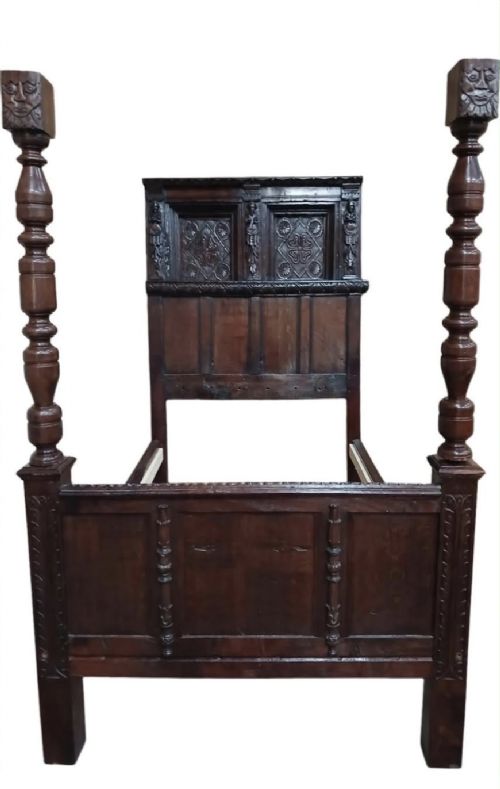
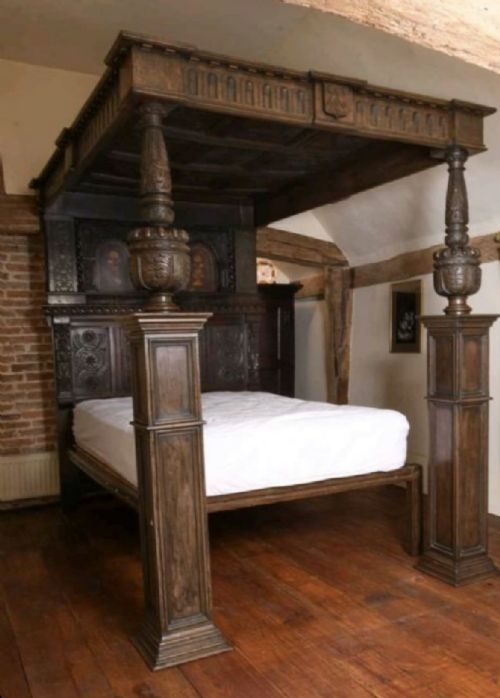
When searching for a traditional oak bedstead, buyers encounter pieces spanning multiple centuries, from seventeenth-century tester beds to twentieth-century panelled frames and single beds. The selection ranges from grand four-poster structures to smaller double and single variants suitable for modern room dimensions.
Jacobean, Elizabethan, and Arts and Crafts styles dominate the construction approaches seen in these listings. Many items reflect distinct historical revivals alongside genuine seventeenth-century examples, incorporating carved wood details and architectural tester frames.
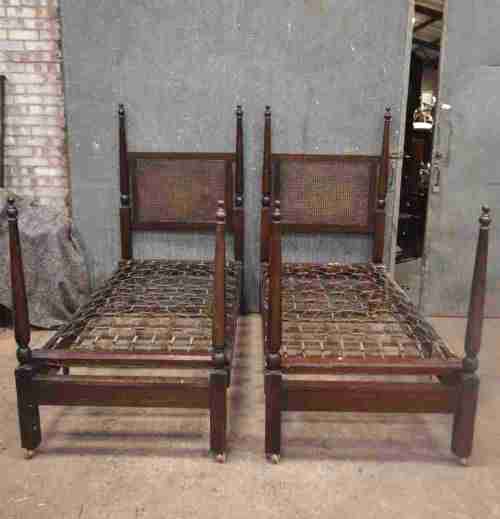
Alongside standard bed frames and four-poster beds, variants include bergere designs with cane work and frames incorporating fruitwood inlay. Buyers frequently meet pieces paired as single beds or scaled up to king sizes depending on the specific period of manufacture.
Materials and construction methods
Solid oak forms the primary structural material across these pieces, frequently complemented by secondary timbers such as fruitwood and walnut. Artisans utilised traditional joinery techniques to construct heavy panelled headboards and robust four-poster tester frameworks.
Surface decoration relies heavily on hand-carved wood motifs rather than applied ornamentation, reflecting the Jacobean and Elizabethan stylistic traditions. Additional detailing involves cane work and inlaid fruitwood elements embedded directly into the oak panels.
Traditional Oak Bedstead Retail Price Guide 2026
Typical asking prices for traditional oak bedstead among the pieces listed under this phrase on Sellingantiques today, from the lower quarter to the upper quarter. They describe what is for sale here now, not the wider market.
Listings incorporate items spanning from the seventeenth century through the Edwardian era, constructed primarily in oak with occasional walnut and fruitwood.
Distinguishing quality in period frames
The depth and execution of the carved woodwork separate standard production items from master-built examples. Sharply chiselled panels and well-proportioned tester columns indicate superior craftsmanship during the initial creation of the bedstead.
The integrity of the timber joints and the retention of original structural elements determine the longevity of the piece. Genuine seventeenth-century construction methods differ significantly from twentieth-century revival interpretations, influencing how the wood ages over time.
Heal & Son
The Traditional Oak Bedstead Glossary
- Tester bed
- A bed featuring a canopy supported by four posts above the frame. This style originates from earlier centuries and creates a commanding focal point in a bedroom.
- Bergere
- A style of furniture incorporating woven cane panels into the frame. This technique lightens the visual weight of heavy oak structures.
- Jacobean
- A design style spanning the early seventeenth century characterised by straight lines and geometric carved ornamentation. Pieces from this era display dark, dense oak timber.
- Arts and Crafts
- A movement prioritising visible handcraftsmanship and simple structural honesty over machine-made ornamentation. Frames from this period often highlight the natural grain of the oak.
- Panelled bedstead
- A bed featuring fitted wooden panels within the headboard and footboard. This construction method provides structural stability while allowing for decorative carving.
Traditional Oak Bedstead: Frequently Asked Questions
How do I fit a modern mattress?
Many period frames require careful measurement to accommodate standard mattress sizes, particularly seventeenth-century examples built before modern standardisation.
Slight adjustments or custom base supports may be necessary to ensure contemporary mattresses rest securely within older wooden rails.
Are four-poster beds difficult to assemble?
These structures typically involve heavy timber components, including headboards, footboards, side rails, and overhead testers that interlock via traditional joints.
Professional assembly is frequently recommended to maintain the structural balance and alignment of the canopy frame.
How do I care for antique oak?
Routine maintenance involves dusting with a dry cloth and avoiding excessive moisture or direct heat sources that can dry out the timber.
Applying appropriate wax occasionally helps preserve the natural finish and protects the surface of the carved wood.
How do I distinguish seventeenth-century pieces?
Authentic seventeenth-century frames exhibit period-specific joinery marks, hand-carved detailing, and patination acquired over centuries of use.
Comparing the construction methods against twentieth-century revival pieces helps clarify the actual age of the timber.