
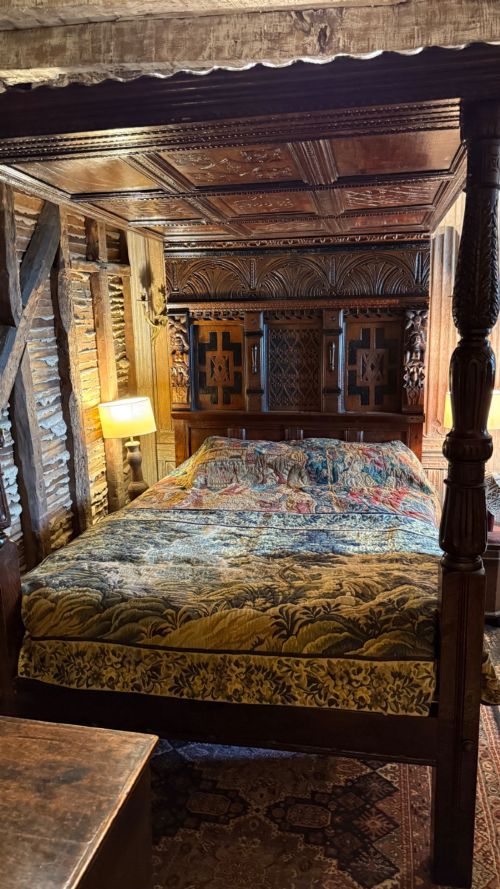


Wooden Canopy Bed
A wooden canopy bed anchors a room with architectural height and timber warmth, bringing centuries of sleeping tradition into modern spaces.
Wooden Canopy Bed
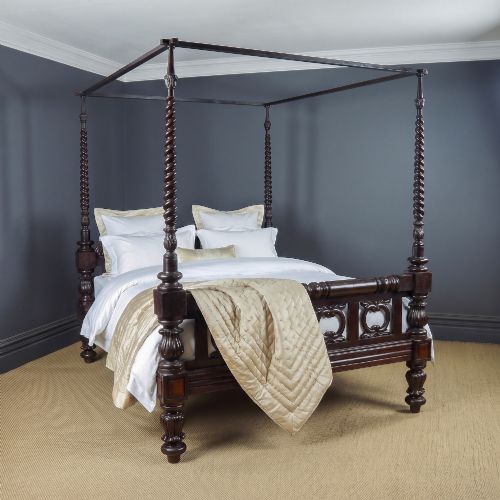
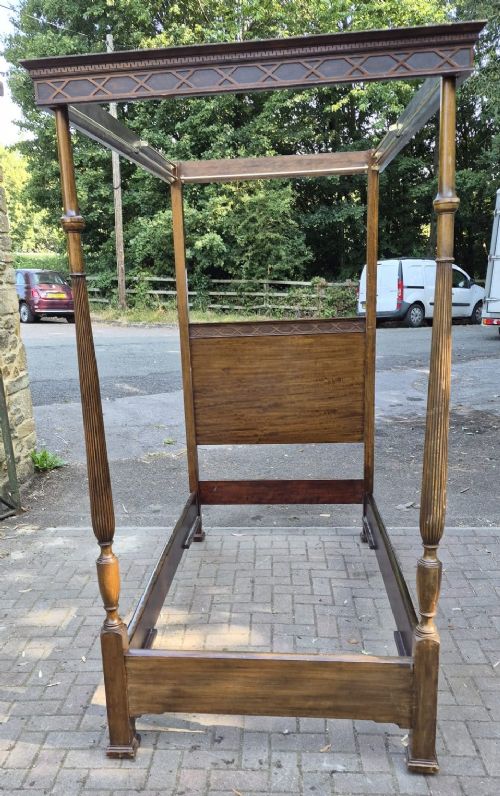
A wooden canopy bed encompasses substantial four poster frames, architectural testers, and freestanding bedsteads designed with overhead structures. When exploring a wooden canopy bed, buyers encounter regional variations spanning English oak, mahogany, and exotic hardwoods.
The selections on this page range from seventeenth-century joined oak tester frames to nineteenth-century mahogany and Edwardian interpretations. Alongside full-scale sleeping quarters, the selection includes related forms like painted pine cradles and smaller pet furniture.
Earlier examples typically rely on heavy oak construction with panelled headboards and solid testers, whilst later nineteenth-century pieces embrace the rich grain of mahogany, burr walnut, and structural elements inspired by Regency and Anglo-Indian designs.
Materials and construction methods
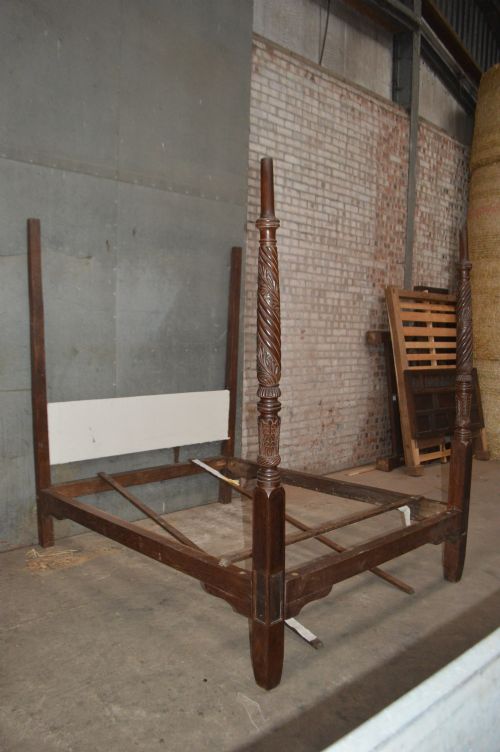
Makers utilised native and imported timber, predominantly selecting oak for seventeenth-century frames and dense mahogany or hardwood for eighteenth and nineteenth-century examples. Joinery relied on traditional mortise and tenon joints, pegged frames, and hand-carved ornamentation.
Surface treatments vary from the natural waxed finish of exposed oak and fruitwood inlay to applied red lacquer on Chinese wedding beds and painted surfaces on pine cradles. Structural testers required precise balancing between vertical posts, headboards, and overhead canopies.
Miniature scales appear among the selection alongside full-sized sleeping quarters, including dedicated four poster beds built specifically for dogs.
Assessing quality and proportion
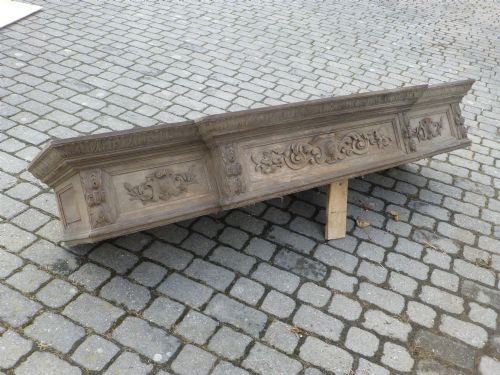
Quality rests in the integrity of the original timber and the crispness of the hand-carved detail on the posts and cornices. Superior pieces retain their original proportional balance between the heavy vertical posts and the overhead tester.
The degree of alteration affects evaluation, as many historical frames were adapted to fit modern mattress sizes or altered during later revivals. Intact joinery and minimal replacement of structural timber distinguish the most desirable examples.
Howard And Sons
The Wooden Canopy Bed Glossary
- Four poster bed
- A bed with four vertical posts supporting an upper frame. These posts can be plain, turned, or intricately carved.
- Half tester
- A bed canopy that extends only partway over the head of the bed, supported by two posts rather than four.
- Marriage bed
- An elaborate traditional sleeping structure, often associated with Chinese craftsmanship and finished in red lacquer.
- Fruitwood inlay
- Decorative wood contrasting work set into a primary timber surface. This technique appears on select seventeenth-century frames.
Wooden Canopy Bed: Frequently Asked Questions
How do I date an oak tester bed?
Dating relies on examining the tool marks, joint construction, and timber species visible across the frame and headboard. Seventeenth-century examples typically display hand-riven oak with pegged mortise and tenon joints.
Later revivals from the Edwardian period imitate these early forms but utilise machine-sawn timber and different fastening methods. Comparing the carving style to known period motifs confirms the exact era.
Will a historic bed fit a modern mattress?
Many older frames were built to historical dimensions that differ from current standard mattress sizes. Adjustments to the internal rails are frequently required to accommodate modern widths and lengths.
Consulting the specific internal dimensions listed for each bed ensures compatibility before acquiring a mattress. Some pieces retain their original proportions while discretely accepting modern supports.
How do I maintain a polished mahogany frame?
Routine care involves dusting with a dry, soft cloth to prevent the accumulation of particles on carved surfaces. Applying a traditional beeswax polish periodically preserves the moisture and sheen of the mahogany grain.
Avoiding direct sunlight and excessive humidity protects the timber from warping or splitting over time. Gentle handling ensures the original finish remains undisturbed.