


Vintage Wooden Bedstead
A vintage wooden bedstead brings warmth and individual character to a bedroom through traditional timber construction and period design.
Vintage Wooden Bedstead
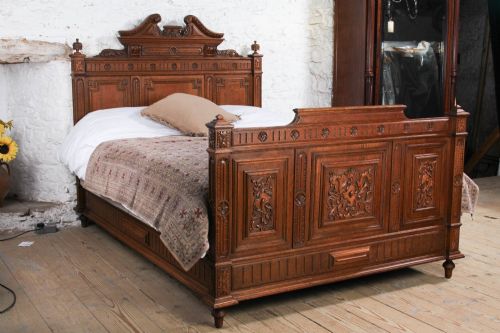
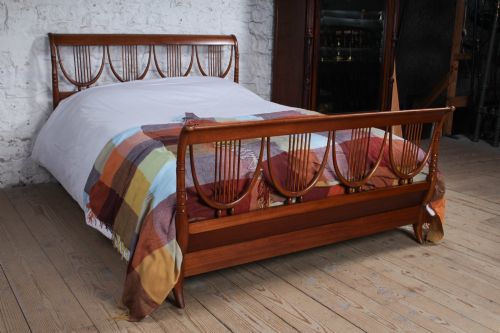
A vintage wooden bedstead forms the central architectural piece of a bedroom, combining practical sleeping space with period cabinetry. When searching for a vintage wooden bedstead, buyers encounter pieces ranging from compact single frames to expansive king-size and emperor models.
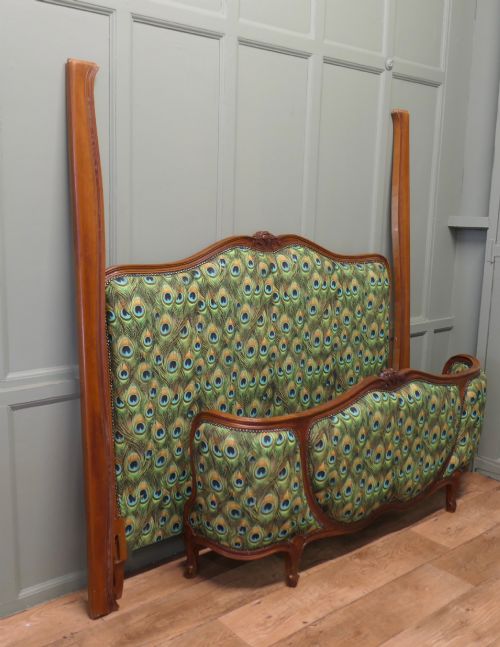
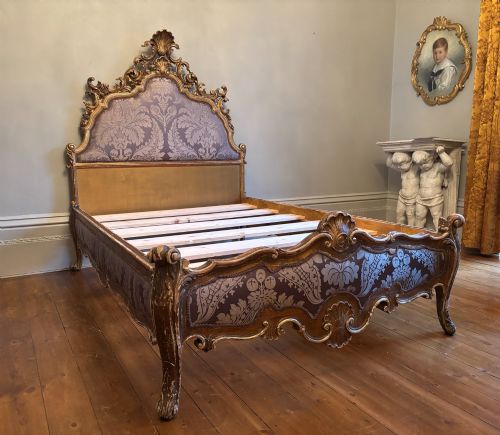
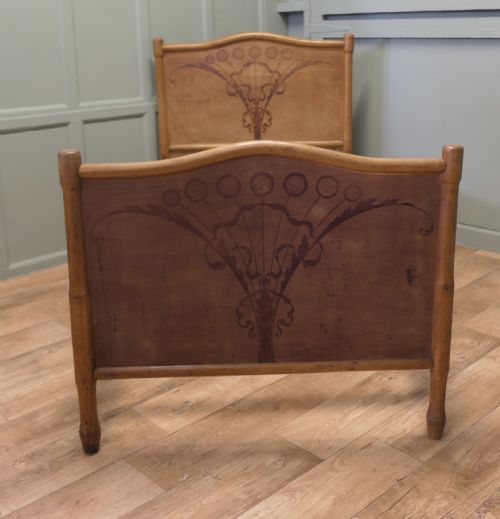
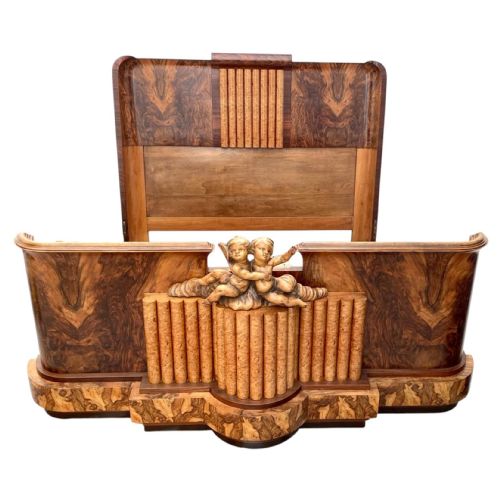
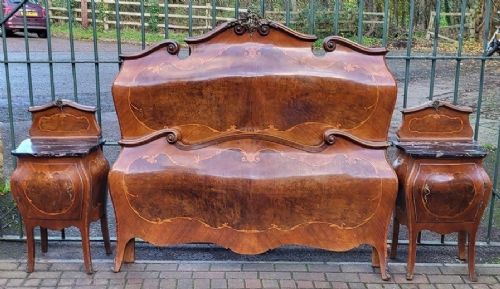
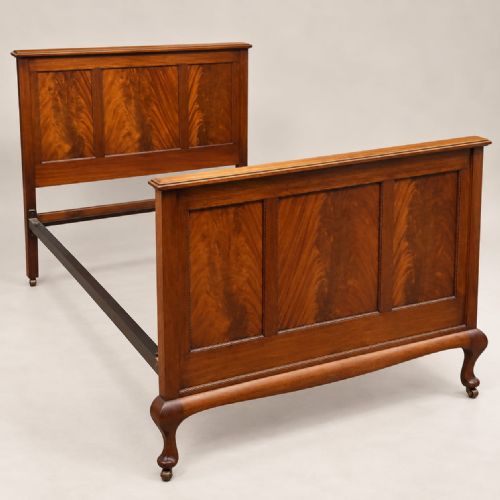
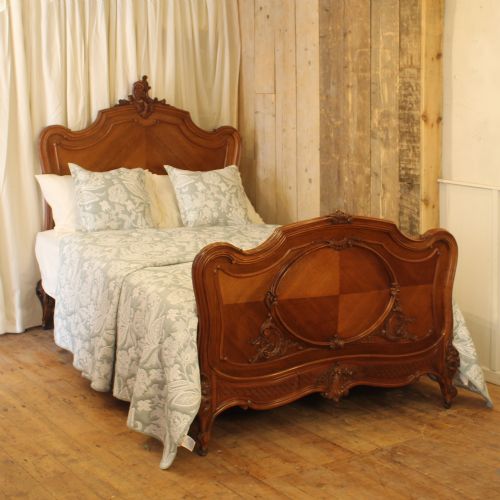
The selection spans solid timber constructions from the nineteenth century through to streamlined geometric designs of the twentieth century. Edwardian mahogany frames and Art Deco walnut pieces appear frequently alongside French styles.
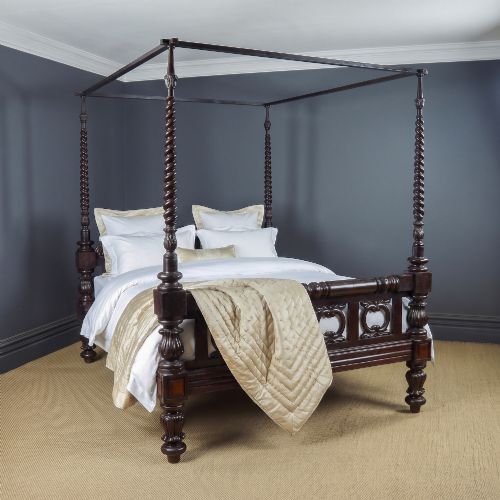
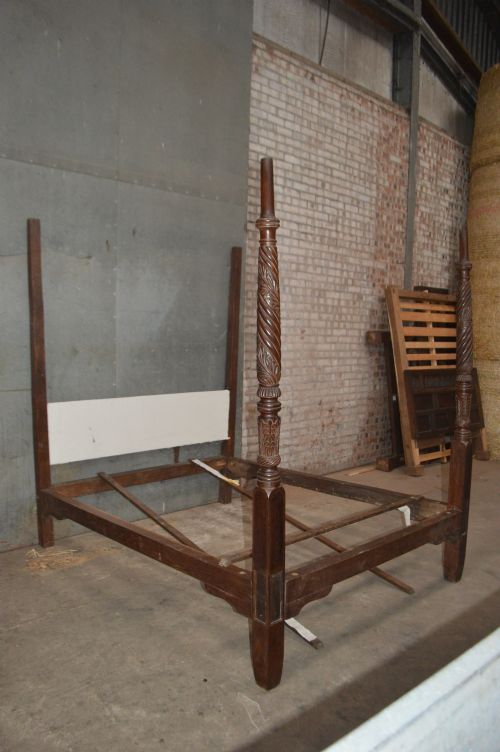
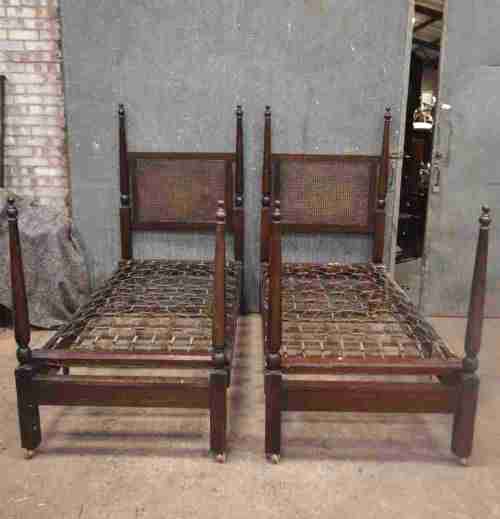
Formats include standard double frames, four-poster designs, and paired single beds intended for twin arrangements. Each example displays the joinery methods and proportions typical of its specific decade.
How they were made
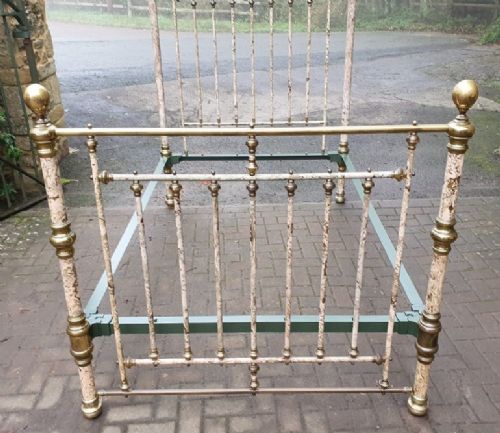
Cabinetmakers utilised dense hardwoods such as mahogany, oak, and walnut, frequently applying burr walnut or birds eye maple veneers to create striking surface patterns. Frames often incorporate structural iron components or brass detailing to reinforce the wooden joints.
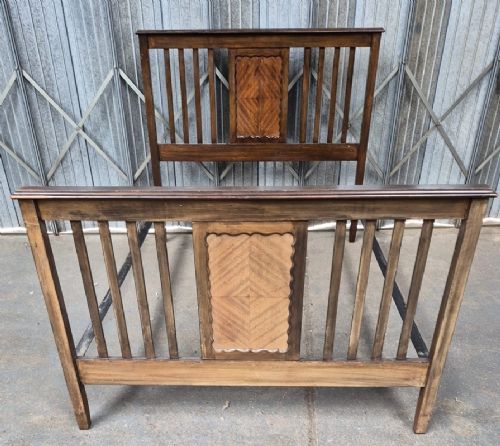
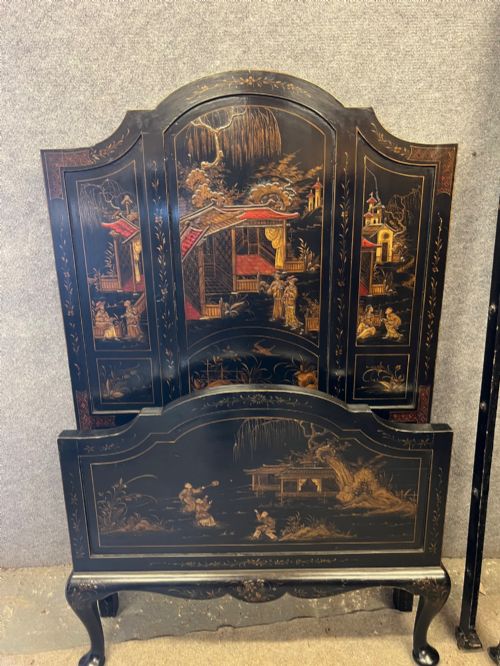
Surface decoration relies on natural grain figures, carved panels, and inlaid satinwood banding rather than excessive applied ornament. French pieces introduce painted finishes, limed treatments, and woven cane panels within curved wooden structures.
Vintage Wooden Bedstead Retail Price Guide 2026
Typical asking prices for vintage wooden bedstead among the pieces listed under this phrase on Sellingantiques today, from the lower quarter to the upper quarter. They describe what is for sale here now, not the wider market.
Faux bamboo wooden frames capture exotic botanical aesthetics without requiring actual tropical grass.
What varies in quality
Quality rests in the selection of timber veneers and the precision of the underlying joinery. Finely figured burr walnut and matched satinwood indicate superior material choice by the cabinetmaker.
Structural integrity depends on the robustness of the original side rails and the crispness of carved details or inlaid sections. Retained maker labels and matching paired configurations elevate the standing of a piece.
Stanley Webb Davies·Oliver Morel·Waring and Gillow·Heals
The Vintage Wooden Bedstead Glossary
- Bedstead
- A framework of a bed supporting the mattress and springs. It encompasses headboards, footboards, and side rails constructed from timber or metal.
- Bergere
- A closed upholstered armchair or bed component featuring cane work panels. The woven cane sides provide lighter visual weight to substantial wooden frames.
- Burl walnut
- Timber taken from a tree growth or burr, yielding swirling grain patterns. Cabinetmakers prize this wood for decorative veneering on prominent surfaces.
- Four poster
- A bed with four vertical columns supporting a tester canopy above. Edwardian examples often adapt this traditional form using Georgian stylistic influences.
- Inlay
- A technique of inserting pieces of contrasting timber or shell into a wood base to form decorative designs. Satinwood frequently serves as a bright inlay material against darker mahogany or walnut.
Vintage Wooden Bedstead: Frequently Asked Questions
How do I choose the right size?
Bed sizes range from single and small double dimensions up to king size and emperor formats. Measure your available floor space carefully to ensure adequate clearance around the wooden frame.
Consider the proportions of the headboard and footboard in relation to ceiling height and bedroom furniture. Larger frames require substantial room volume to sit comfortably within the interior.
Will modern mattresses fit these beds?
Many older bedframes were manufactured to dimensions that differ slightly from modern standard mattress sizes. Check the internal length and width measurements of the side rails before purchasing a mattress.
Custom mattress makers can supply bespoke dimensions to fit historical frames accurately. Slatted base insertions often require minor adjustment to sit securely within antique wooden side rails.
How do I assemble a vintage bed?
Most antique wooden bedsteads utilise traditional side rail bolts or metal wedge brackets to secure the headboard and footboard together. Assemble the frame in the final room location to avoid strain on the joints during movement.
Check that all bed bolts are tightened evenly to maintain square alignment. Proper assembly prevents lateral movement and protects the historical timber from undue stress.
How do I care for wood finishes?
Maintain timber surfaces by dusting with a soft, dry cloth and applying traditional beeswax periodically. Avoid placing wooden furniture near direct heat sources or strong sunlight to prevent veneer cracking.
Protect the polish from moisture by using coasters and mats on any integrated bedside ledges. Gentle cleaning preserves the natural patina developed over decades of use.
Can I pair different period pieces?
Mixing pieces from adjacent eras works successfully if timber tones and wood species share visual affinities. Oak and walnut elements can complement each other when unified by simple room styling.
Focus on matching the scale and finish quality rather than adhering strictly to a single manufacturing decade. The variety of materials allows for individual interior compositions.